

Great Migration Calendar: Month-by-Month Serengeti Guide
A practical month-by-month guide to where the Great Migration is likely to be across the Serengeti–Mara ecosystem, with planning advice for calving, Grumeti and Mara River seasons.
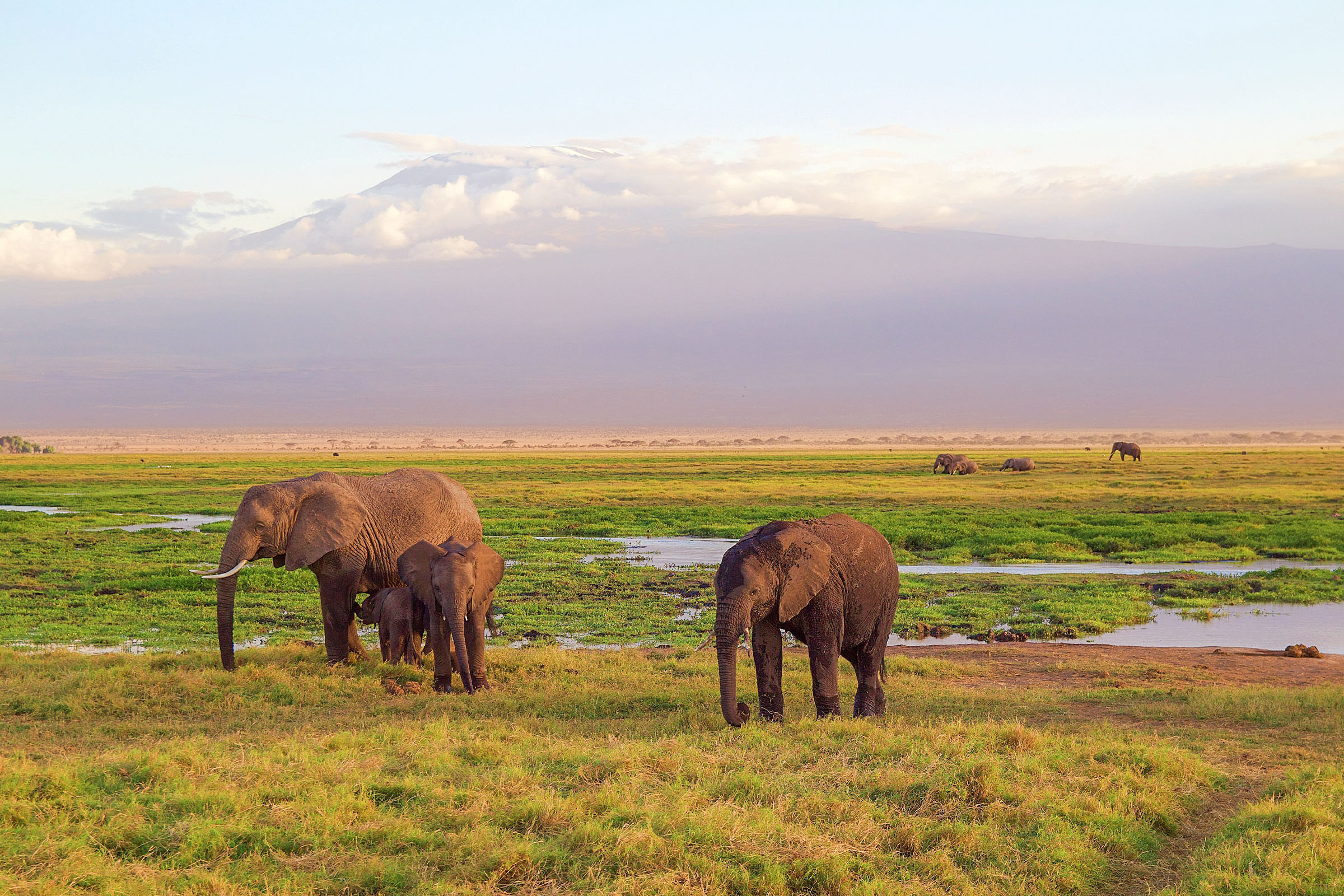
The Great Migration is not a single event with a fixed date. It is a year-round movement through the Serengeti–Mara ecosystem, influenced by rainfall, fresh grazing and water. That is why the right migration safari starts with your travel month, then chooses the Serengeti or Mara region that gives you the strongest realistic access to the herds.
This month-by-month guide is designed as a planning reference, not a guarantee. TANAPA's official Serengeti migration route map shows the broad seasonal pattern: the southern plains from January to March, movement through central and western Serengeti in April to June, the northern Serengeti and Mara zone later in the dry season, and the return through the eastern side toward the south in November and December.
Treat every month as a likely migration zone, not an appointment. Rainfall can move the herds earlier or later, and no safari operator can guarantee a particular Mara River crossing on a particular day.
Great Migration calendar at a glance
| Month | Likely focus | What the season can offer | Planning approach |
|---|---|---|---|
| January | Southern Serengeti / Ndutu | Herds on the short-grass plains; calving season building. | Base in the south and avoid unnecessary long transfers. |
| February | Southern Serengeti / Ndutu | Peak calving period, newborn wildebeest and predator activity. | Strong month for wildlife photography and multi-night stays. |
| March | Southern Serengeti / Ndutu | Calving activity continues as herds begin to spread with changing conditions. | Keep the itinerary flexible around the southern plains. |
| April | Central / south-central Serengeti | Green-season landscapes and herds beginning to move northwest. | Expect rain and potentially slower road conditions. |
| May | Central to Western Serengeti | Large herds can gather as the migration pushes toward the western corridor. | Good for travellers comfortable with green-season conditions. |
| June | Western Corridor / Grumeti | Westward and northward movement; Grumeti area becomes increasingly relevant. | Choose western Serengeti camps when the movement supports it. |
| July | Northern movement | Herds move toward northern Serengeti; river activity may begin. | Use current field conditions to decide between west and north. |
| August | Northern Serengeti / Mara River | A major period for northern Serengeti and possible Mara River crossings. | Allow several nights near the northern migration zone. |
| September | Northern Serengeti / Maasai Mara | Herds can remain spread across the northern ecosystem. | Excellent month for a Tanzania–Kenya combination when time allows. |
| October | Northern Serengeti / Mara zone | Northern migration viewing can continue before the broader return south. | Do not assume every herd is still at the river. |
| November | Eastern / central Serengeti | Short rains can draw the herds back toward eastern and southern grasslands. | Route for mobility rather than a fixed river-crossing base. |
| December | Eastern to Southern Serengeti | The migration cycle increasingly returns toward the short-grass plains. | Good transition month for southern-focused planning. |
January: southern Serengeti and Ndutu
January generally places the migration across the southern Serengeti and Ndutu region, where the short-grass plains provide fresh grazing. The landscape is open and the herds can be widely distributed, so camp location matters more than trying to cover the entire Serengeti.
February: calving season
February is the month most strongly associated with the wildebeest calving season on the southern plains. Large numbers of calves can mean intense predator activity as lions, cheetahs, hyenas and other carnivores take advantage of the concentration of vulnerable young animals.
For photographers, this is one of the strongest reasons to slow the itinerary down. Three nights in the right southern area can be more productive than one night each in several parks.
March: the southern plains remain important
March can still deliver strong migration activity around Ndutu and the southern Serengeti, although the herds begin to spread as rainfall and grass conditions change. The exact distribution varies from year to year.
April: green season and movement north-west
April falls within the long-rain period in northern Tanzania. The migration begins moving away from the far south through central and south-central Serengeti. Green landscapes, dramatic skies and fewer vehicles can be attractive for experienced safari travellers and photographers, but road conditions can be slower.
May: toward the western corridor
By May, the broad migration pattern shifts toward central and western Serengeti. Herds may form long columns as they move, but the exact concentration depends on where the most useful grazing and water are available.
June: Western Serengeti and Grumeti
June is the key month for routes that target the Western Corridor and Grumeti region. This is why Wildlux migration journeys in this period often place more weight on western Serengeti instead of automatically routing every traveller to the north.
July: the transition toward northern Serengeti
July is a transition month. Herds increasingly move toward northern Serengeti and the Mara River system, but movement is not uniform. Some groups may still be farther south or west while others are already entering the north.
August: northern Serengeti and Mara River activity
August is one of the classic months for northern Serengeti. River crossings may occur, but they are unpredictable wildlife events. TANAPA's Mara River crossing guidance specifically manages vehicle behaviour around crossing points to protect the animals and the quality of the experience.
September: northern Serengeti and Maasai Mara
September can keep the migration spread across northern Serengeti and the wider Mara ecosystem. Travellers with enough time can consider a Tanzania–Kenya route, but a single-country itinerary can still be very strong when it protects enough nights in the right area.
October: still north, but conditions can change quickly
October can continue to produce strong northern migration viewing, yet it is risky to assume that every herd remains near the Mara River. The beginning of the short rains can influence the return movement.
November: return through the eastern Serengeti
With the short rains, the broader migration pattern turns back toward eastern and central Serengeti. This is a month when flexible routing matters more than building the entire safari around one famous crossing point.
December: back toward the southern grasslands
December is part of the return toward the eastern and southern Serengeti, setting up the next calving cycle. Conditions can vary with rainfall, so a good December itinerary should be designed around current field information rather than a rigid map.
Which month is best for you?
- Calving and predator action: January to March, especially February.
- Green landscapes and fewer vehicles: April and May.
- Western Serengeti / Grumeti: June and the surrounding transition period.
- Northern Serengeti and possible Mara River crossings: July to October, with August and September especially popular.
- Return migration and changing landscapes: November and December.
Why we do not guarantee river crossings
A river crossing is a natural event. Herds can gather at the river and wait for hours, retreat, move to another crossing point or cross with little warning. Weather, water level, predators and herd behaviour all play a role. A responsible safari plan increases your opportunity by placing you in the correct region for several nights; it does not promise a specific crossing.
How Wildlux plans a migration safari
- Start with the month. We identify the region most relevant to your dates.
- Protect enough nights. We prefer more time in a productive migration area over adding unnecessary stops.
- Choose camp location carefully. A camp that is excellent in February may be poorly positioned for September.
- Use private guiding. Your vehicle can stay with a sighting, wait for movement or leave early for better light.
- Keep the route realistic. The migration is only one part of the safari; Ngorongoro, Tarangire or Kenya should be added when they improve the journey rather than simply lengthen it.
Source note
This calendar follows the broad seasonal migration route published by Tanzania National Parks (TANAPA) and its Serengeti National Park visitor guidance. It should be read as a seasonal planning pattern, not a live herd-location report.
- TANAPA — Serengeti National Park
- TANAPA — official migration route map
- TANAPA — Mara River migration crossing guideline
Plan your migration safari
If you tell us your travel month, number of nights and whether your priority is calving, river crossings, photography or a broader Tanzania journey, we can recommend the migration region that makes the most sense for those dates.

Moses James Aron
Founder, Managing Director & Tour Consultant — Wildlux Expeditions LTD
For Moses Aron, Tanzania is more than a destination—it is home.
View author profile →Our Arusha-based team will answer your questions and shape an itinerary around them.
A practical guide to choosing Tanzania safari accommodation by location, camp style, insi…
A season-by-season guide to photographing East Africa — from Ndutu calving and Mara River…
A transparent guide to what drives Tanzania safari prices — accommodation, private vehicl…