
Ngorongoro Conservation Area & Crater
“You do not arrive at Ngorongoro so much as you arrive above it — and then descend, slowly, into somewhere that feels invented.”
A UNESCO World Heritage Site where 260 square kilometres of crater floor hold lion, elephant, buffalo, leopard and one of Africa's last populations of black rhino — all beneath a 600-metre volcanic rim shared with Maasai herders.
About Ngorongoro Crater.
The first sight of the Ngorongoro Crater is one of those rare travel moments that outruns every photograph you have seen of it. You climb through cool montane forest, hung with old-man's-beard lichen and loud with turacos, and then the trees simply stop. Ahead, the land falls away 600 metres into a bowl 19 kilometres across, its floor patterned with soda lake, yellow-fever acacia, swamp and short grass. Somewhere down there, moving like grains of pepper, are twenty-five thousand large animals.
Ngorongoro is the collapsed caldera of a volcano that, before it fell in on itself some two and a half million years ago, may have stood as tall as Kilimanjaro. What remains is the largest intact, unflooded volcanic caldera in the world — and an ecosystem so self-contained that many of its animals never leave. Water, grazing and shelter exist within the same few hundred square kilometres, so lion prides, elephant bulls, buffalo herds and black rhino live out their whole lives inside the walls.
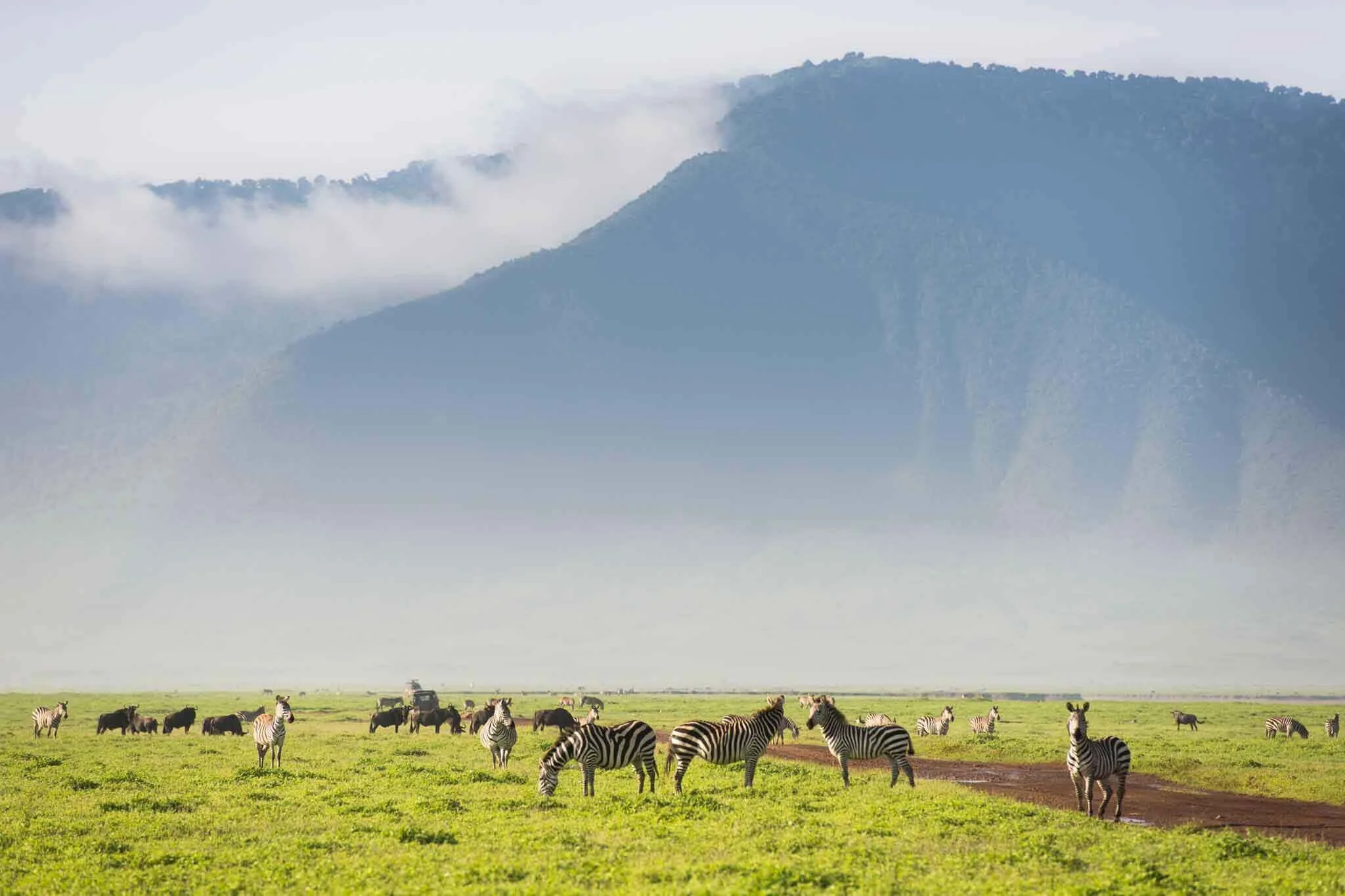
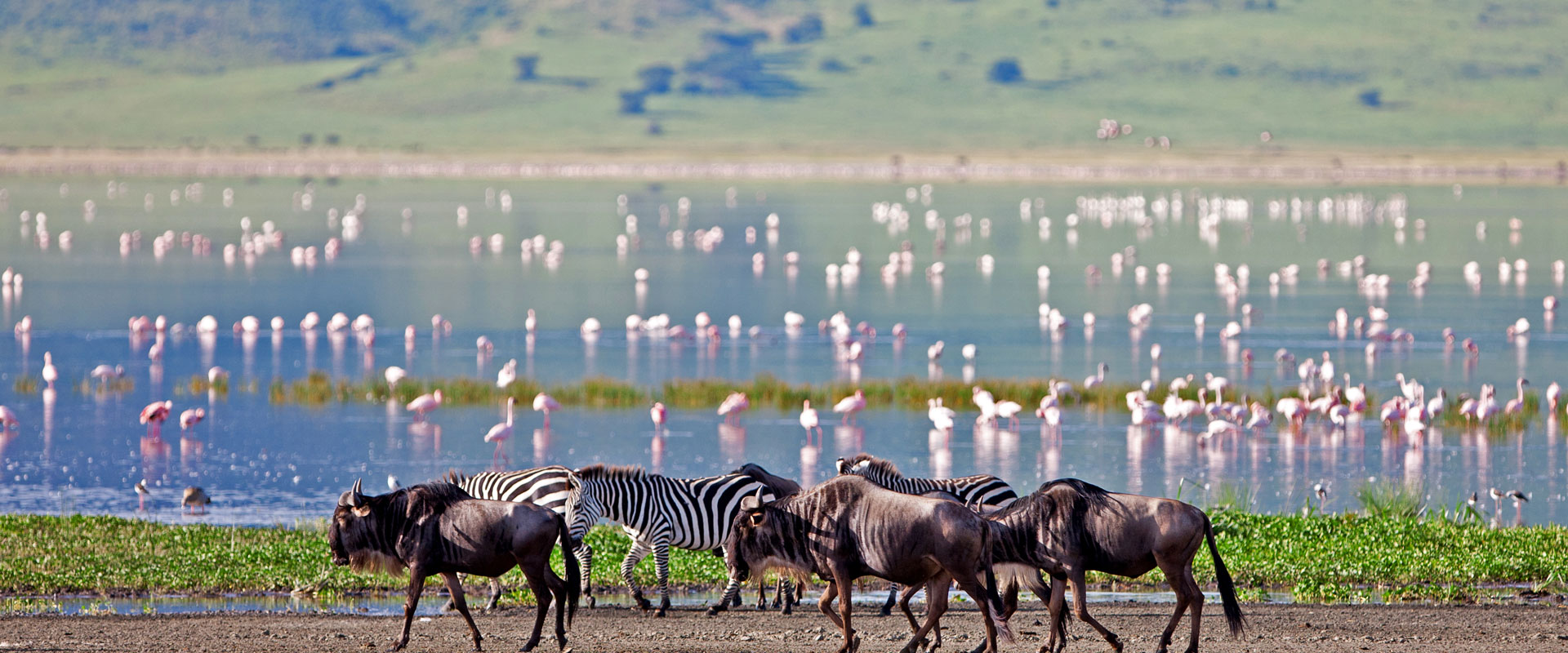
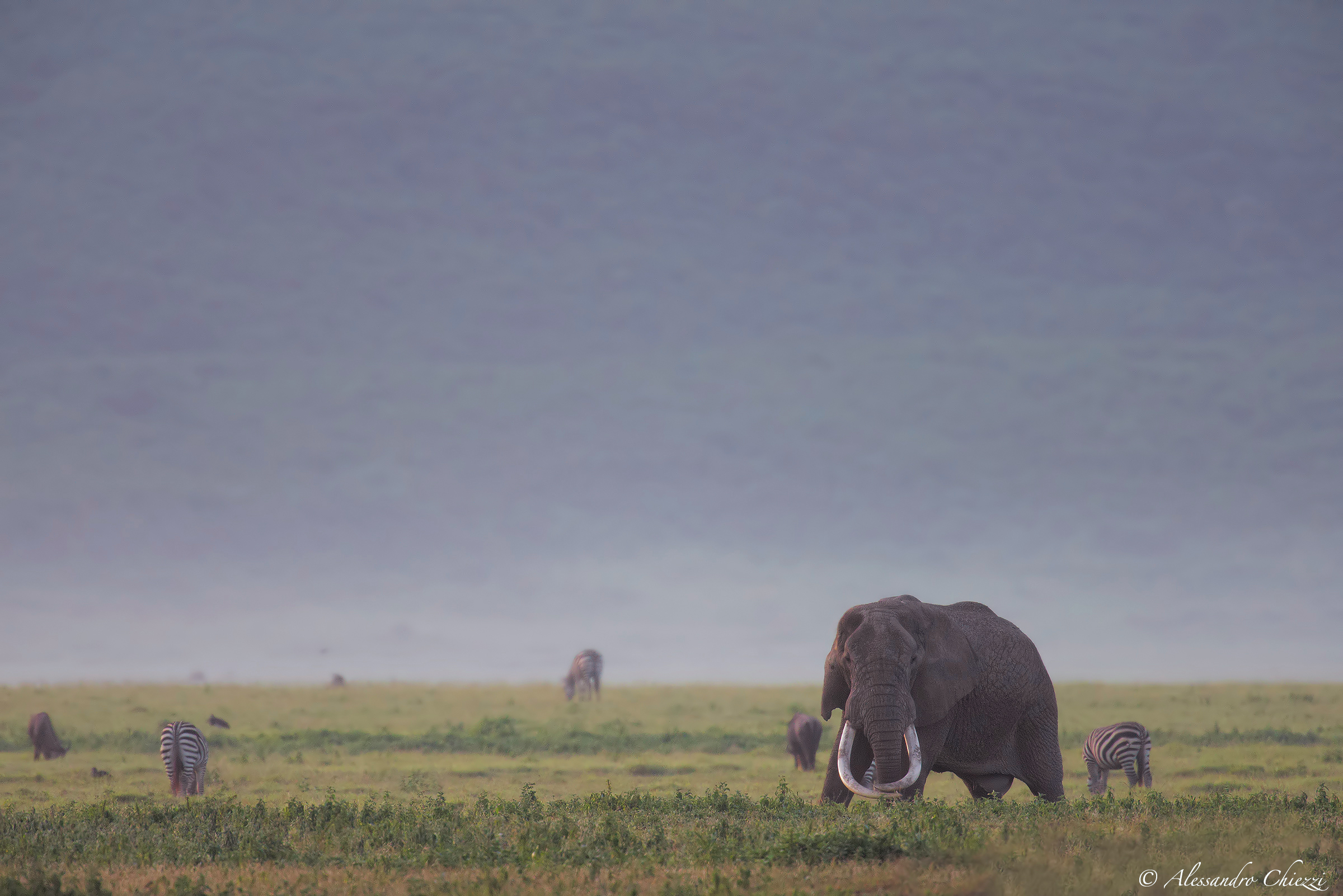
What surprises most first-time visitors is how green and how gentle it is. This is not the dust and distance of the Serengeti. Streams run down from the rim into the Mandusi and Gorigor swamps. The Lerai Forest, a grove of fever trees the colour of old brass, shelters bull elephants with the heavy ivory that has become rare almost everywhere else. Lake Magadi, shallow and alkaline, turns pink at the edges with flamingo. In one morning drive you can move from forest to marsh to open plain without covering more than twenty kilometres.
The crater sits inside the much larger Ngorongoro Conservation Area, a UNESCO World Heritage Site of over 8,000 square kilometres and one of the few protected landscapes anywhere designed for people and wildlife together. Maasai families hold grazing rights here. You will pass herders in red shuka walking cattle along the rim road, and their presence is not decoration — it is the reason the conservation model here is studied worldwide. Beyond the crater lie Olduvai Gorge, where the Leakeys uncovered some of the earliest evidence of human ancestry, the quieter Empakaai and Olmoti craters, and the shifting sands of Shifting Sands itself.
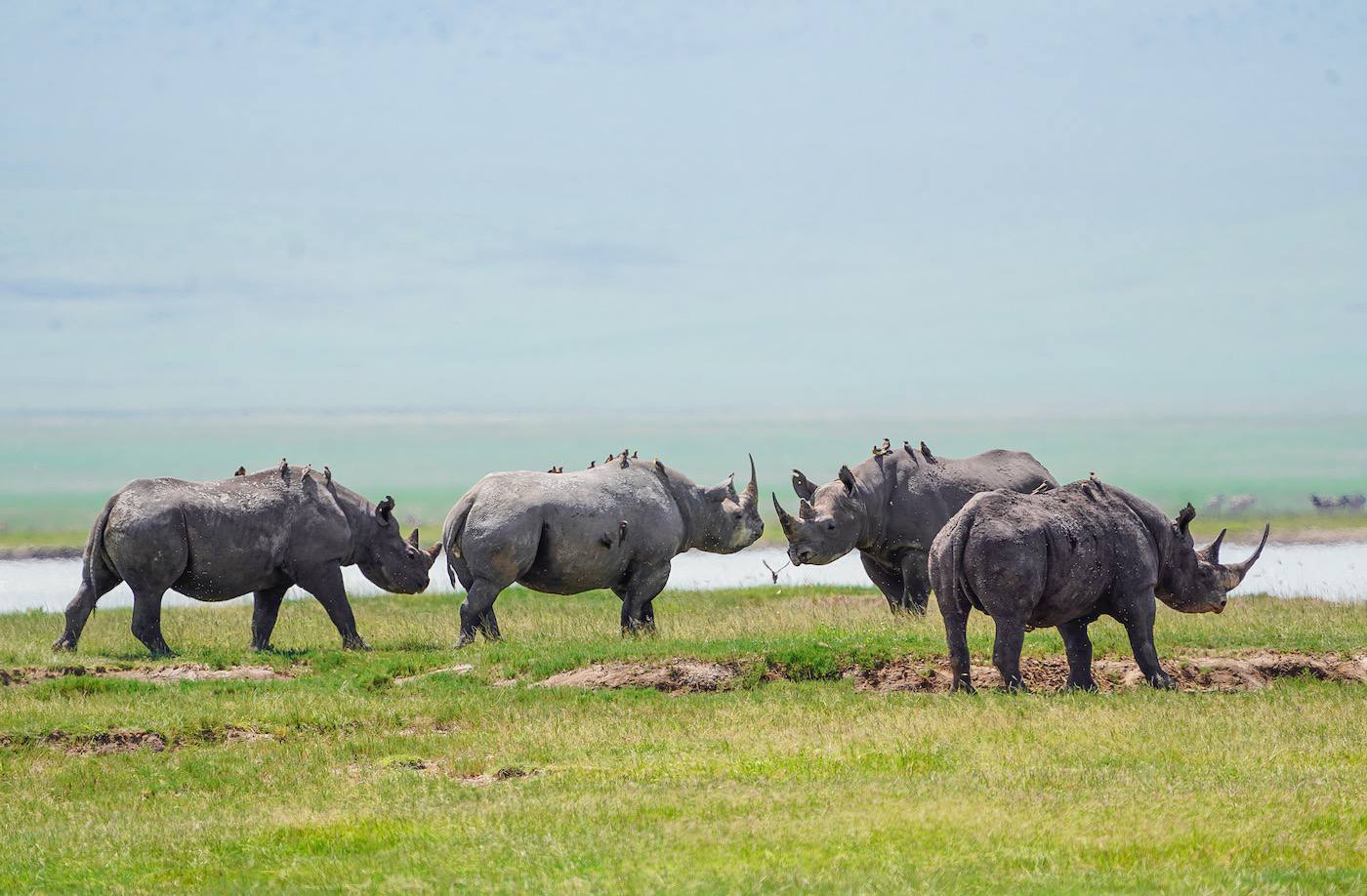
For wildlife density, nothing in East Africa compares. Lion prides here are among the most studied in Africa. Spotted hyena clans are unusually large and unusually confident, often hunting rather than scavenging. Golden and black-backed jackal, serval in the long grass near the swamp, and the crater's small, closely guarded population of black rhino — perhaps the most reliable rhino sighting in northern Tanzania — round out a cast that makes a single day feel improbable.
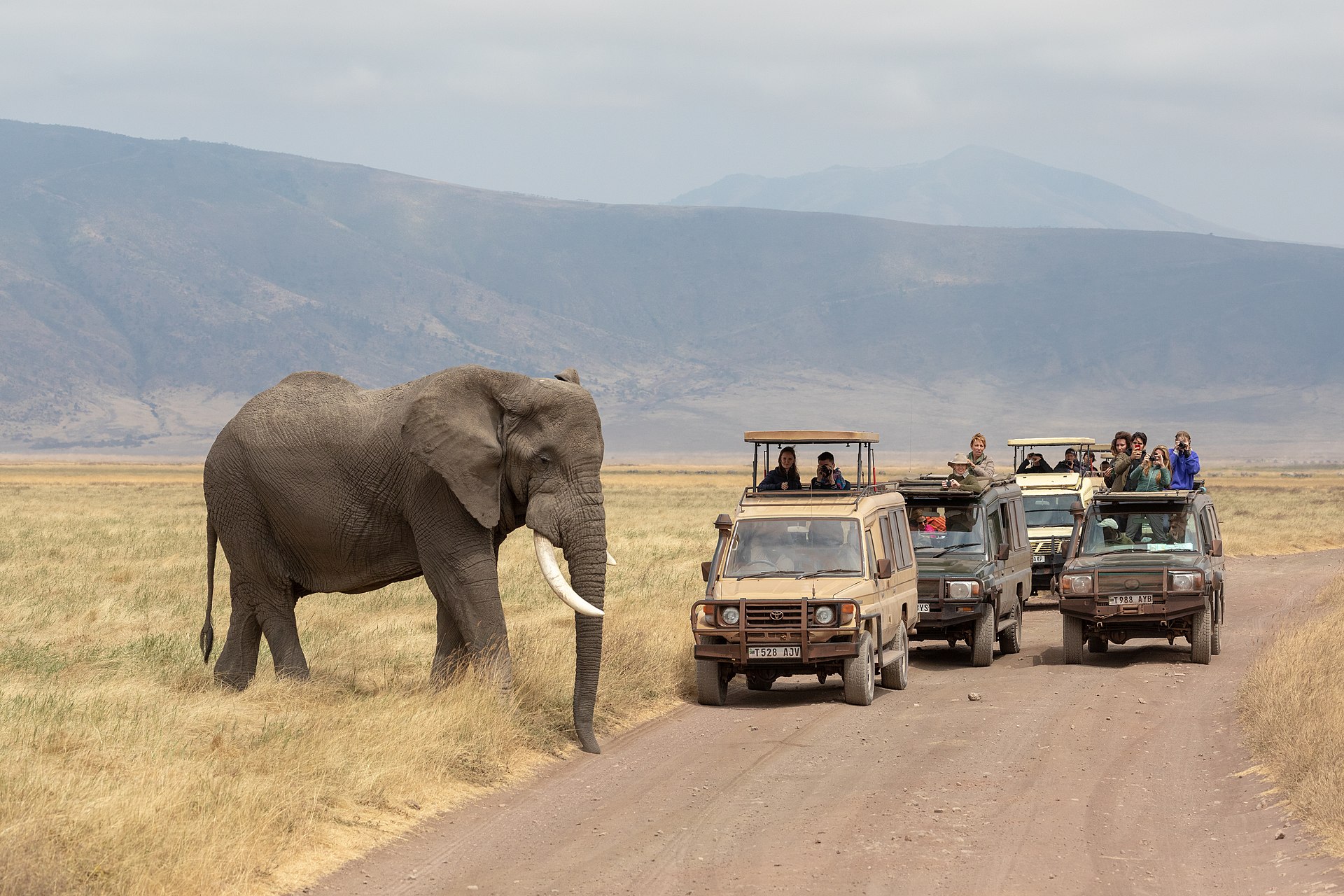
Ngorongoro is also, frankly, popular. The crater floor is open to vehicles for a limited window each day, and mid-morning in high season can feel busy at a good sighting. The luxury of a well-planned visit is timing: descending at first light before the day-trip traffic arrives from Arusha, staying two nights on the rim rather than one, and pairing crater mornings with the emptier highlands — Empakaai's flamingo-rimmed lake, a walk on the Olmoti rim with a Maasai guide, or the long green shoulder of the Ngorongoro highlands where you may not see another vehicle all day.
The lodges on the rim are among the most dramatically sited in Africa, perched where the cloud rolls in over the lip at dusk and the temperature drops sharply enough to want a fire. Waking here, drawing the curtain and finding the whole caldera below you in early light is the kind of thing travellers remember for decades. It is a place that rewards both the first-time safari guest and the returning traveller who thought they had already seen Africa's best.
Wildlife & nature
The crater floor supports one of the densest concentrations of large mammals on the continent. All of the Big Five are present, and unusually, all five can be seen in a single day — though black rhino sightings are distant and always a matter of fortune. Lion prides hold territory around the Mandusi swamp and the short-grass plains; hyena clans number in the dozens; cheetah occasionally hunt the open ground east of Lake Magadi. Leopard are more often found in the Lerai Forest and along the descent roads at dawn.
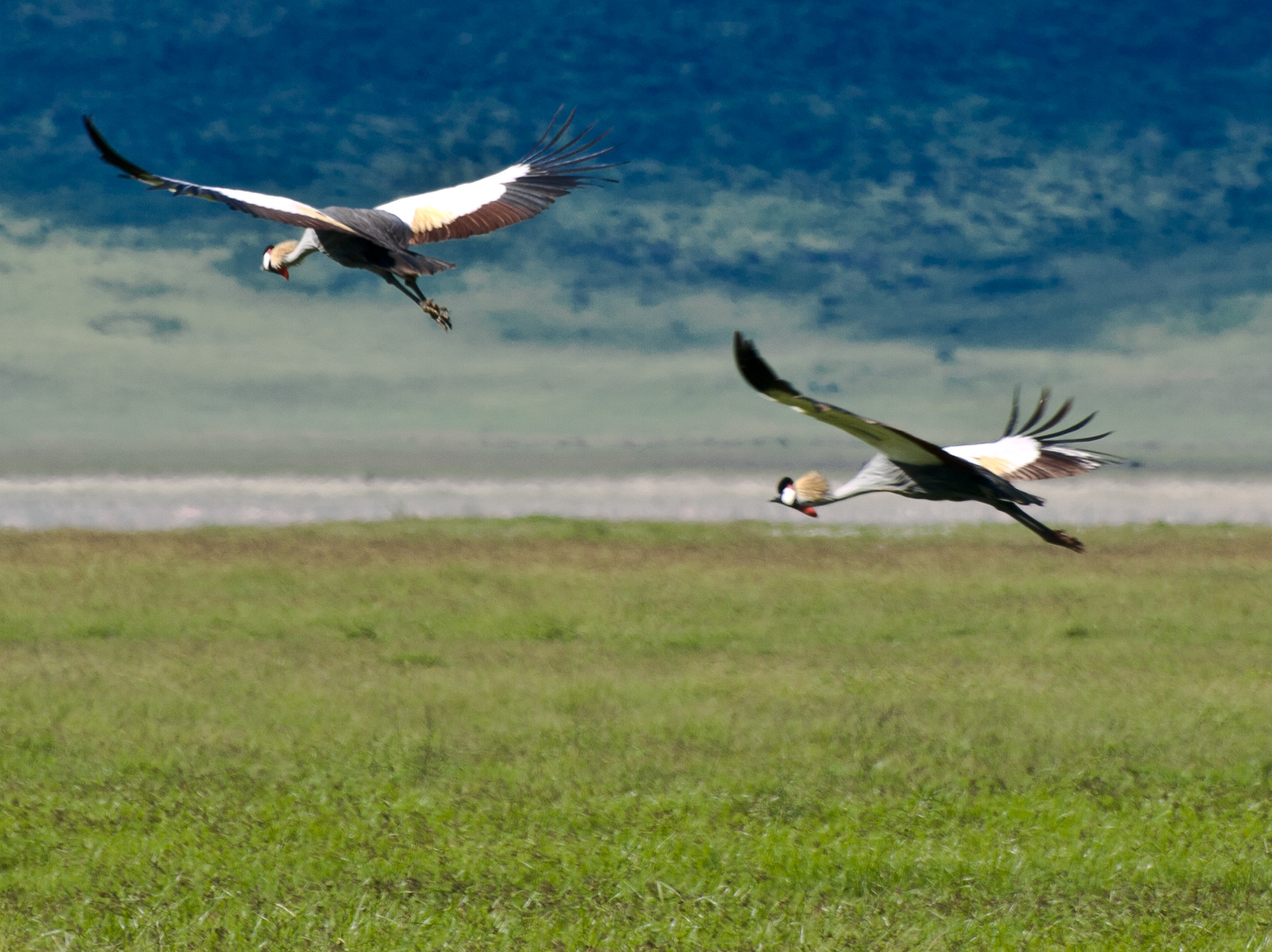
Grazers dominate the plains: wildebeest, zebra, Thomson's and Grant's gazelle, eland, and Cape buffalo in large, heavy herds. Hippo wallow at Ngoitokitok Springs. Birdlife is exceptional and often underrated — greater and lesser flamingo on the soda lake, crowned crane, kori bustard, ostrich, saddle-billed stork, and raptors including augur buzzard riding the rim thermals. The forested rim adds a wholly different list, from Hartlaub's turaco to silvery-cheeked hornbill.
Signature experiences
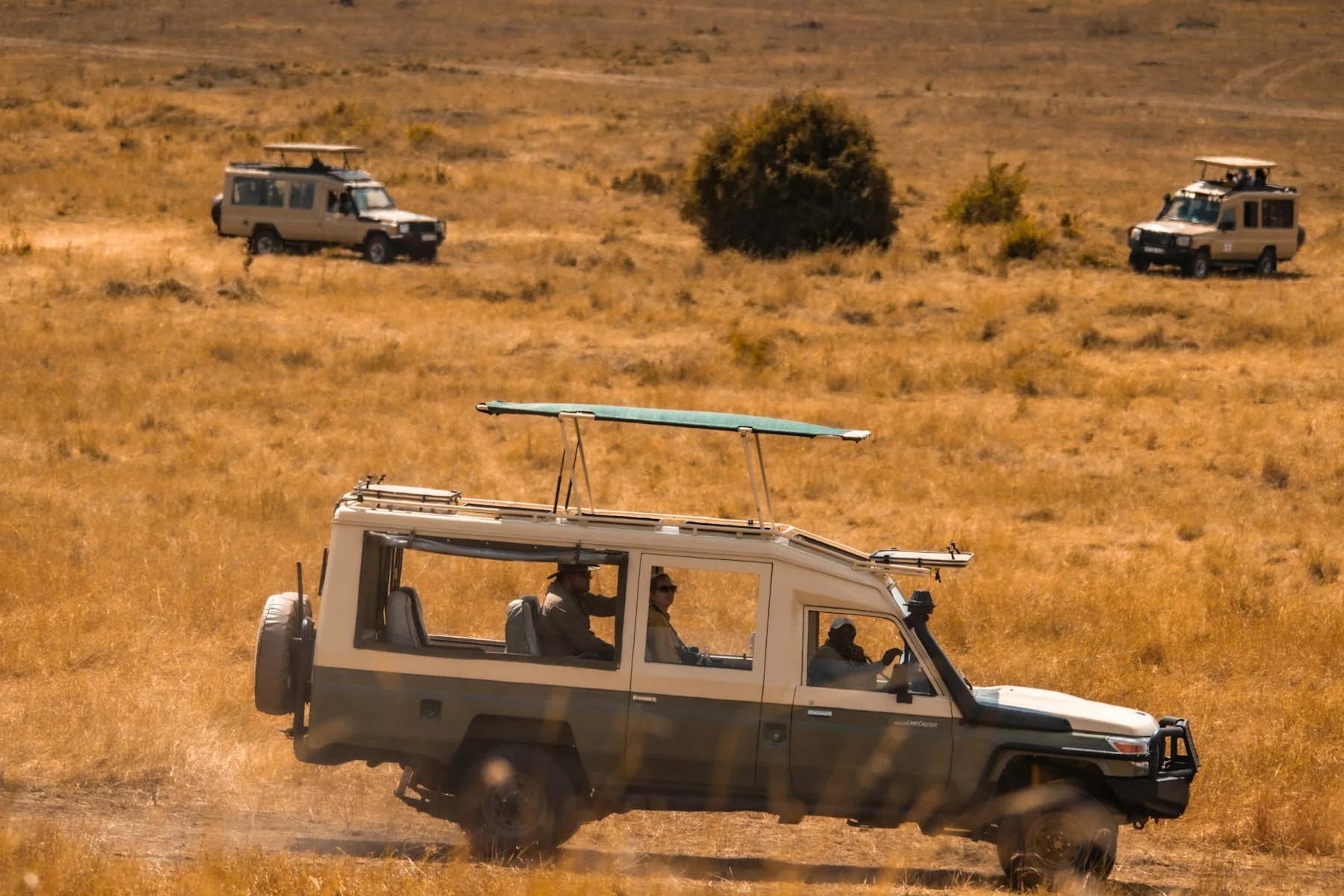
- Crater floor game drives — a full-day descent with a picnic at Ngoitokitok Springs, or a first-light half day before the crowds.
- Empakaai Crater hike — a guided walk down to a flamingo-lined soda lake, with views to Ol Doinyo Lengai on clear days.
- Olmoti Crater and Munge waterfall walk — gentle highland hiking with a Maasai ranger.
- Olduvai Gorge — the museum and a guided walk through one of the most important palaeoanthropological sites on earth.
- Maasai cultural visits — arranged through partner communities rather than staged roadside stops.
- Highland picnics and sundowners on the rim, where the cloud spills over the lip like slow water.
Note that hot-air ballooning, night drives and walking are not permitted on the crater floor itself — walking and night activity happen in the wider conservation area.
Photography guide
Light is the whole game here. The crater walls hold shadow late, so the first hour after descent gives long, soft, side-lit conditions across the short-grass plains — ideal for lion, hyena and the low golden grass. The Lerai Forest is best mid-morning when dappled light reaches the elephants. Lake Magadi rewards a long lens from the causeway: flamingo compressed against pink water. Late afternoon on the rim, particularly from the Heroes' Point and Seneto viewpoints, delivers the classic wide landscape with cloud pouring in.
Bring a long telephoto (400mm and up) — the rhino are usually far, and off-road driving is not permitted. A wide lens matters more here than in most parks, because the crater wall as a backdrop is what makes an image unmistakably Ngorongoro. Drones are prohibited throughout the Ngorongoro Conservation Area without formal written permits, which are rarely granted; plan without one.
Where to stay
The rim carries some of the most theatrically located lodges in Africa — properties built along the caldera edge where suites, and often the bath, look directly into the crater. Below and beyond, the Karatu farmlands offer gracious coffee-estate lodges at lower altitude and warmer nights, while the wider conservation area holds intimate camps for travellers who want quiet over spectacle. Our specialists match you to a property by view, altitude, drive time to the descent road and the pace you want, and every stay we arrange is inspected and known to us personally.
How long to stay
- Day trip — feasible from Karatu or Arusha, and better than missing it entirely, but you will share the floor with the mid-morning traffic.
- 2 nights — our recommended minimum. One full crater day, one highland day, and an unhurried arrival.
- 3 nights — adds Empakaai or Olmoti, Olduvai Gorge and a genuine cultural morning without compressing anything.
- Longer combinations — Ngorongoro sits naturally between Tarangire or Lake Manyara and the Serengeti, forming the classic seven- to ten-day northern circuit.
Nearby destinations
Ngorongoro is the hinge of Tanzania's northern circuit. The Serengeti lies to the north-west, reached by a scenic drive through the Ndutu plains that is a game drive in its own right during the calving season. Lake Manyara and Tarangire sit below the escarpment to the east, both an easy morning's drive away. Lake Eyasi, home to the Hadzabe, is a short detour south, and Lake Natron and Ol Doinyo Lengai lie north beyond the highlands for travellers with an appetite for wilder country.
Conservation & community
Ngorongoro has been a UNESCO World Heritage Site since 1979 and is inscribed for both its natural and its cultural value — an unusual dual listing. It is managed by the Ngorongoro Conservation Area Authority under a multiple land-use model that permits Maasai pastoralism alongside wildlife protection, a balance that is genuinely difficult and constantly debated. Conservation fees paid by every visitor fund anti-poaching, the rhino monitoring programme and community services. Travellers help most by keeping to designated tracks, refusing pressure to approach rhino, tipping guides and lodge teams fairly, and choosing cultural visits arranged through community agreements rather than roadside transactions.
Ngorongoro is not a place you tick off. Come for two nights, descend early, sit still at a good sighting rather than chasing the next one, and let the crater do what it has been doing to travellers for a century.
Ngorongoro Conservation Area & Crater, in short.
The essentials our specialists check first when shaping a private itinerary.
Good to know.
- Location
- Ngorongoro Conservation Area, Arusha Region, northern Tanzania
- Park size
- Conservation Area c. 8,292 km²; crater floor c. 260 km²
- Established
- Conservation Area declared 1959; UNESCO World Heritage Site 1979
- Elevation
- Crater floor c. 1,700 m; rim up to c. 2,300 m
- Getting there
- About 3–4 hours by road from Arusha; airstrips at Lake Manyara and Ndutu; the crater is usually driven, not flown, into
- Permits
- Conservation Area entry plus a separate crater descent fee, valid for a six-hour visit. Rates change annually and are quoted with your itinerary.
- Currency
- Tanzanian shilling; US dollars are widely accepted at lodges and for park fees. Cards work at established lodges but carry small-denomination cash for tips and community visits.
Why visit Ngorongoro Conservation Area & Crater?
UNESCO World Heritage Site
Dual-listed for natural and cultural value — the world's largest intact volcanic caldera, shared with Maasai pastoralists.
The Big Five in a single day
Lion, elephant, buffalo, leopard and black rhino all live within the crater walls — a combination almost nowhere else can offer.
One of Africa's last black rhino strongholds
A small, intensively protected population that makes Ngorongoro the most reliable rhino sighting in northern Tanzania.
A self-contained ecosystem
Water, grazing and cover within 260 square kilometres means resident wildlife year-round, with no seasonal gaps.
Rim-edge luxury lodges
Suites built along the caldera lip, where the view from your bath is a 19-kilometre-wide volcanic bowl.
Living Maasai landscape
Herders and cattle move across the highlands as they have for generations — culture that is lived, not performed.
Olduvai Gorge
The Cradle of Mankind, where the Leakeys' discoveries rewrote the human story, an hour from the crater rim.
Empakaai and Olmoti
Two quieter craters for walking safaris, flamingo-lined lakes and views to the active Ol Doinyo Lengai volcano.
Species you may encounter.
Wildlife commonly associated with the region. Sightings are always wild and never guaranteed.
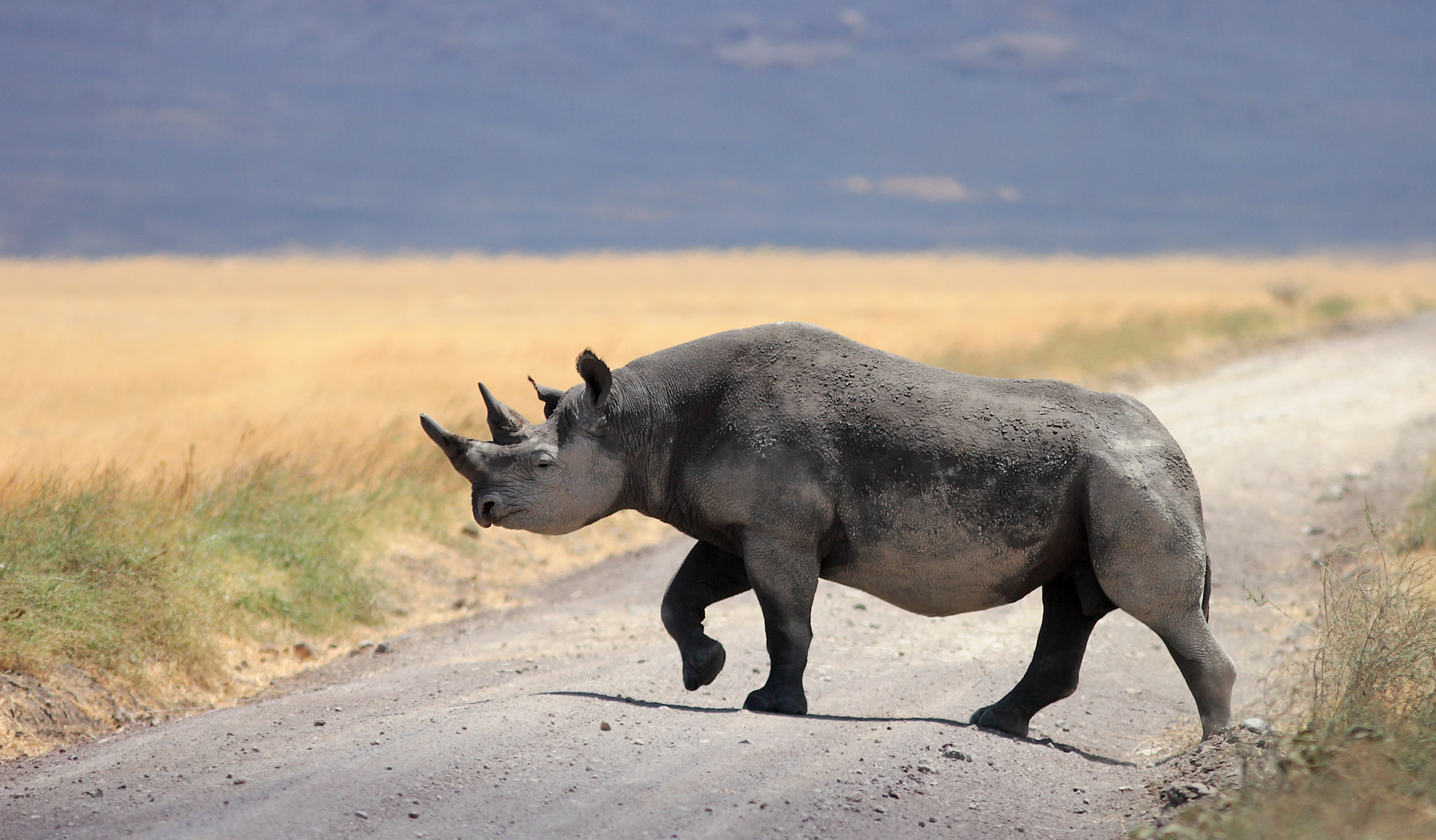
Black rhino
A closely monitored population, most often seen at distance on the open floor in early morning.
Lion
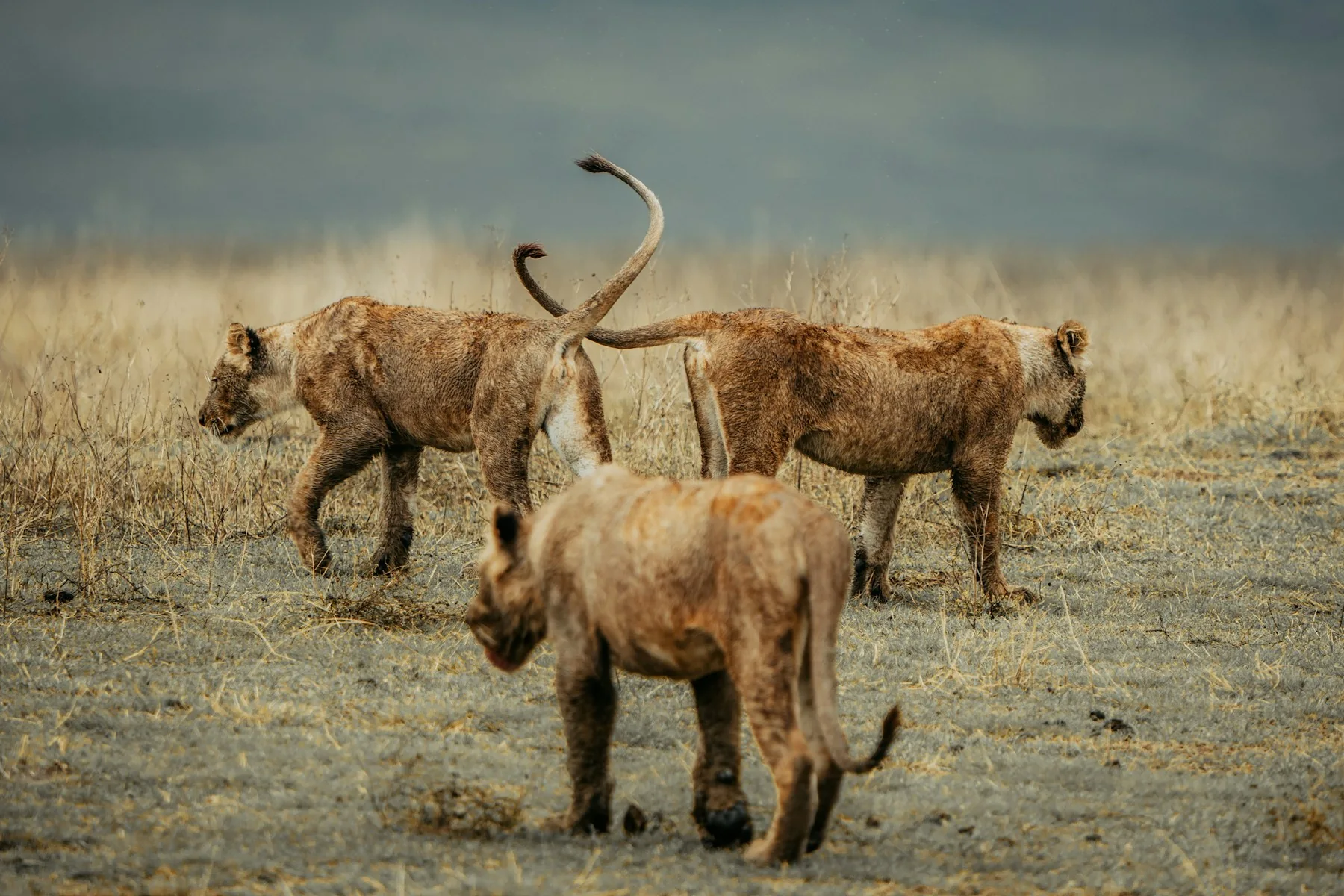
Several well-studied prides hold territory around the swamps and short-grass plains.
African elephant
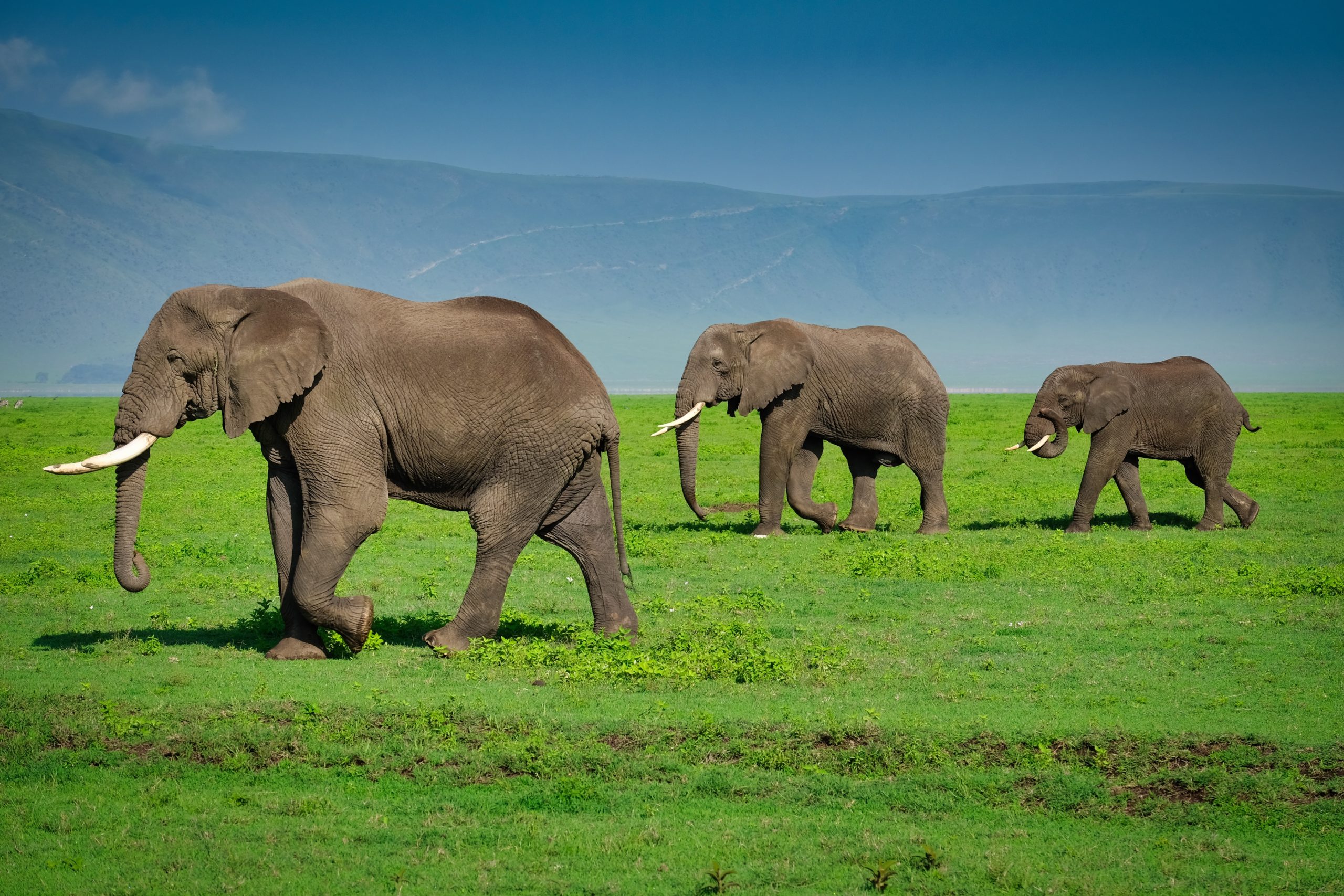
Large bulls with unusually heavy ivory frequent the Lerai fever-tree forest.
Cape buffalo
Big herds on the plains and around Mandusi swamp; solitary old bulls near the forest edge.
Leopard
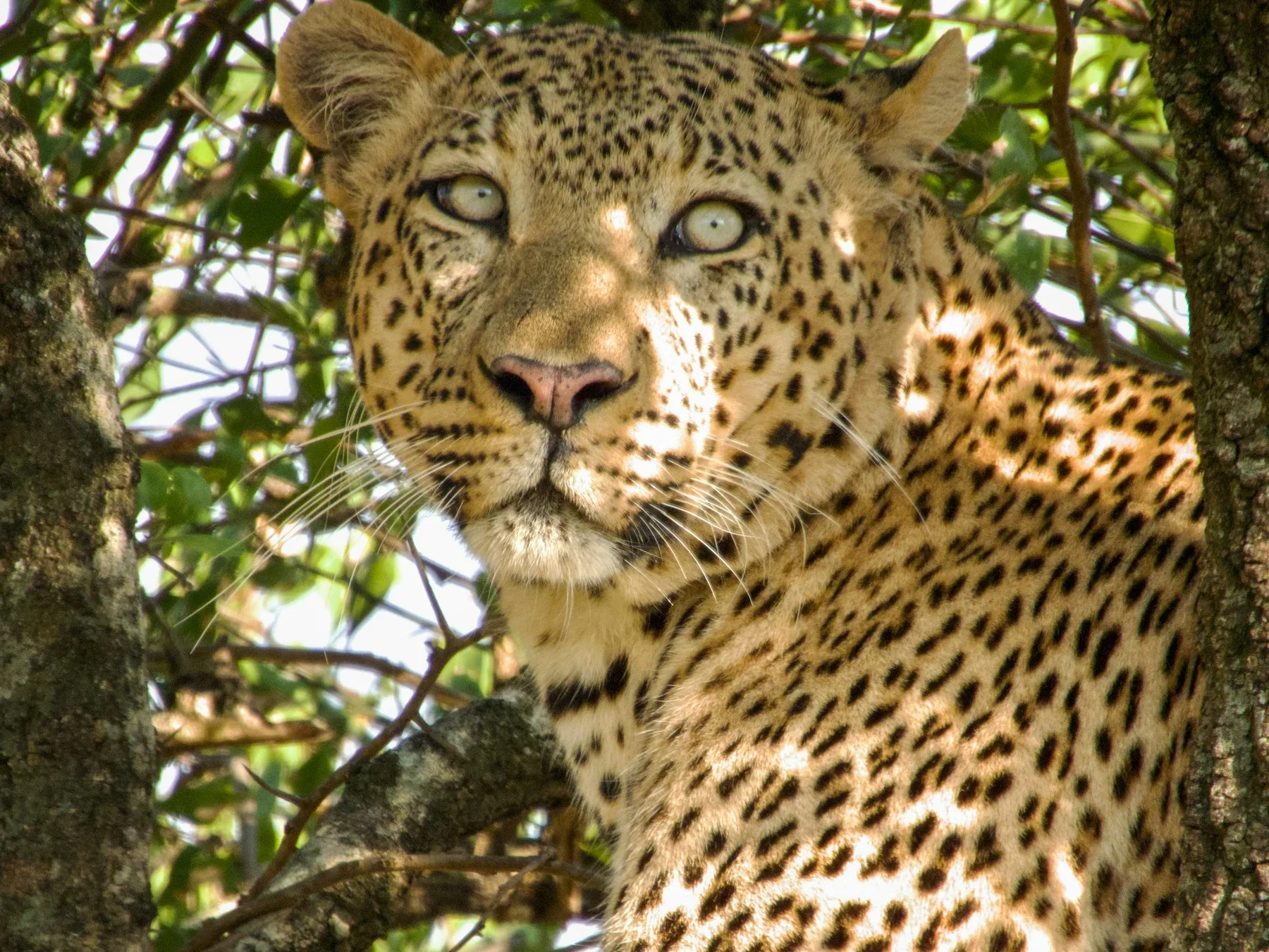
Present in the Lerai Forest and along the descent roads — shy, and a genuine prize.
Spotted hyena
Exceptionally large clans that hunt as often as they scavenge, frequently in daylight.
Cheetah
Occasional, favouring the open eastern plains where they can run.
Serval
Regularly seen hunting rodents in the long grass near the swamps.
Greater and lesser flamingo
Gather on shallow, alkaline Lake Magadi, numbers rising after rain.
Grey crowned crane
Elegant pairs on the marsh edges — Uganda's national bird, common here.
Golden and black-backed jackal
Both species share the crater floor, often near lion kills.
Hippopotamus
Resident pods at Ngoitokitok Springs and the Mandusi swamp.
Experiences in Ngorongoro Conservation Area & Crater.
Cultural Experiences
Community-led visits arranged directly with the families who host them.
Explore →Hiking & Trekking
Crater rims, waterfalls, escarpments and walking safaris — the parts of East Africa a vehicle cannot reach.
Explore →Wildlife Safaris
Private 4x4, professional guide, unhurried days. The classic East African safari, done properly.
Explore →The right time for Ngorongoro Conservation Area & Crater.
Peak: June – October · Excellent green season: January – March
Warm, green and clear between rains; herds calving on the nearby Ndutu plains.
Arguably the finest green-season month — lush, photogenic and less busy than mid-year.
Still green with building afternoon showers; excellent value and quiet mornings.
Long rains. The crater remains passable but roads on the rim can be slippery and cloud sits low.
Rain tapers through the month; landscapes are at their greenest and lodges at their emptiest.
Dry season opens. Cool, clear crater mornings and superb visibility.
Peak season. Cold at dawn on the rim, brilliant on the floor — descend early.
Classic conditions and the busiest month; an early descent is essential.
Dry, golden and slightly quieter than August — one of the best months of the year.
Hot, dry and concentrated around water; superb before the short rains break.
Short rains arrive in bursts. Afternoon storms, dramatic light and thinning crowds.
Green and fresh; the festive fortnight is busy but the rest of the month is a quiet pleasure.
- Altitude
- Crater floor c. 1,700 m; rim c. 2,300 m
- Average temperature
- Floor 16–26°C; rim nights can drop to 5°C
- Dry season
- June – October
- Rainy season
- November (short rains) and March – May (long rains)
Ngorongoro Conservation Area & Crater, in pictures.
Ngorongoro Conservation Area & Crater on the map.
The park and the places around it — nearby destinations, areas and camps we work with.
- Ngorongoro Conservation Area & Crater-3.167°, 35.583°
- Serengeti National ParkNearby destination
- Lake Manyara National ParkNearby destination
- Tarangire National ParkNearby destination
- Lake EyasiNearby destination
- Ngorongoro Lion's PawTented Camp
- Embalakai Ngorongoro CampTented Camp
- Ndutu Misako Tented CampTented Camp
- Ngorongoro Rim LodgeSafari Lodge
Where to stay in Ngorongoro Conservation Area & Crater.
A representative selection — Wildlux hand-picks camps and lodges based on your dates, style and pace.

Ngorongoro Lion's Paw
A luxury tented property in the Ngorongoro Conservation Area with double, twin, family and honeymoon accommodation.
View property →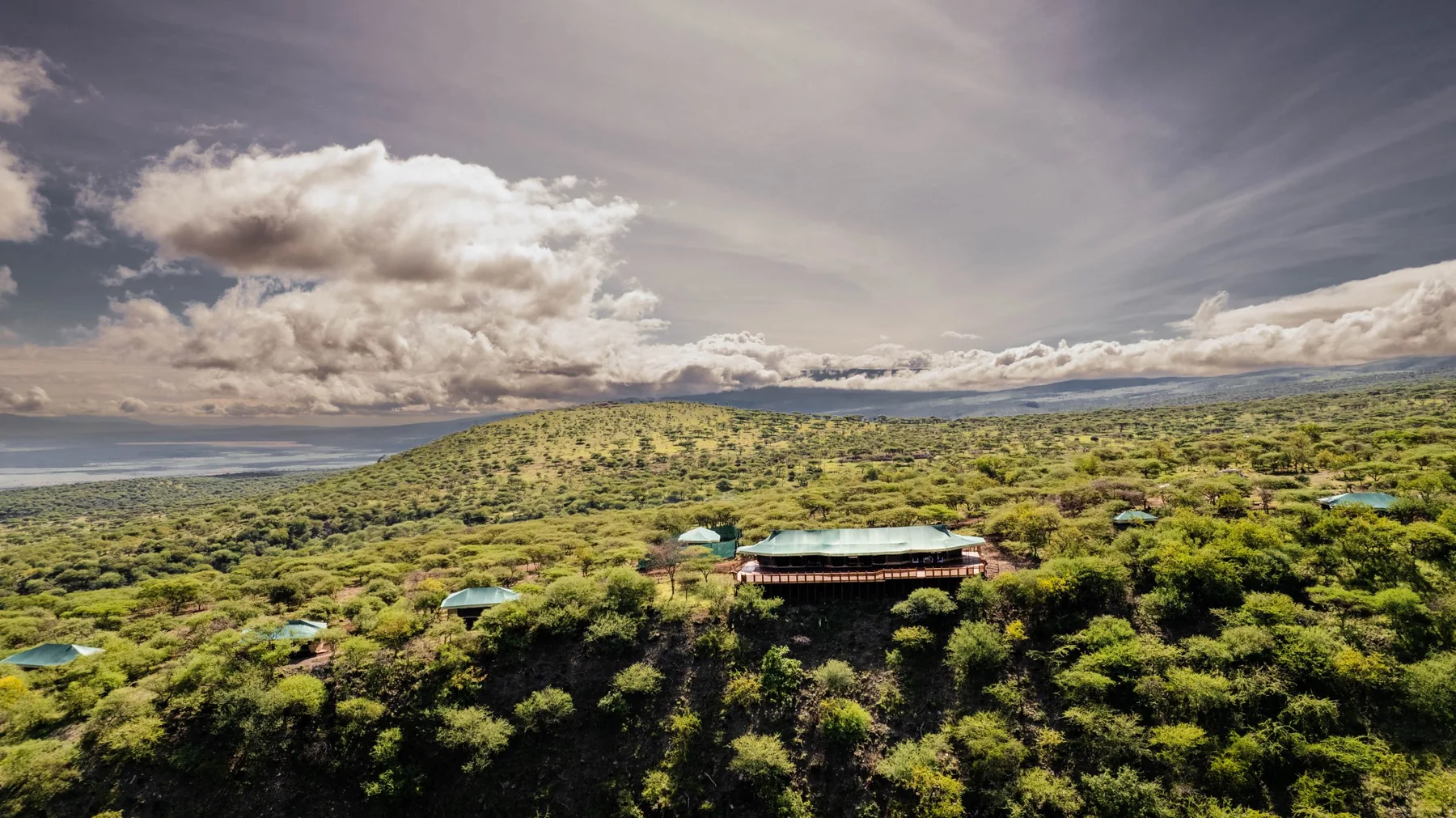
Embalakai Ngorongoro Camp
An intimate tented camp in the Ngorongoro Conservation Area, overlooking acacia country and distant hills.
View property →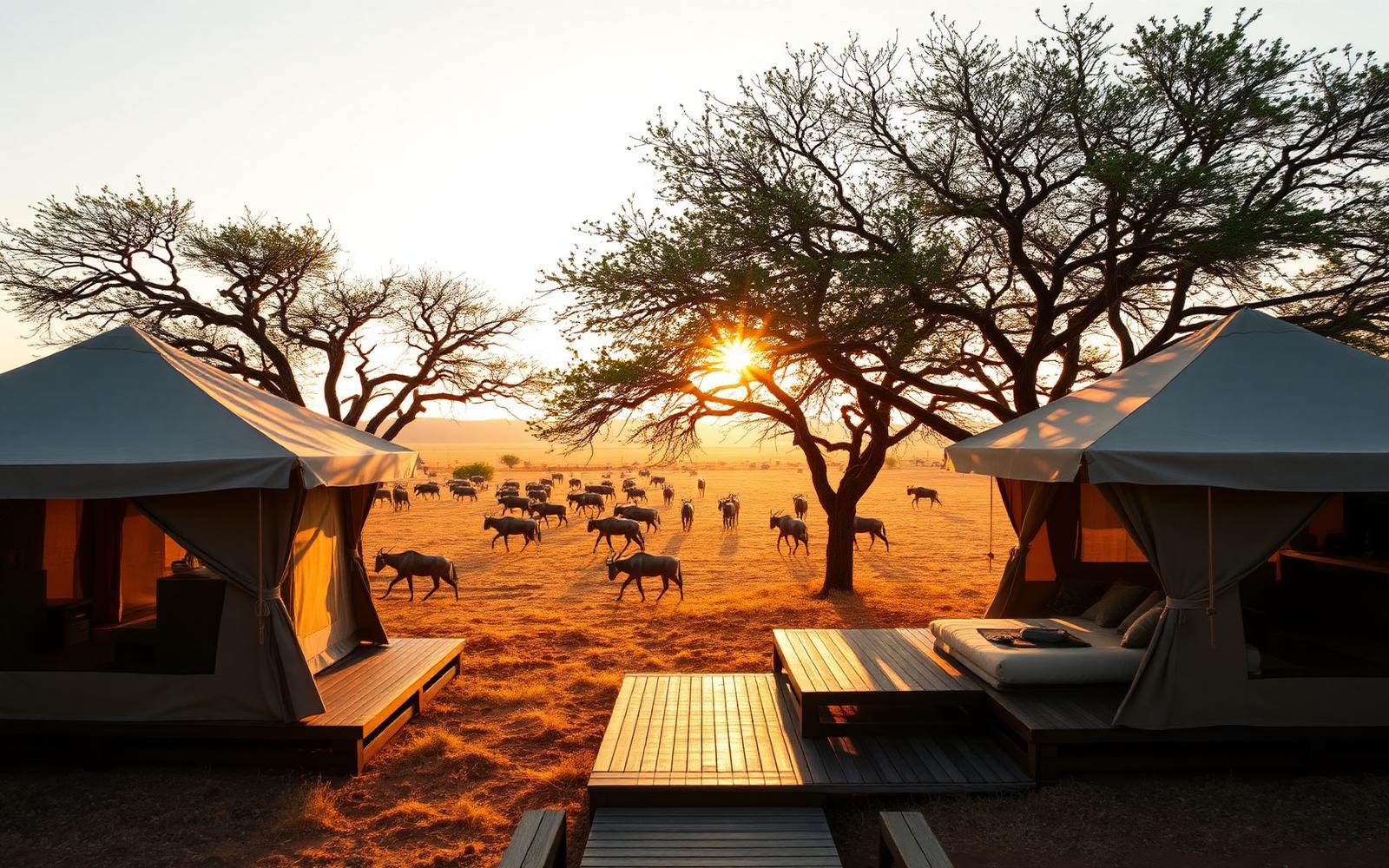
Ndutu Misako Tented Camp
A classic tented camp on the Ndutu short-grass plains, positioned for the green-season calving and the predator activity that follows it.
View property →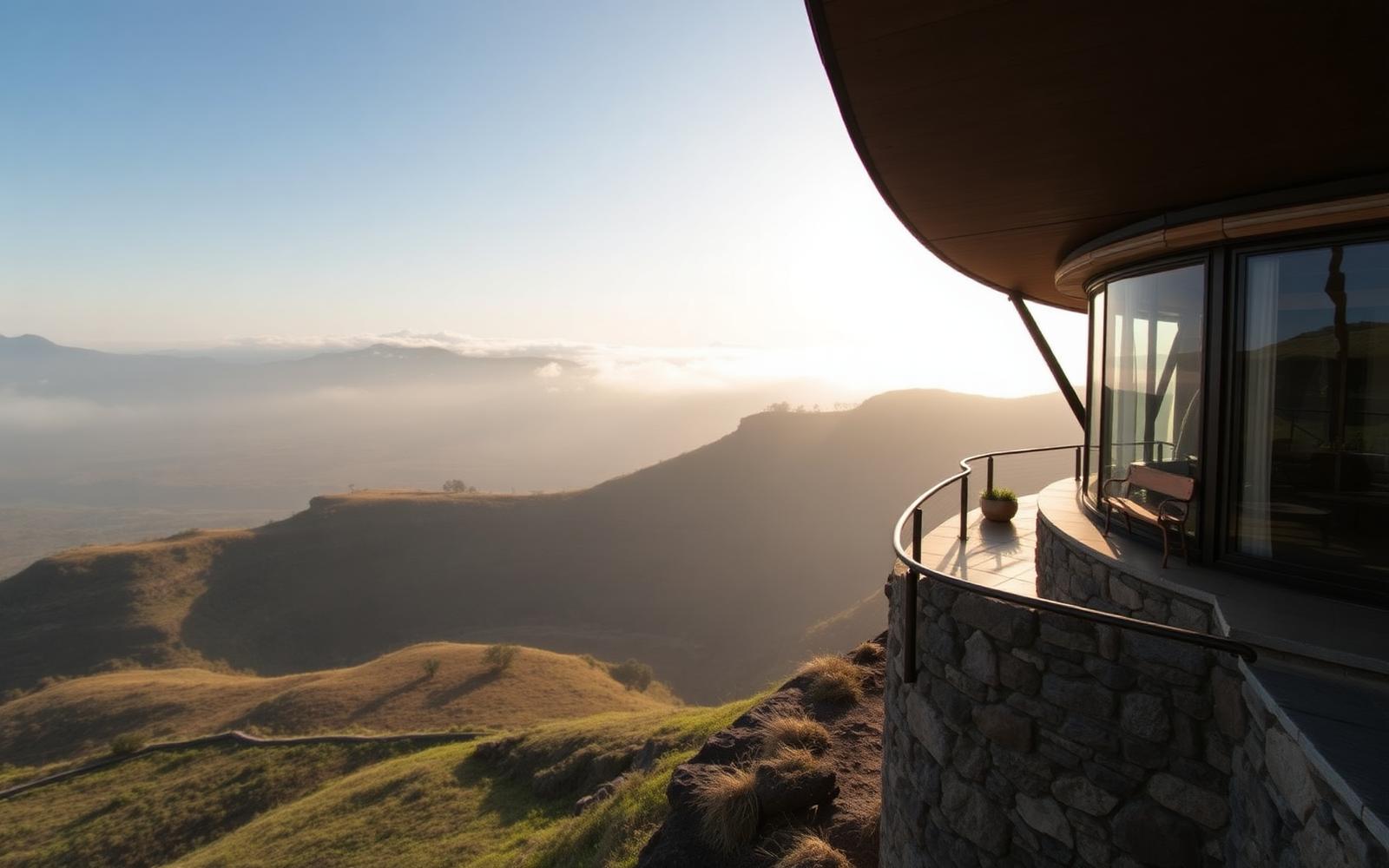
Ngorongoro Rim Lodge
A rim-side lodge above the Ngorongoro Crater with panoramic rooms, fireplaces and a descent road that begins minutes from the door.
View property →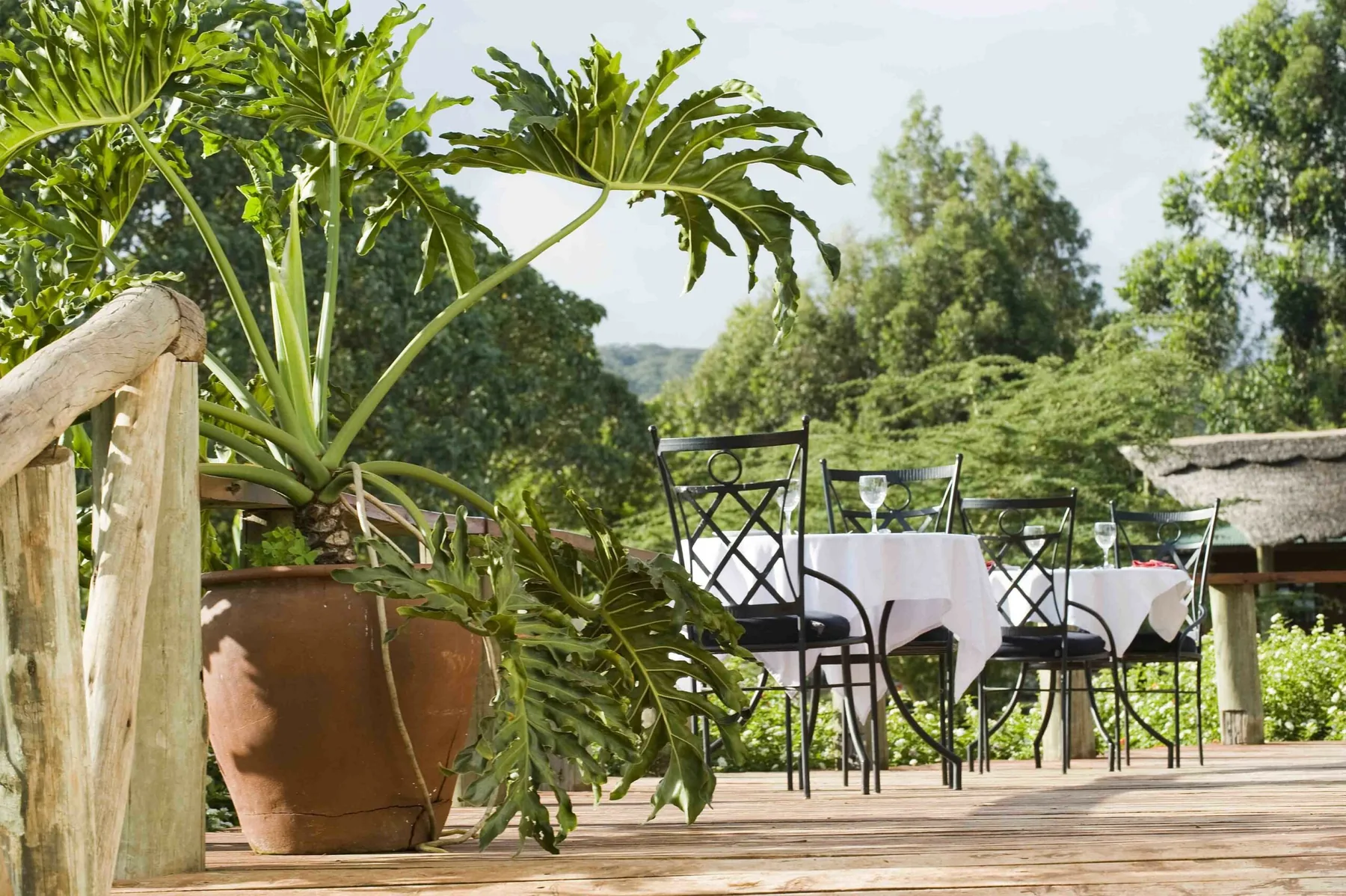
Tloma Lodge
A lodge in the Karatu highlands used between a cultural visit at Mto wa Mbu and the Ngorongoro Crater.
View property →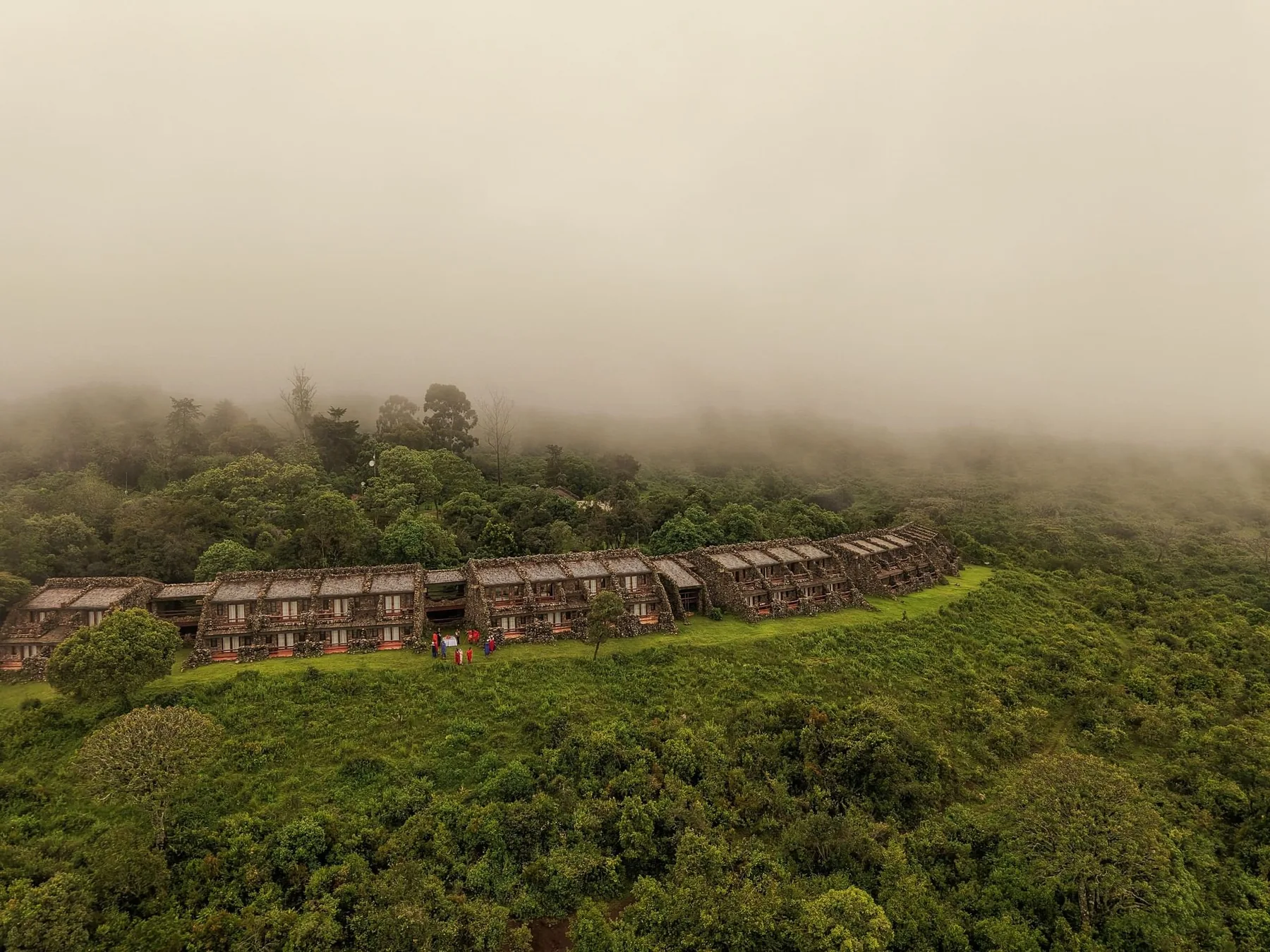
Ngorongoro Serena Safari Lodge
A crater-rim lodge used for the final safari night before an early descent into Ngorongoro.
View property →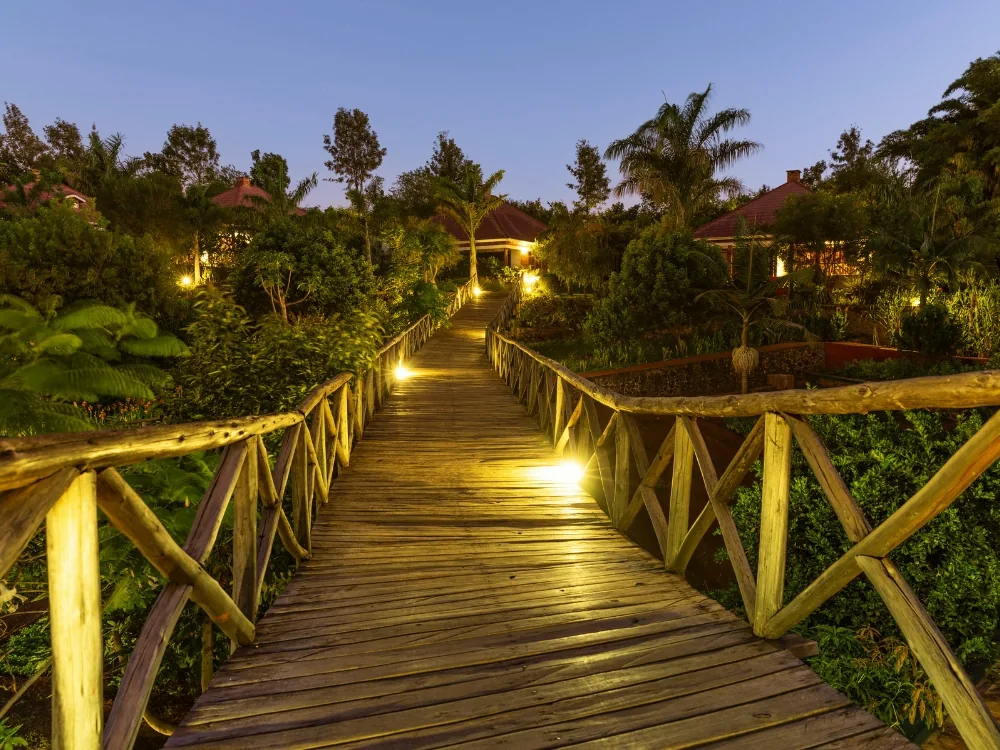
Ngorongoro Marera Mountain View Lodge
A lodge in the Karatu highlands with cottage accommodation, gardens and a swimming pool.
View property →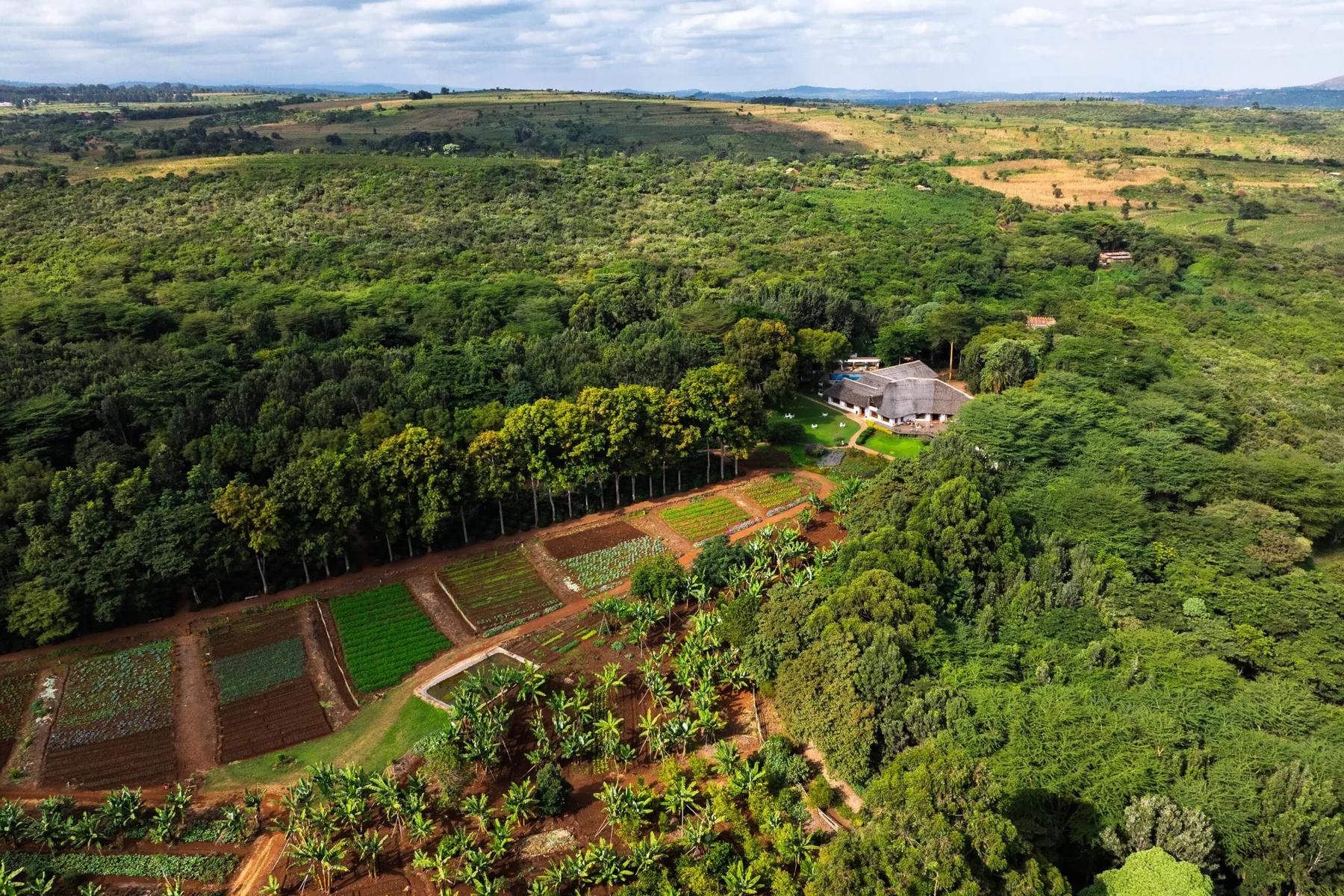
Ngorongoro Farm House
A highland lodge used as a restful stop before or after the Ngorongoro Crater.
View property →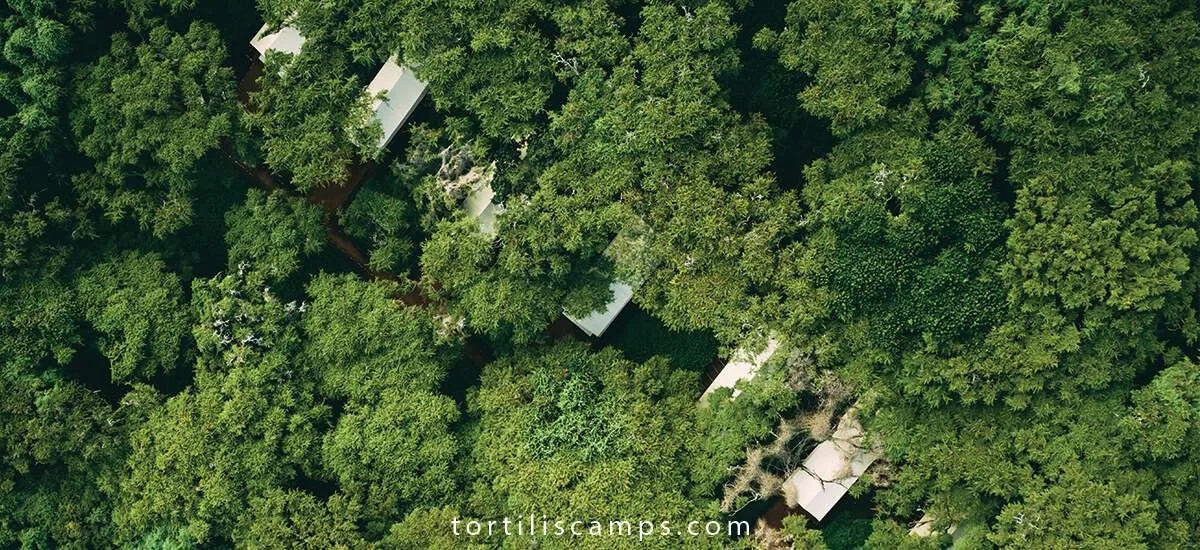
Ngorongoro Tortilis Camp
A tented base in the Ngorongoro Conservation Area for the night before a crater safari.
View property →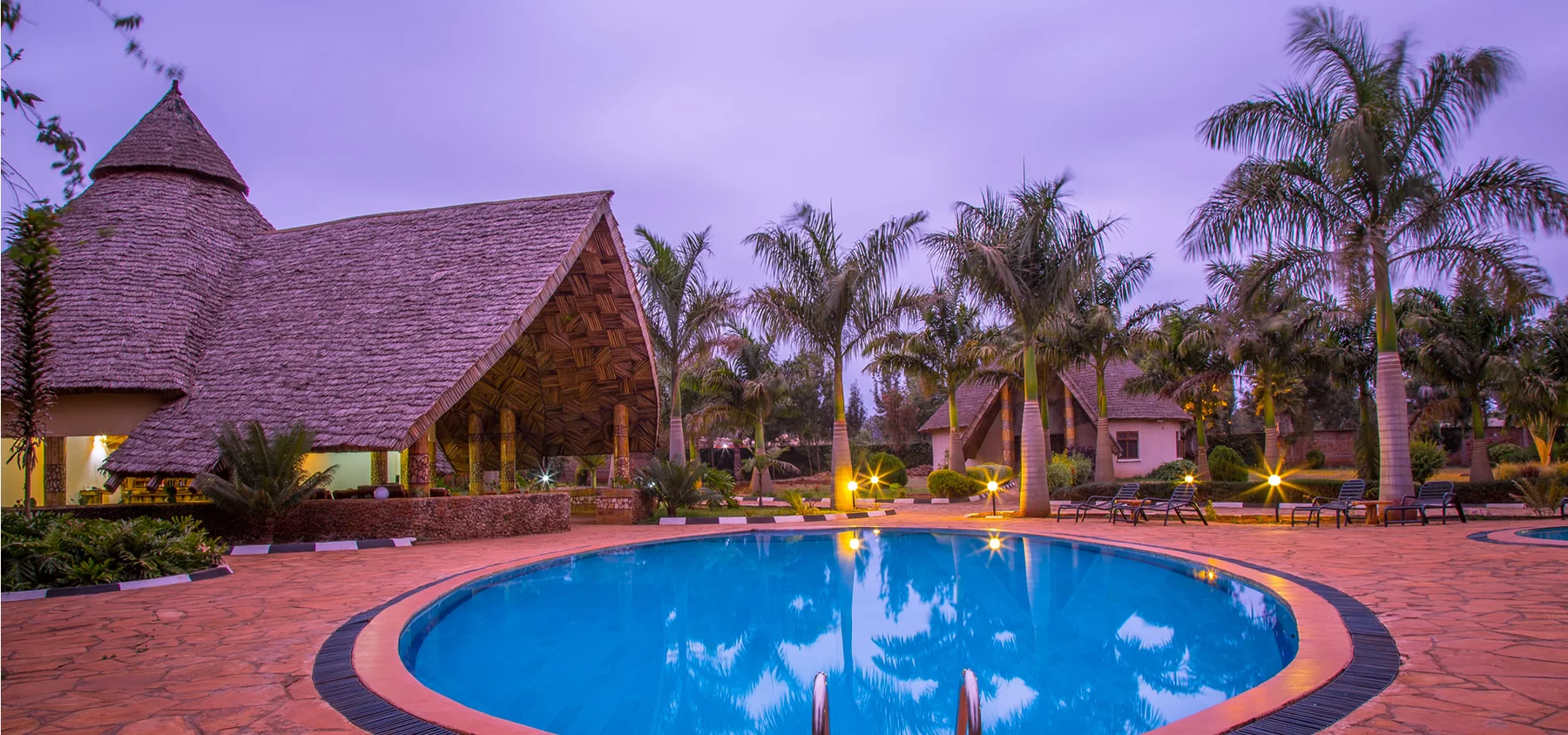
Farm of Dreams Lodge
A Karatu lodge used on the return from the Serengeti before visiting Lake Manyara.
View property →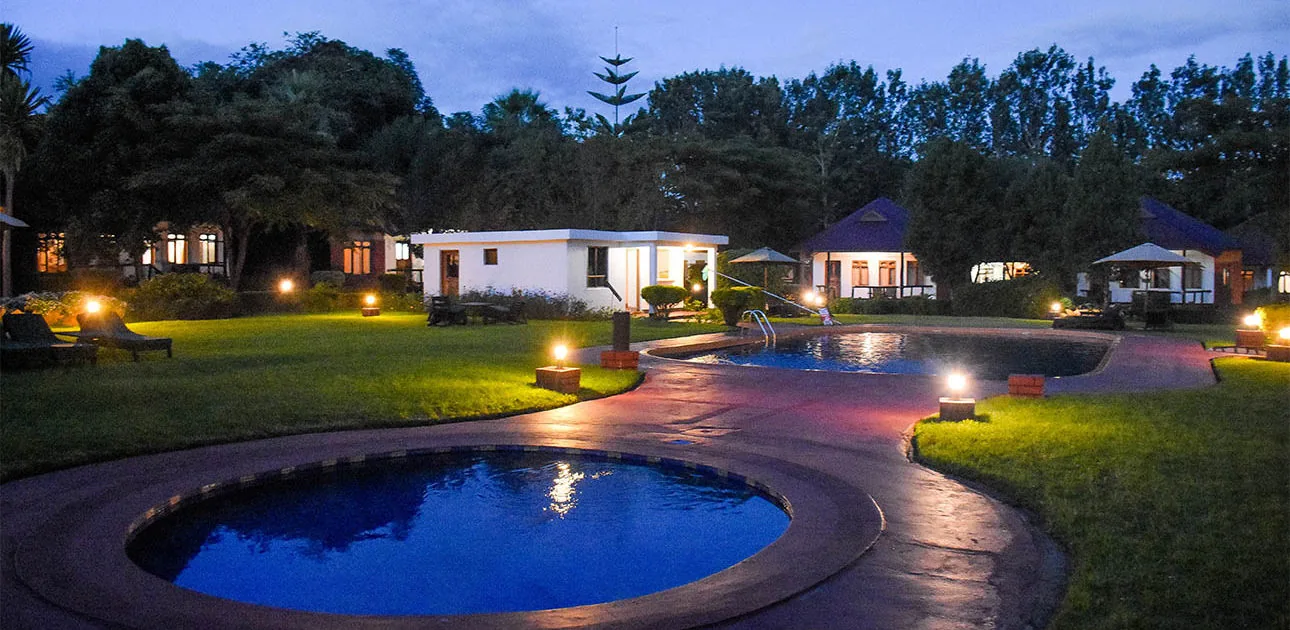
Bougainvillea Safari Lodge
A Karatu lodge used after Tarangire and before an early Ngorongoro Crater visit.
View property →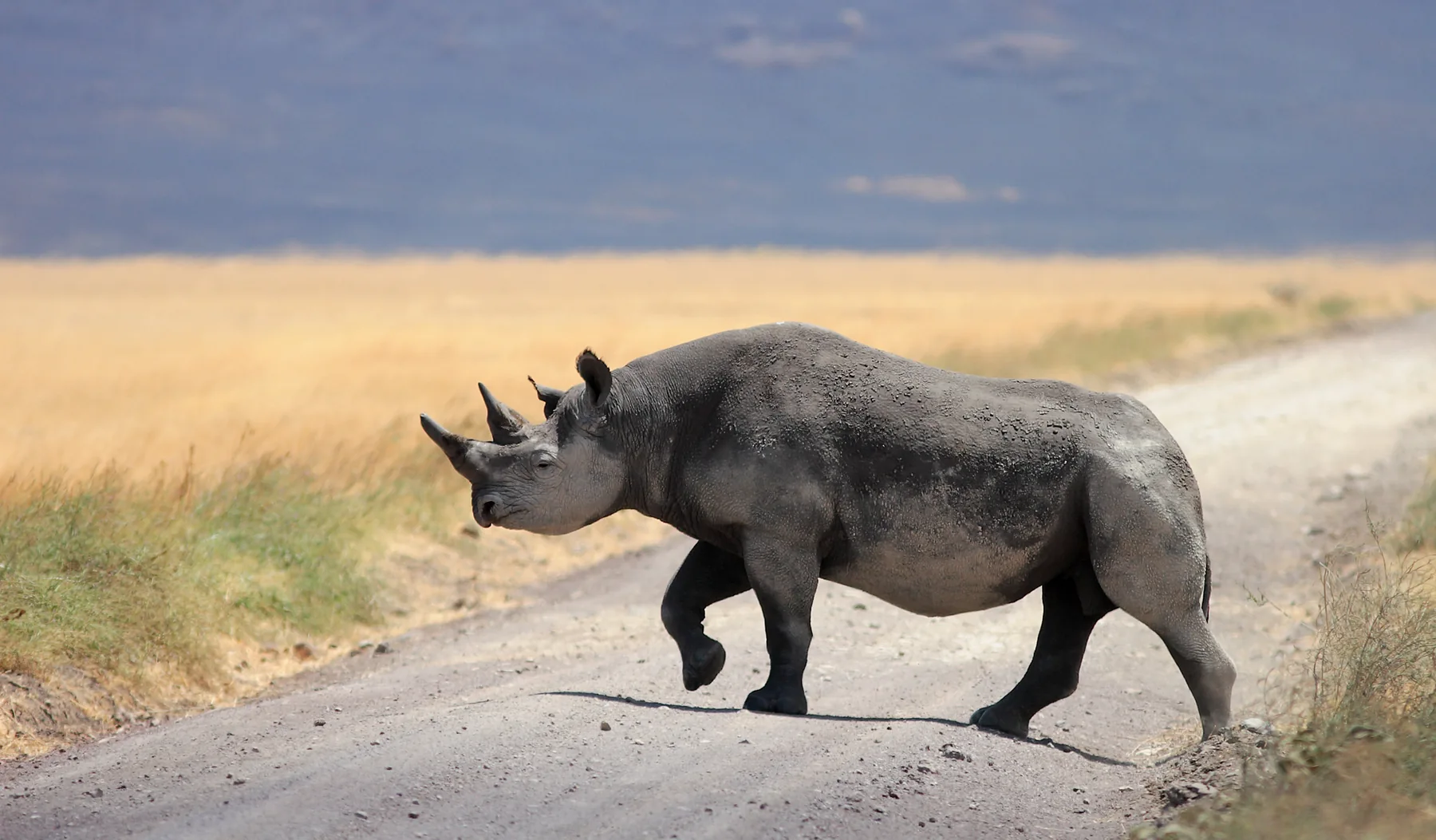
The Plantation Lodge
A garden lodge in the Karatu highlands, outside the Ngorongoro Conservation Area.
View property →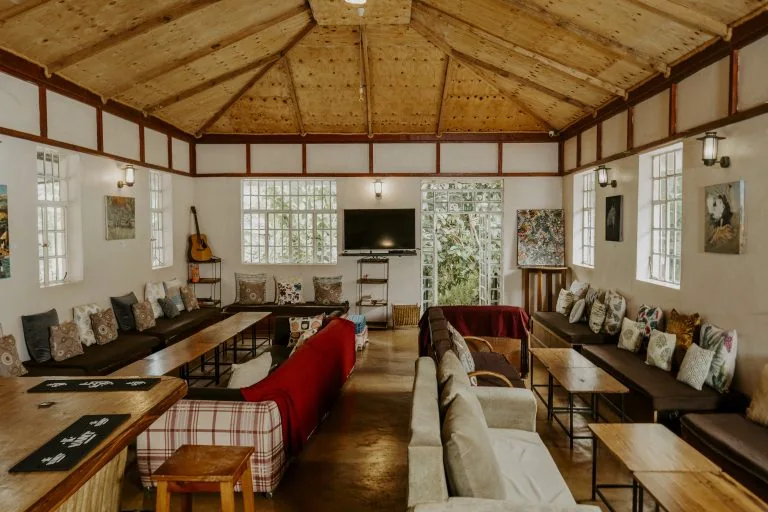
Eileen’s Trees Inn
A garden lodge in Karatu that provides a comfortable highland stop between Tarangire and Ngorongoro.
View property →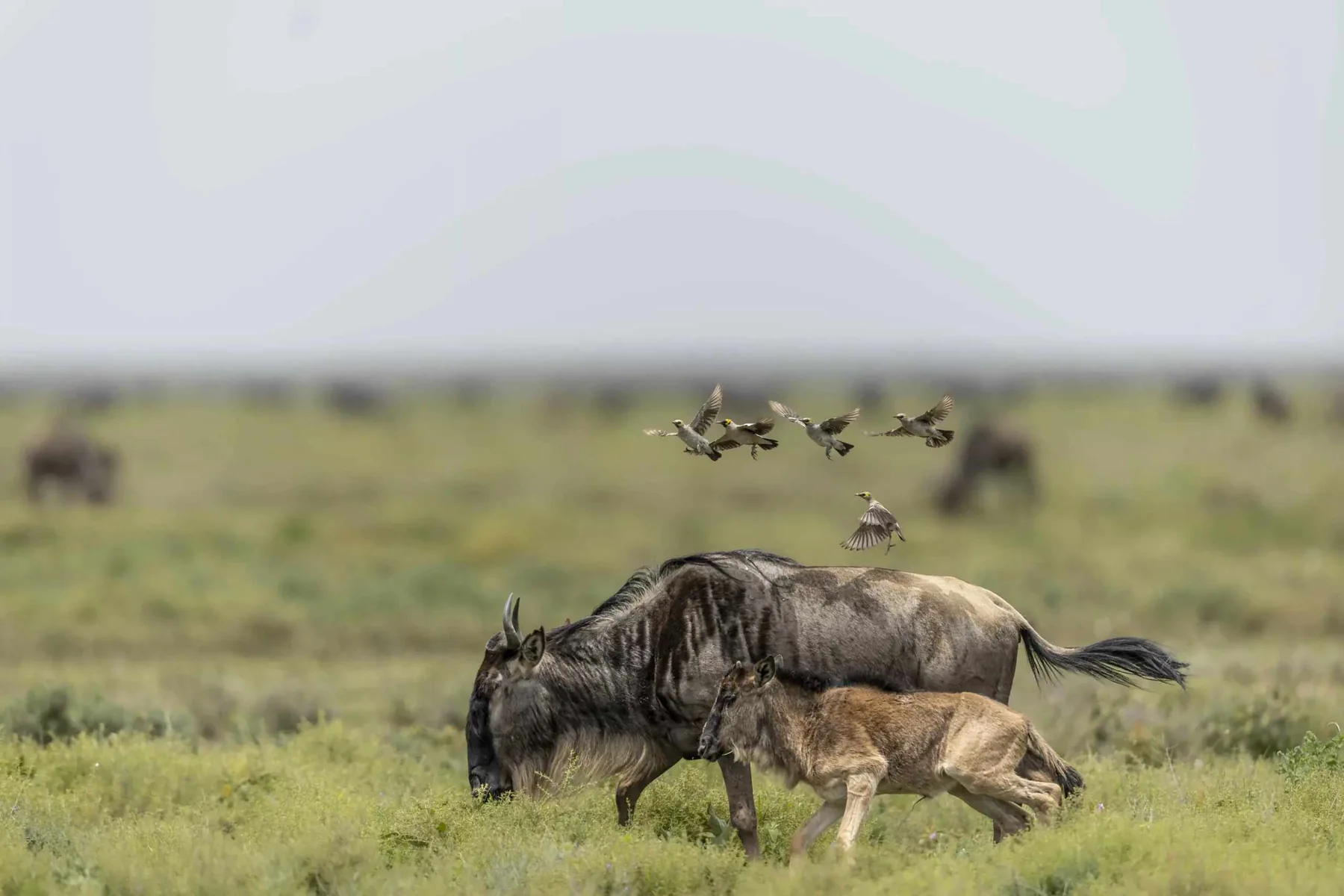
Pamoja Migration Camp — Ndutu
A seasonal migration camp proposed for the Ndutu portion of the safari.
View property →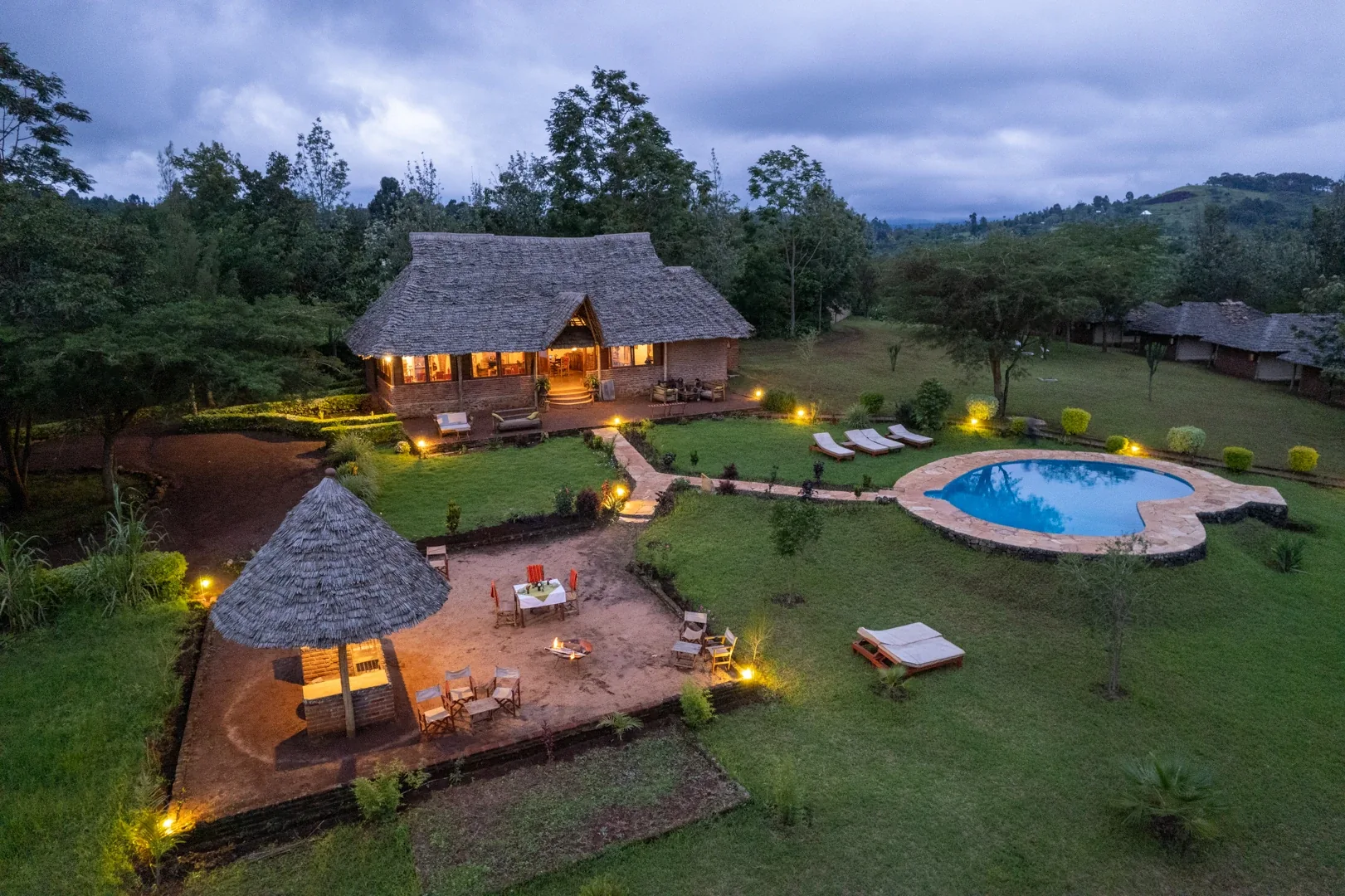
Karatu Tented Lodge
A Mawe Lodges property in the Rhotia Valley near Karatu, with tented cottage accommodation and garden spaces.
View property →Journeys featuring Ngorongoro Conservation Area & Crater.
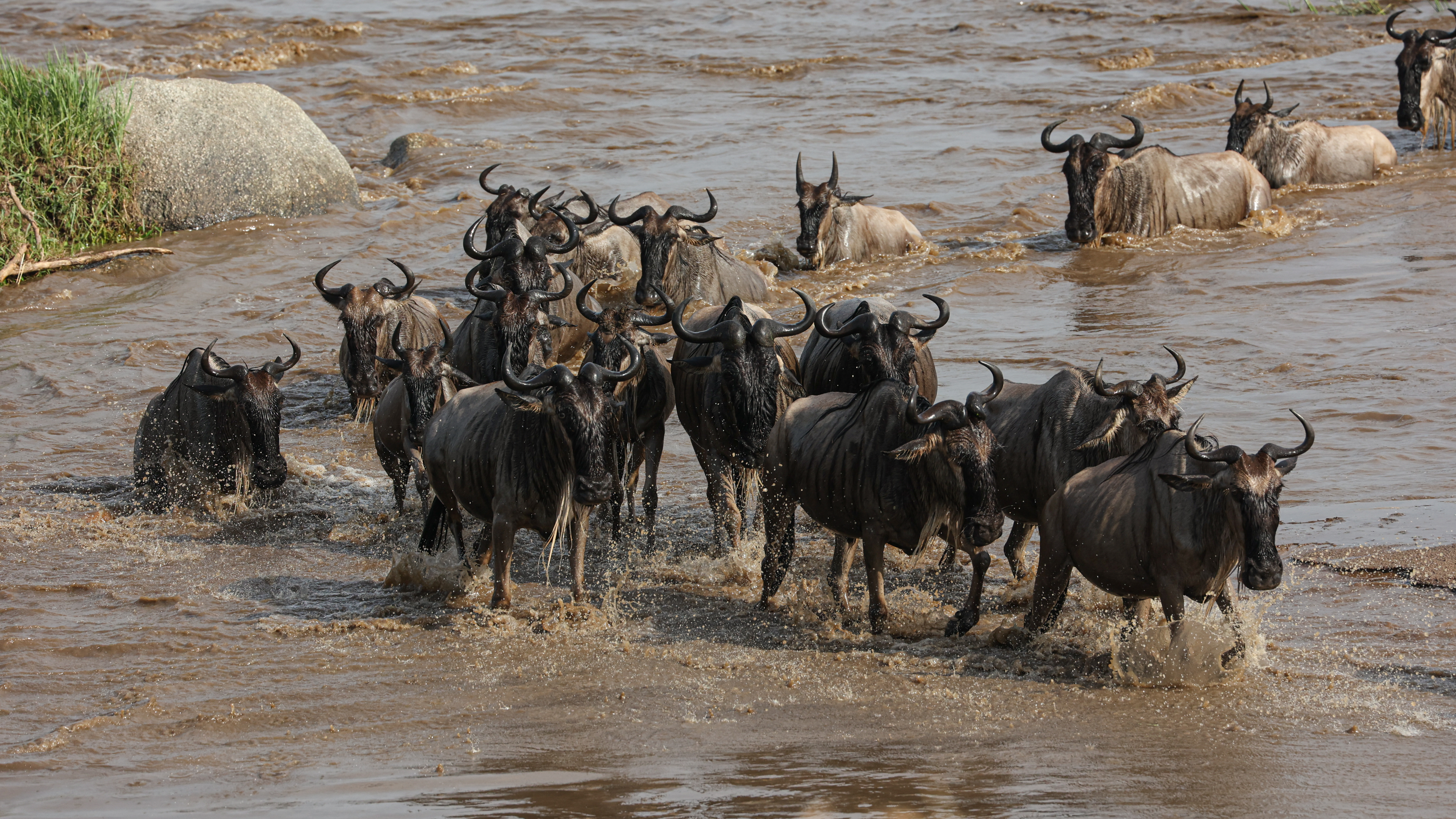
8-Day Luxury Grumeti Migration & Fly-Out Safari
Discover northern Tanzania on a private safari that brings together Tarangire's baobab landscapes, the wildlife-rich Ngorongoro Crater and four nights in the Serengeti.
The East Africa Classic
Five landscapes across Kenya and Tanzania on one private safari.
The Tanzania Classic
Three legendary landscapes. One unforgettable introduction to Tanzania.
4-Day Serengeti & Crater Escape
Two Serengeti nights and a Ngorongoro Crater finale in a compact private safari.
6-Day Baobabs, Plains & Crater
Tarangire, two Serengeti nights and Ngorongoro, with comfortable lodge and tented stays.
6-Day Tanzania Tented Trails
A private tented safari through Tarangire, the central Serengeti and Ngorongoro.
Combine Ngorongoro Conservation Area & Crater with…
Serengeti National Park
The endless plains.
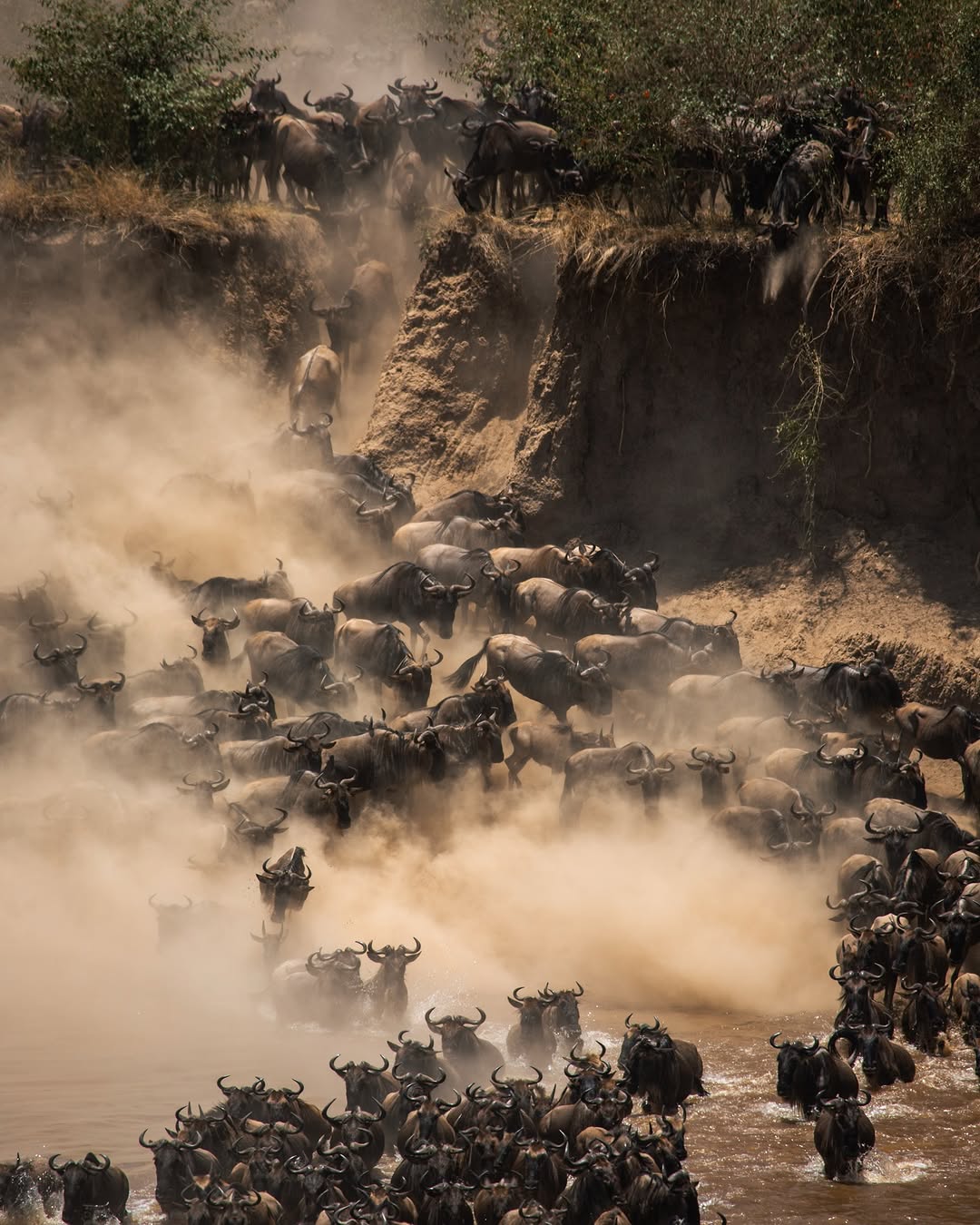
Fourteen thousand square kilometres of grassland, kopjes and riverine forest carrying the largest land migration on earth — and, outside the migration, the densest population of big cats in Africa.

Lake Manyara National Park
Small park, extraordinary variety.
A compact park of astonishing range — spring-fed forest, open floodplain and a shallow alkaline lake beneath the 600-metre wall of the Great Rift Valley, famous for tree-climbing lions, elephants and flamingo.
Tarangire National Park
Elephant country, written in baobab.
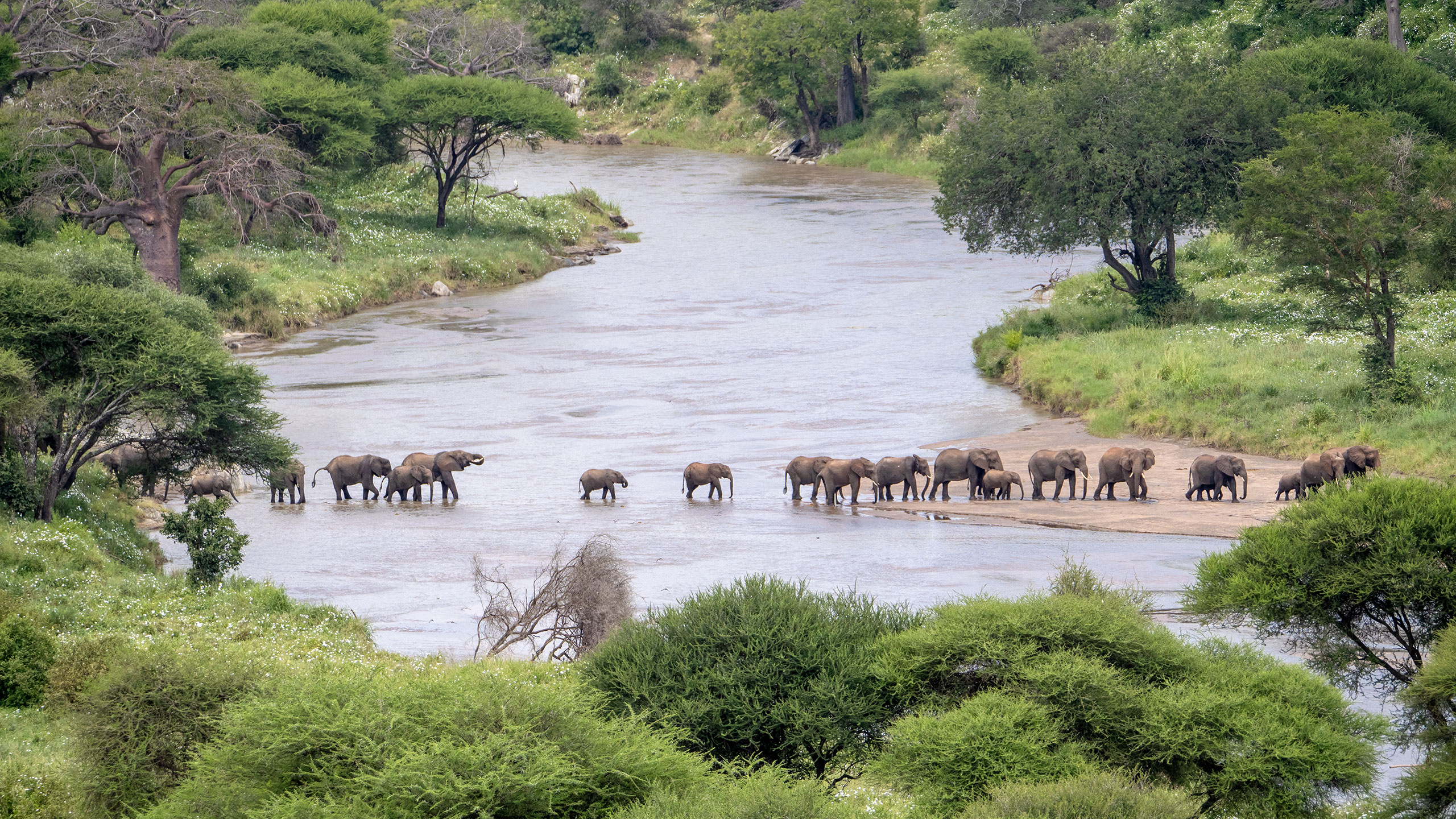
A baobab-studded valley along the Tarangire River, drawing Tanzania's largest dry-season elephant concentrations between June and October.
Lake Eyasi
Tanzania's most humbling half day.
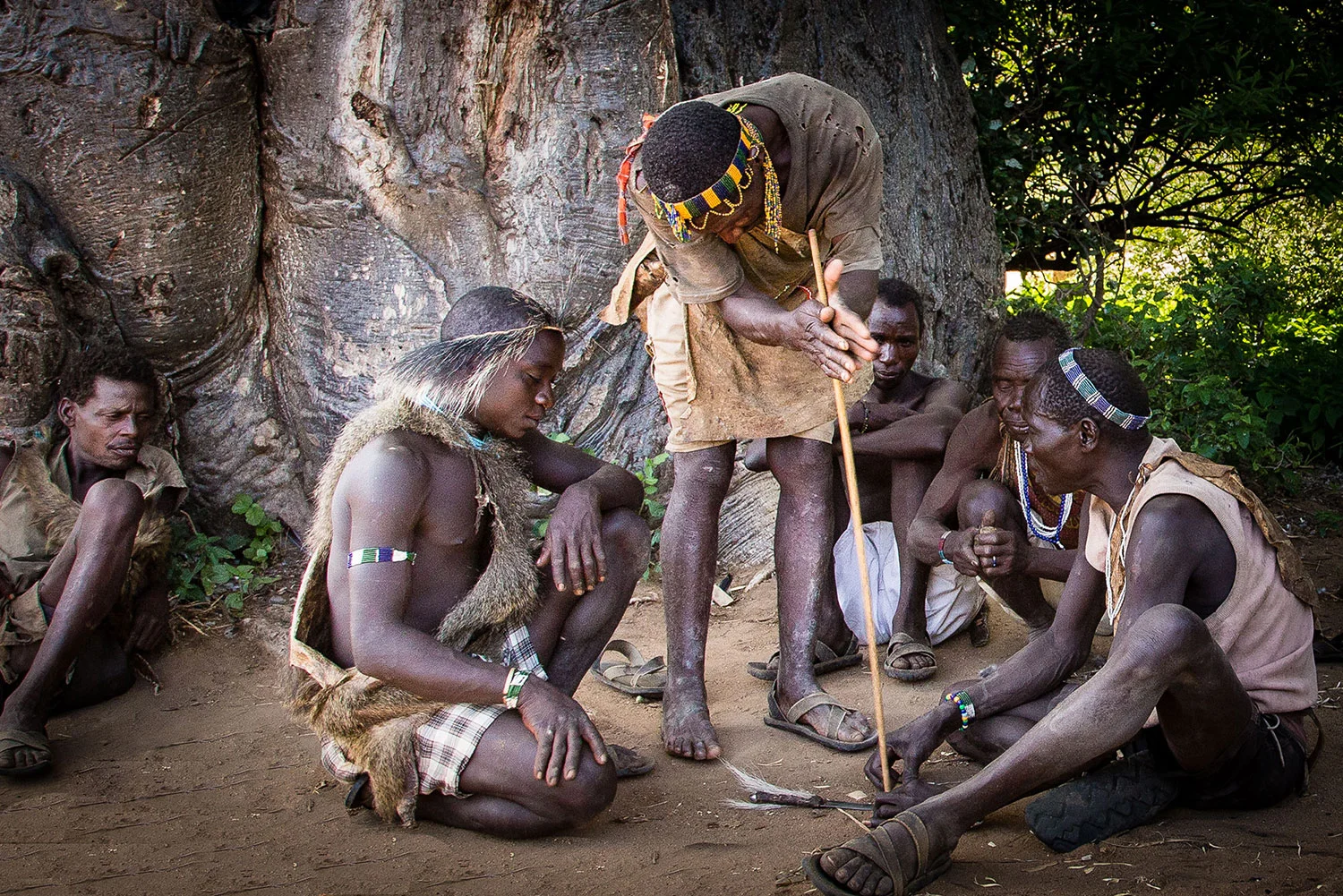
A shallow seasonal soda lake beneath the Ngorongoro highlands, and home to the Hadzabe — one of the last hunter-gatherer societies on earth — alongside the Datoga pastoralists and blacksmiths.
Planning your visit.
Practical guidance from our on-the-ground team, tailored to this destination.
Packing
Layers matter more here than anywhere in northern Tanzania. Rim mornings can be 5°C and the crater floor 26°C by midday — a fleece, a windproof jacket, a warm hat for early descents, plus sunscreen, a brimmed hat and neutral daytime colours.
Health
The rim sits above 2,200 m, so altitude may make sleep lighter on the first night; drink plenty of water. Malaria risk on the rim is low but present at lower elevations — take prophylaxis as advised by your doctor and bring repellent for evenings.
Safety
Never leave your vehicle on the crater floor except at designated picnic sites, and keep windows closed near the Ngoitokitok Springs where black kites and baboons are practised thieves. Follow your guide without exception around buffalo and elephant.
Photography
Bring a 400mm or longer lens for rhino and a wide lens for crater-wall context. Off-road driving is prohibited, so a beanbag or window mount is more useful than a tripod. Drones are not permitted anywhere in the Conservation Area.
Connectivity
Mobile coverage is patchy on the rim and largely absent on the crater floor. Most lodges provide Wi-Fi in public areas; treat the crater day itself as offline.
Family advice
Excellent for families — short drive distances, near-guaranteed sightings and no walking requirement. Cool nights mean warm pyjamas; a private vehicle is worth it so you can set your own pace and return early.
Responsible tourism
Stay on designated tracks, never pressure a guide to approach rhino, decline roadside 'cultural' photo stops in favour of visits arranged through community partnerships, and take every scrap of litter out with you.
Frequently asked.
How many days should I spend at Ngorongoro Crater?
Two nights on or near the rim is our recommended minimum: one full crater day and one day in the quieter highlands. Three nights allows Empakaai or Olmoti, Olduvai Gorge and a proper cultural morning.
Can you really see the Big Five in one day at Ngorongoro?
It is genuinely possible and happens regularly, which is rare in Africa. Lion, elephant and buffalo are near-certain; leopard and black rhino depend on luck and an early start.
Is Ngorongoro Crater worth it despite the crowds?
Yes — but timing decides your experience. Descend at first light before the day-trippers arrive from Arusha, stay two nights rather than one, and balance the crater with the empty highlands.
What is the best time of year to visit Ngorongoro Crater?
June to October offers dry, clear conditions and the highest visitor numbers. January to March is green, photogenic and quieter, and coincides with the wildebeest calving season on the nearby Ndutu plains.
How long can you stay on the crater floor?
Crater descent permits currently allow a six-hour visit, which is why an early descent matters. Most guests spend the rest of the day in the highlands or travelling on.
Are there black rhino in Ngorongoro Crater?
Yes. The crater holds a small, intensively protected black rhino population and is the most reliable place to see them in northern Tanzania, though sightings are usually at distance.
Can you do walking safaris in Ngorongoro Crater?
Not on the crater floor itself. Guided walking is offered elsewhere in the Conservation Area — the Empakaai and Olmoti craters and the highland ridges are excellent for walking with an armed ranger.
Is Ngorongoro suitable for children?
Very. Drives are short, sightings are dependable and no walking is required. Bring warm layers for cold rim mornings and consider a private vehicle so you can control the pace.
How cold does it get at Ngorongoro?
The rim sits above 2,200 metres and can drop to around 5°C before dawn, while the crater floor warms to the mid-twenties by midday. Layers are essential.
Can I fly a drone at Ngorongoro Crater?
No. Drone use is prohibited throughout the Ngorongoro Conservation Area without formal written authorisation, which is very rarely granted to visitors.
How do I combine Ngorongoro with the Serengeti?
They pair naturally. The drive north-west crosses the Ndutu plains and becomes a game drive in itself during calving season; alternatively fly from Manyara or Lake Ndutu airstrips to save a day.
Do Maasai still live in the Ngorongoro Conservation Area?
Yes. Ngorongoro is one of the few protected areas in the world managed for people and wildlife together, and Maasai families hold grazing rights across the highlands.
Is there malaria at Ngorongoro?
Risk is low at rim altitude but present at lower elevations you will pass through. Follow your doctor's advice on prophylaxis and use repellent in the evenings.
What does it cost to visit Ngorongoro Crater?
Conservation Area entry and a separate crater descent fee apply, and rates are revised annually. Wildlux quotes all park and crater fees transparently within your tailor-made itinerary.
Related reading.
Guides that pair well with a journey to this destination.
Ready to experience Ngorongoro Conservation Area & Crater?
Tell us what draws you here and we'll shape a private journey around the places, experiences and pace that matter to you.