
Maasai Mara National Reserve
“The Mara is small enough to know and rich enough that you never quite do.”
Rolling grassland on the Kenyan side of the Serengeti ecosystem, holding one of Africa's strongest lion populations and the Mara River crossings from July to October.
About the Maasai Mara.
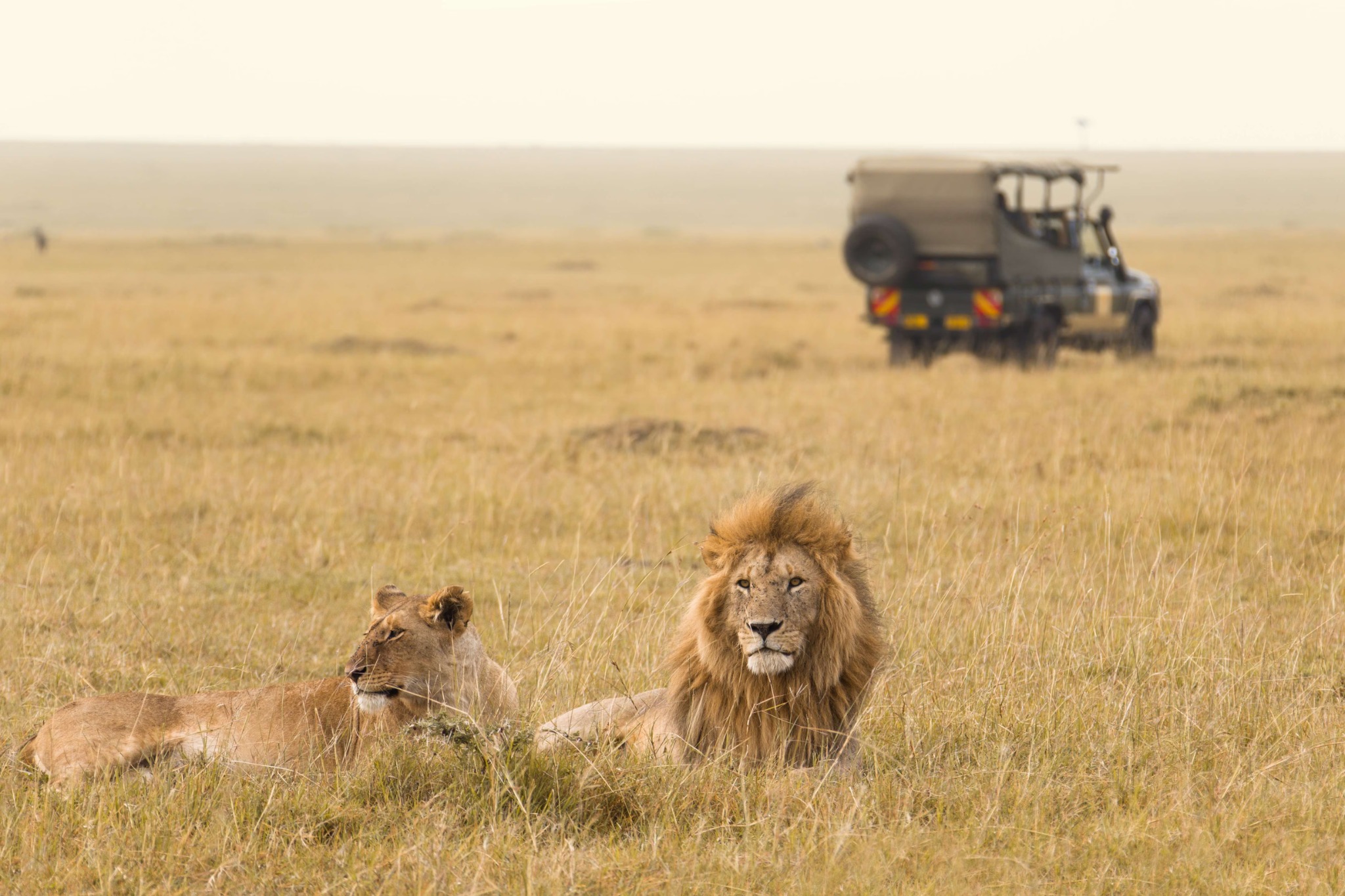
The Maasai Mara National Reserve covers around 1,510 square kilometres of rolling grassland, riverine forest and acacia stands in south-western Kenya. It is the northern end of the same ecosystem as the Serengeti, and the Mara River runs through it — which is why the reserve carries both the famous river crossings and, year-round, one of the highest predator densities on the continent.
What makes the Mara different from the Serengeti is compression. Distances are short, game is dense, and a single morning drive can produce lion, cheetah, elephant, buffalo and a leopard without covering thirty kilometres. Between July and October the wildebeest arrive from Tanzania and the reserve fills with several hundred thousand animals, along with the crocodiles and predators that follow them.
The surrounding conservancies — Mara North, Naboisho, Olare Motorogi, Ol Kinyei and others — are leased from Maasai landowners and cap vehicle numbers per bed. Conservancies can offer activities such as night drives, guided walks and more flexible game-viewing arrangements that are generally more restricted within the main reserve. For most guests the strongest itinerary combines two or three nights in a conservancy with two in the reserve during crossing season.
The Mara is also Maasai land, and the cultural dimension is genuine rather than decorative. Livestock, grazing agreements and conservancy revenue are part of how this landscape still holds wildlife at all.
Maasai Mara National Reserve, in short.
The essentials our specialists check first when shaping a private itinerary.
Good to know.
- Location
- South-western Kenya, bordering the Serengeti across the Tanzanian frontier.
- Reserve size
- c. 1,510 km², plus surrounding community conservancies.
- Getting there
- 45-minute scheduled flight from Nairobi Wilson to one of several airstrips, or 5 to 6 hours by road.
- Best time
- July to October for crossings; January and February for cats in dry, clear conditions.
- Minimum stay
- Three nights; four or five to combine a conservancy with the reserve.
- Responsible tourism
- Conservancy fees pay Maasai landowners directly. Insist on respectful distances at crossings and never off-road inside the national reserve.
Why visit Maasai Mara National Reserve?
Mara River crossings
Herds crossing at traditional points between roughly July and October, with crocodile waiting below.
Lion at extraordinary density
Multiple established prides, including some of the most studied lions in Africa.
Cheetah on the open plains
Short grass and low cover make the Mara one of the best cheetah destinations anywhere.
Conservancy privilege
Night drives, off-road access and walking safaris, with capped vehicle numbers per bed.
Balloon safaris at dawn
An hour over the plains at first light, finishing with breakfast in the grass.
Maasai community visits
Village and cultural visits arranged with the communities that own the surrounding land.
Short travel time
A 45-minute flight from Nairobi, which makes even a three-night trip worthwhile.
Species you may encounter.
Wildlife commonly associated with the region. Sightings are always wild and never guaranteed.
Lion
Very high density, with large prides holding territory along the rivers and open plains.
Cheetah
Regularly seen hunting on the short grass, particularly in the conservancies.
Leopard
Resident along the Mara and Talek riverine forest; conservancy night drives improve the odds.
Wildebeest
Several hundred thousand arriving from the Serengeti between July and October.
African elephant
Resident family herds throughout the reserve and conservancies, year-round.
Black rhino
A small resident population; sightings are uncommon and never guaranteed.
Spotted hyena
Large clans, superbly visible at dawn and on conservancy night drives.
Nile crocodile
Large individuals at the traditional crossing points on the Mara River.
Masai giraffe and topi
Abundant plains game; the Mara holds one of the largest topi populations in Africa.
Experiences in Maasai Mara National Reserve.
The right time for Maasai Mara National Reserve.
Crossings: July – October · Big cats and clear skies: January – February · Value and solitude: April – May
Dry, clear and green after the short rains; outstanding cat viewing with modest visitor numbers.
Hot and dry with excellent visibility and predator activity.
Long rains begin; lush, quiet and good value.
Wettest month. Some camps close; those open are very quiet and inexpensive.
Rain easing, grass long, landscapes at their greenest.
Drying out; first herds may appear from the south late in the month.
Herds arrive and crossings begin; the season starts in earnest.
Peak migration and peak demand — book well ahead.
Crossings continue with slightly fewer visitors than August.
Herds begin returning south; still excellent game viewing.
Short rains; the reserve empties out and rates fall.
Green, warm and good for resident game; festive period books early.
- Altitude
- c. 1,500 – 2,170 m
- Average temperature
- 12 – 27°C; cool mornings and evenings year-round
- Dry season
- June – October and January – February
- Rainy season
- November – December (short rains) and March – May (long rains)
Maasai Mara National Reserve on the map.
The park and the places around it — nearby destinations, areas and camps we work with.
Journeys featuring Maasai Mara National Reserve.
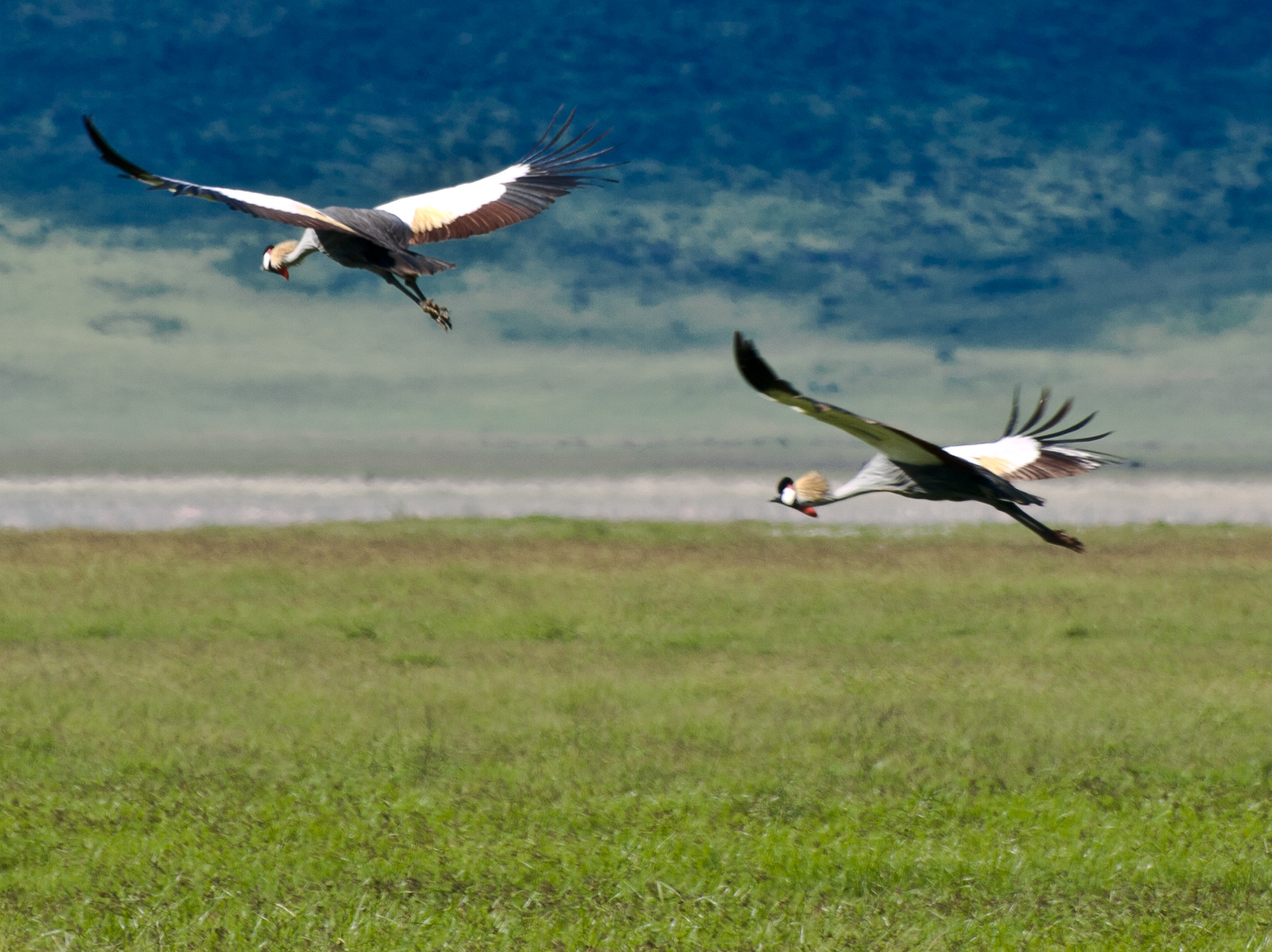
The East Africa Classic
Five landscapes across Kenya and Tanzania on one private safari.
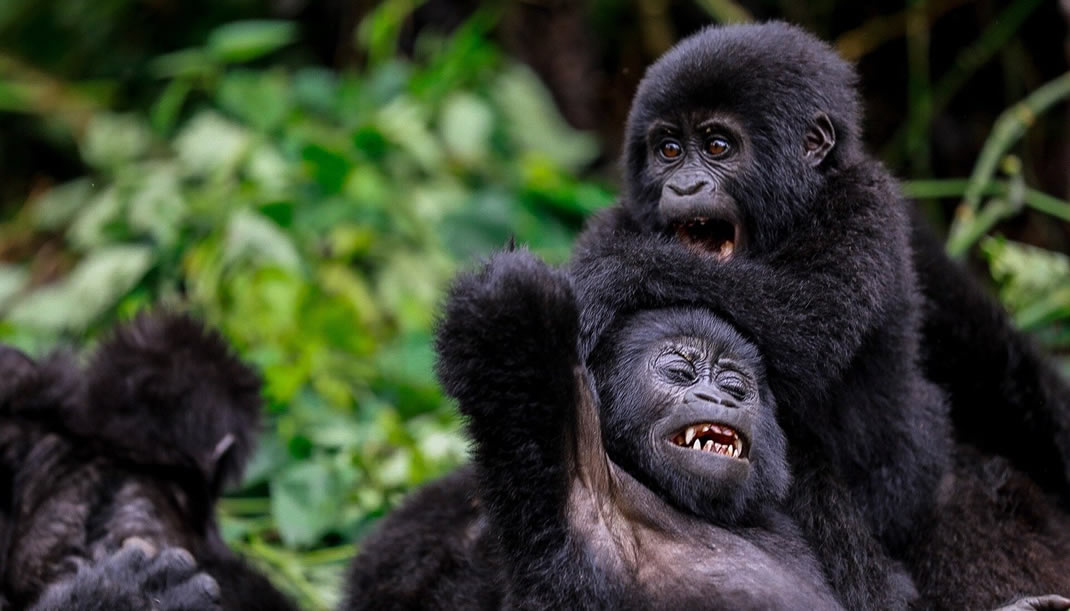
Primates & Plains
From the great savannahs to the forests of the mountain gorillas.
Across the Great Plains
Two countries. One extraordinary ecosystem.
Combine Maasai Mara National Reserve with…
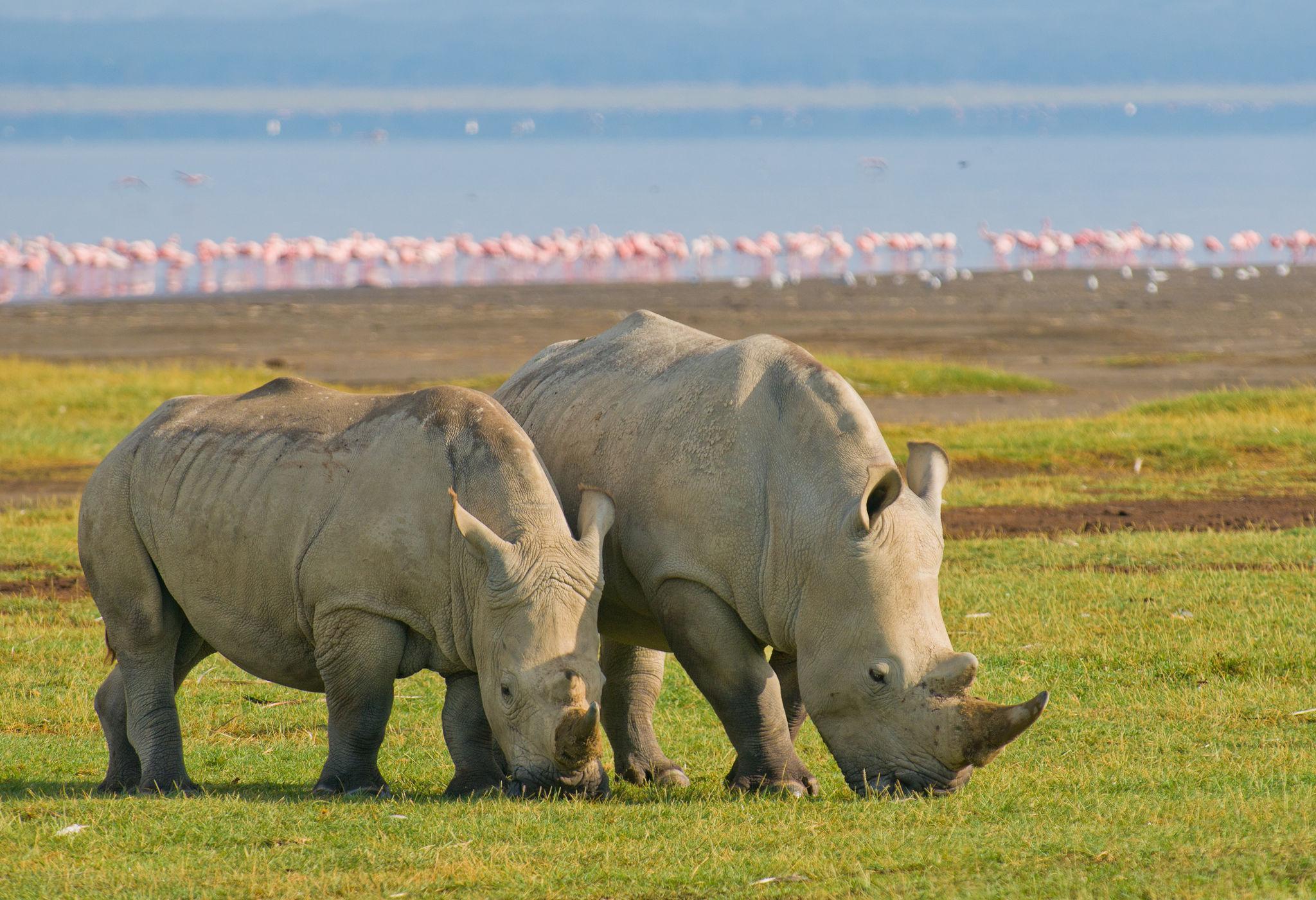
Lake Nakuru National Park
Rhino, flamingo and yellow-fever forest.
A compact Rift Valley soda lake ringed by acacia forest and cliffs, protecting one of Kenya's most important black and white rhino populations.
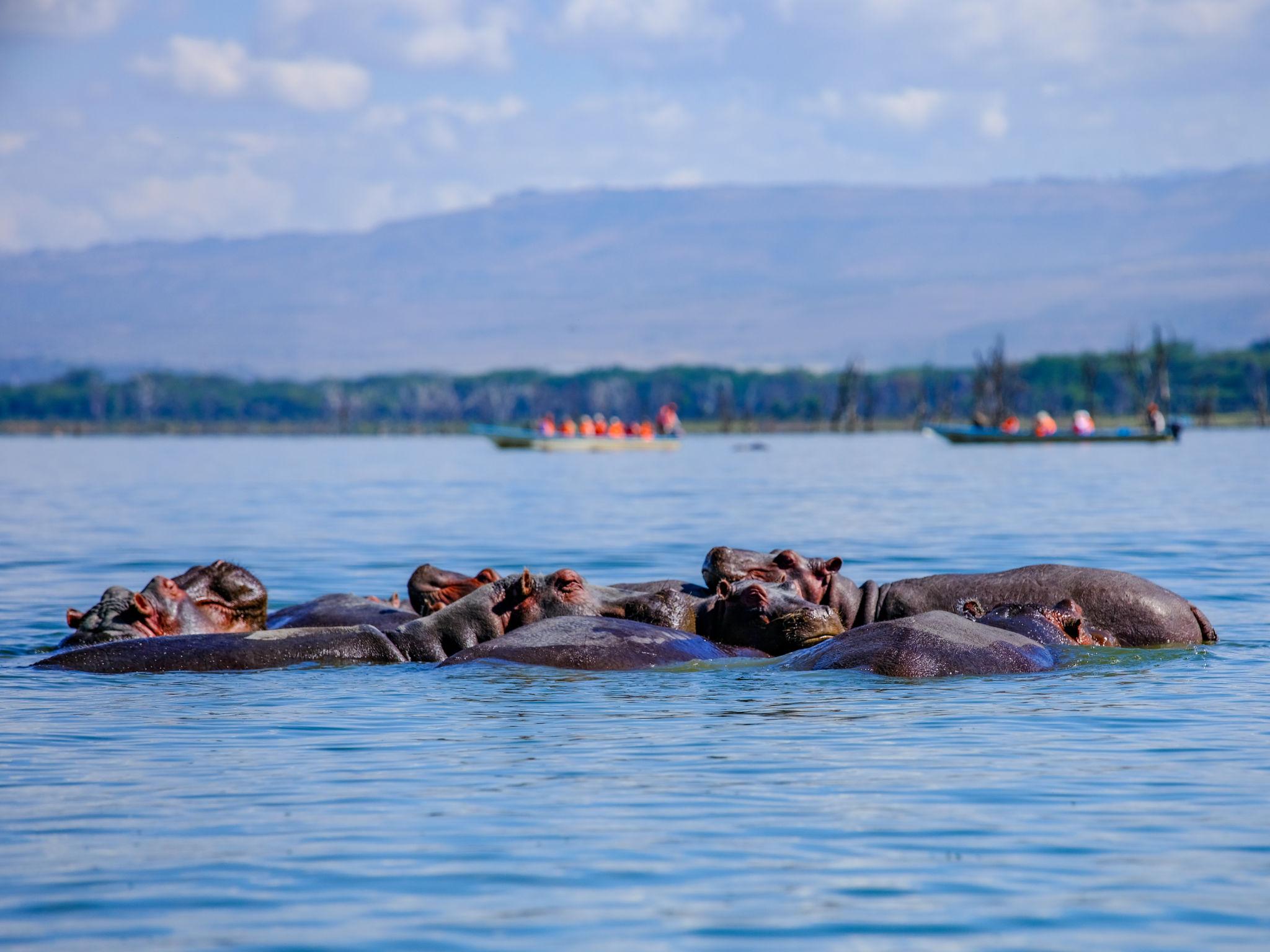
Lake Naivasha
Freshwater, fish eagles and a walk among giraffe.
A freshwater Rift Valley lake with hippo, fish eagles and boat safaris, next to Crescent Island and Hell's Gate where walking and cycling among game are permitted.
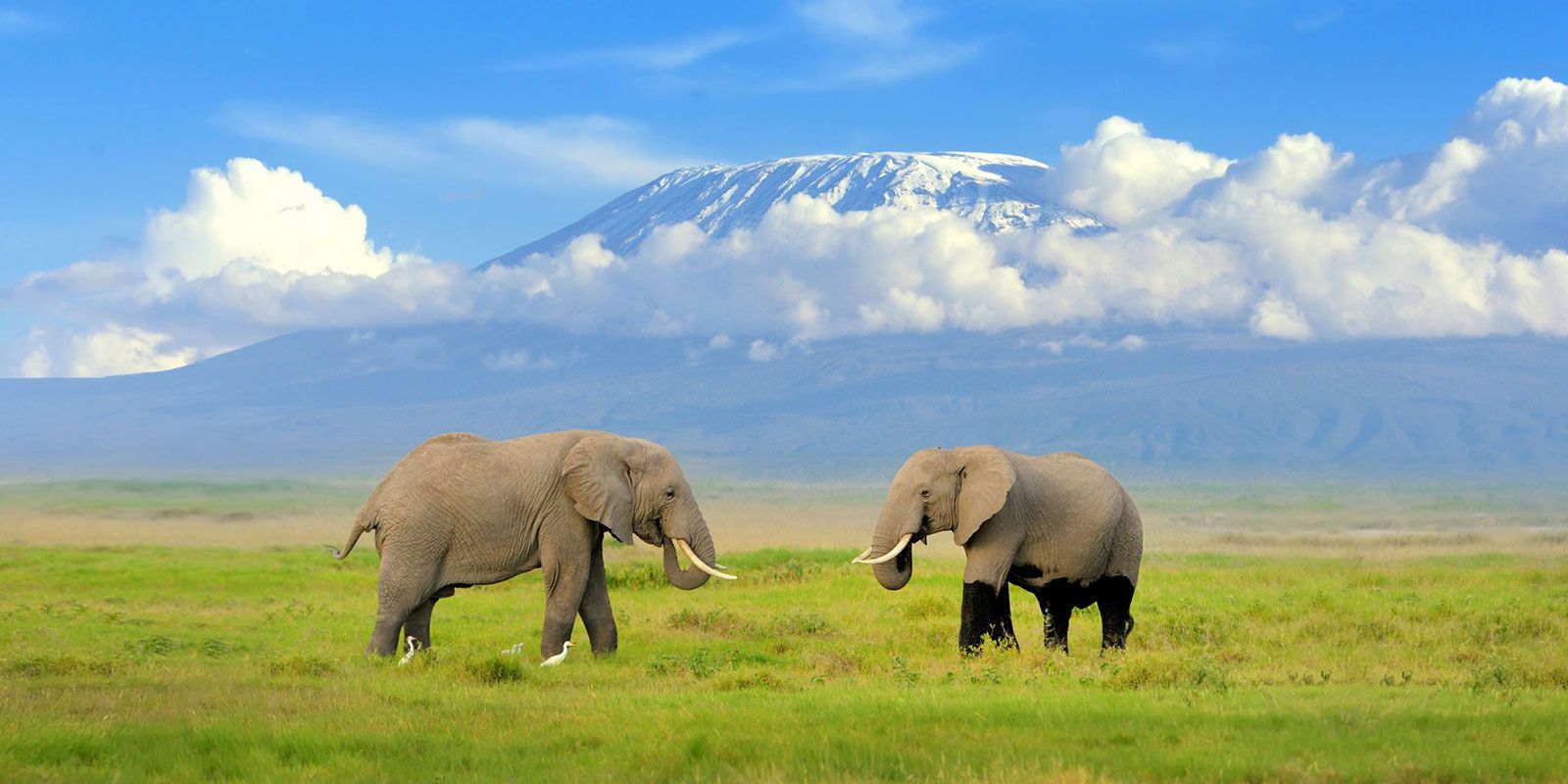
Amboseli National Park
Elephants beneath Kilimanjaro.
Kenya's classic elephant park, set on dusty plains and swamps beneath the north face of Mount Kilimanjaro.
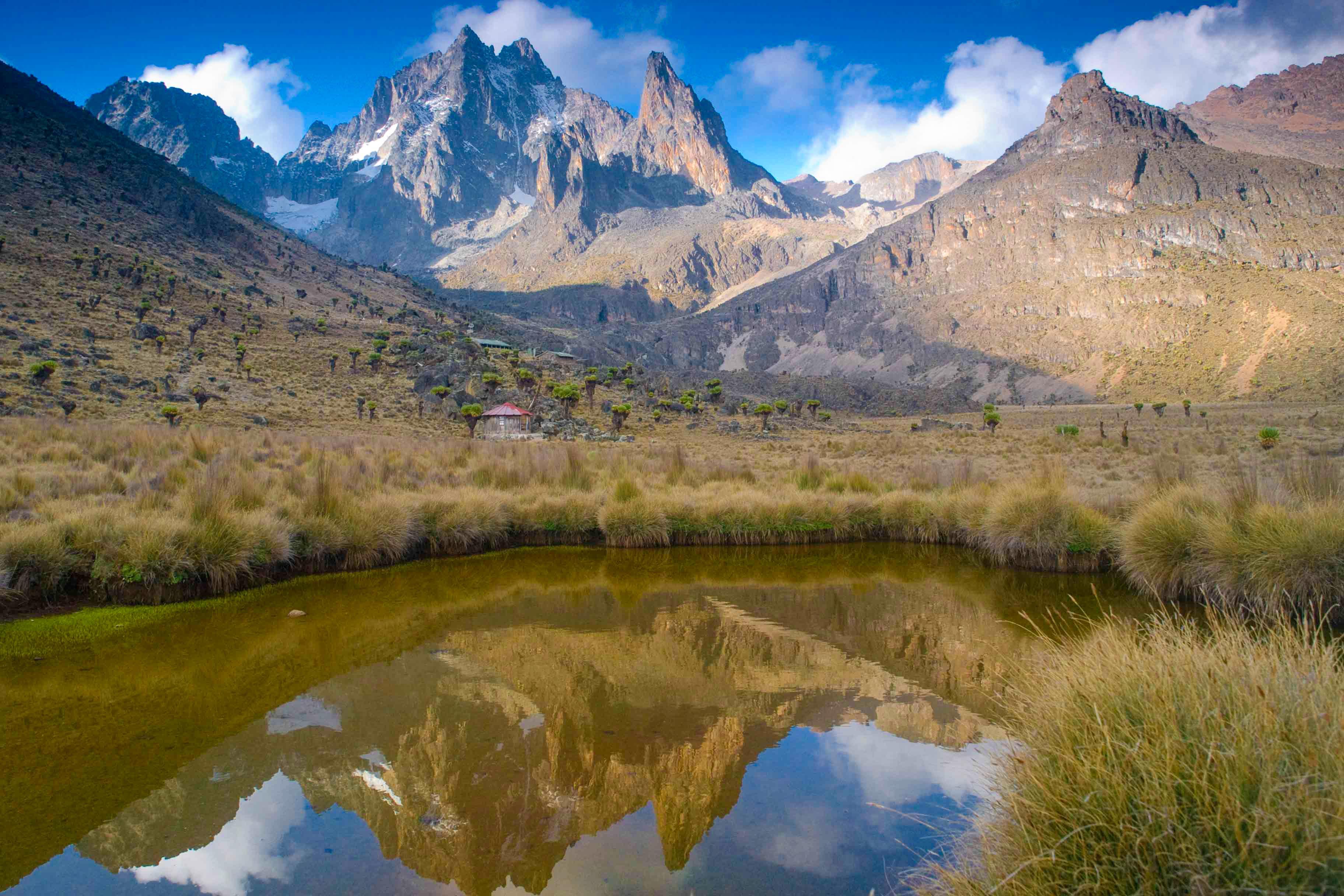
Mount Kenya
Africa's second summit.
An equatorial glaciated massif rising to 5,199 m, with trekking peaks, giant heather moorland and the forested foothills of the Laikipia plateau.
Planning your visit.
Practical guidance from our on-the-ground team, tailored to this destination.
Packing
Warm layers for early mornings at altitude, neutral colours, sun protection and binoculars.
Health
Seek current medical advice regarding malaria prevention for this region. Altitude keeps mosquito numbers moderate but not absent.
Family advice
Excellent for families; several conservancy camps take children from around age five and offer family units.
Reserve vs conservancy
Day drives are the norm in the reserve. Conservancies can generally offer night drives, off-road driving and walking, with far fewer vehicles.
Frequently asked.
When is the migration in the Maasai Mara?
Herds usually arrive from the Serengeti in July and remain until October, with river crossings possible throughout that window.
Maasai Mara or Serengeti?
The Mara is smaller, denser and quicker to reach from Nairobi. The Serengeti is vastly larger with more varied sectors. Many of our itineraries combine both — it is the same ecosystem.
Should I stay in the reserve or a conservancy?
Conservancies for exclusivity, night drives and walking; the reserve for the crossings themselves. Splitting your nights is usually the best answer.
Is it worth visiting outside migration season?
Yes. Resident lion, cheetah, leopard and elephant are present all year, and January and February offer superb viewing with fewer vehicles.
How many days do I need?
Three nights minimum, four or five ideally. Short flights from Nairobi make even a three-night trip practical.
Are balloon safaris available?
Yes, launching at dawn most days year-round, weather permitting. Reserve at the time of booking in peak season.
Related reading.
Guides that pair well with a journey to this destination.
Ready to experience Maasai Mara National Reserve?
Tell us what draws you here and we'll shape a private journey around the places, experiences and pace that matter to you.