
Serengeti National Park
“There are few places on earth where you can stand in one spot and watch a million animals decide, collectively, to move.”
Fourteen thousand square kilometres of grassland, kopjes and riverine forest carrying the largest land migration on earth — and, outside the migration, the densest population of big cats in Africa.
About the Serengeti.
The Serengeti is not one place but four, and understanding that is the difference between a good safari and a wasted week. The park runs roughly 150 kilometres north to south, and where the wildebeest and zebra are in any given month decides where you should sleep. Choose the wrong sector in the wrong month and you can be a full day's drive from the spectacle you came for.
The southern plains around Ndutu are short-grass calving grounds, at their most extraordinary from December to March. The central Serengeti, Seronera, holds permanent water and therefore resident game all year — the safest choice for a short trip. The western corridor, following the Grumeti River towards Lake Victoria, carries the herds and the first river crossings around May and June. The north, Kogatende and the Mara River, is where the crossings happen from roughly July to October and where the northern Serengeti quietly becomes outstanding big-cat country.
Away from the migration, the Serengeti is one of Africa's greatest predator ecosystems. Around three thousand lions live here. Leopards work the sausage trees along the Seronera river. Cheetah hunt the open grass in the south-east. Spotted hyena clans number in the hundreds, and the granite kopjes — inselbergs weathered out of the plain — act as natural stages for all of it.
The name comes from the Maasai siringet, the place where the land runs on forever. Standing on the southern plains in February, with the grass cropped to a lawn and the horizon uninterrupted in every direction, it is not a poetic description. It is simply accurate.
Practically: the park is a UNESCO World Heritage Site, entered from Naabi Hill in the south-east or by scheduled flight to one of a dozen airstrips. Most itineraries combine two sectors, and the strongest ones fly at least one leg rather than losing a day on the road.
Serengeti National Park, in short.
The essentials our specialists check first when shaping a private itinerary.
Good to know.
- Location
- Northern Tanzania, contiguous with the Maasai Mara in Kenya and the Ngorongoro Conservation Area.
- Park size
- c. 14,750 km²
- Established
- National park in 1951; UNESCO World Heritage Site since 1981.
- Getting there
- Naabi Hill gate is around 3 hours from Ngorongoro by road; scheduled flights serve Seronera, Kogatende, Ndutu, Grumeti and others from Arusha, Kilimanjaro and Zanzibar.
- Best time
- Choose the sector for your month rather than the month for the park.
- Currency
- Tanzanian shilling; US dollars accepted at camps and gates. Park fees are prepaid within your itinerary.
Why visit Serengeti National Park?
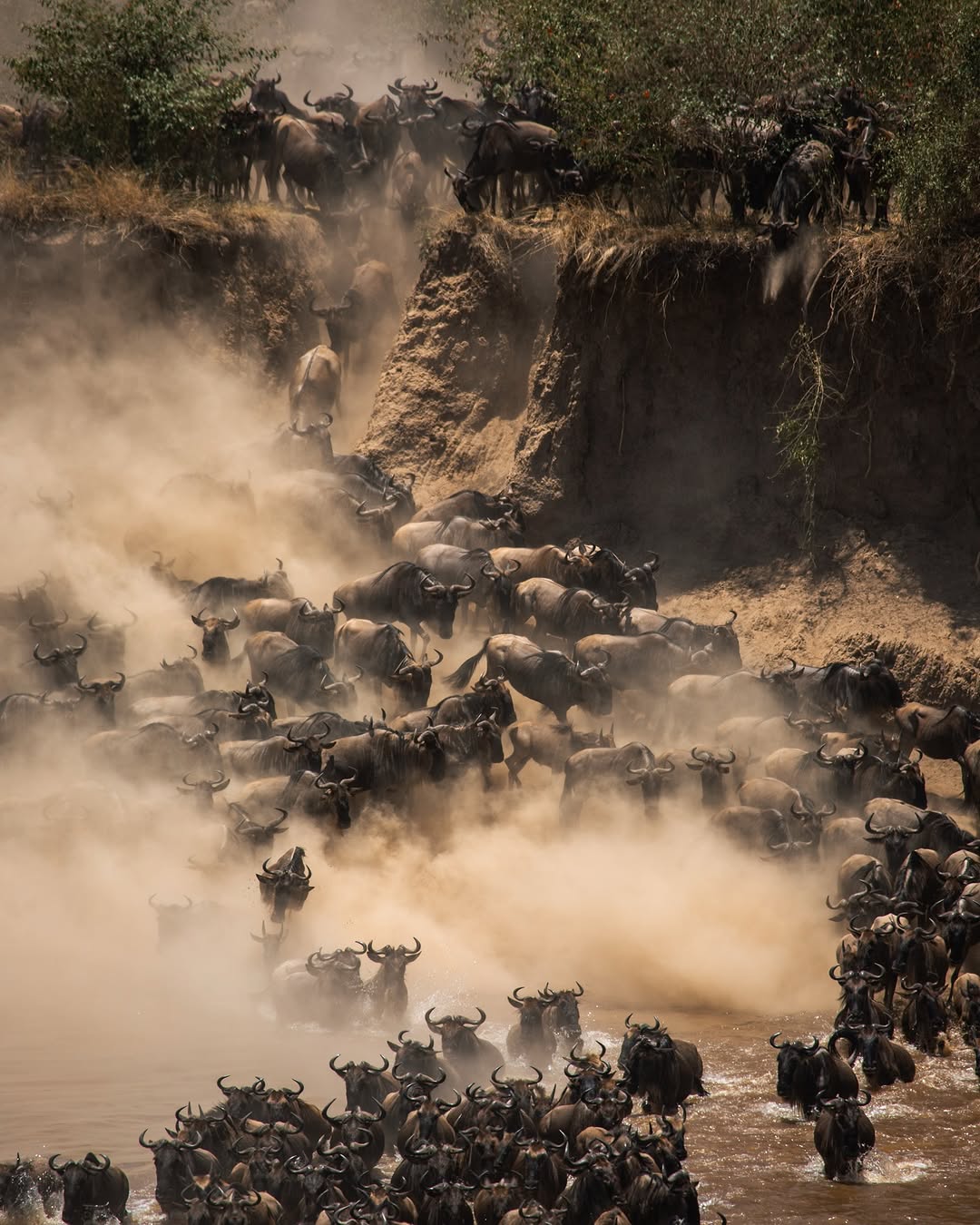
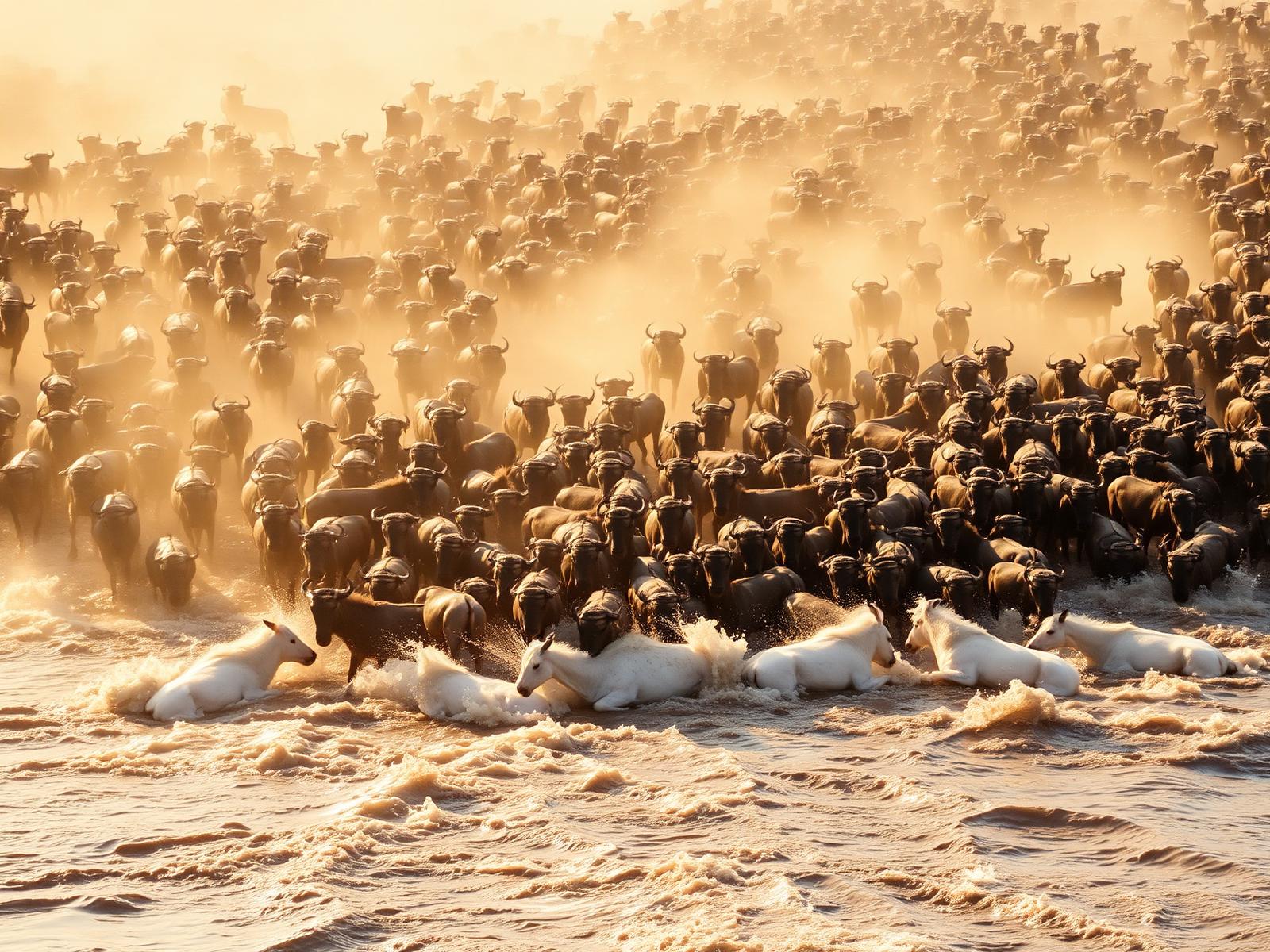
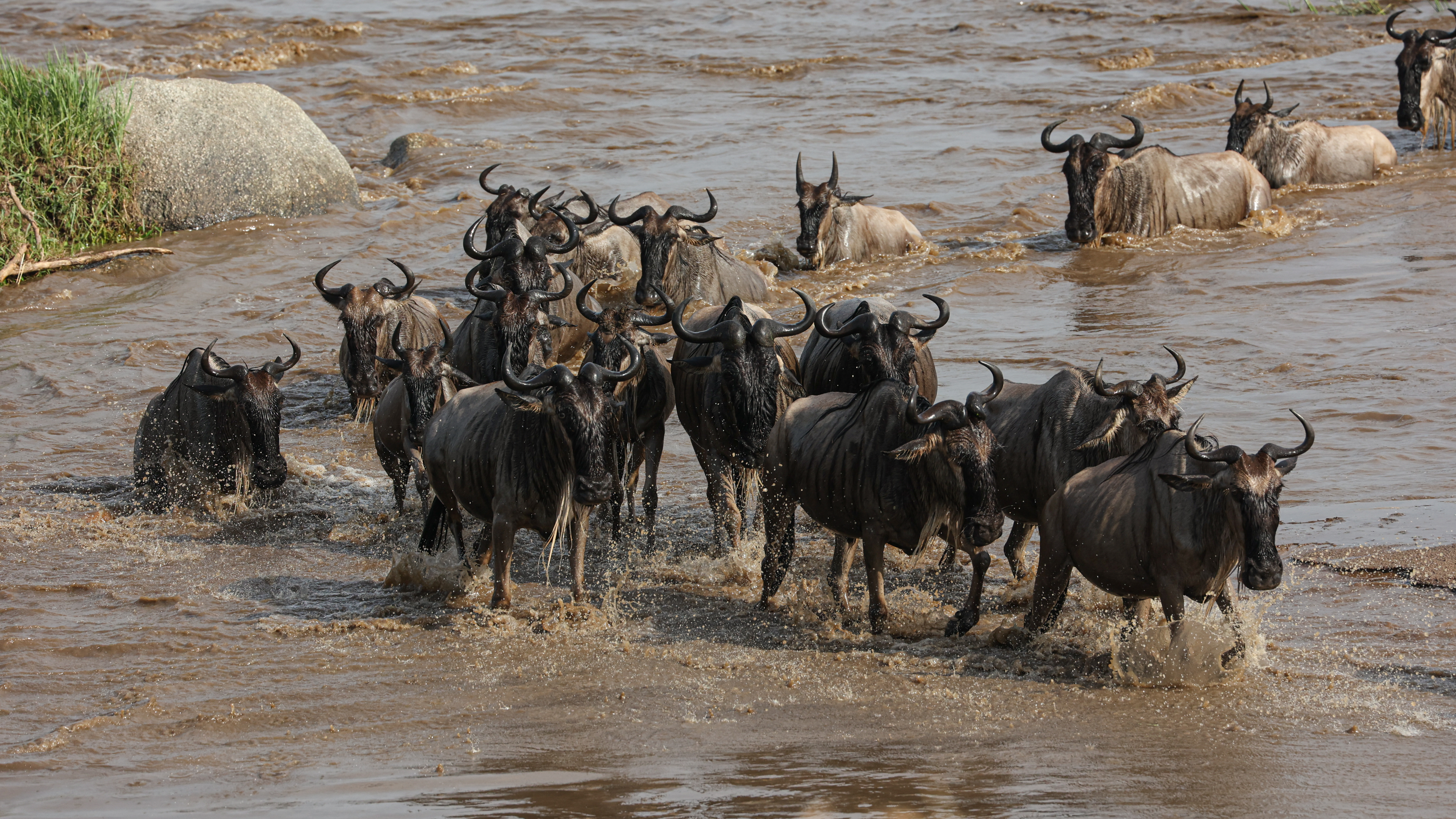
The Mara River crossings
Between roughly July and October, herds mass on the southern bank at Kogatende and cross in their thousands.
The calving season
Around half a million wildebeest calves born on the southern short-grass plains within a few weeks of each other.
Seronera's leopards
The riverine forest of the central Serengeti offers some of the most consistent leopard viewing in Africa.
Kopje lions
Granite outcrops used for shade, vantage and denning — the classic Serengeti lion image.
Balloon flights at dawn
Silent, hour-long flights over the plains, followed by a bush breakfast where you land.
Cheetah on the open grass
The south-eastern plains hold exceptionally high cheetah densities.
Night skies
Virtually no light pollution; the Milky Way sits directly overhead from the plains camps.
Sheer scale
Nearly 15,000 km², contiguous with the Maasai Mara and the Ngorongoro Conservation Area.
Species you may encounter.
Wildlife commonly associated with the region. Sightings are always wild and never guaranteed.
Wildebeest
Around 1.3 million animals, moving in an annual clockwise circuit through the ecosystem.
Lion
Roughly 3,000 across the park, in prides frequently seen on and around kopjes.
Leopard
Best looked for in the sausage trees and riverine forest of the Seronera valley.
Cheetah
Seen most often on the open south-eastern plains, hunting Thomson's gazelle.
Plains zebra
Around 200,000, moving with the wildebeest and grazing ahead of them.
Spotted hyena
Very large clans; the ecosystem's most numerous large predator and a superb hunter in its own right.
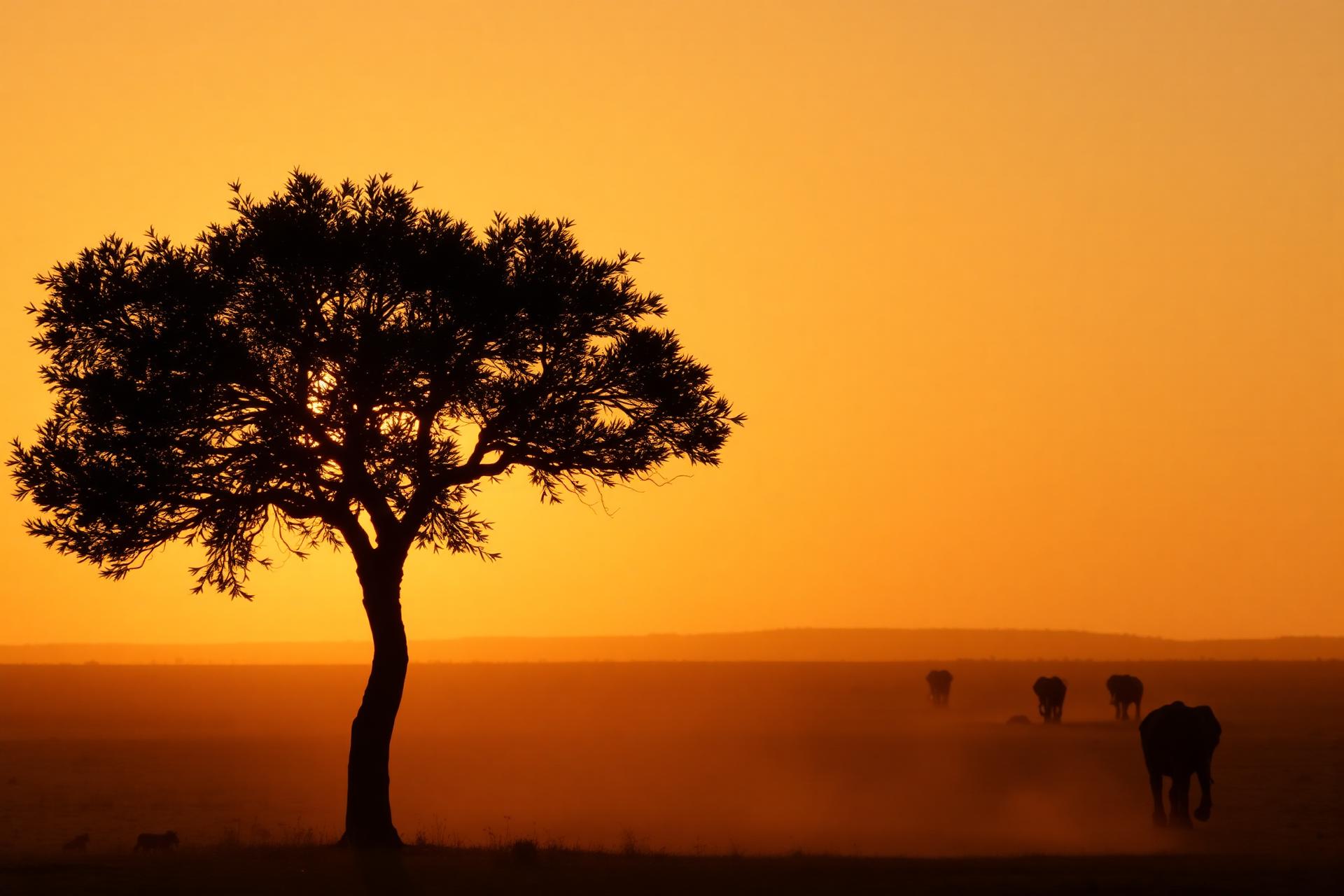
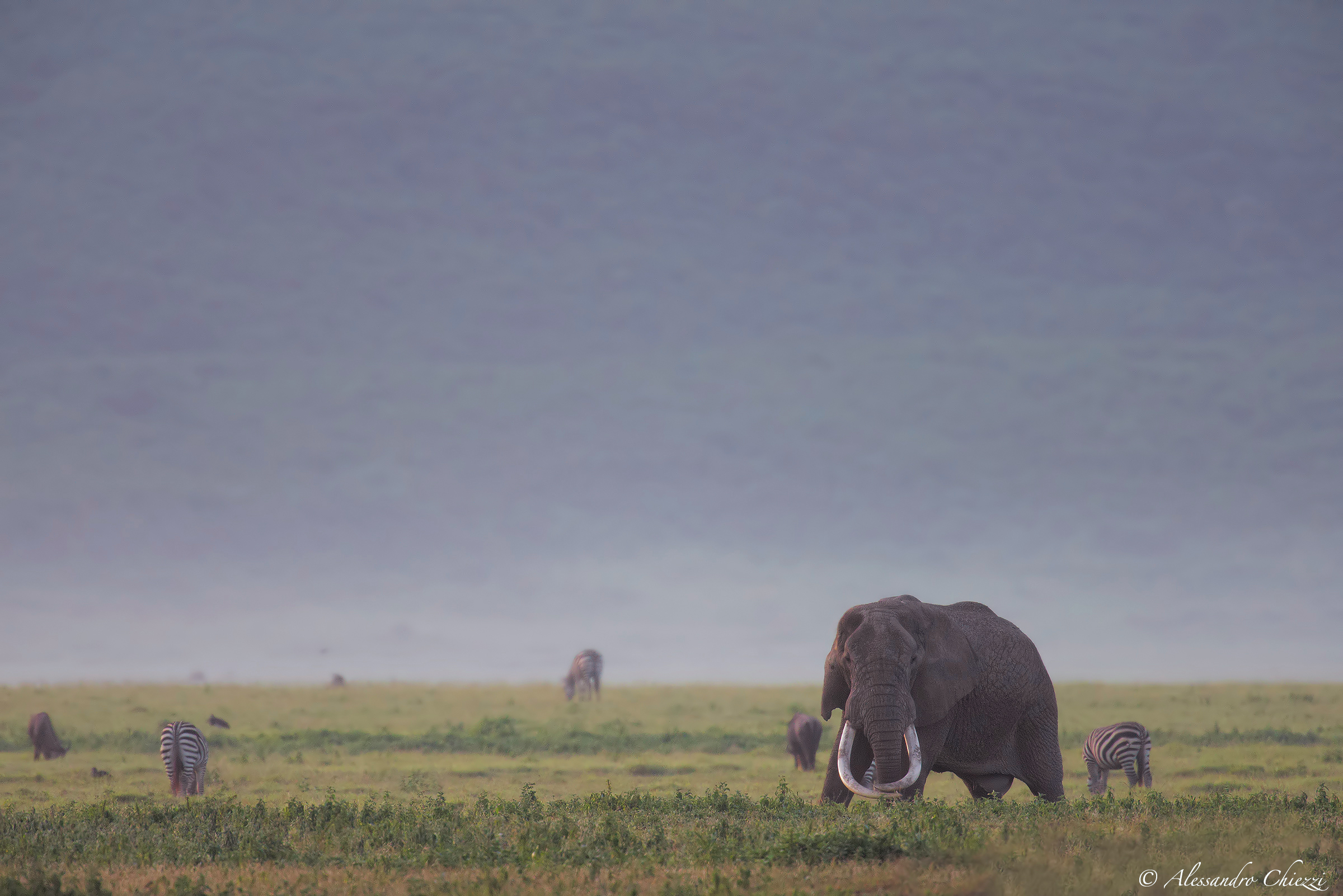
African elephant
Numbers have recovered strongly, best seen in the north and in the riverine woodland.
Black rhino
A small, protected and closely guarded population in the Moru kopjes area; sightings are rare.
Nile crocodile
Large individuals concentrated at the Mara River crossing points.
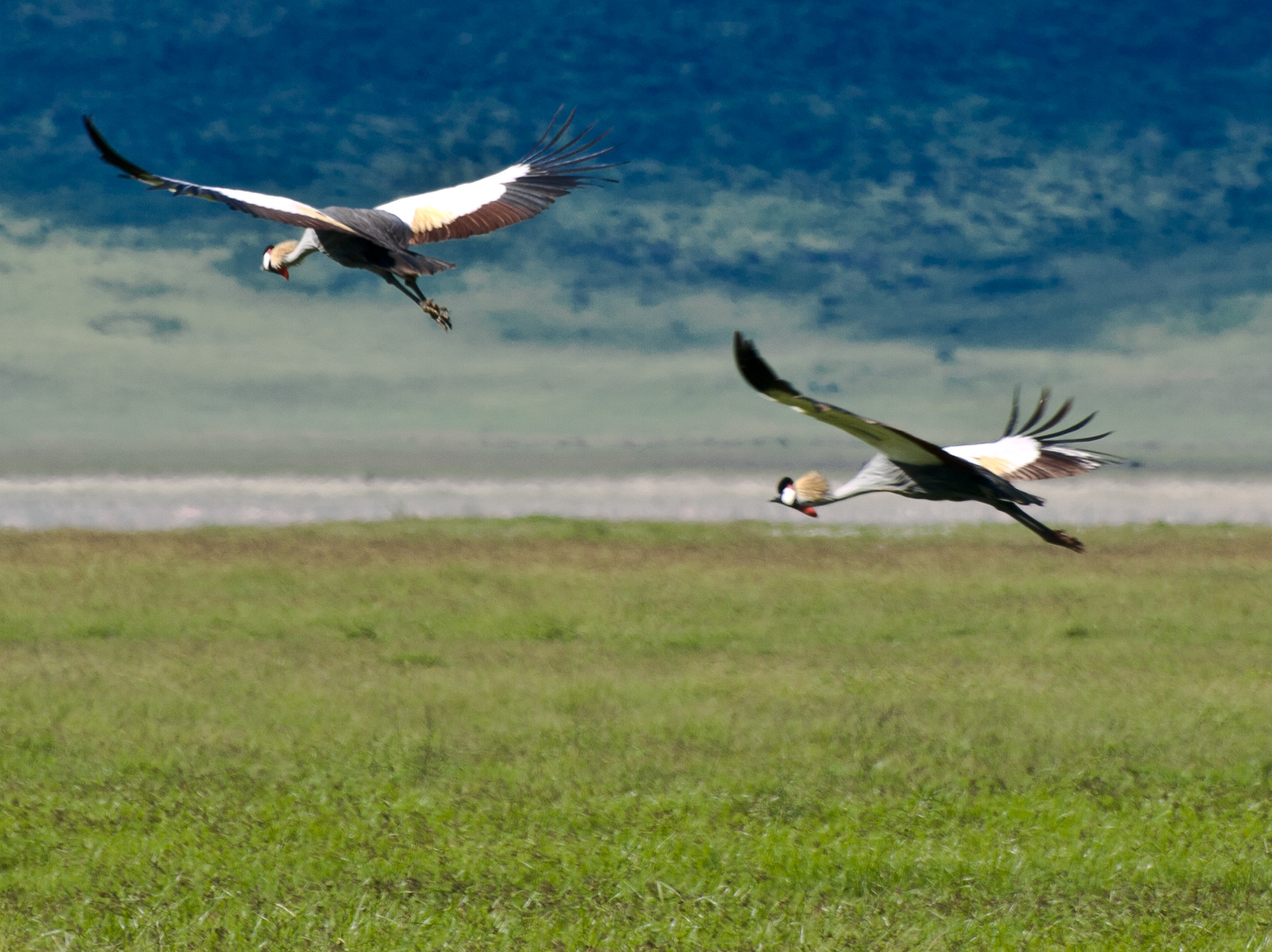
Secretary bird and raptors
Over 500 bird species recorded, with exceptional raptor viewing on the plains.
Experiences in Serengeti National Park.
The right time for Serengeti National Park.
River crossings (north): July – October · Calving (south): January – March · Reliable year-round: central Serengeti
Herds gather on the southern plains; calving begins. Stay at Ndutu.
Peak calving in the south — the most intense predator month of the year.
Green, warm, and quieter as the herds start drifting north-west.
Long rains. Central Serengeti remains reliable; the plains empty of vehicles.
Herds move through the western corridor; Grumeti crossings possible late in the month.
Dry season opens. Herds push north; grass shortens and viewing sharpens.
Mara River crossing season begins in the north. Stay at Kogatende.
Peak crossings and peak demand — northern camps book out months ahead.
Crossings continue with slightly fewer vehicles than August.
Hot and very dry; herds begin the return south late in the month.
Short rains; herds move back through the central Serengeti to the south.
Herds spread across the southern plains; festive camps fill quickly.
- Altitude
- c. 920 – 1,850 m
- Average temperature
- 15 – 28°C; cold before dawn on the plains
- Dry season
- June – October
- Rainy season
- November – December (short rains) and March – May (long rains)
Areas within Serengeti National Park.
Western Serengeti (Grumeti)
The Grumeti corridor running west towards Lake Victoria — riverine forest, resident hippo and crocodile, colobus monkeys, and the first river crossings of the migration around May and June.
Northern Serengeti (Kogatende)
Kogatende and the Mara River — the crossing country from roughly July to October, and quietly one of the Serengeti's most rewarding big-cat and rolling-hill areas.
Southern Serengeti (Ndutu)
The Ndutu short-grass plains — calving grounds from December to March, and the most concentrated predator viewing anywhere in East Africa.
Central Serengeti (Seronera)
The Seronera valley — permanent water, resident lion prides, the park's most reliable leopard viewing and year-round game regardless of where the migration happens to be.
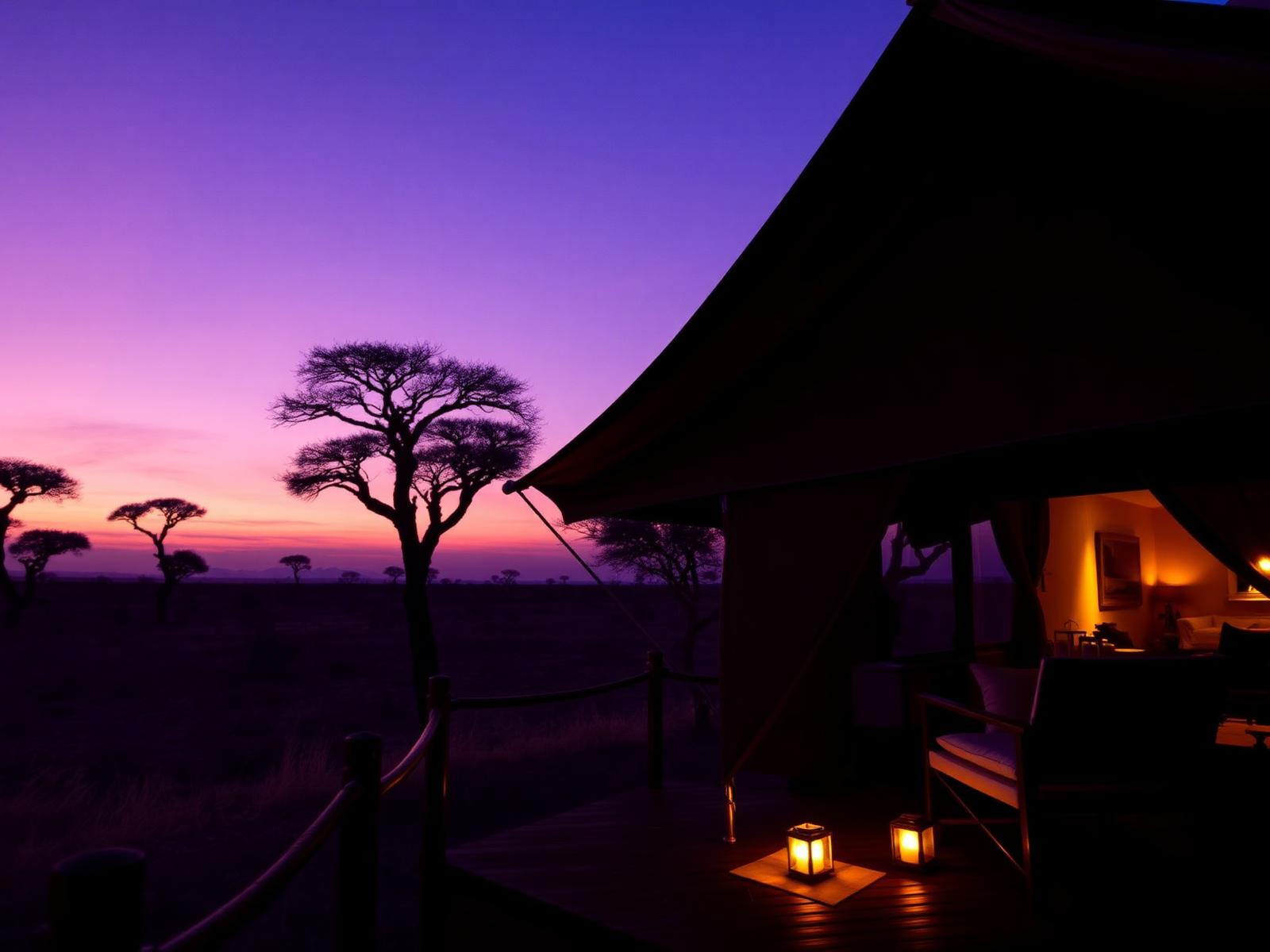
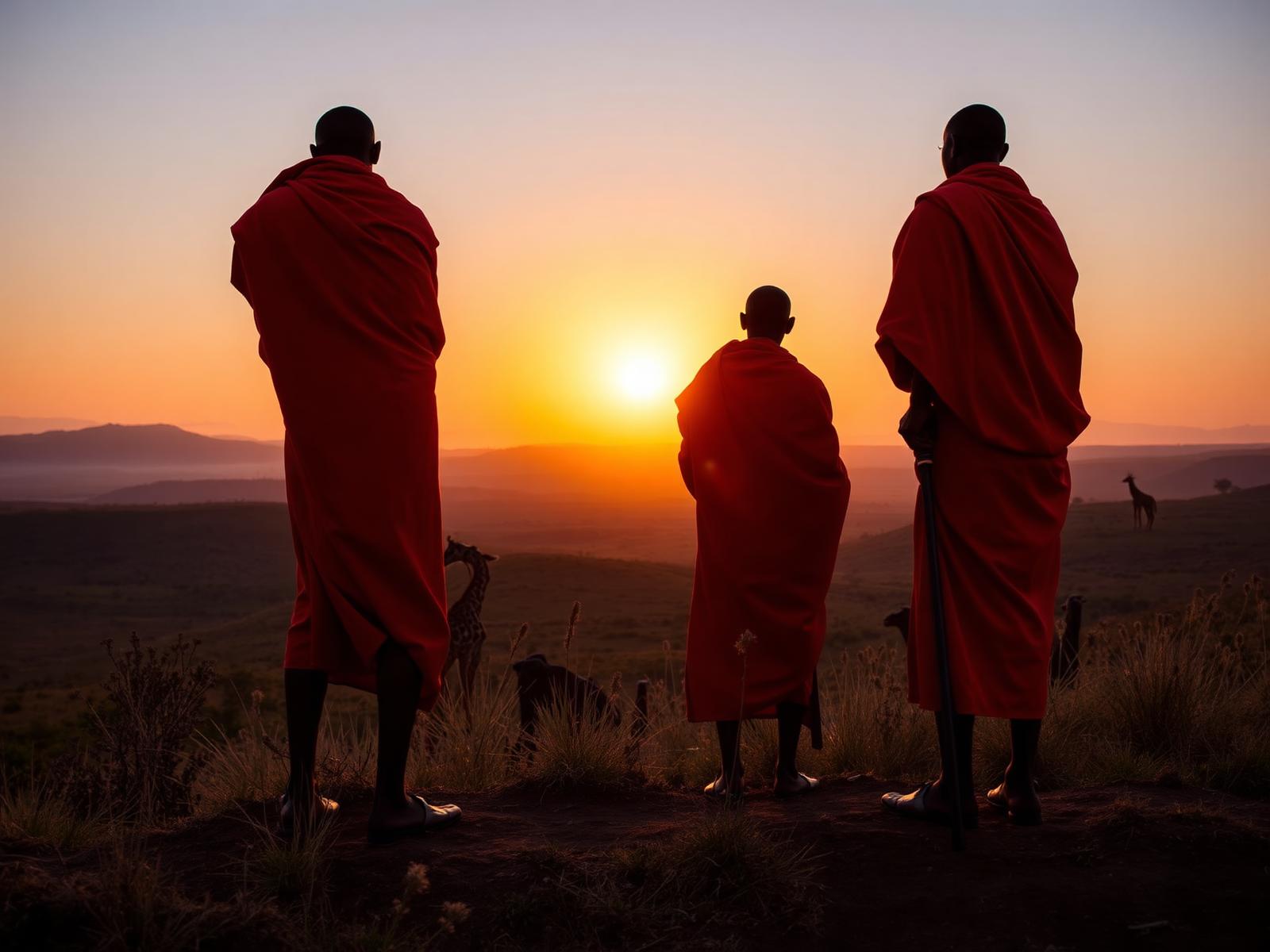
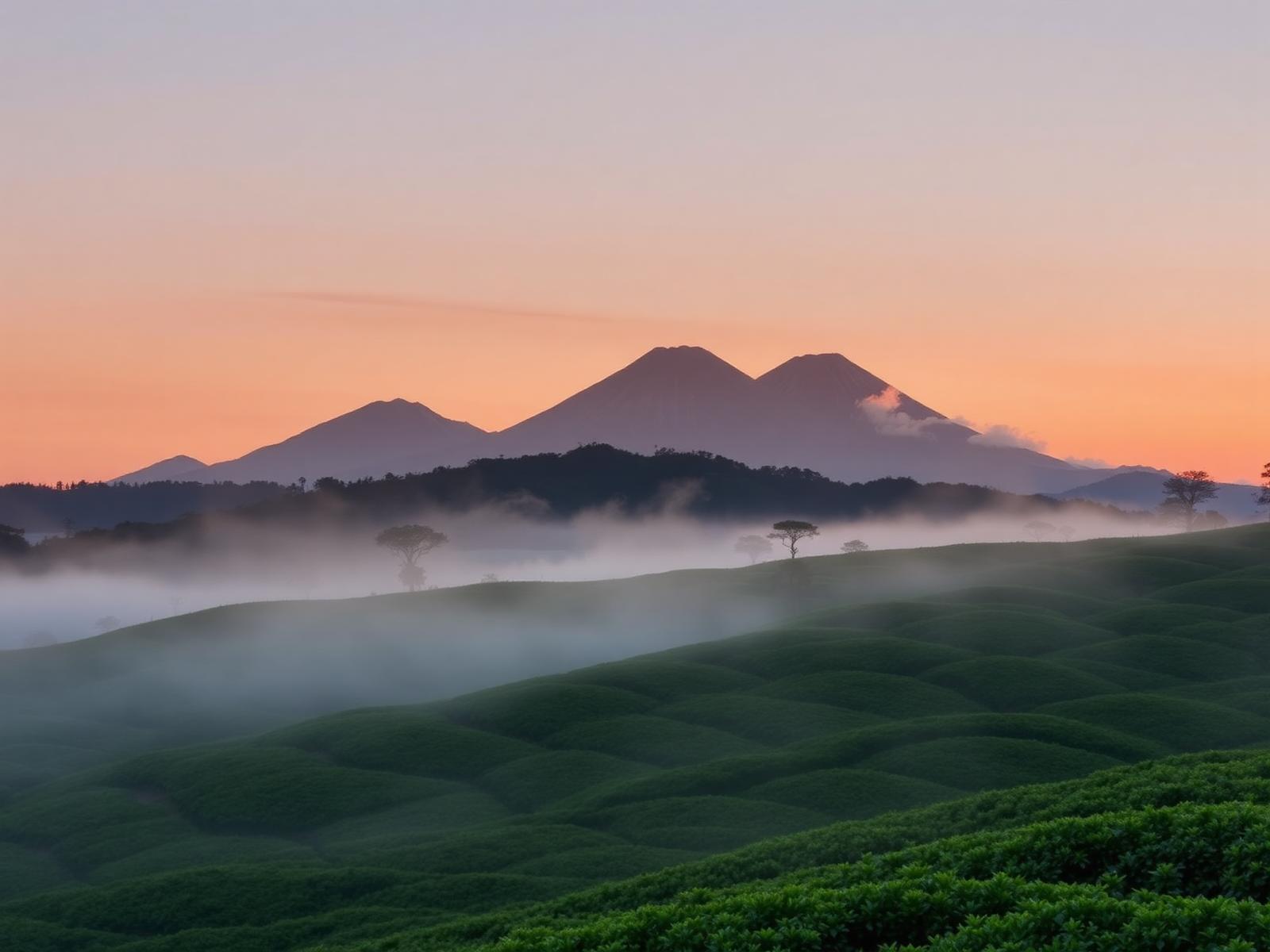
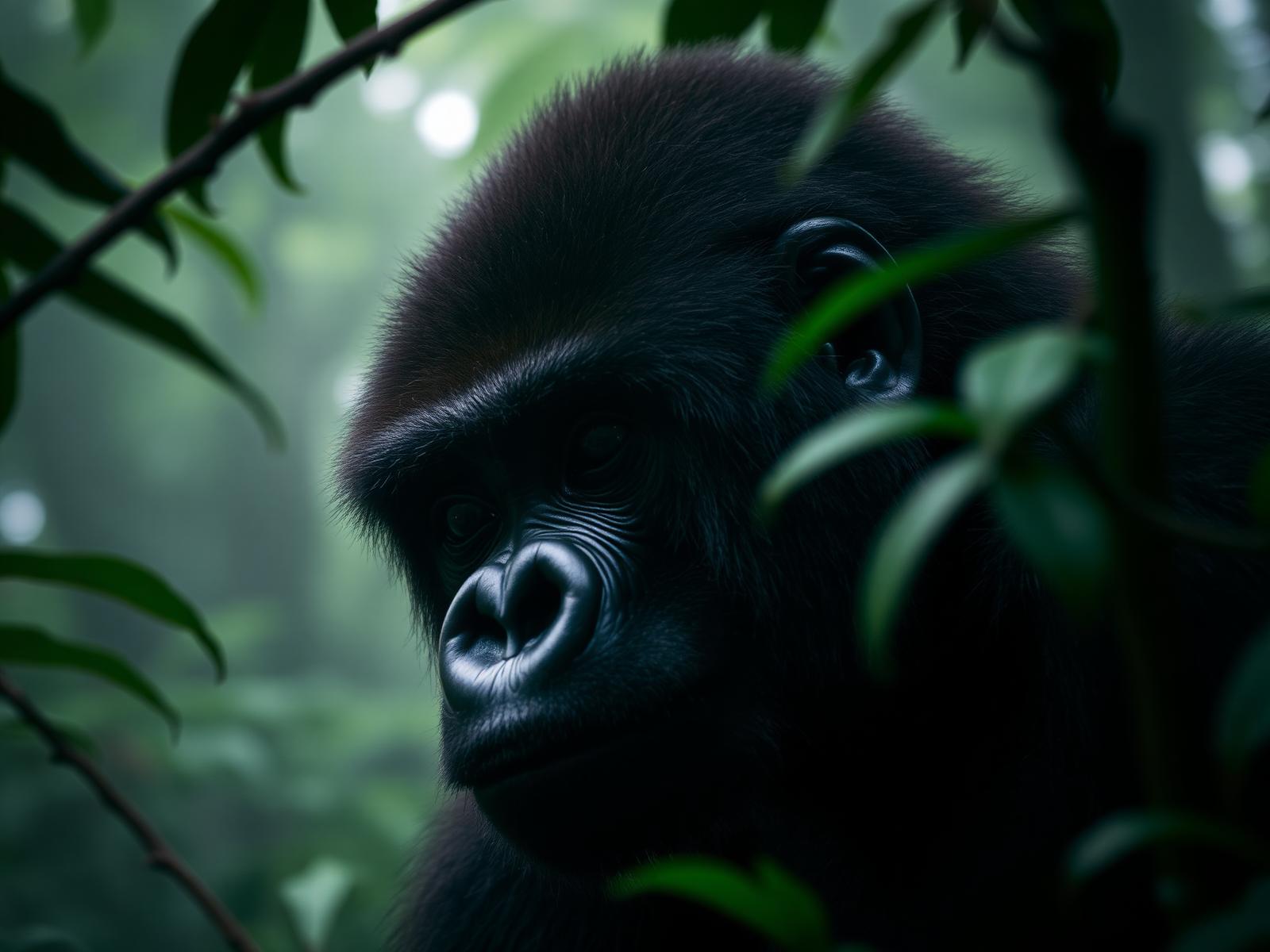
Serengeti National Park, in pictures.
Serengeti National Park on the map.
The park and the places around it — nearby destinations, areas and camps we work with.
- Serengeti National Park-2.333°, 34.833°
- Northern Serengeti (Kogatende)Area within the park
- Southern Serengeti (Ndutu)Area within the park
- Central Serengeti (Seronera)Area within the park
- Ngorongoro Conservation Area & CraterNearby destination
- Tarangire National ParkNearby destination
- ZanzibarNearby destination
- Mount KilimanjaroNearby destination
- Serengeti Serena Safari LodgeSafari Lodge
Where to stay in Serengeti National Park.
A representative selection — Wildlux hand-picks camps and lodges based on your dates, style and pace.
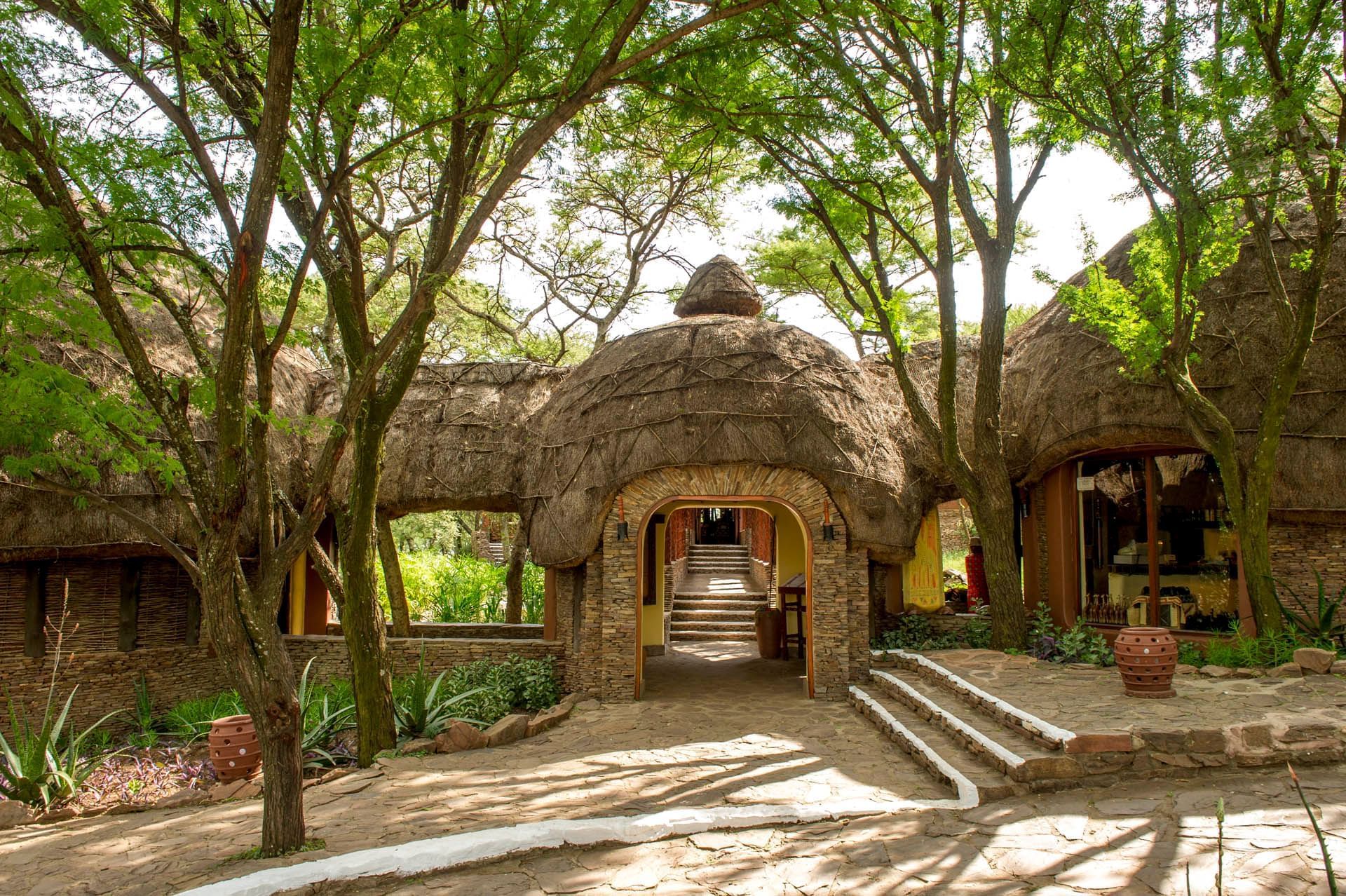
Serengeti Serena Safari Lodge
Serengeti lodge with traditional thatched rondavel rooms, private balconies and a swimming pool.
View property →
Serengeti Sametu Camp
A luxury safari camp in the Central-Eastern Serengeti beside the Ngarenanyuki River, with double rooms, twin rooms and interconnecting family suites.
View property →
Ndutu Under Canvas
Seasonal premium camp with spacious safari tents and access to the southern Serengeti migration ecosystem.
View property →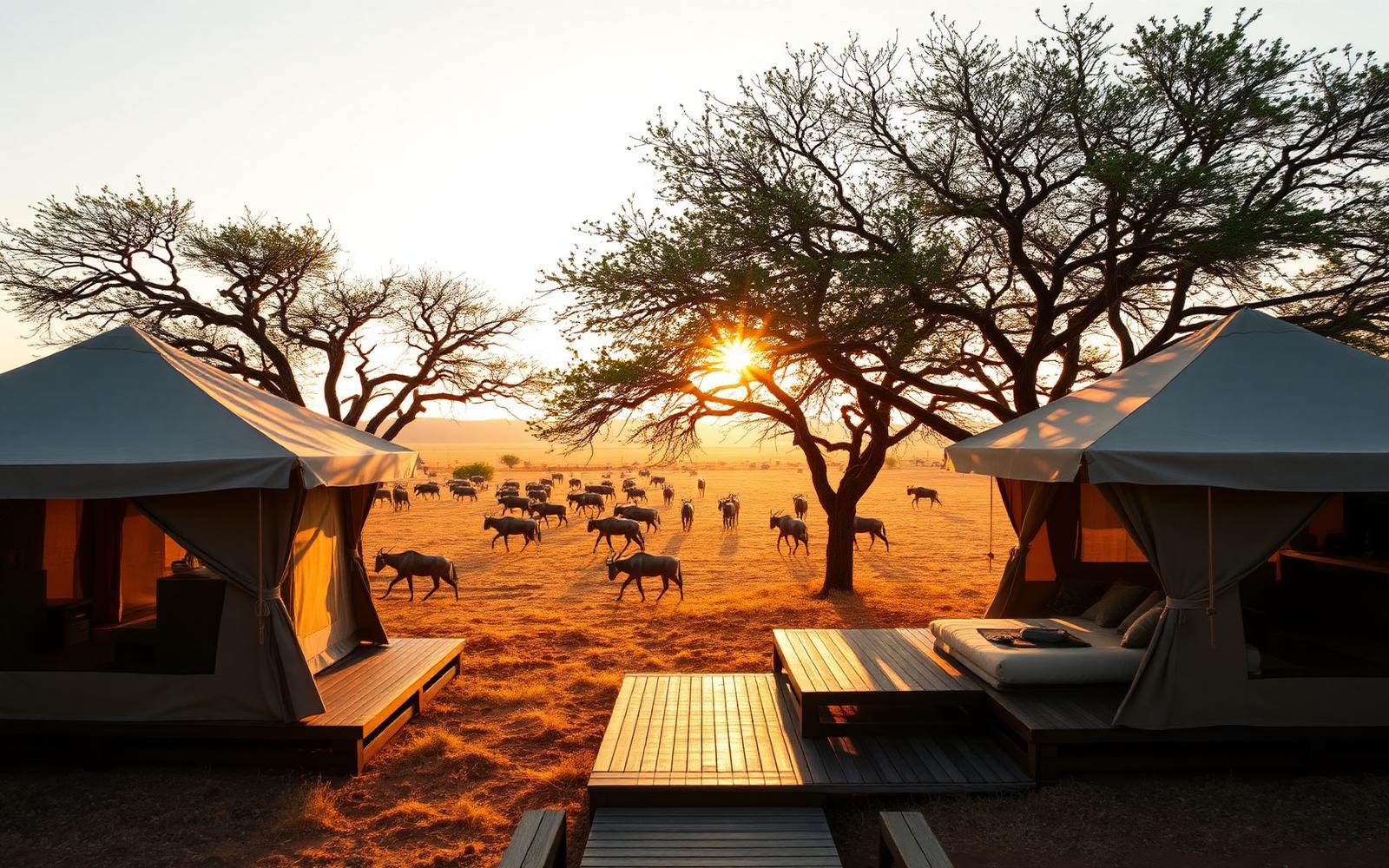
Ndutu Misako Tented Camp
A classic tented camp on the Ndutu short-grass plains, positioned for the green-season calving and the predator activity that follows it.
View property →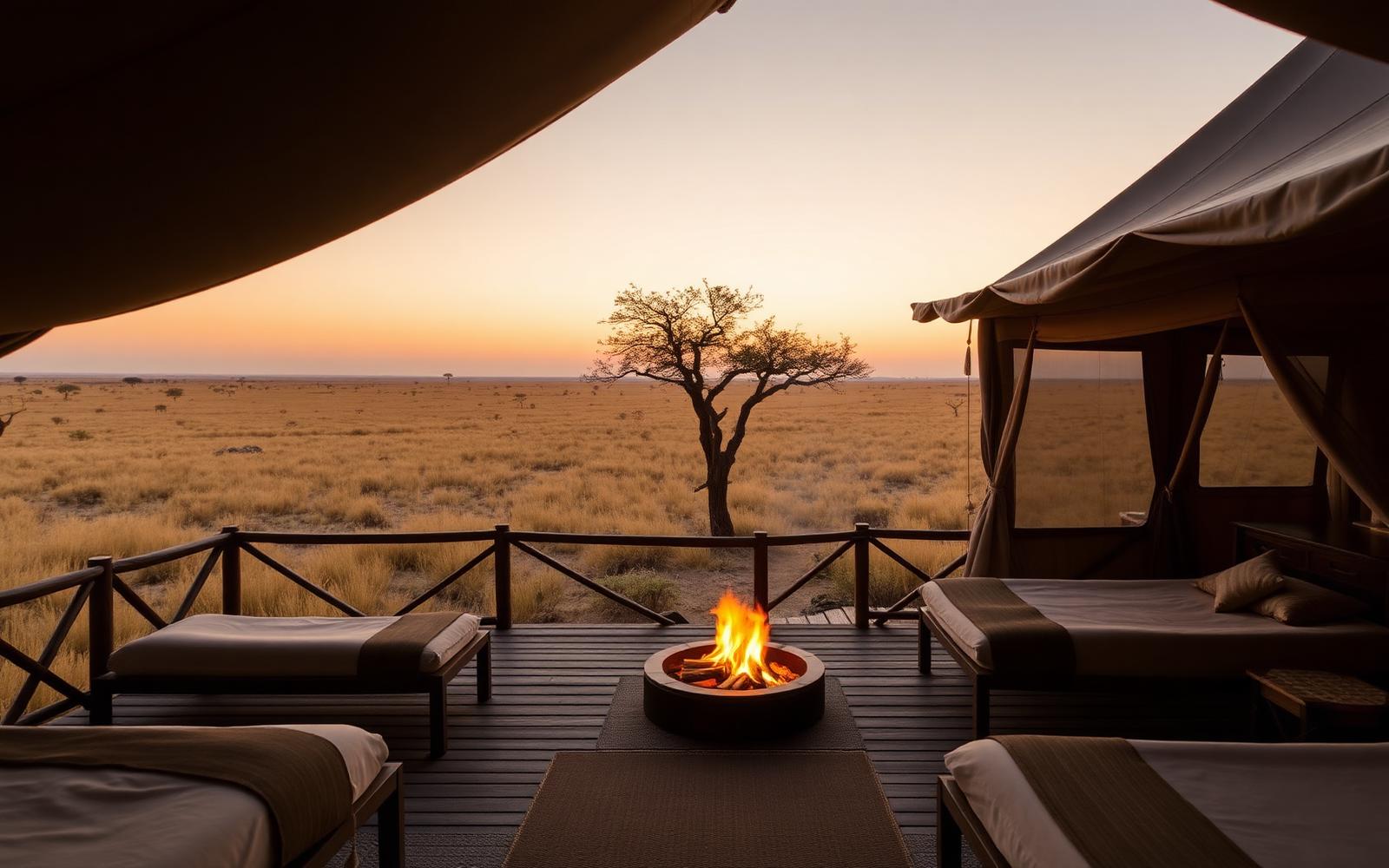
Land of Nature Tented Camp
An unfenced tented camp in the central Serengeti, well placed for Seronera's resident lion, leopard and cheetah throughout the year.
View property →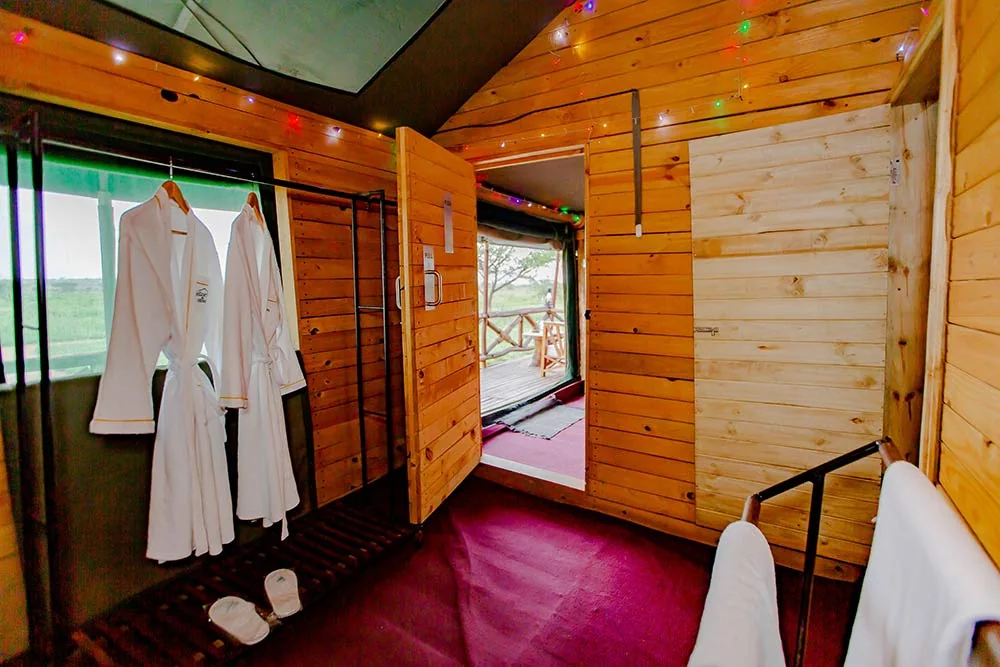
Serengeti Heritage Luxury Tented Camp
A tented camp in the central Serengeti, used here for two consecutive nights.
View property →
Mbalageti Serengeti
A lodge in the Serengeti’s Western Corridor with views across the plains and Mbalageti River landscape.
View property →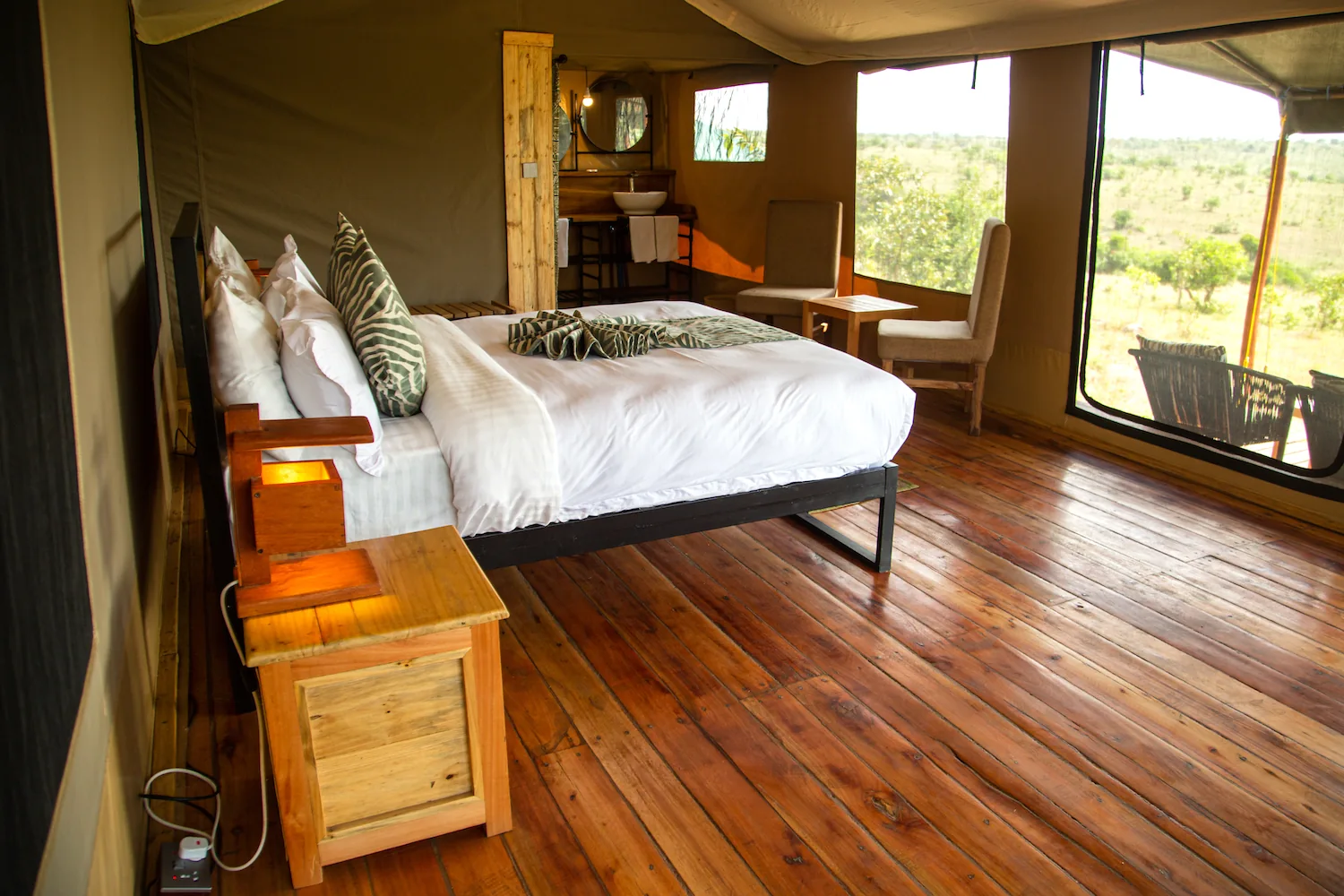
Baobab Mara Luxury Camp
The northern Serengeti Baobab camp proposed for the Mara River migration portion of the journey.
View property →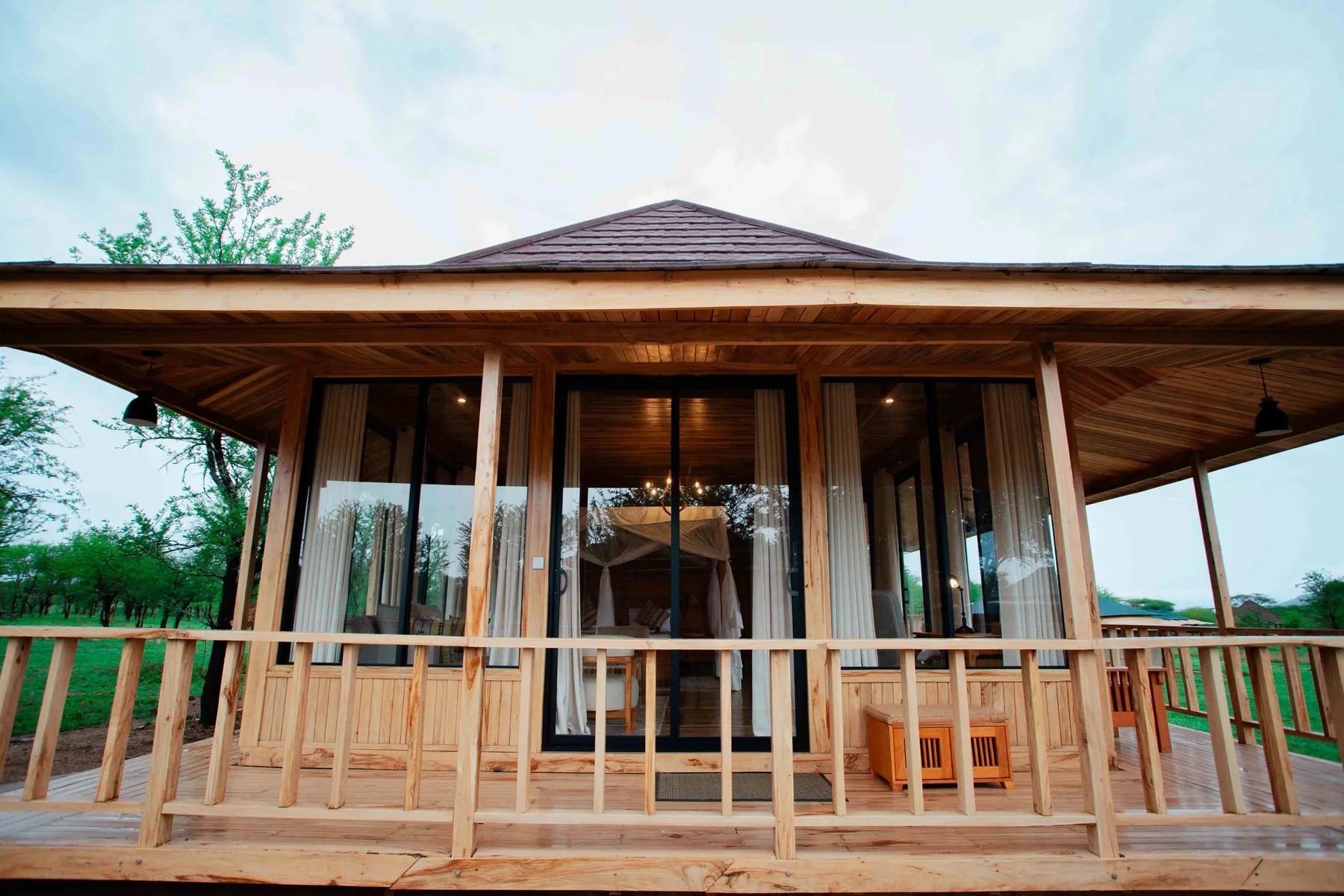
Into Wild Africa Luxury Safari Lodge
A central Serengeti lodge near the Nyabogati River, with safari villas and a swimming pool.
View property →
Olmorijo Central Serengeti Camp
The central Serengeti member of the Olmorijo camp collection.
View property →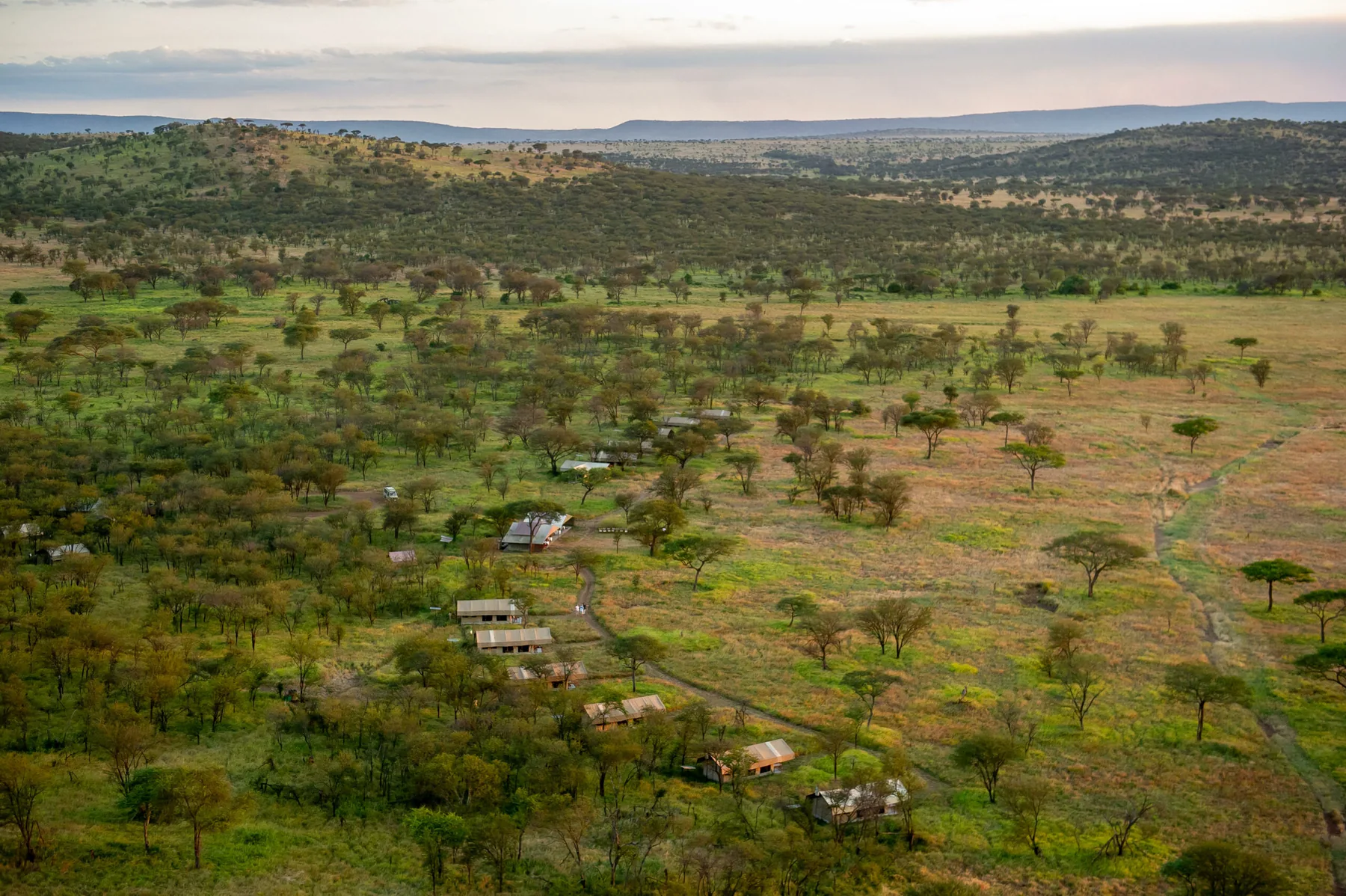
Serengeti Kati Kati Tented Camp
A tented base for exploring the central Serengeti, combining time on game drives with evenings in camp.
View property →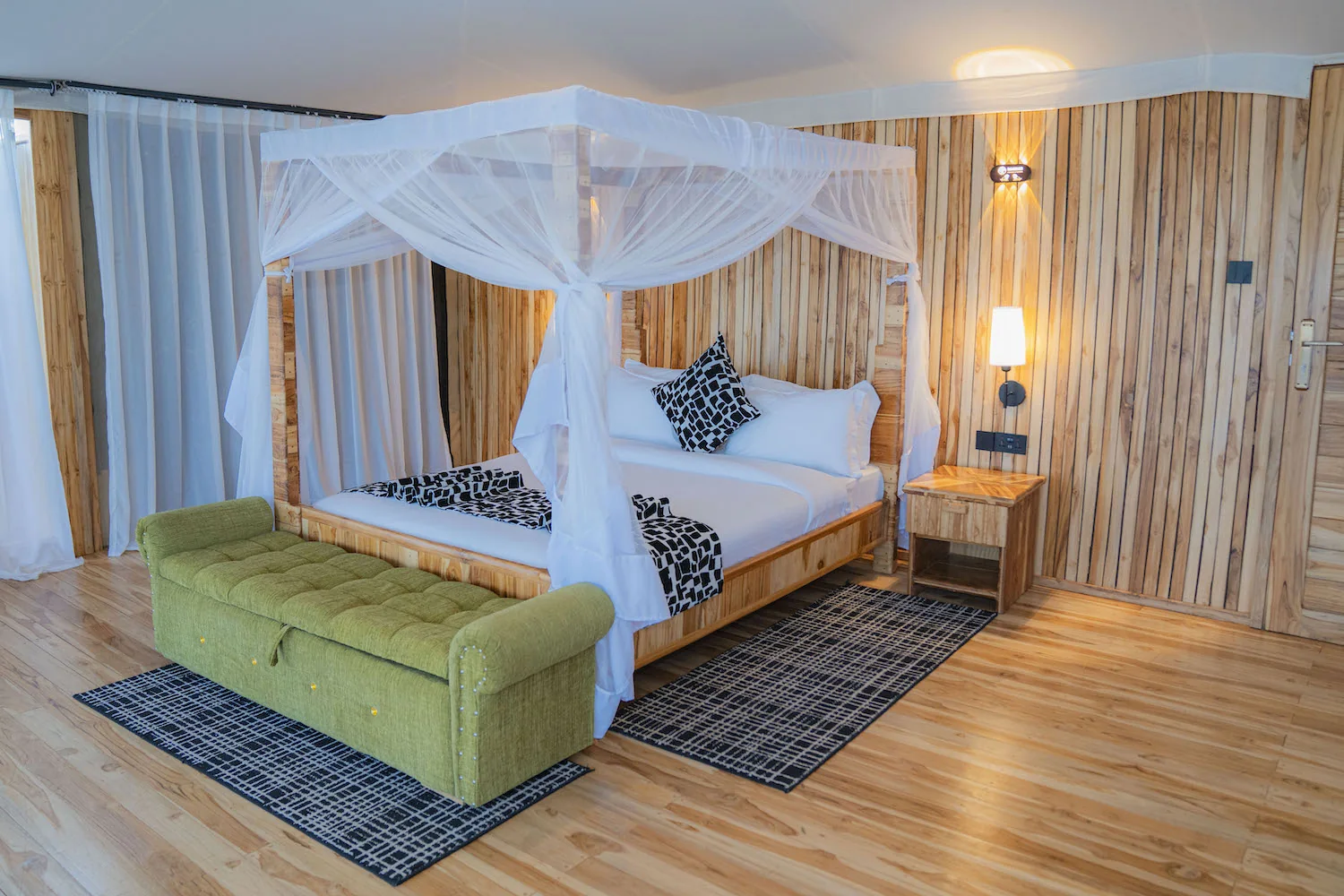
Baobab Central Luxury Camp
A tented safari camp in the central Serengeti near the Orangi River landscape.
View property →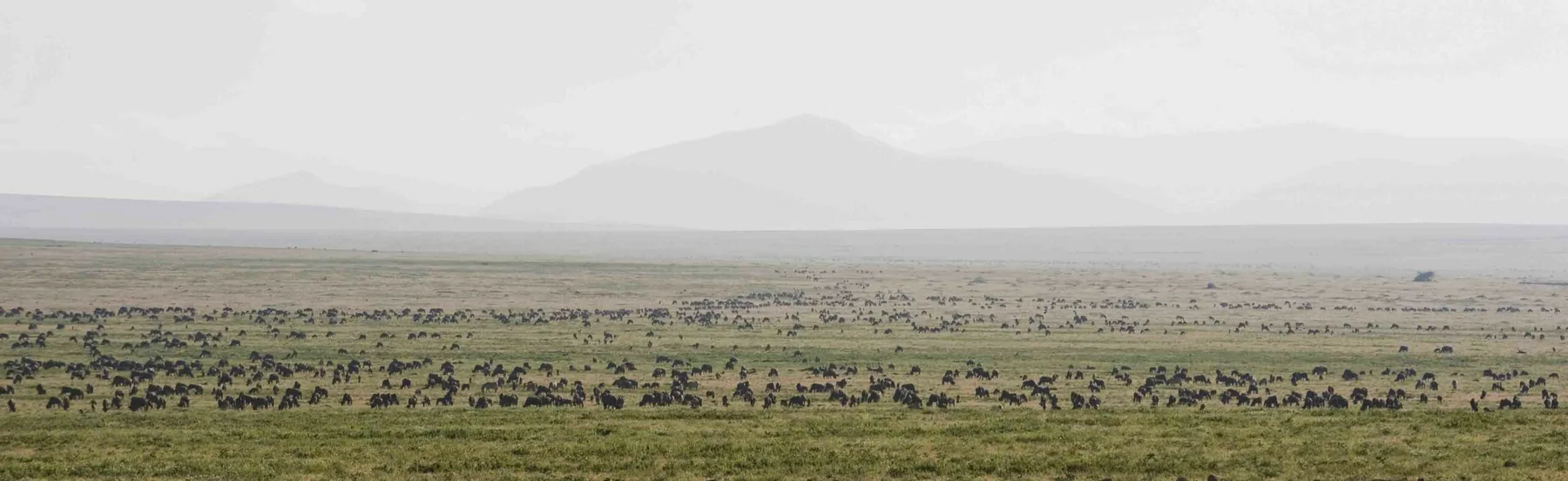
Ndutu Kati Kati Tented Camp
A seasonal Kati Kati camp serving the Ndutu and southern plains migration experience.
View property →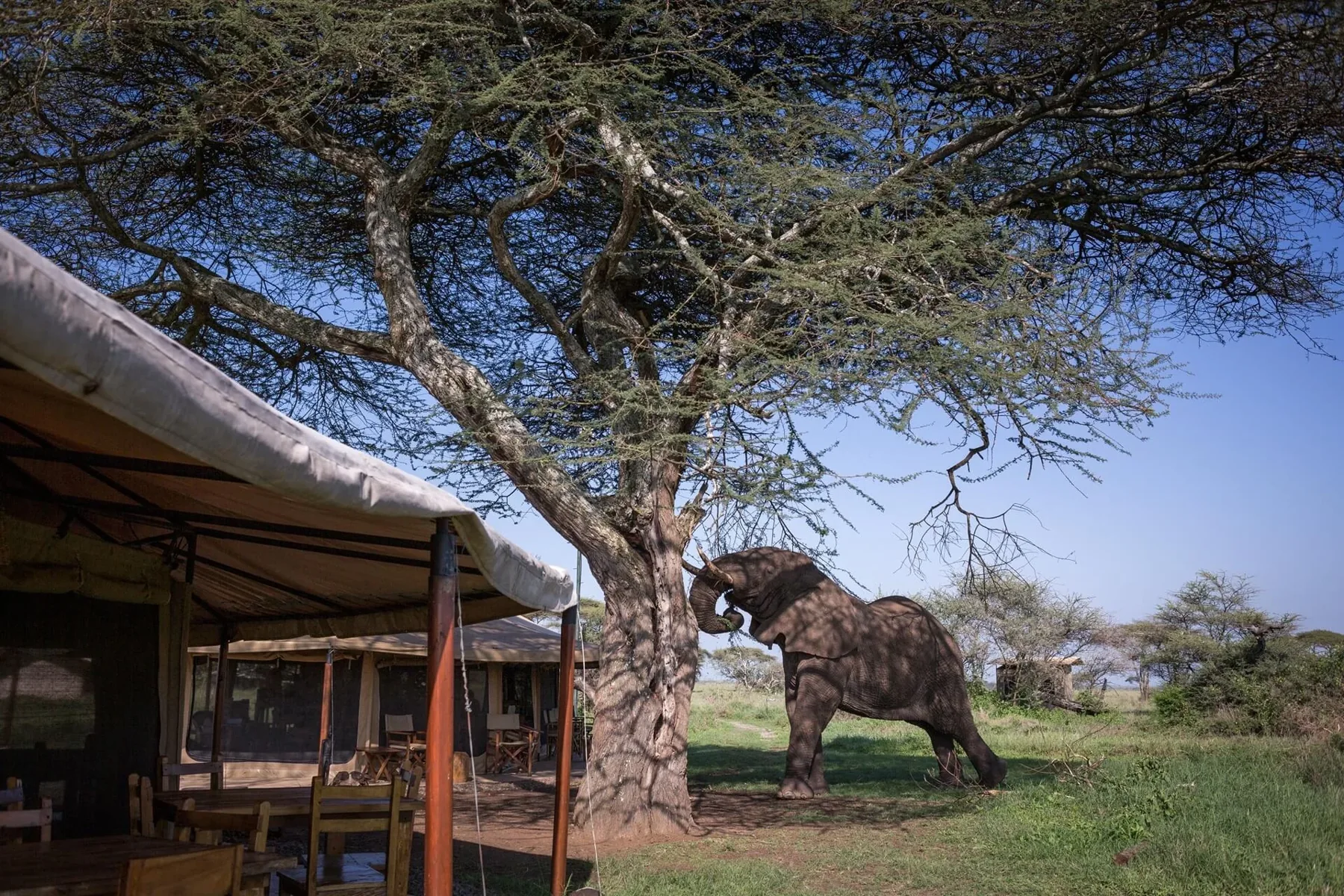
Mawe Tented Camp
A tented safari base in the central Serengeti.
View property →
Olmorijo Kogatende Camp
The northern member of the Olmorijo collection, positioned for exploring the Mara River region.
View property →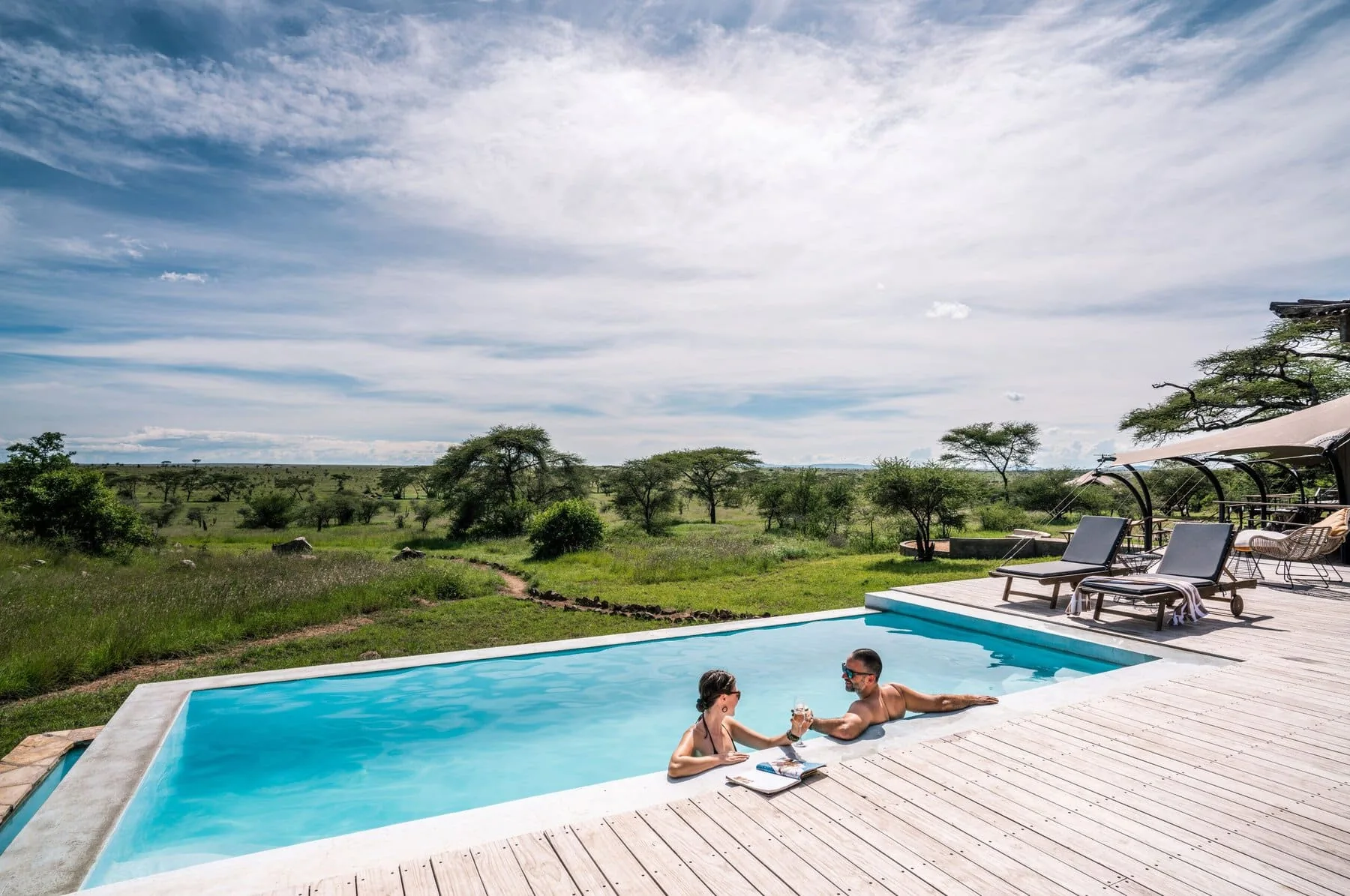
Lemala Nanyukie Lodge
A luxury lodge in the eastern Serengeti with tented suites and views over the surrounding plains.
View property →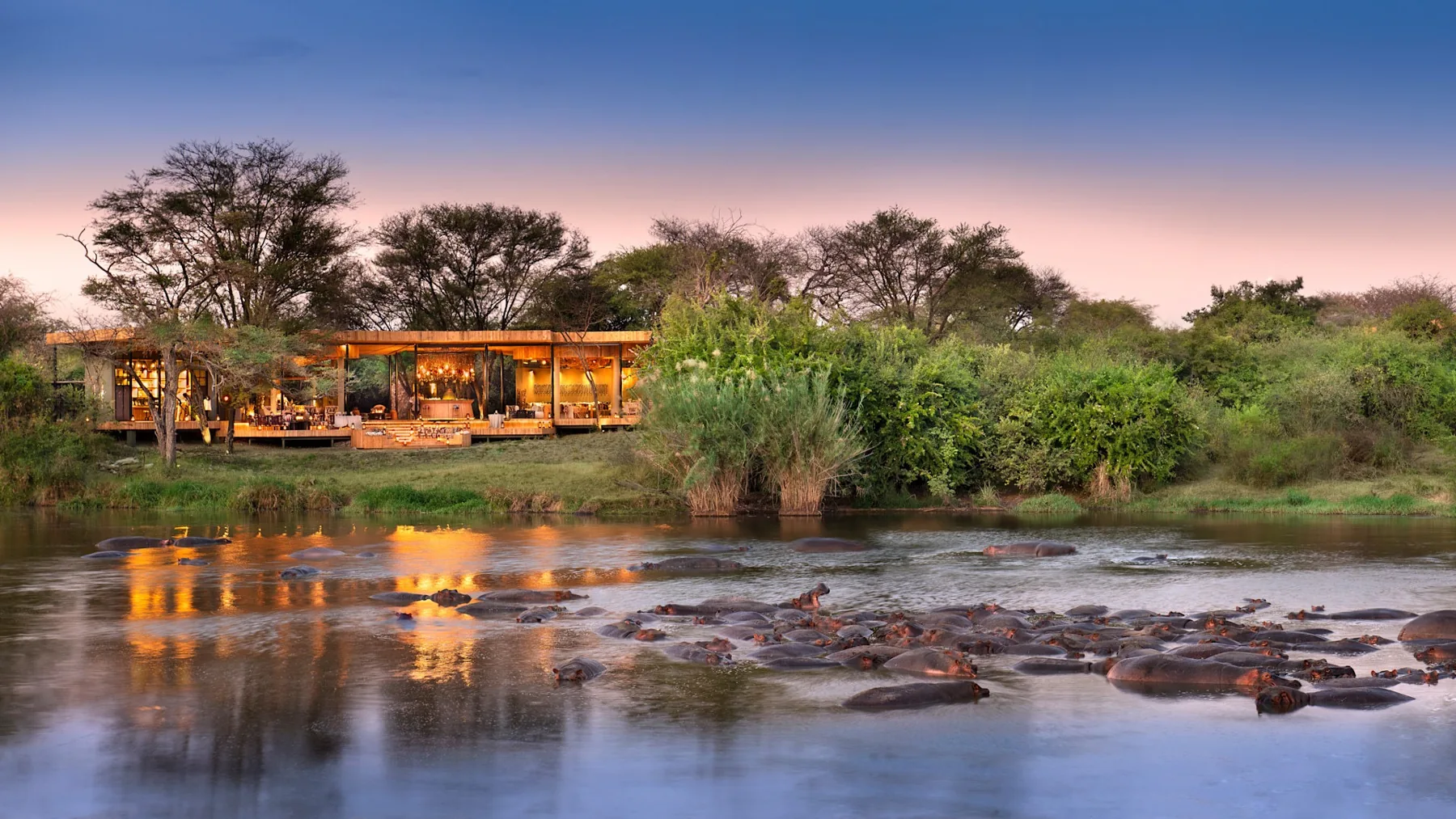
andBeyond Grumeti Serengeti River Lodge
A luxury riverside lodge in the Western Corridor of Serengeti National Park.
View property →
Serengeti Mara River Camp
The northern Serengeti property in the Karibu Camps & Lodges collection.
View property →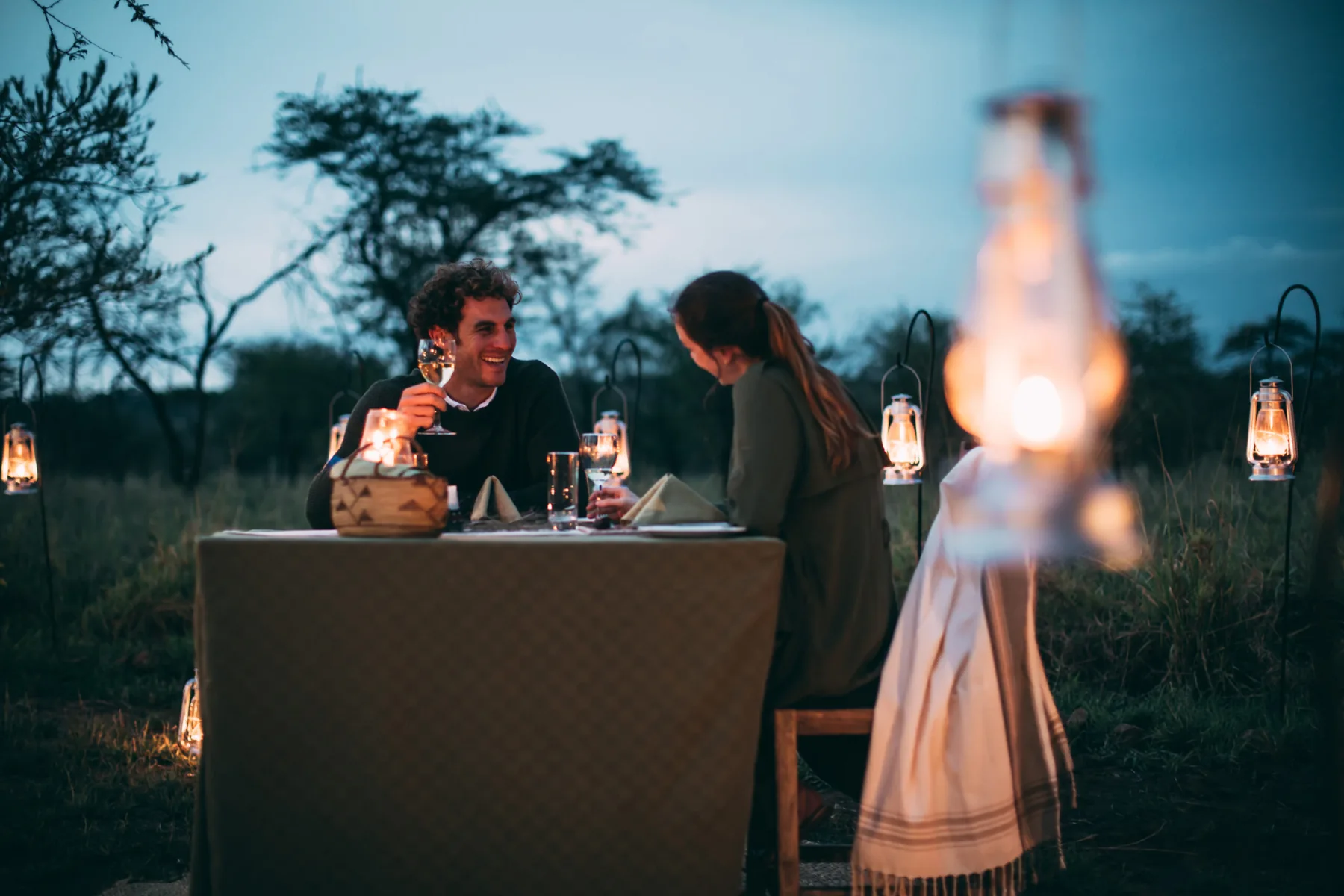
Serengeti Tortilis Camp
A tented safari camp in the central Serengeti, used between a crater visit and the road north towards the Mara River.
View property →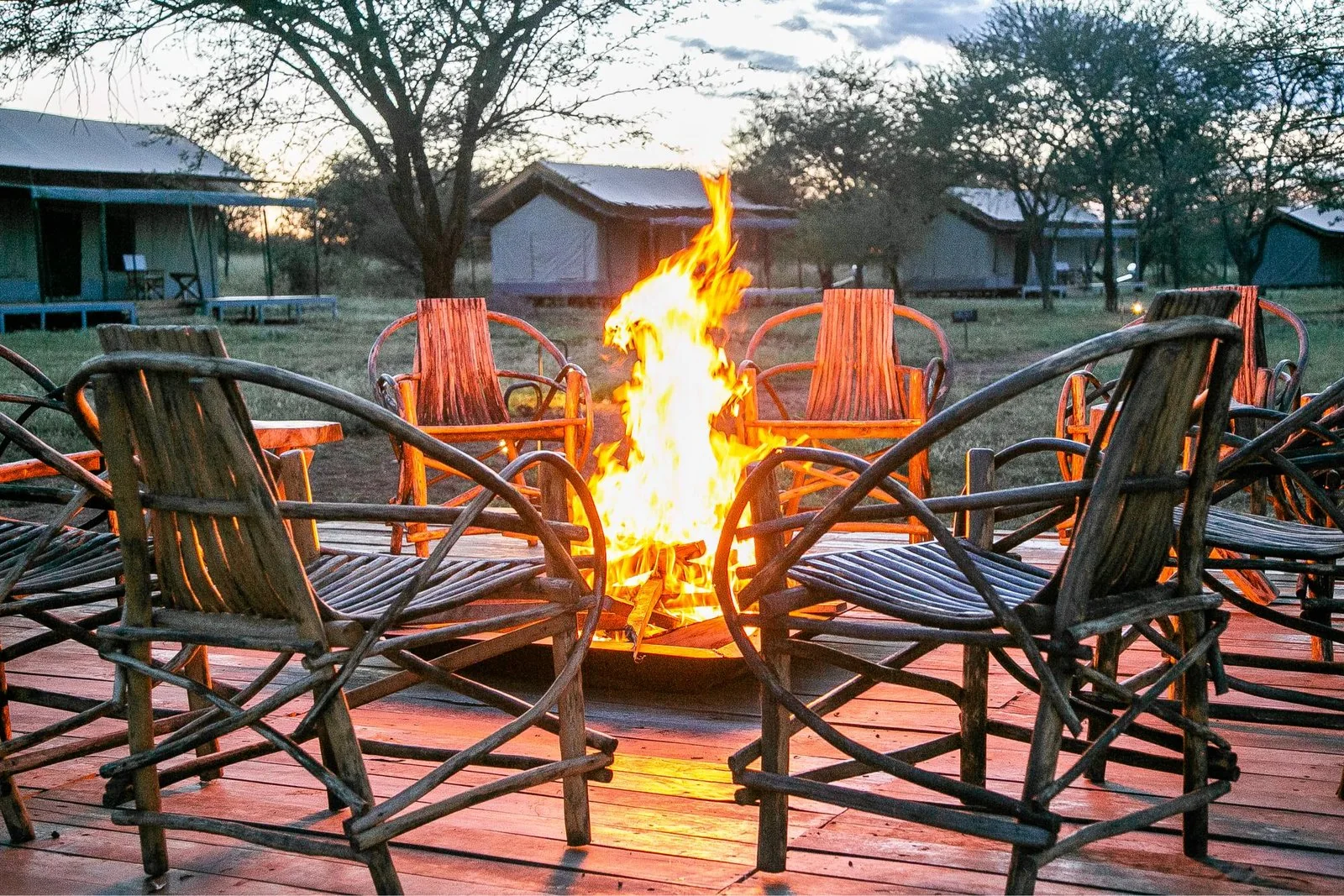
Kon Tiki Central Serengeti Camp
The central Serengeti camp in the Kon Tiki collection.
View property →
Tukaone Serengeti Camp
A central Serengeti tented stay from the Tukaone camp collection.
View property →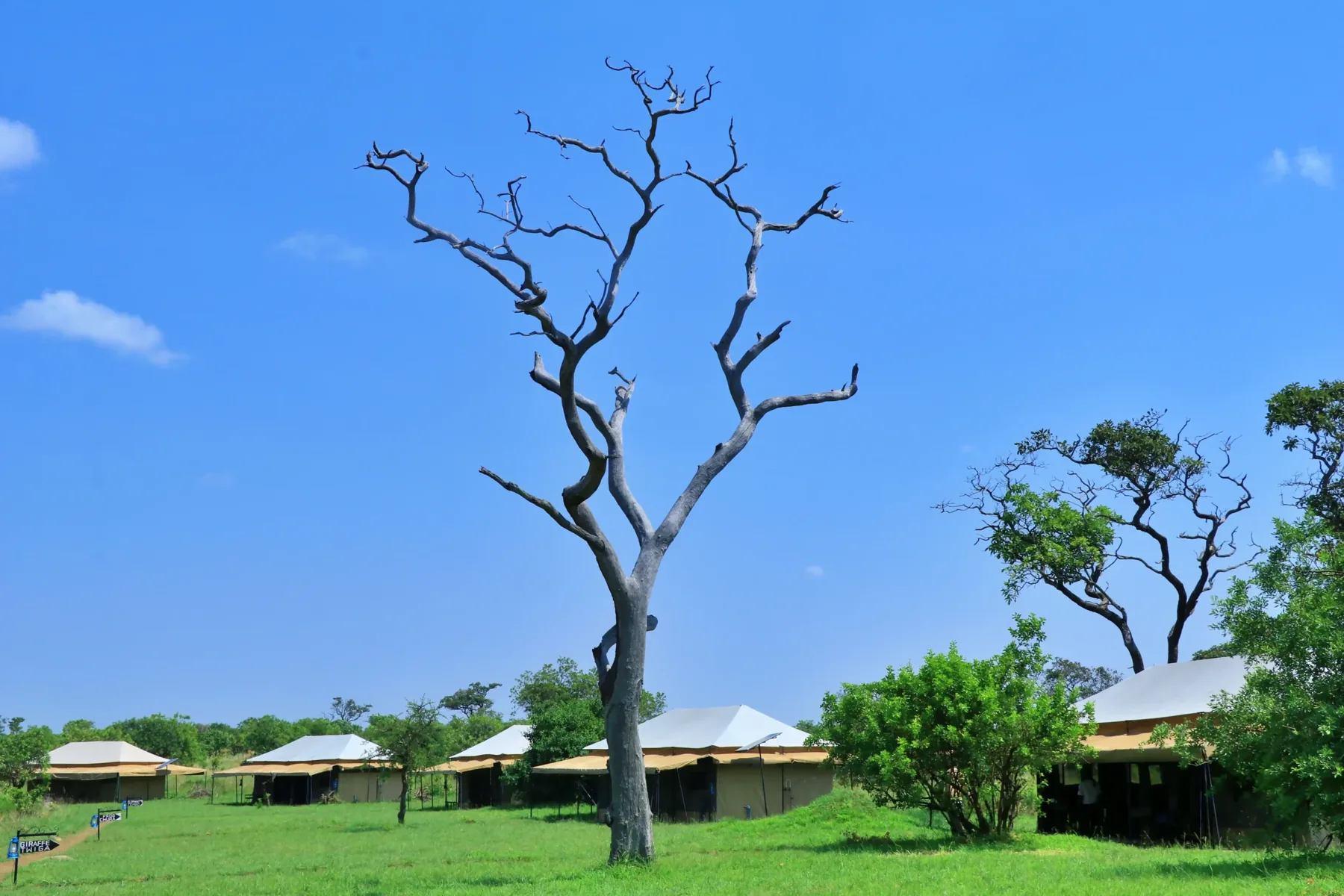
Tanzania Bush Camps — Mara River
The northern seasonal camp in the Tanzania Bush Camps collection, used for the Mara River portion of the journey.
View property →Journeys featuring Serengeti National Park.
8-Day Luxury Grumeti Migration & Fly-Out Safari
Discover northern Tanzania on a private safari that brings together Tarangire's baobab landscapes, the wildlife-rich Ngorongoro Crater and four nights in the Serengeti.
The East Africa Classic
Five landscapes across Kenya and Tanzania on one private safari.
The Tanzania Classic
Three legendary landscapes. One unforgettable introduction to Tanzania.
4-Day Serengeti & Crater Escape
Two Serengeti nights and a Ngorongoro Crater finale in a compact private safari.
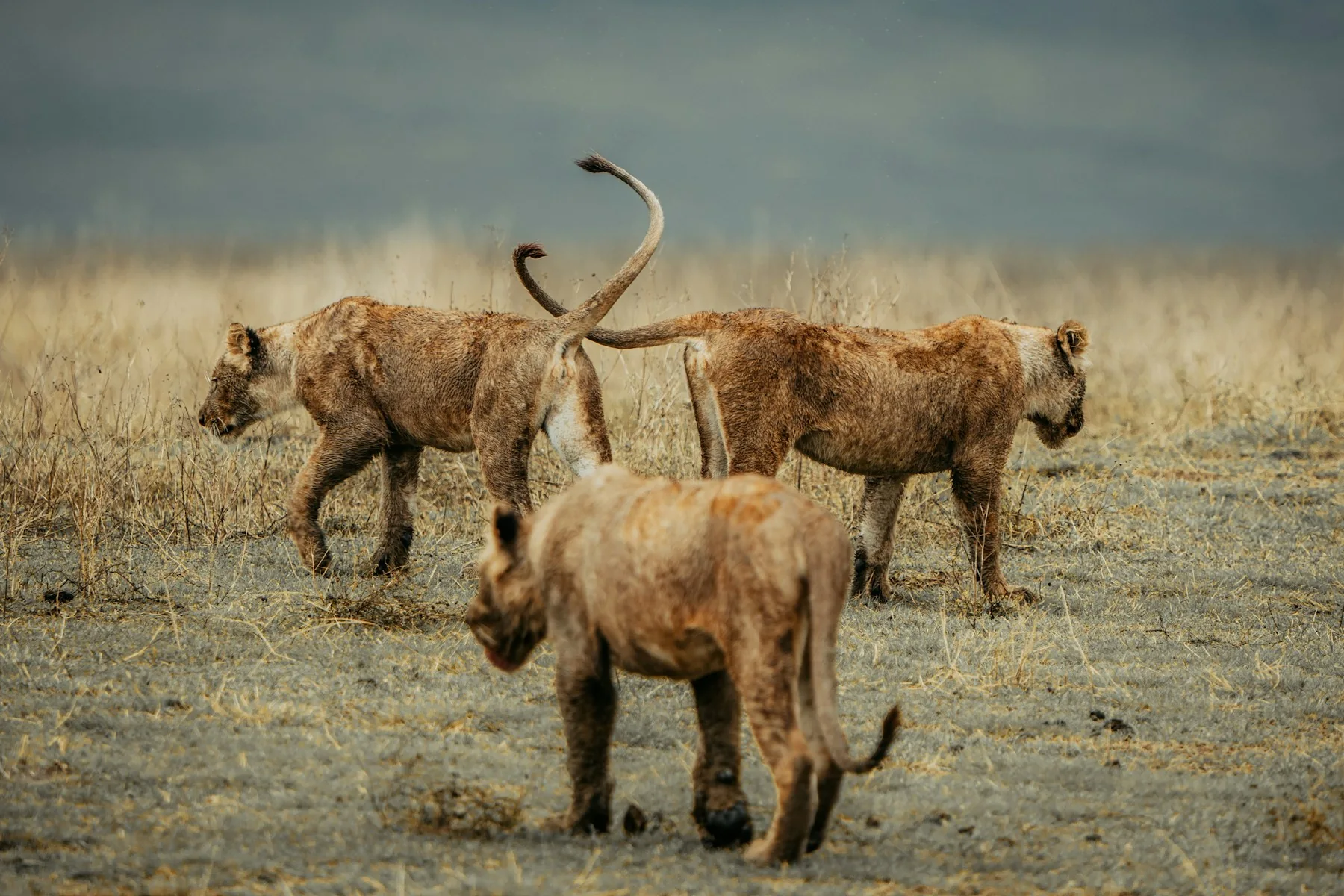
6-Day Baobabs, Plains & Crater
Tarangire, two Serengeti nights and Ngorongoro, with comfortable lodge and tented stays.
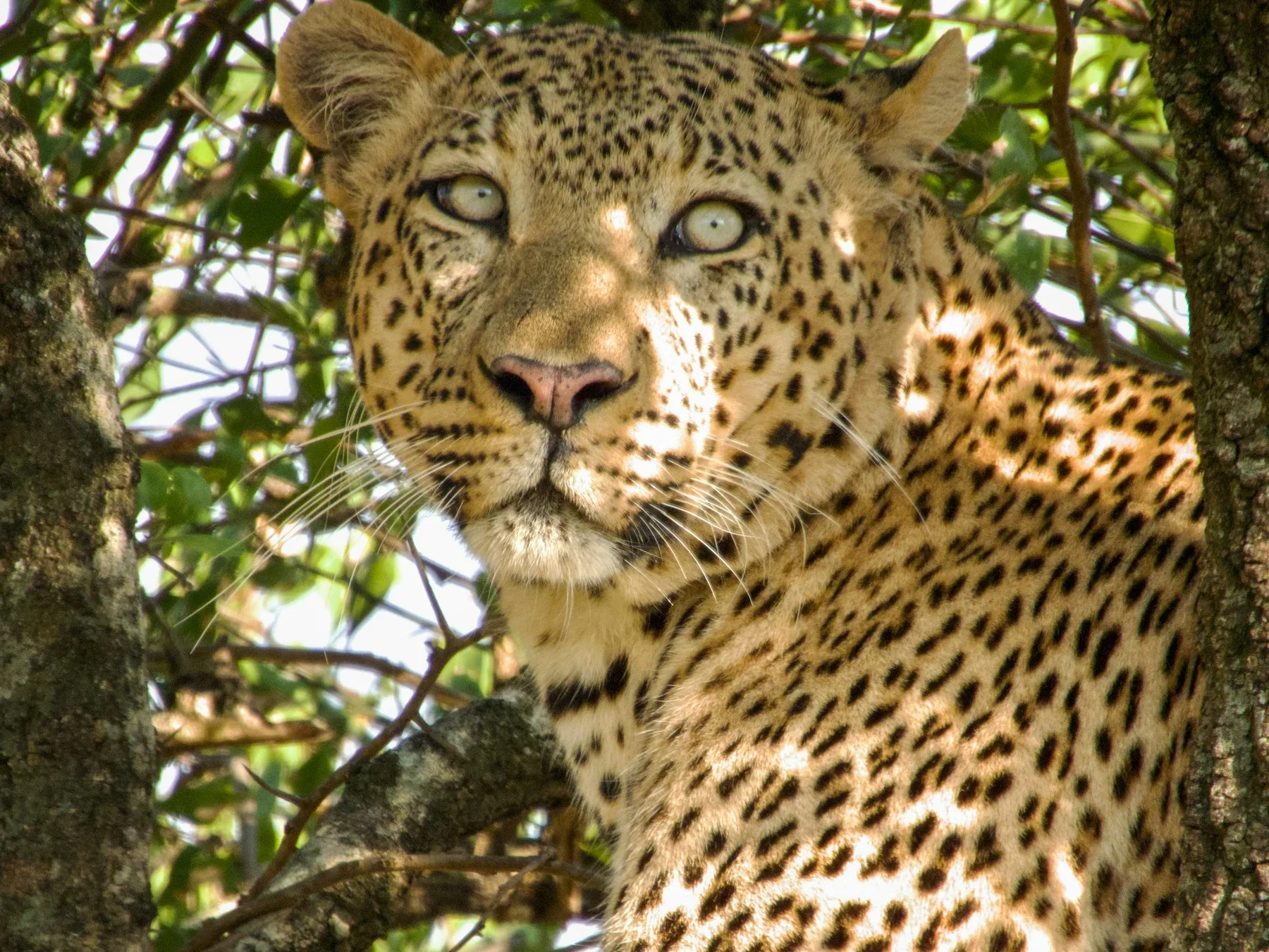
6-Day Tanzania Tented Trails
A private tented safari through Tarangire, the central Serengeti and Ngorongoro.
Combine Serengeti National Park with…
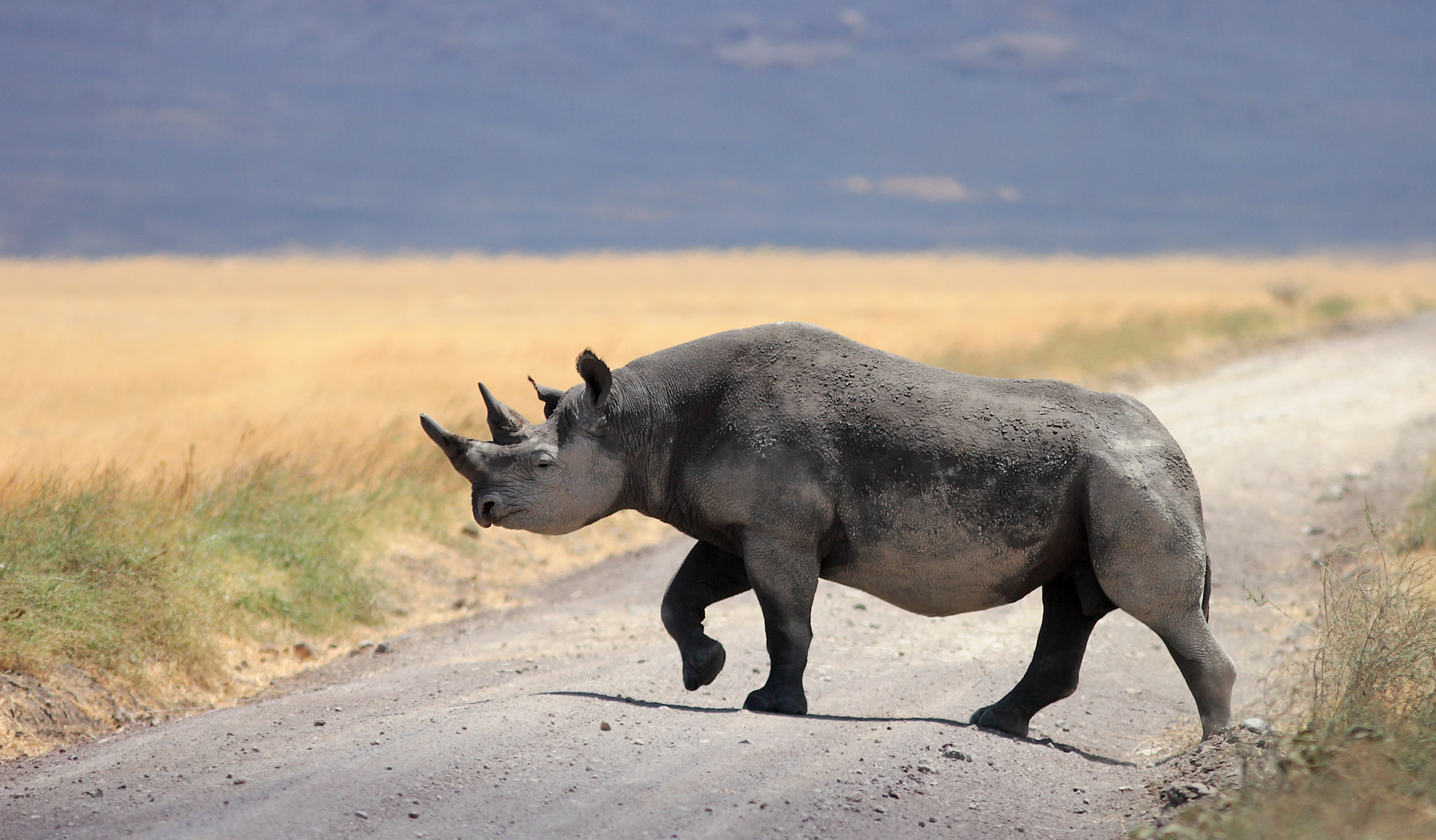
Ngorongoro Conservation Area & Crater
The world's greatest natural wildlife amphitheatre.
A UNESCO World Heritage Site where 260 square kilometres of crater floor hold lion, elephant, buffalo, leopard and one of Africa's last populations of black rhino — all beneath a 600-metre volcanic rim shared with Maasai herders.
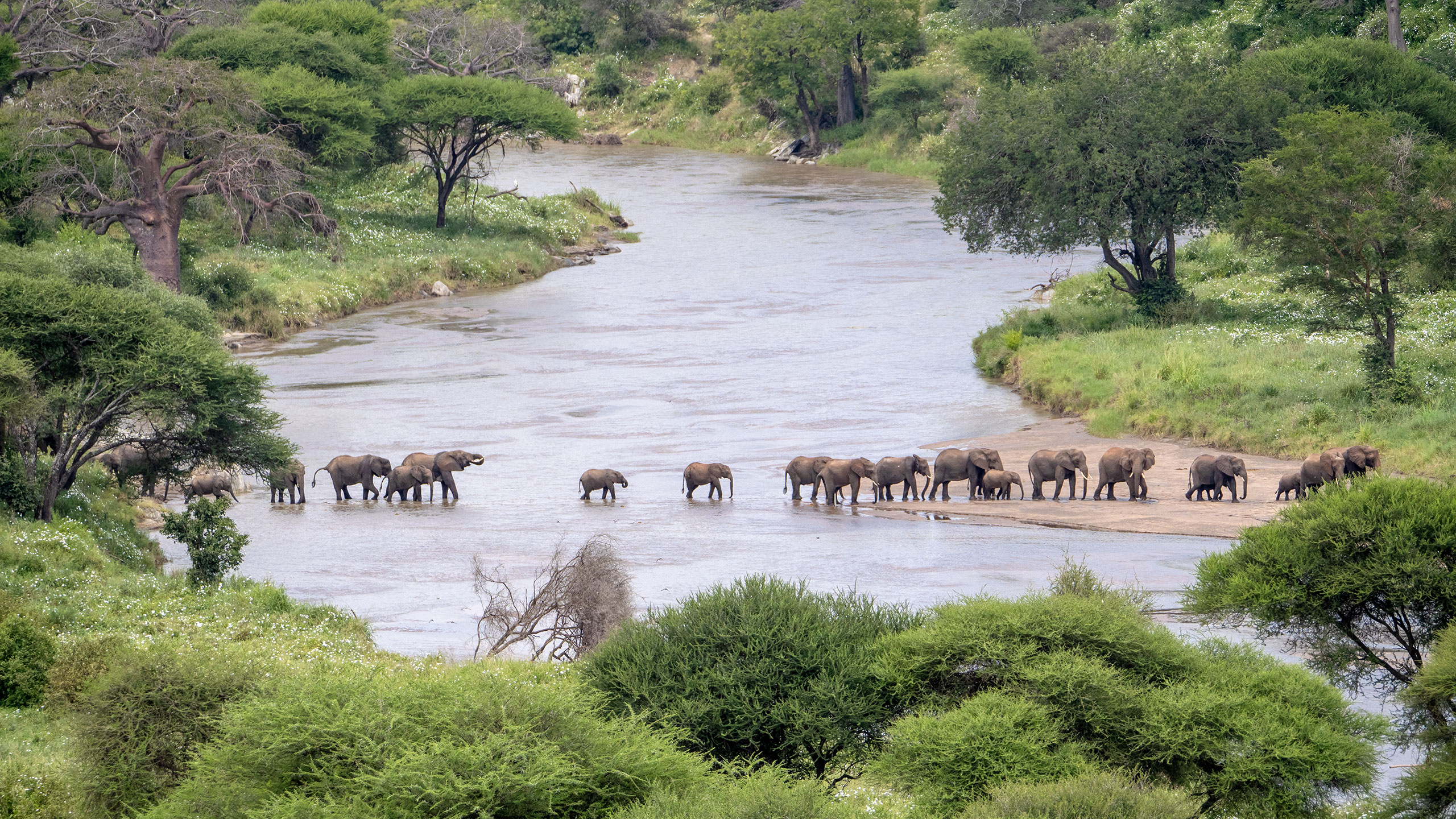
Tarangire National Park
Elephant country, written in baobab.
A baobab-studded valley along the Tarangire River, drawing Tanzania's largest dry-season elephant concentrations between June and October.
Zanzibar
Indian Ocean island, Swahili soul.
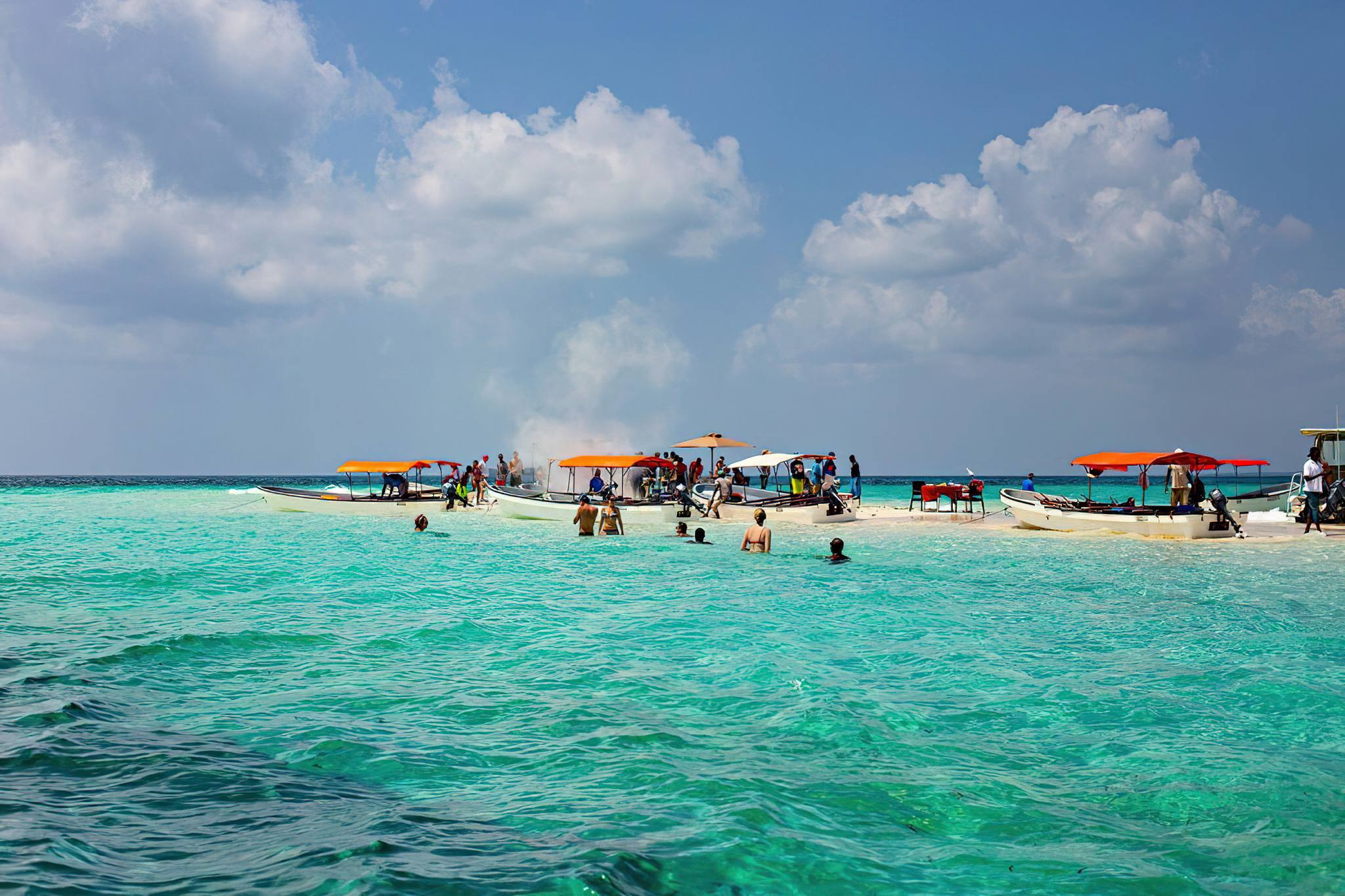
The Spice Island — powder-white beaches and warm turquoise water on one side, the UNESCO-listed labyrinth of Stone Town on the other, and coral reefs, spice farms and dolphin-filled channels in between.
Mount Kilimanjaro
The highest walk in Africa.
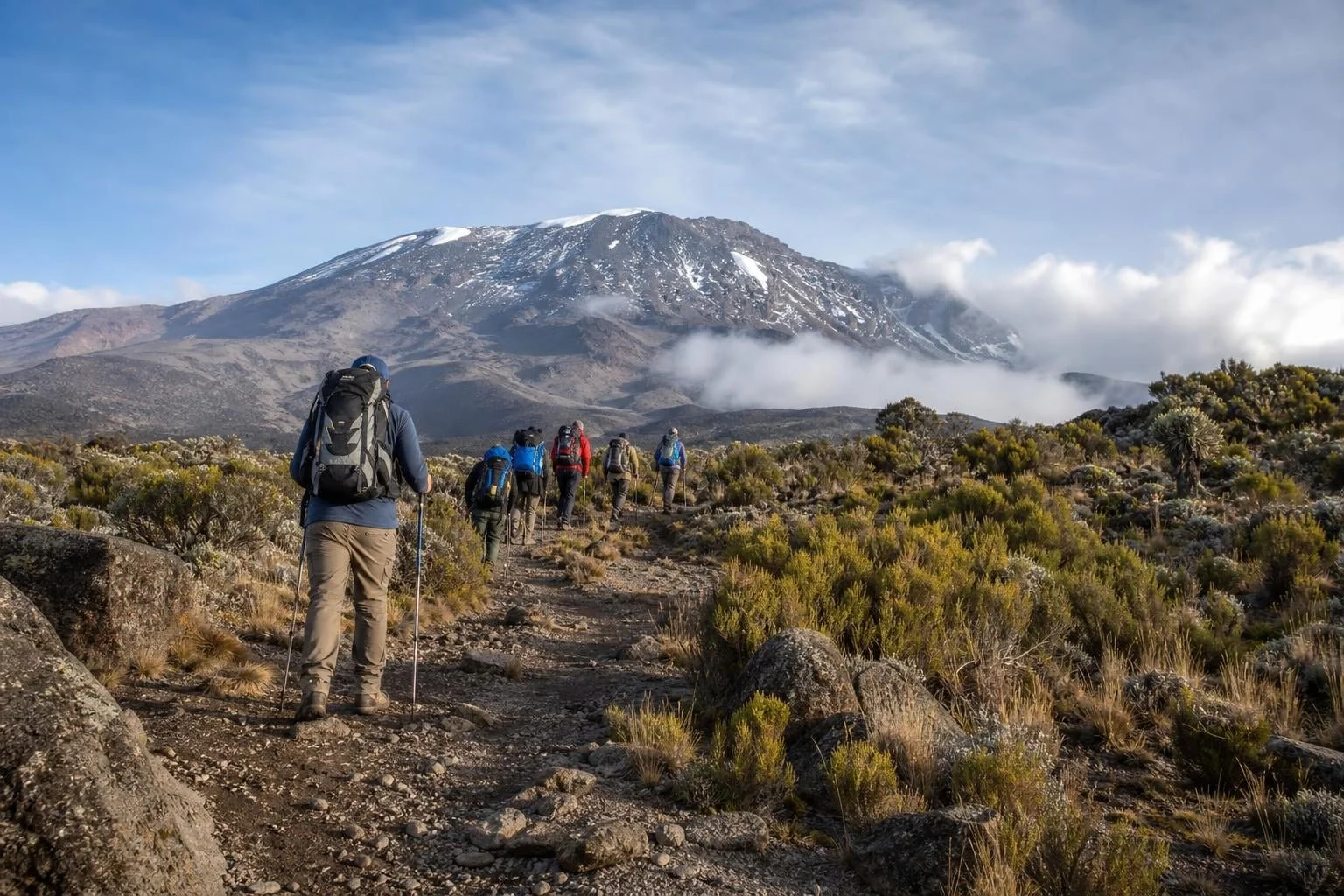
Africa's highest peak and the world's tallest freestanding mountain — a non-technical trek through rainforest, moorland, alpine desert and glacial ice to Uhuru Peak at 5,895 metres.
Planning your visit.
Practical guidance from our on-the-ground team, tailored to this destination.
Packing
Neutral colours, a genuinely warm fleece for pre-dawn drives, buff or scarf for dust, wide-brimmed hat and high-factor sun protection.
Health
Malaria prophylaxis advised. Tsetse flies occur in woodland — avoid dark blue and black clothing.
Safety
Most camps are unfenced; you will be escorted after dark and should never walk alone between tent and mess.
Photography
A 100–400mm covers most work, with a wider lens for kopje landscapes. Bean bags beat tripods in a vehicle. Drones are prohibited.
Connectivity
Patchy mobile coverage; most camps offer limited Wi-Fi in public areas only. Treat it as genuinely off-grid.
Family advice
Excellent from around age six. Central Serengeti suits families best — shorter drives, quicker sightings, more camps with family tents.
Responsible tourism
Stay on tracks, keep a respectful distance at crossings and never ask a driver to reposition into the path of moving herds. Choose camps that publish their conservation and community contributions.
Frequently asked.
When is the Great Migration in the Serengeti?
It is in the Serengeti all year — the question is where. Southern plains December to March, western corridor around May and June, northern Mara River July to October, returning south in November.
How many days do I need in the Serengeti?
Three nights minimum. Two nights means one full day of game viewing after the drives in and out. Four or five nights lets you split between two sectors.
Should I fly or drive in?
Fly at least one leg if the budget allows. The road from Ngorongoro to Seronera is scenic but long; flying converts a travel day into a game-viewing day.
Which sector is best for a first visit?
Central Serengeti for reliability, or the north between July and October if the crossings are your priority.
Are the river crossings guaranteed?
No. Herds mass at the river for days and cross when they choose. Three or four nights in the north during the season gives a strong chance; a single night does not.
Is the Serengeti crowded?
At popular Seronera sightings in August, yes — vehicle numbers can be high. The north, the west and the green season are dramatically quieter, and a good guide works away from the radio traffic.
Can I do a walking safari?
Yes, in designated wilderness zones with an armed ranger and licensed walking guide. It is not available everywhere in the park.
What about the black rhino?
A small protected population exists near the Moru kopjes. Sightings are rare and we will not build expectations around them — Ngorongoro Crater is the better bet.
Related reading.
Guides that pair well with a journey to this destination.
Ready to experience Serengeti National Park?
Tell us what draws you here and we'll shape a private journey around the places, experiences and pace that matter to you.