


Hot Air Balloon Safaris
One hour, no engine.
A dawn flight over the Serengeti, Tarangire or the Maasai Mara — drifting at treetop height as the plains wake, followed by a bush breakfast where you land.
- Available in
- Tanzania · Kenya
- Best time
- Most reliable flying: June – October · Calving plains from the air: January – March · Most cancellations: April – May
- Type
- signature
The one splurge nobody regrets.
It is expensive, it starts in the dark, and it lasts about an hour. It is also, almost without exception, the thing guests name first when they talk about their safari afterwards.
You are collected before dawn and driven to the launch site while the burners are being tested — an oddly theatrical scene in the half-light. Once airborne there is no engine noise at all, only the burner at intervals and, below you, the plains coming awake: hippo shifting in a river bend, giraffe looking up, a hyena walking a track with real purpose.
The pilot flies with the wind, low over the grass where conditions allow and then up for the scale of the thing. Where you land depends entirely on where the wind takes you, which is why a breakfast is laid out in the bush at the landing site with a certificate and a glass of something cold.
Flights operate over the central Serengeti year-round, the southern plains in the calving season, Tarangire seasonally, and the Maasai Mara. All are weather-dependent and cancelled without hesitation if the wind is wrong — which is exactly what you want from a balloon operator.
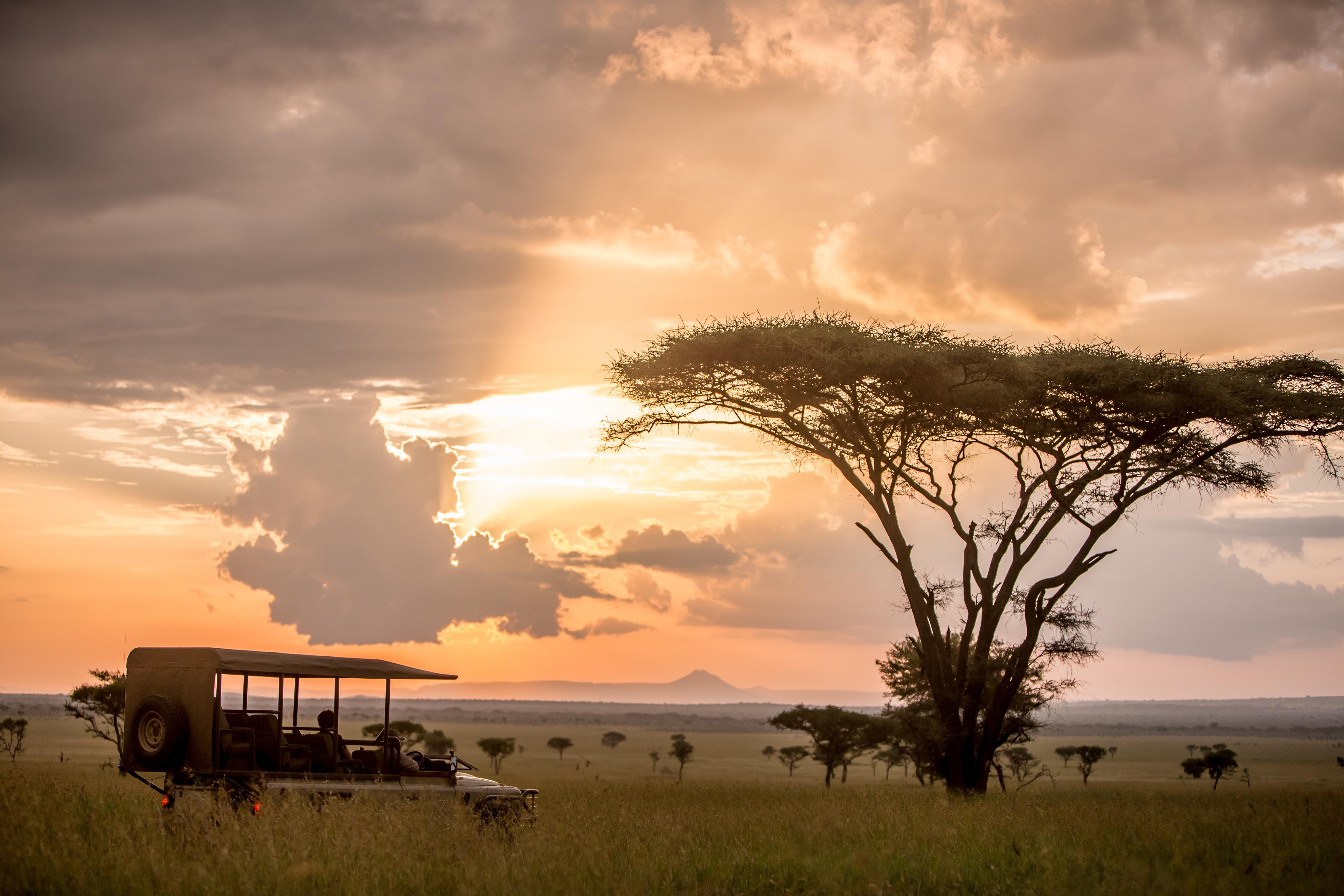
Why Hot Air Balloon Safaris?
Silent flight at dawn
No engine — only the burner and the sound of the plains waking beneath you.
Treetop to a thousand feet
The pilot works the wind layers, flying low over the grass then climbing for the full scale of the ecosystem.
Bush breakfast on landing
A full breakfast laid out wherever you come down, with a flight certificate.
Migration from above
In season, herds seen as the moving mass they actually are rather than in fragments.
Serengeti, Tarangire and the Mara
Central and southern Serengeti year-round or seasonally, Tarangire seasonally, the Maasai Mara daily.
Photography from the air
Unobstructed, level light in the first hour after sunrise — the best aerial conditions of the day.
Where to experience Hot Air Balloon Safaris.
Tanzania
Explore Tanzania →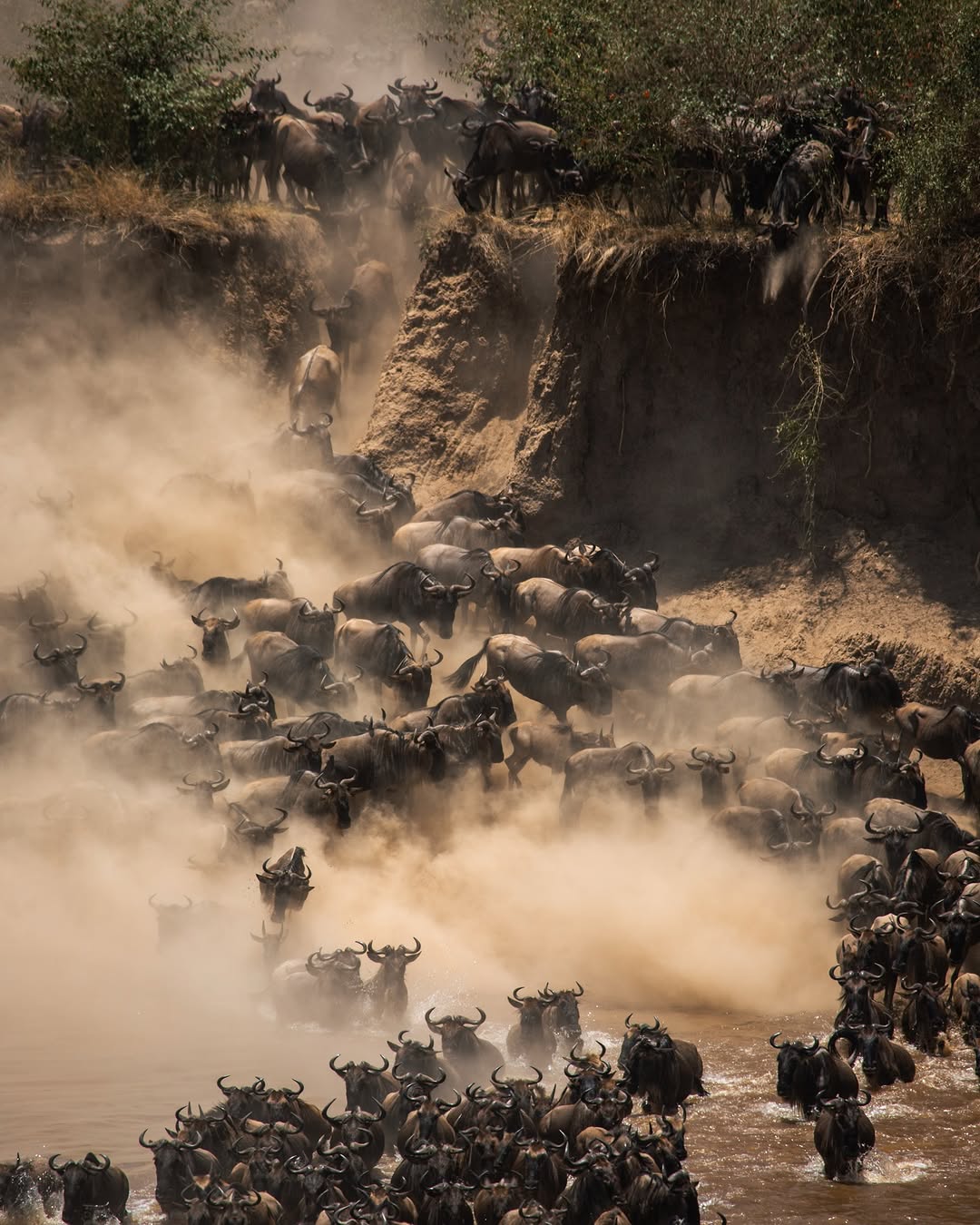
Serengeti National Park
The endless plains.
Fourteen thousand square kilometres of grassland, kopjes and riverine forest carrying the largest land migration on earth — and, outside the migration, the densest population of big cats in Africa.
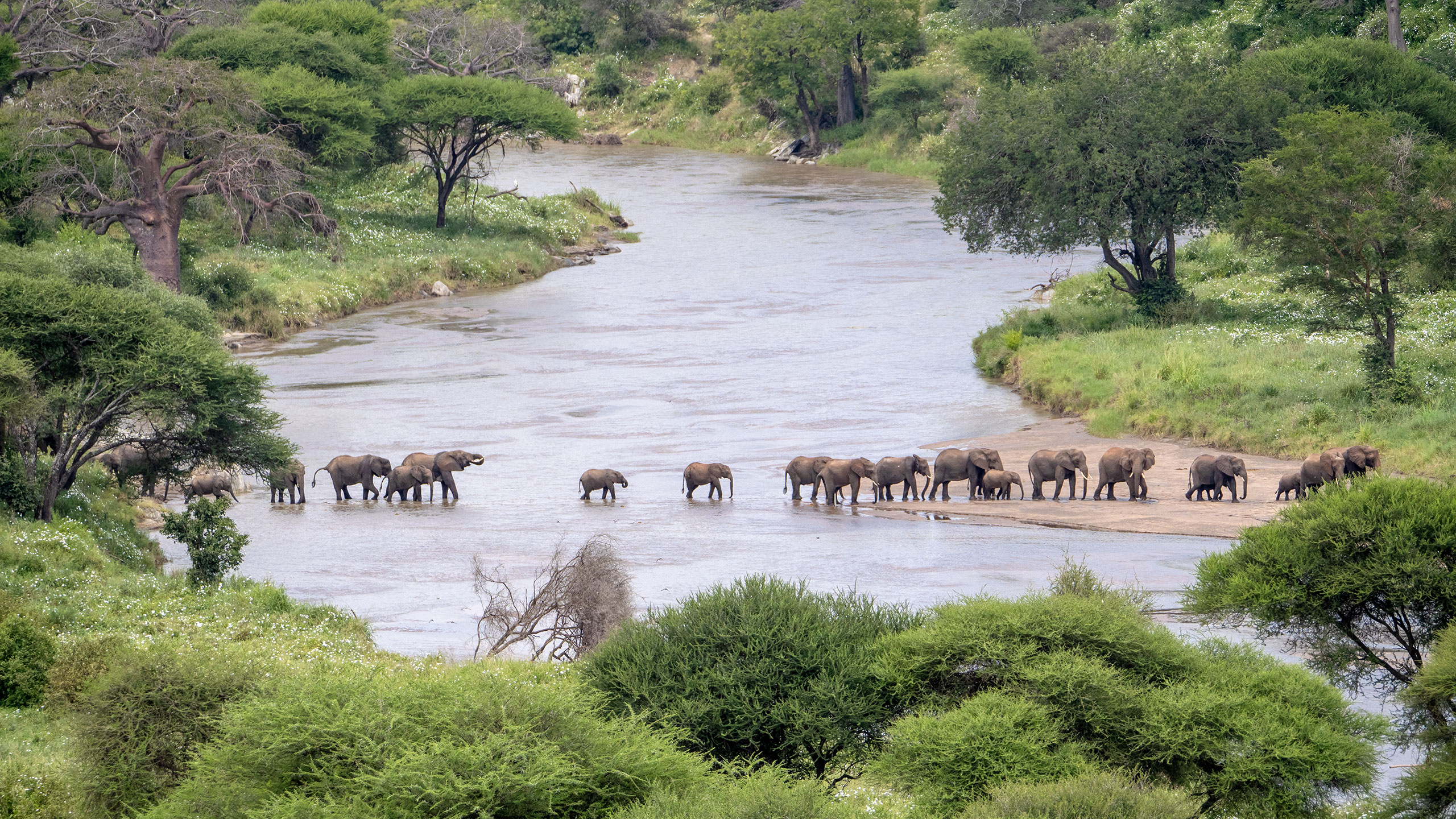
Tarangire National Park
Elephant country, written in baobab.
A baobab-studded valley along the Tarangire River, drawing Tanzania's largest dry-season elephant concentrations between June and October.
Kenya
Explore Kenya →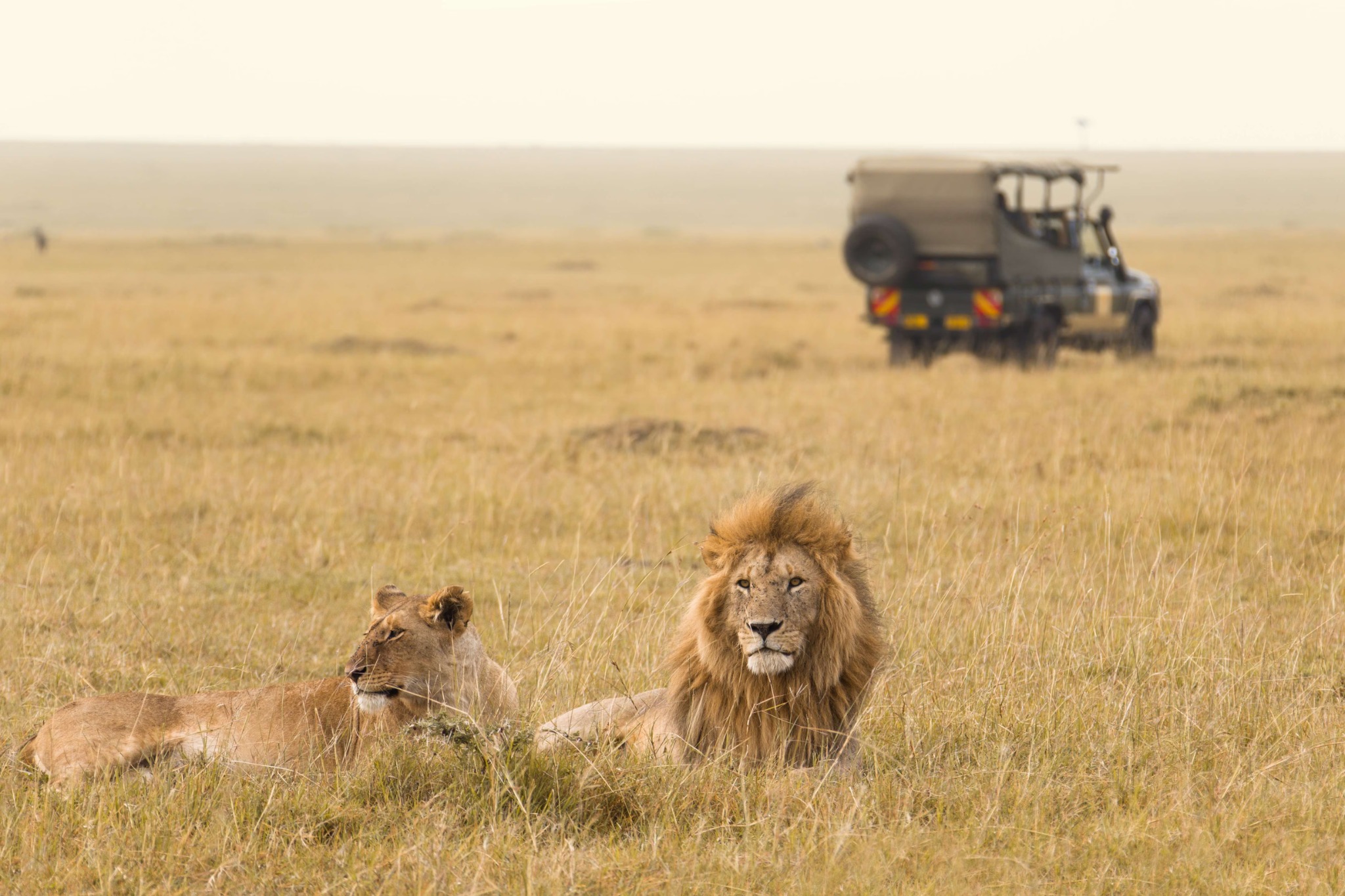
When to experience it.
Flights run year-round in the central Serengeti and the Maasai Mara. June to October gives the most reliable weather and the best chance of seeing large herds; January to March puts you above the calving plains in the south.
Southern plains flights over the gathering calving herds.
Peak calving beneath the balloon — the most dramatic aerial month.
Warm and green, with more weather cancellations later in the month.
Long rains bring frequent cancellations; some launch sites pause.
Improving late; central Serengeti flights are the most reliable option.
Dry season — calm mornings and excellent flying conditions.
Peak conditions and peak demand; reserve well ahead.
Clear, calm mornings and the best chance of herds below.
Dry and settled — superb light for aerial photography.
Hot and dry with good flying and dramatic dust-lit light.
Short rains bring occasional cancellations.
Generally good flying; festive-period slots fill early.
What to expect.
The early start
Collection between 04:30 and 05:30 depending on the camp, arriving at the launch site in the dark for a safety briefing as the balloon is inflated.
The flight
Roughly one hour airborne, at heights from just above the grass to around 300 m, entirely dependent on wind.
The landing
Baskets land where the wind allows, sometimes upright and sometimes tipped on their side — the pilot will brief the landing position and it is entirely normal.
Breakfast
A full bush breakfast at the landing site, then a short game drive back to camp, usually arriving mid-morning.
Weather cancellation
Flights are cancelled for wind or storms and refunded in full or rescheduled. Safety decisions sit with the pilot alone.
Hot Air Balloon Safaris in pictures.

Planning this experience.
- Duration
- About one hour airborne, five to six hours in total.
- Start time
- Collection between 04:30 and 05:30.
- Age and height
- Minimum age 7 and roughly 1.2 m tall.
- Where it flies
- Central and southern Serengeti, Tarangire seasonally, Maasai Mara.
- Cancellation
- Weather cancellations are refunded in full or rescheduled.
- Booking window
- Reserve at the time of booking for July – October and the calving season.
Explore more experiences.
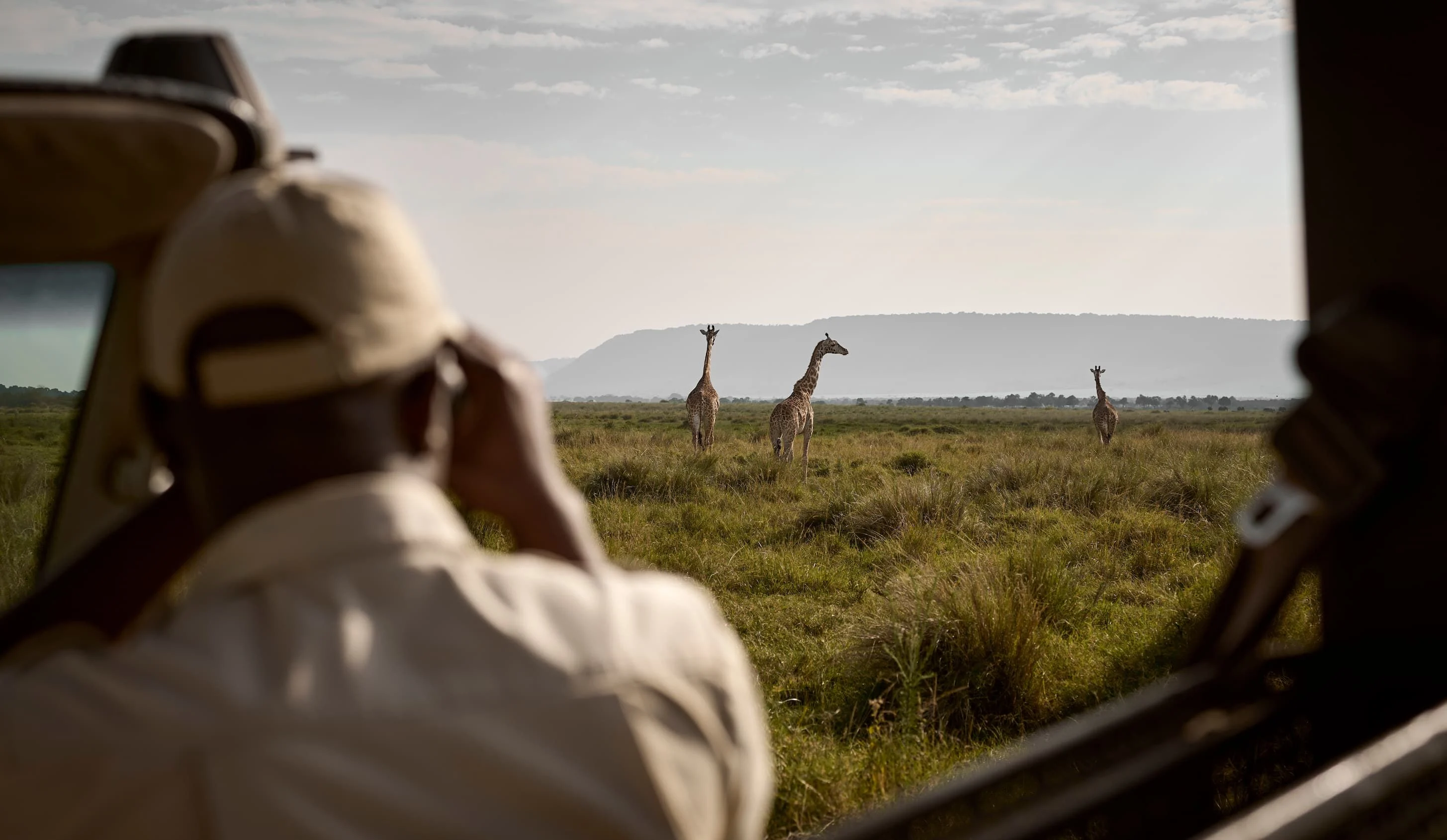
Wildlife Safaris
The reason you came.
Private, guided game viewing across the great ecosystems of East Africa — the Serengeti, Ngorongoro, Tarangire, the Maasai Mara and beyond — with your own vehicle and guide on tailor-made journeys, and shared departures only where specifically stated.
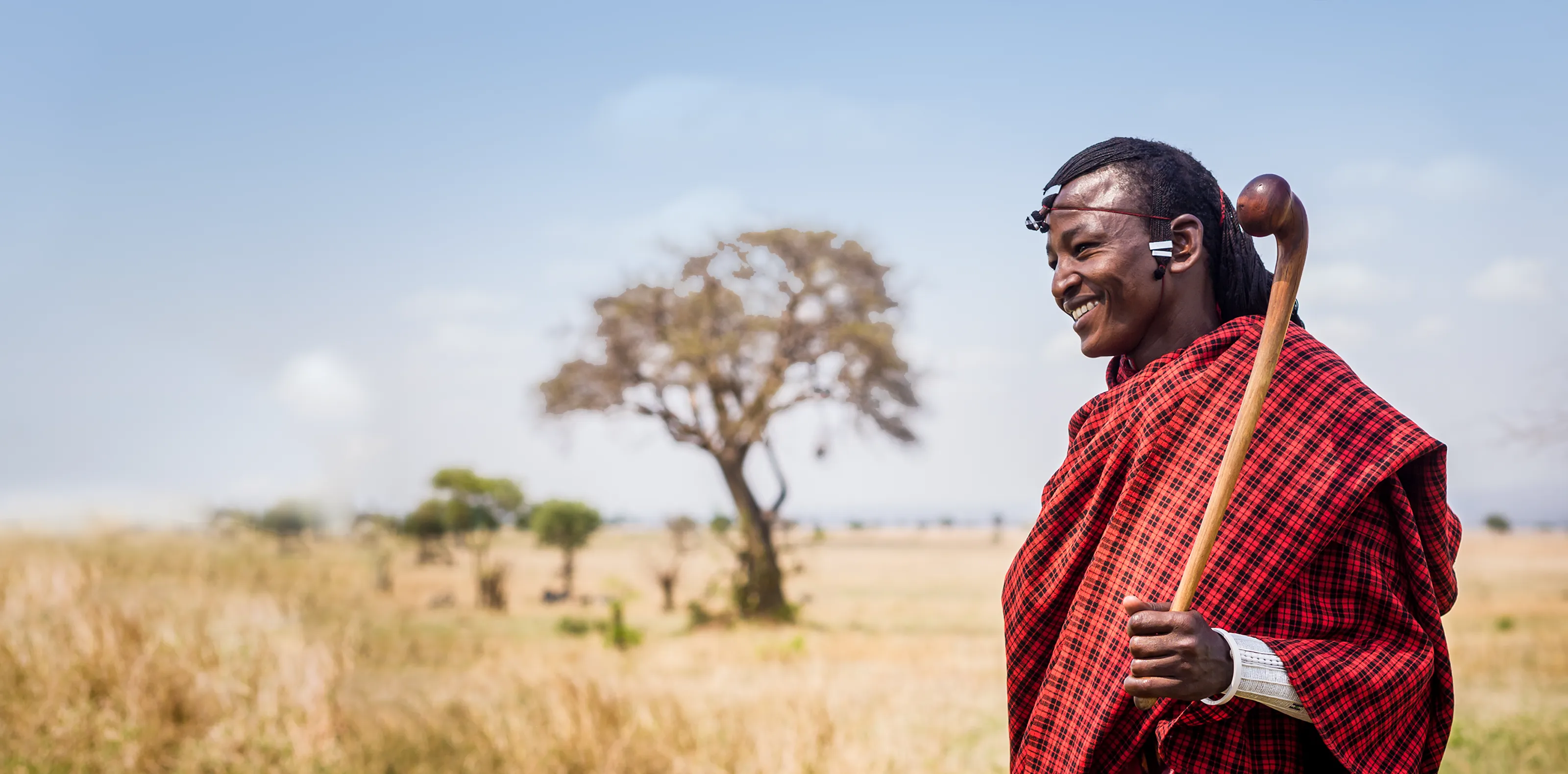
Cultural Experiences
Meet the people, not a performance.
Time with Maasai, Hadzabe, Datoga, Chagga and Swahili communities arranged directly and paid fairly — conversation and craft rather than staged dancing at the gate.
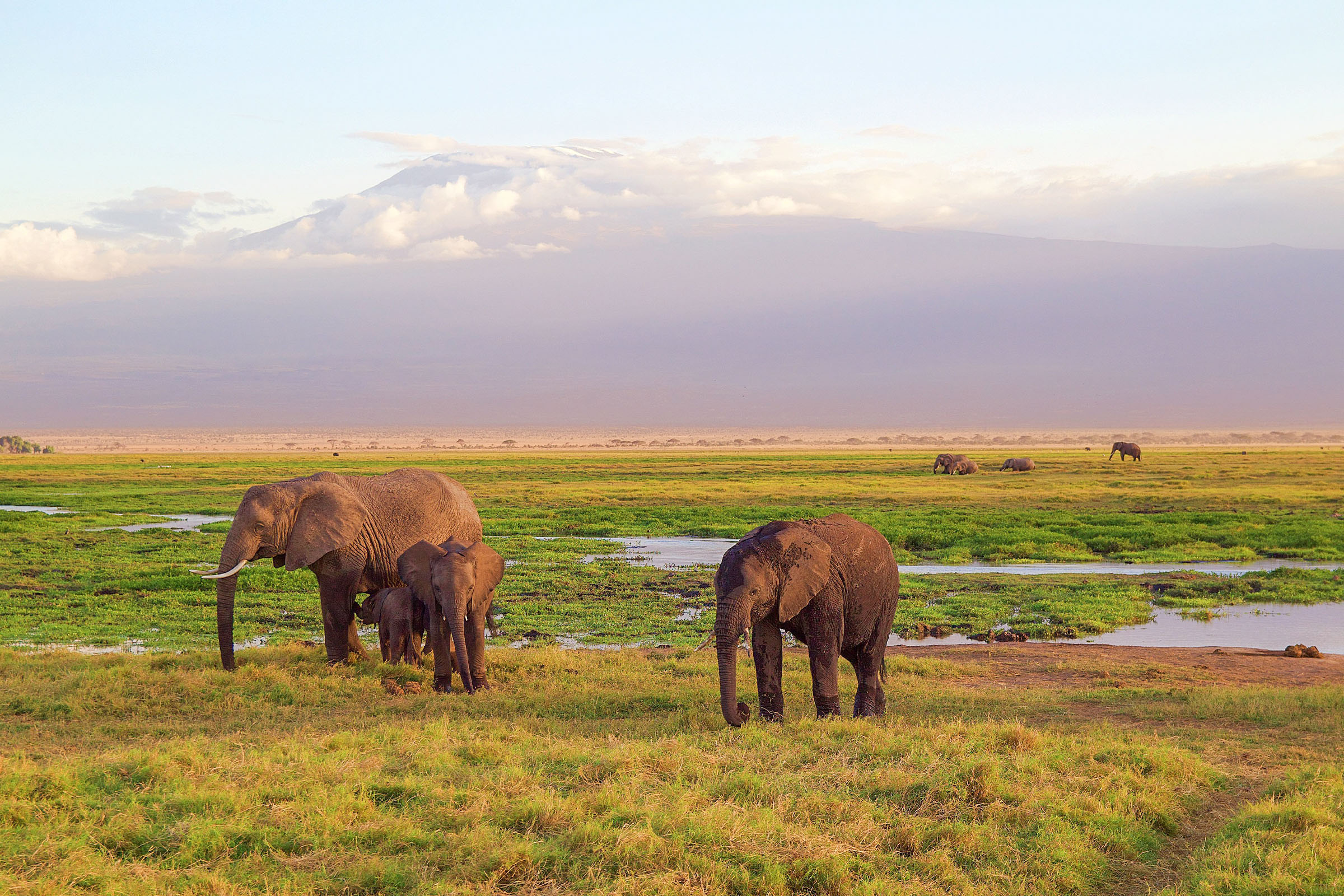
Hiking & Trekking
On foot, at last.
Day hikes and multi-day walks away from the vehicle — crater rims, forest waterfalls, Rift Valley escarpments, the Usambara Mountains and guided walking safaris with an armed ranger.
Frequently asked.
Is it worth the money?+
It is the single most expensive hour of most safaris and the one guests most often say they would repeat. If the budget stretches to one splurge, this is the one we recommend.
How safe is it?+
Operators are licensed and pilots are commercially rated, with strict load calculations and no tolerance for marginal wind. Flights are cancelled readily, which is the reassuring part.
What if the flight is cancelled?+
You are refunded in full or moved to another morning if your itinerary allows. Cancellation decisions rest with the pilot.
Will we see the migration from the air?+
In the right month and area, often — and it is by far the best way to grasp the scale. Balloons follow the wind, not the herds, so it can never be promised.
Can children fly?+
From seven years, provided they are tall enough to see over the basket and can hold a braced landing position.
Can I book a private basket?+
Yes, at a supplement — worth considering for photographers, proposals or families who want the basket to themselves.
Build this experience into your journey.
Tell us what draws you to hot air balloon safaris and we'll design a private journey around your dates, pace and interests.