

Safari Photography Seasons: When to Photograph East Africa
A season-by-season guide to photographing East Africa — from Ndutu calving and Mara River months to green-season landscapes, elephants, birds and primates.
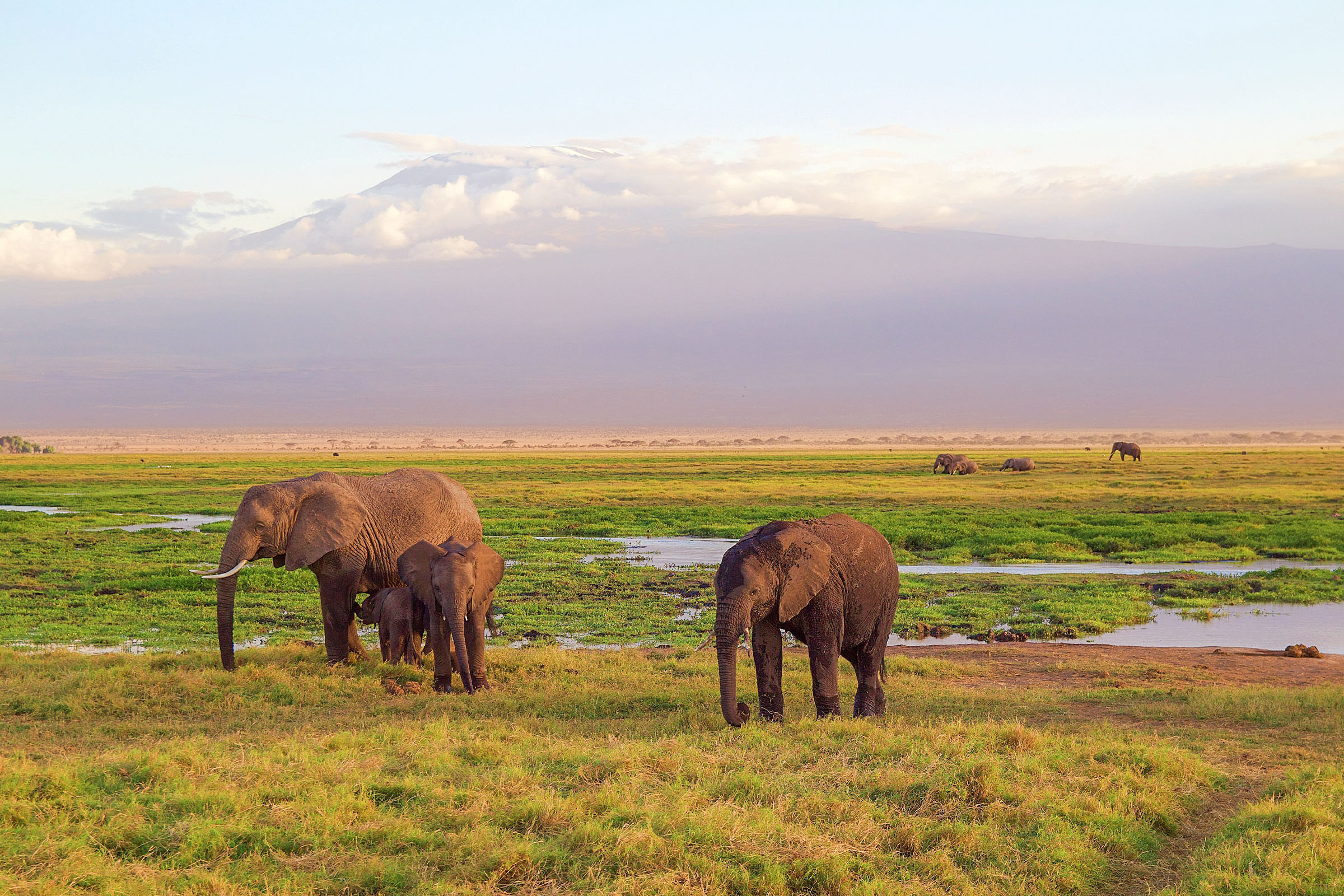
The best season for safari photography depends on the picture you are trying to make. Dry-season dust, green-season colour, calving, river crossings, birds, dramatic skies and low visitor density all create different photographic opportunities.
This guide is about when and where to photograph East Africa. For lenses, vehicle technique and field craft, see our separate Safari Photography Tips guide.
Choose the subject first, then the season and region. A river-crossing safari, a calving safari and a primate-photography journey should not be designed around the same calendar.
Photography seasons at a glance
| Period | Strongest photographic themes | Regions to consider | Trade-offs |
|---|---|---|---|
| Jan–Mar | Calving, predators, open plains, green landscapes. | Southern Serengeti / Ndutu, Ngorongoro, Tarangire. | Productive areas can be busy; storms can change access and light quickly. |
| Apr–May | Green season, dramatic skies, reflections, saturated landscapes. | Serengeti, Ngorongoro, Tarangire and other northern-circuit areas. | Rain can slow roads; wildlife may be more dispersed. |
| Jun–Jul | Drying landscapes, dust, Western Corridor movement, clear mornings. | Western / central Serengeti, Tarangire, Maasai Mara as the season advances. | Popular safari period; camp positioning becomes increasingly important. |
| Aug–Oct | Northern migration, possible Mara River crossings, dust, predator-prey activity. | Northern Serengeti, Maasai Mara, Tarangire. | Peak demand and vehicle density in famous migration zones. |
| Nov–Dec | Short-rain skies, returning green colour, migration moving south and east. | Eastern / central Serengeti, Tarangire, Ngorongoro. | Weather and herd position can change quickly. |
January to March: calving, predators and the southern plains
For wildlife photographers, this is one of the most distinctive periods in northern Tanzania. The Great Migration concentrates around the southern Serengeti and Ndutu short-grass plains, and the calving period creates opportunities to photograph newborn wildebeest, herd behaviour and predators.
The landscape is often greener than the classic dry-season Serengeti image. That means cleaner backgrounds, more colour and the possibility of storm light, but also less dust and fewer of the golden-brown tones associated with August and September.
Photography-focused itineraries should protect several nights in the south. Moving camp every day reduces the chance to return to productive areas in different light.
April and May: green-season colour and dramatic skies
The long-rain period can be rewarding for photographers who value atmosphere over predictability. Vegetation becomes lush, skies can be dramatic and rain can create reflections and deeper colour.
These months can also bring fewer vehicles than the main dry season. The trade-off is access: roads can be slower, some routes may become difficult and animals can be more widely dispersed because water is available across a larger area.
For landscape and environmental wildlife photography, the combination of cloud, grass and softer light can be more interesting than a cloudless dry-season day.
June and July: transition into the dry season
As northern Tanzania dries, the landscape begins to change. June is especially relevant to Western Serengeti and the Grumeti side of the migration, while July becomes a transition toward the north.
For photographers, this period can offer a useful balance: drier roads, increasingly concentrated wildlife in some areas and lower-angle winter light, while parts of the landscape may still retain colour from the preceding rains.
August to October: dust, crossings and northern migration
This is the most famous photographic season for northern Serengeti and the wider Mara ecosystem. The attraction is obvious: large herds, possible river crossings, dry landscapes and intense predator-prey interactions.
But it is important to separate opportunity from guarantee. River crossings are unpredictable. A herd can wait, move away, cross at another point or cross when the light is poor. A photography safari therefore benefits from several nights in the correct region rather than a single “crossing day.”
Dust can become a creative element during the dry season. Backlit dust around elephants, buffalo or moving herds can produce dramatic images, especially early and late in the day.
November and December: short rains and the return south
The short rains begin to transform parts of the landscape again. As the Great Migration turns back through eastern and central Serengeti toward the southern plains, photographers can find fresher grass, changing skies and a different visual character from the peak dry season.
These months are useful for travellers who want migration context without making a river crossing the sole purpose of the journey.
Best season for big cats
Lions, leopards and cheetahs can be photographed year-round, so the question is less “when are they present?” and more “what background and behaviour do you want?”
- Calving season: southern Serengeti can be particularly interesting for predator activity around large concentrations of young wildebeest.
- Dry season: sparse vegetation and concentration around water can make some sightings easier to photograph.
- Green season: richer backgrounds and softer landscapes can create very different images even when sightings require more patience.
Best season for elephants
Tarangire is one of Tanzania's strongest elephant destinations. In the dry season, wildlife increasingly concentrates around reliable water, creating opportunities for family groups, dust and wider environmental compositions. In greener months the park changes character, with more vegetation and a broader range of backgrounds.
Best season for birds
Bird photography can be excellent year-round, but wetter and greener months often bring more active birdlife, breeding plumage, insects and richer habitat. Migratory species also add variety at certain times of year.
If birds are a primary objective, tell your guide before the safari. Bird photography often requires a slower vehicle rhythm and more time at small subjects than a general wildlife itinerary allows.
Photography in Ngorongoro Crater
The crater offers high wildlife density within a relatively compact area, but the photographic challenge is different from the open Serengeti. Vehicle positioning is constrained to roads and viewing pressure can be high around major sightings.
Early entry, patience and a willingness to photograph wider scenes can be more productive than chasing every animal reported by radio.
Photography in the Maasai Mara
The Maasai Mara can complement northern Serengeti during the migration season, but it is also a year-round predator landscape. For photographers combining Kenya and Tanzania, the biggest practical consideration is time: crossing borders and changing camps should not remove the full field days that make a photographic itinerary worthwhile.
Gorilla and chimpanzee photography
Primate photography is governed by a different set of constraints from vehicle safari photography. Forest light can be low and uneven, subjects can move quickly and trekking regulations determine how the encounter works.
For gorillas or chimpanzees, we design the route around permit availability first, then plan the rest of the itinerary around the confirmed trekking dates.
Light: the season matters, but the hour matters more
The first and last part of the day usually provide the lowest-angle light. A private vehicle helps because you can leave early, stay longer with a productive sighting and ask your guide to position around light instead of following a shared group schedule.
Midday is not automatically useless. It can work for high-key scenes, backlit dust, behaviour, birds, waterholes and monochrome images. The important point is to plan the day around photographic intent rather than a rigid checklist.
Dust, rain and weather protection
Dry-season dust can create beautiful atmosphere but is hard on equipment. Green-season rain can produce excellent light but requires practical protection. Bring a dust blower, enough cloths and simple rain covers, and avoid changing lenses unnecessarily in strong dust or rain.
Vehicle density and photographic patience
Famous migration and predator sightings can attract many vehicles. A private safari does not remove other vehicles from the landscape, but it gives you control over whether to wait, reposition, leave a crowded sighting or spend time with a quieter subject.
For photography, that flexibility is often more important than adding another park to the itinerary.
How many nights should a photography safari spend in one area?
There is no universal number, but photography usually improves with fewer moves and more repeat time. Several nights in one productive area create opportunities to revisit locations at different times of day and to stay with behaviour that develops slowly.
That principle is why our photography routes favour field time over destination-counting.
Choosing the season by photographic priority
- Calving and predator interactions: January–March, southern Serengeti / Ndutu.
- Green landscapes and dramatic weather: April–May and parts of November–December.
- Western migration / Grumeti: around June, depending on seasonal movement.
- Northern migration and possible river crossings: July–October.
- Dust, warm dry-season atmosphere and elephant concentrations: later dry-season months, especially in places such as Tarangire.
- Primate photography: plan around permits and forest conditions rather than the Serengeti migration calendar.
Source note
The migration-season framework in this guide follows the broad seasonal route published by Tanzania National Parks (TANAPA). As with any wildlife calendar, actual herd locations can vary with rainfall and grazing conditions.
- TANAPA — Serengeti National Park
- TANAPA — official migration route map
- Wildlux — Great Migration Calendar
- Wildlux — Safari Photography Tips
Plan a photography safari around your subject
Tell us what you want to photograph, the month you can travel and how much time you have. We can then recommend the region, number of nights and route that protect the most useful field time for that objective.
Moses James Aron
Founder, Managing Director & Tour Consultant — Wildlux Expeditions LTD
For Moses Aron, Tanzania is more than a destination—it is home.
View author profile →Our Arusha-based team will answer your questions and shape an itinerary around them.
A practical guide to choosing Tanzania safari accommodation by location, camp style, insi…
Practical guidance for photographing East Africa, whether you travel with a phone or a fu…
A practical month-by-month guide to where the Great Migration is likely to be across the…