

Ndutu Calving Season Safari Guide
Plan an Ndutu calving season safari in the Southern Serengeti: when to go, how many nights to stay, photography strategy, family pacing and how to build the right route.
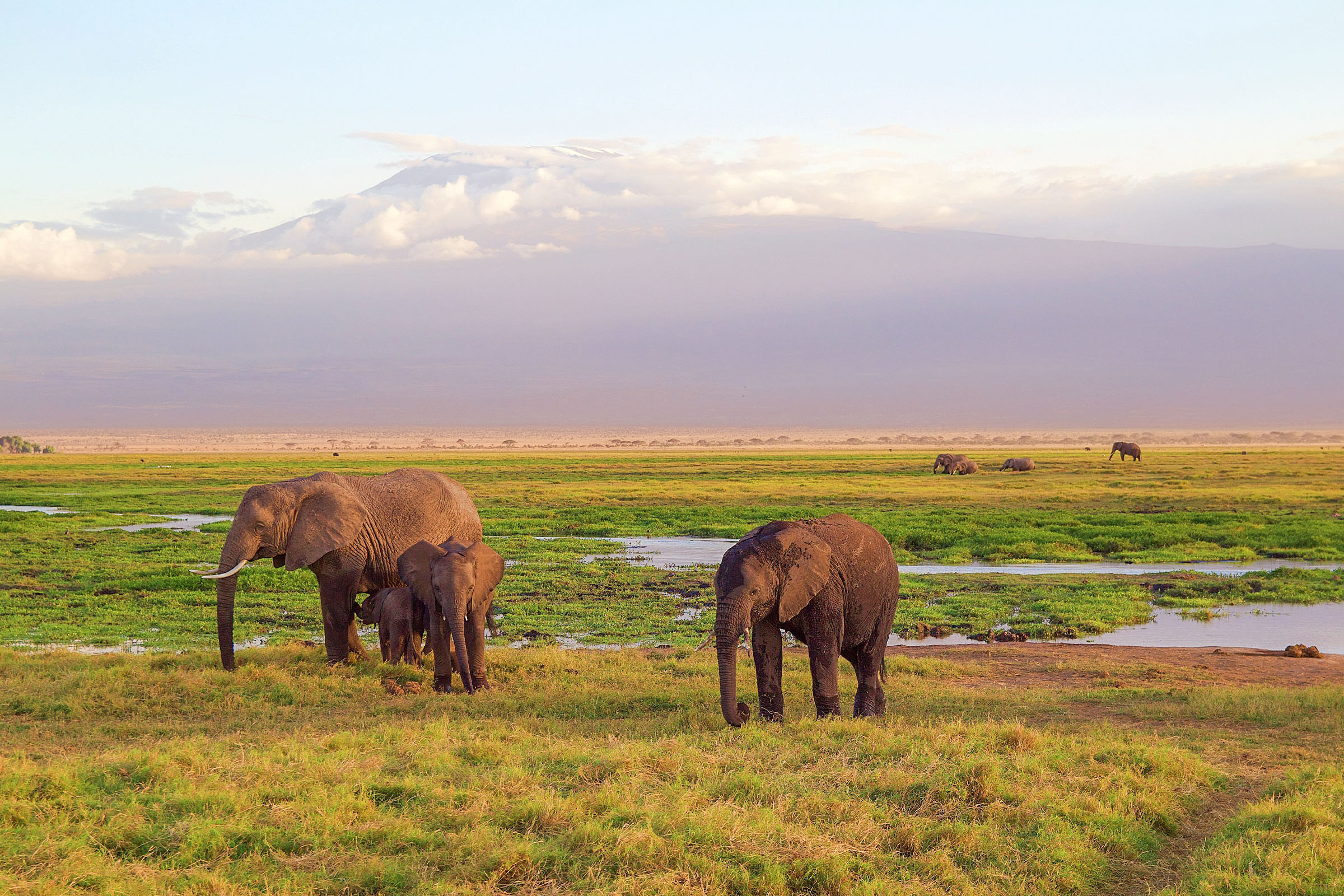
For travellers who want one of the most concentrated wildlife periods in the Great Migration cycle, Ndutu during calving season is one of Tanzania's strongest safari experiences.
The key is not simply arriving in February. The quality of the trip depends on where you stay, how many nights you protect in the southern plains, how flexible the vehicle schedule is and whether the wider itinerary is built around the migration rather than treating Ndutu as a quick stop.
For a calving-season safari, three well-positioned nights in the southern Serengeti can be more valuable than adding another park simply to make the itinerary look longer.
What is the Ndutu calving season?
Ndutu sits within the wider southern Serengeti ecosystem and becomes especially important when large concentrations of wildebeest and zebra gather on the short-grass plains during the early part of the year.
The calving period is most strongly associated with January through March, with February often considered the peak month. Exact herd distribution changes with rainfall and grazing conditions, so no operator can guarantee that the herds will be in one fixed place on a particular date.
For the broader annual pattern, see our Great Migration Calendar.
Why calving season is special
The attraction is not only the number of wildebeest. The arrival of newborn calves creates intense predator activity across the southern plains. Lions, cheetahs, hyenas and other carnivores respond to the concentration of vulnerable young animals.
For photographers, this can create highly dynamic behaviour, open landscapes and strong opportunities to work with early and late light.
Best months for an Ndutu safari
January
January is a strong transition into the calving period. The southern plains can already hold large concentrations of animals, and the landscape is often green after seasonal rains.
This can be an excellent choice for travellers who want the southern Serengeti experience without focusing only on the absolute peak period.
February
February is the month most closely associated with calving. Newborn wildebeest, predator activity and concentrated herds can make this one of the most rewarding months for wildlife observation and photography.
Demand can also be strong, so camp positioning and advance planning matter.
March
March can still deliver excellent southern migration activity, though the herds may begin to spread as rainfall and grazing conditions change.
March can be a particularly good option for travellers who want a calving-season atmosphere but prefer a slightly later travel window.
How many nights should you stay in Ndutu?
Our preferred range is usually three nights when calving is the main priority.
Two nights can work in a shorter safari, but it gives you only one full uninterrupted day. Three nights protects two full wildlife days and creates much more flexibility around weather, sightings and where the herds are actually concentrated.
Four nights can make sense for serious photographers or travellers who want a slower pace rather than trying to add more destinations.
Where should Ndutu fit in the itinerary?
Ndutu works best when the wider safari route supports it rather than forcing it into an unsuitable sequence.
A practical structure can be:
- Arrival in Arusha
- Tarangire or another northern-circuit stop
- Ngorongoro / Karatu highlands
- Three or more nights in the Southern Serengeti / Ndutu area
- Optional Central Serengeti extension or onward transfer depending on the trip length
For broader route planning, see our Northern Tanzania Safari Guide.
Should you also visit Central Serengeti?
It depends on your priorities and total trip length.
If you have enough nights, adding Central Serengeti can give the safari more habitat variety and access to resident wildlife around the central plains and kopje areas.
If the trip is short and calving is the main objective, we would rather protect more time in the productive southern area than rush north simply to say you visited another Serengeti region.
Photography strategy during calving season
Ndutu is particularly strong for photographers because the open plains can make animal behaviour easier to follow, while predator activity can change quickly.
Useful planning choices include:
- private vehicle rather than shared departures;
- early starts and flexible return times;
- multiple nights in one productive area;
- enough room in the vehicle for camera equipment;
- avoiding unnecessary transfer days during the best light.
See our Safari Photography Seasons guide for a wider month-by-month photography perspective.
Ndutu for families
Calving season can be excellent for families because the wildlife story is easy to understand: newborn animals, large herds and visible predator–prey interactions create a very engaging safari.
The itinerary should still be paced carefully. Young children usually benefit from fewer camp changes, shorter transfer days and the option to return to camp when they need a break.
For families, three nights in one Ndutu base can be more comfortable than moving every night.
Ndutu for honeymooners
For honeymooners, Ndutu can be paired with a more private camp style, Ngorongoro and a Zanzibar extension.
The best honeymoon route is not necessarily the one with the most expensive properties. Camp position, private guiding, fewer one-night stays and a smooth transition to the beach usually matter more.
What about weather?
The southern plains are green because this period depends on seasonal rainfall. That means travellers should be prepared for showers, changing road conditions and occasional muddy sections.
The advantage is a very different landscape from the dry season: greener plains, dramatic skies and strong photographic conditions.
Can you guarantee calving or predator sightings?
No. Calving season is a broad natural pattern, not a scheduled event. Herd concentration, exact timing and predator encounters vary with rainfall, grazing and wildlife movement.
A well-designed safari improves your chances by placing you in the correct region for enough nights. It does not guarantee a specific sighting.
How much does an Ndutu safari cost?
The cost depends on season, camp, party size, number of nights, private vehicle arrangements, park and conservation fees and whether internal flights are included.
Because February can be high-demand, accommodation availability can materially affect the final price.
For the main cost drivers, read our Tanzania Safari Costs guide.
What should you pack?
Pack light layers, sun protection, insect repellent, comfortable closed footwear and a light waterproof layer. If your itinerary includes bush flights, use soft-sided luggage and follow the exact baggage allowance confirmed for your flight.
See our Tanzania Safari Packing Guide.
Who should choose an Ndutu calving safari?
- travellers whose main priority is the Great Migration;
- wildlife photographers;
- families who want a strong seasonal wildlife story;
- return safari travellers looking for a different Serengeti experience;
- honeymooners who want wildlife intensity followed by Zanzibar.
Who may prefer another season?
If your priority is the Mara River, northern Serengeti or a dry-season landscape, the calving period may not be the best match.
Likewise, travellers who strongly dislike the possibility of rain may prefer a different period even though the wildlife can be exceptional.
Our recommendation
If calving is the reason you are travelling, do not treat Ndutu as a one-night stop.
Build the safari around the southern Serengeti, protect at least three nights where possible, and let the rest of the itinerary support that objective.
That approach gives your guide more flexibility, reduces unnecessary packing and increases the time available for actual wildlife observation.
Plan your calving-season safari
Tell us your travel dates, number of nights, party size and whether photography, family comfort or honeymoon pacing is the main priority. Wildlux can then shape the wider Northern Tanzania route around the southern Serengeti rather than forcing Ndutu into a generic circuit.

Moses James Aron
Founder, Managing Director & Tour Consultant — Wildlux Expeditions LTD
For Moses Aron, Tanzania is more than a destination—it is home.
View author profile →Our Arusha-based team will answer your questions and shape an itinerary around them.
A practical month-by-month guide to where the Great Migration is likely to be across the…
A practical guide to planning Tanzania’s Northern Circuit — Serengeti, Ngorongoro, Tarang…
A season-by-season guide to photographing East Africa — from Ndutu calving and Mara River…