

Northern Tanzania Safari Guide: How to Plan the Right Route
A practical guide to planning Tanzania’s Northern Circuit — Serengeti, Ngorongoro, Tarangire, Lake Manyara, Arusha and optional Lake Eyasi — with route advice by trip length and season.
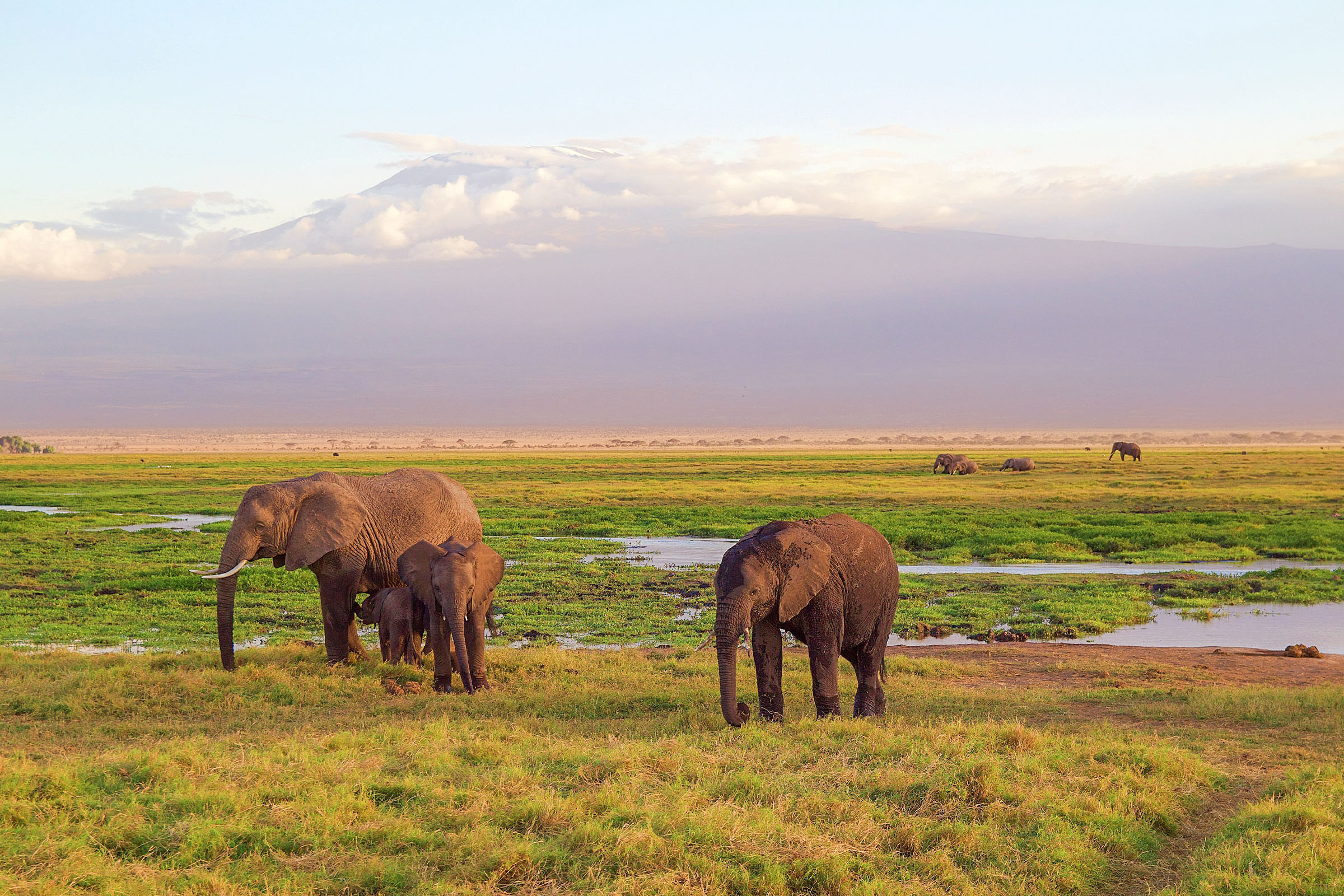
Northern Tanzania is where many first-time safari travellers should start. The region brings together the Serengeti, Ngorongoro, Tarangire, Lake Manyara and Arusha in one connected safari circuit, with Lake Eyasi and other specialist stops available when they genuinely improve the journey.
The main planning mistake is trying to include too many places in too few days. A strong Northern Tanzania safari is not about collecting park names. It is about protecting enough time in the most productive areas for your season, interests and pace.
If you have seven days, keep the route disciplined. If you have nine to twelve days, slow the safari down rather than automatically adding more destinations.
What is the Northern Tanzania safari circuit?
The Northern Circuit is the best-known safari region in Tanzania. Most itineraries are built around some combination of Tarangire National Park, Lake Manyara National Park, Ngorongoro Conservation Area and Serengeti National Park, usually beginning or ending through Arusha.
Optional additions can include Lake Eyasi, cultural experiences, walking activities, Mount Kilimanjaro or a beach extension. The correct combination depends on how many nights you actually have.
Why Northern Tanzania works so well for a first safari
The strength of the circuit is contrast. Tarangire offers baobab landscapes and strong elephant viewing; Ngorongoro brings a highland and crater environment; the Serengeti opens into vast plains and changing seasonal migration regions.
Because these destinations can be linked overland, a traveller can experience several major ecosystems without needing an international border crossing.
The main destinations
Tarangire National Park
Tarangire is often underestimated by travellers who focus only on the Serengeti. Its baobabs, river system and elephant populations make it a very strong opening or closing chapter to a Northern Circuit safari.
One night can work in a shorter itinerary, but two nights are better when you want a fuller experience or are travelling during periods when wildlife concentrates strongly around the Tarangire River system.
Lake Manyara National Park
Lake Manyara can be useful when the route and season support it, especially for travellers who want another Rift Valley landscape without committing to a major detour.
It should not be added automatically. On a short safari, an extra night in Serengeti or Tarangire can often be more valuable than trying to include every northern park.
Ngorongoro Conservation Area
Ngorongoro works as both a major wildlife destination and a geographic bridge between the highlands and Serengeti. The crater is the headline experience, but the wider conservation area is part of a much larger landscape.
Most first-time routes include one or two nights in the Ngorongoro or Karatu area, depending on where the traveller is coming from and whether the itinerary includes cultural or walking experiences.
Serengeti National Park
The Serengeti is usually the destination that deserves the most nights. Its scale means that “visiting the Serengeti” is not one simple experience. The most useful region changes with season, wildlife movement and travel style.
For a first safari, two nights is the minimum we would normally consider useful. Three or four nights gives the itinerary far more flexibility, especially when wildlife photography or the Great Migration is a priority.
For migration timing, use our Great Migration Calendar.
Arusha
Arusha is the operational gateway for most Northern Circuit safaris. Depending on international flight times, spending the first night in Arusha can be far better than trying to begin the safari immediately after a long-haul arrival.
A good arrival night protects the first safari day from flight delays and fatigue.
Lake Eyasi
Lake Eyasi can add a different cultural and landscape dimension to the route, but it should be included because the traveller genuinely wants that experience, not because the itinerary needs another stop.
On a seven-day safari, we would usually prioritise wildlife time in the core circuit before adding Lake Eyasi.
How many days do you need?
5–6 days: keep it tight
A five- or six-day safari can work, but there is little room for unnecessary detours. The route normally needs to focus on two or three key wildlife areas.
For many travellers, Tarangire + Ngorongoro + Serengeti is stronger than trying to add Lake Manyara, Lake Eyasi and several cultural stops as well.
7 days: the classic minimum for a balanced circuit
Seven days is enough for a meaningful Northern Tanzania safari when the route is disciplined. Our 7-Day Tanzania Northern Circuit Safari is designed around this principle.
The key is avoiding one-night hopping wherever possible and protecting at least two nights in the Serengeti.
8–10 days: our preferred range for many first-time travellers
This is where Northern Tanzania becomes much more comfortable. You can give Tarangire proper time, include Ngorongoro without rushing, and spend several nights in the Serengeti.
Our 10-Day Tanzania Signature Safari is a good example of an unhurried Northern Circuit structure.
11–14 days: slow down or specialise
With more time, the best use of extra days is not always adding more parks. Instead, consider deeper Serengeti time, photography-focused days, cultural experiences, walking, a fly-out finish or a beach extension.
Best route for a first-time safari
A strong first-time route often follows this broad flow:
- Arrival in Arusha
- Tarangire
- Ngorongoro / Karatu highlands
- Serengeti
- Return overland or fly out, depending on time and budget
This route works because the landscapes change progressively and the Serengeti sits naturally as the longest wildlife section rather than a rushed single-night stop.
When should you fly instead of drive?
A bush flight is most valuable when it removes a long transfer that would otherwise consume a major part of the day. Flying out of the Serengeti can be especially useful on shorter luxury itineraries or when connecting onward to Zanzibar.
Our 8-Day Luxury Grumeti Migration & Fly-Out Safari shows how a scheduled flight can protect safari time at the end of the journey.
How the season changes the route
The Northern Circuit works year-round, but the best route is not identical in every month.
- January to March: southern Serengeti and Ndutu become especially important for calving-season movement.
- April to May: green-season conditions can favour central and western Serengeti planning, with fewer vehicles in some areas.
- June to July: Western Serengeti and then northern movement become increasingly relevant.
- August to October: northern Serengeti is a major focus for migration-oriented travellers.
- November to December: the migration begins returning toward eastern and southern Serengeti as rainfall patterns change.
These are broad seasonal patterns, not guarantees. Rainfall and grazing conditions influence actual herd movement.
Northern Tanzania for photographers
Photographers benefit from fewer camp changes and more full days in productive areas. A three-night stay in the right Serengeti region is usually more valuable than adding a distant park simply to lengthen the destination list.
Tell Wildlux before travel if photography is a main priority. Vehicle use, departure times and route pacing can then be planned around light and wildlife rather than only standard sightseeing hours.
See our Safari Photography Seasons guide for more detail.
Northern Tanzania for families
For families, the route should minimise unnecessary packing, long transfer days and one-night stays. Two-night bases become more valuable, especially with younger children.
Private guiding helps because the day can be adjusted around meal times, rest, attention span and how the children are responding to the safari.
Northern Tanzania for honeymooners
For honeymooners, Northern Tanzania works particularly well because the safari can build toward the Serengeti and then continue to Zanzibar.
A well-designed honeymoon should not use “luxury” as an excuse to move every night. Privacy, camp location and unhurried time together usually matter more than collecting more properties.
How much does a Northern Tanzania safari cost?
There is no single correct price. Cost changes with party size, season, exact camps, number of nights, park and conservation fees, internal flights and whether the safari uses a private vehicle throughout.
Read our Tanzania Safari Costs guide for a detailed explanation of the main price drivers.
Common planning mistakes
- Trying to visit every park. More destinations can mean less useful safari time.
- Only one night in the Serengeti. This often creates too much driving for too little field time.
- Ignoring the season. The ideal Serengeti region changes through the year.
- Choosing camps only by appearance. Location can matter more than room design.
- Underestimating transfer days. Northern Tanzania is a real landscape, not a theme park where every destination sits next door.
- Comparing only headline prices. Check route, park fees, exact properties, vehicle setup and flight inclusions.
Our recommended approach
For most first-time travellers with enough time, we would build the safari around three anchors: Tarangire, Ngorongoro and Serengeti.
Then we would decide whether Lake Manyara, Lake Eyasi, a cultural stop, a bush flight or a beach extension actually improves the journey.
The result should feel spacious, not crowded.
Start with the number of nights
If you tell us how many safari nights you have, your travel month, party size and main priority, we can tell you which Northern Tanzania route makes sense before choosing specific camps.
That is usually the best order: route first, accommodation second.

Moses James Aron
Founder, Managing Director & Tour Consultant — Wildlux Expeditions LTD
For Moses Aron, Tanzania is more than a destination—it is home.
View author profile →Our Arusha-based team will answer your questions and shape an itinerary around them.
A practical month-by-month guide to where the Great Migration is likely to be across the…
A transparent guide to what drives Tanzania safari prices — accommodation, private vehicl…
A season-by-season guide to photographing East Africa — from Ndutu calving and Mara River…