In this guide
Clothing for a Tanzania safari
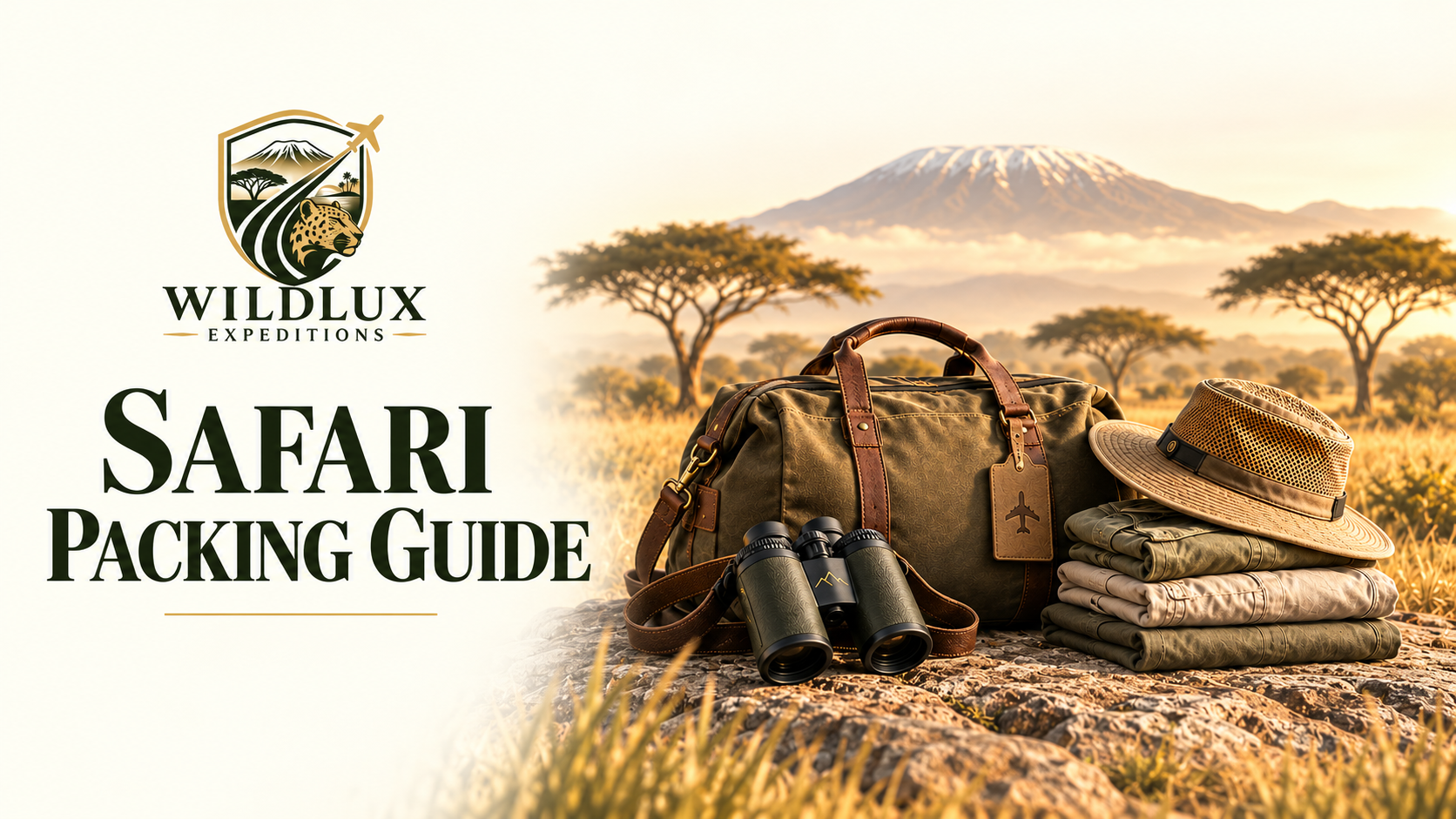
Pack lightweight, breathable layers in neutral colours such as khaki, olive, stone and sand. Long sleeves and lightweight trousers are useful for sun protection, cooler mornings and insects.
Early-morning and evening game drives can feel cool, especially in higher areas such as Ngorongoro. Add a fleece, light insulated jacket or warm mid-layer that can be removed as the day warms.
Avoid relying on bright white for safari days because it shows dust quickly. Dark blue and black can be less practical in areas where tsetse flies are present.
Footwear
For vehicle-based safaris, comfortable closed shoes or trainers are usually more useful than heavy hiking boots. Add sandals or light shoes for camp and lodge time.
If your itinerary includes walking, hiking or mountain activities, your Wildlux planner will confirm the more specific footwear needed for that activity.
Luggage and bush flights
Soft-sided luggage is the safest choice when an itinerary includes light aircraft because small safari planes have limited storage space and may restrict rigid suitcases.
Weight and baggage rules vary by airline, route and aircraft. Your Wildlux planner will confirm the exact allowance for every scheduled or charter flight in your itinerary before departure.
Pack important documents, medication, valuables and essential camera equipment in your hand luggage rather than checked baggage.
Safari essentials
Useful everyday items include high-factor sunscreen, a wide-brimmed hat, sunglasses, insect repellent, a refillable water bottle and any personal medication you normally travel with.
Binoculars are valuable even when your safari vehicle carries a shared pair because having your own means you can follow sightings without waiting.
Camera and electronics
Bring spare camera batteries, memory cards and the charging cables you need. Remote camps may have limited charging hours or shared charging points.
Keep camera gear protected from dust and use a simple cloth or blower for basic cleaning. If photography is a priority, tell Wildlux before travel so vehicle layout and pacing can be considered when planning the safari.
Documents and money
Carry your passport, required travel documents, insurance details and copies of important confirmations in an easily accessible place.
Keep a digital backup of key documents separate from the originals. Your final Wildlux travel pack will confirm the documents relevant to your specific itinerary.
What to leave behind
Avoid overpacking. Most safari days require only a small rotation of comfortable layers, and many lodges or camps can advise on laundry availability.
Large rigid suitcases, excessive formal clothing and unnecessary heavy equipment make transfers more difficult, especially when bush flights are included.
Seasonal packing notes
Dry-season safaris often mean dusty roads and cool mornings, while greener or wetter months make a lightweight waterproof layer more useful.
Conditions vary by month, altitude and destination, so use this as a general Tanzania safari packing list and follow the final destination-specific advice sent with your confirmed itinerary.
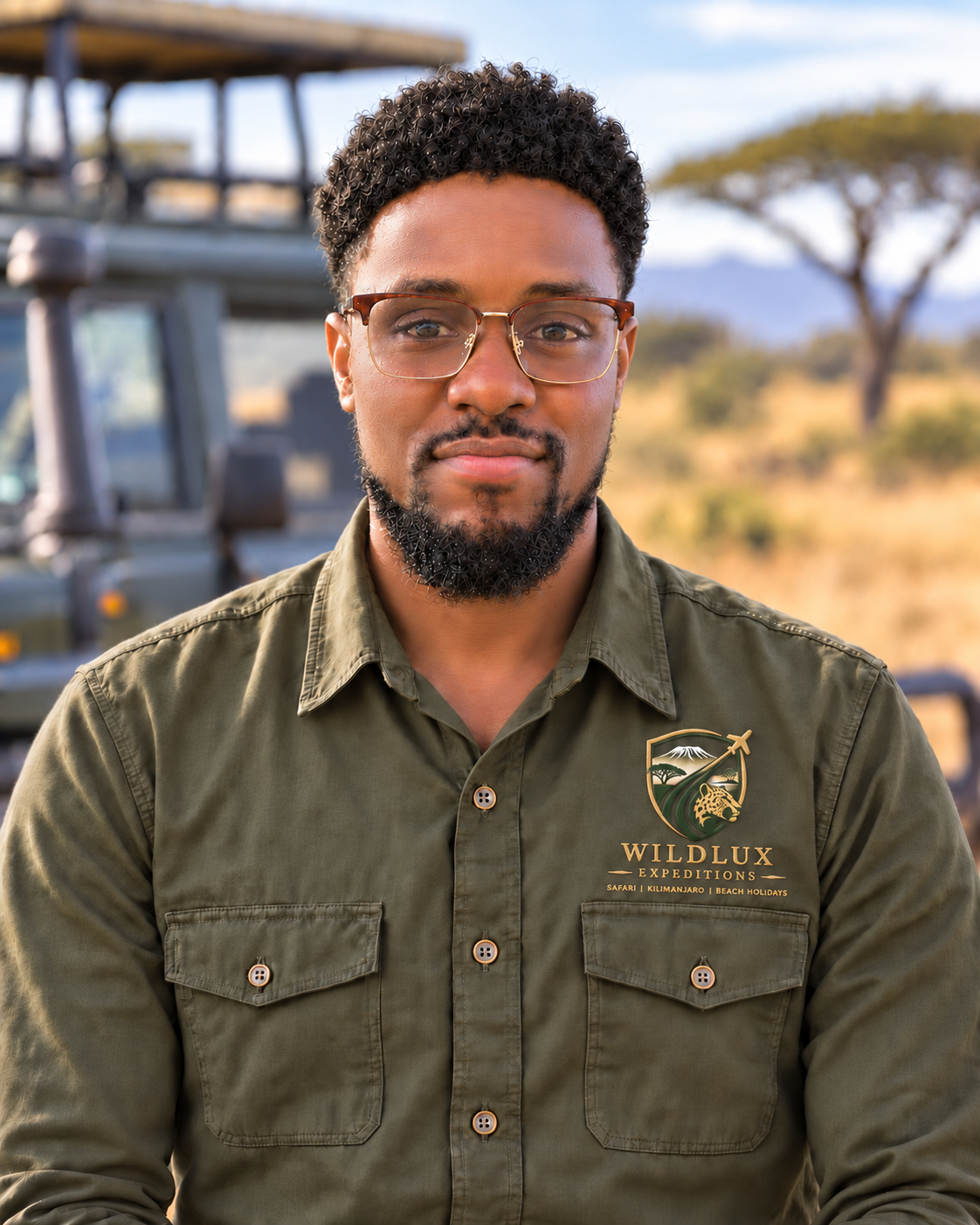
Moses James Aron
Founder, Managing Director & Tour Consultant — Wildlux Expeditions LTD
For Moses Aron, Tanzania is more than a destination—it is home.
View expert profile →