
In this guide
Ngorongoro Crater is a vast volcanic caldera inside the Ngorongoro Conservation Area in northern Tanzania. The enclosed grasslands, woodland and wetlands support abundant wildlife, giving visitors a remarkable game-drive experience in a compact landscape. It pairs naturally with Tarangire and the Serengeti on a private northern-circuit safari.
Wildlife to look for
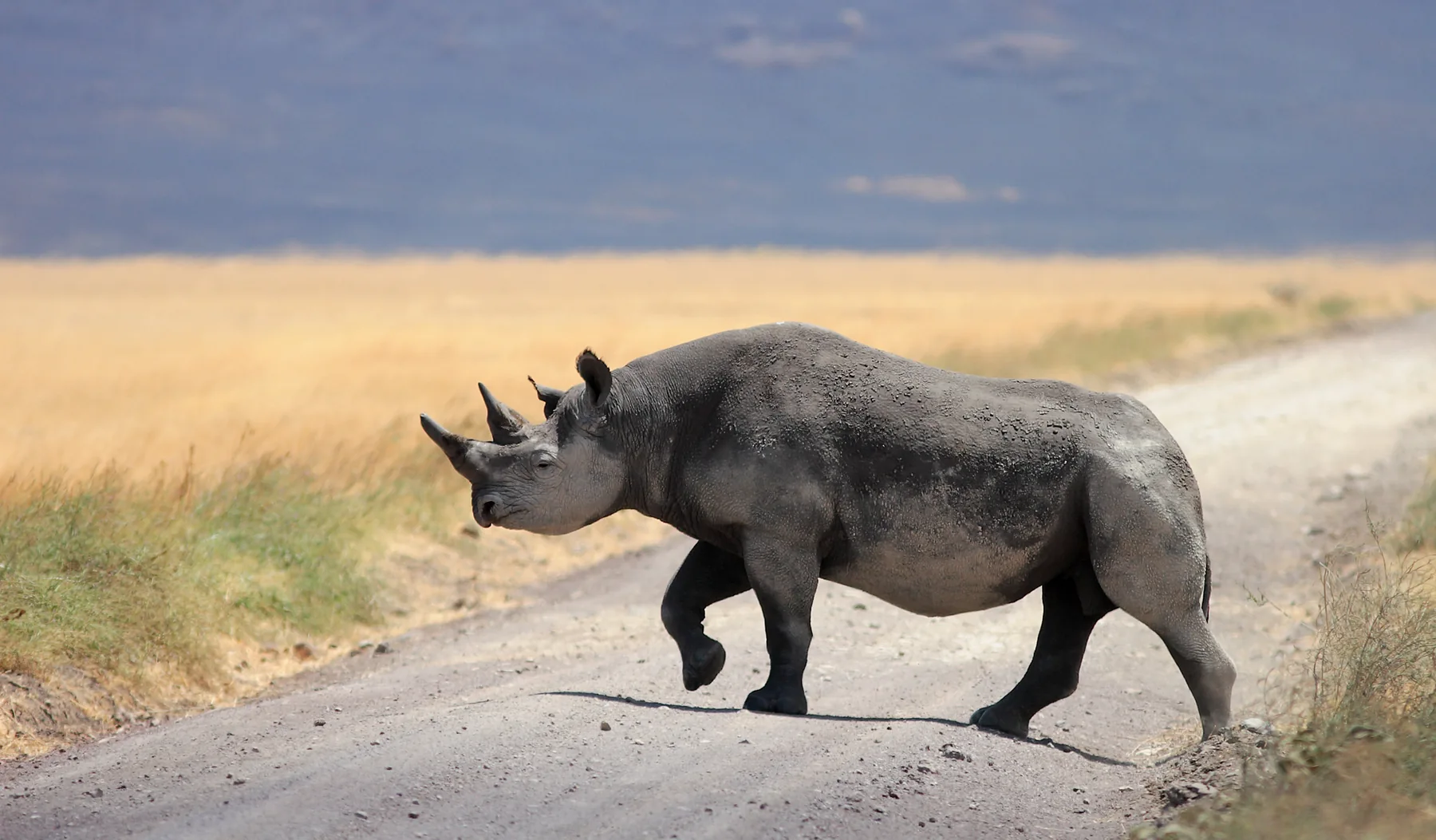
The crater is known for lion, buffalo, elephant, hippopotamus, zebra, wildebeest and a carefully protected black rhinoceros population. Leopard is present but difficult to spot, and no particular species is guaranteed. Lake Magadi and wetland areas attract seasonal birdlife. Your guide chooses viewing routes according to wildlife activity, regulations and road conditions.
Best time to visit
The crater is a year-round safari destination. June through October often brings drier driving conditions and clearer landscapes, together with more visitor traffic and cold mornings on the rim. December through March can be lush and photogenic, and the nearby Ndutu plains may hold calving herds. April and May usually bring more rain, so allow flexibility for road conditions.
What a crater safari day involves
Most travellers approach the crater from Karatu or a lodge on the crater rim, descend using an authorized route, and spend their allotted visit in the crater on a private 4×4 game drive. A picnic at an authorized site is commonly included. Entry and crater service fees are separate components of the overall safari budget; specific current rates and rules should be checked when quoting. Departures early in the day can help with comfort and wildlife viewing.
Staying on the rim or in Karatu
Crater-rim lodges place you close to the descent road and may have sweeping views, though they are often priced at a premium and can be chilly at night. Karatu lodges offer gardens, convenient onward driving and a broader range of budgets. Choice should depend on your arrival route, preferred standard and whether you plan an early descent. Wildlux confirms property names and meal plans in each proposal.
How many nights are enough?
One night near Ngorongoro can work when fitting the crater between Tarangire and Serengeti, but it creates a busier itinerary. Two nights let travellers enjoy a more relaxed pace and potentially explore the highlands. The crater is not the same as the wider Ngorongoro Conservation Area, whose cultural and geological attractions may merit extra time.
Practical tips for a better visit
Bring a warm layer for high-altitude mornings, sun protection, a camera with a useful telephoto lens, and binoculars. Stay inside the vehicle except at authorized places, do not ask the guide to drive off-road or crowd sensitive wildlife, and arrange cultural visits respectfully through established local hosts.
Plan your safari with Wildlux
Explore our Ngorongoro destination guide and Northern Tanzania safari planning guide. Wildlux Expeditions can build a private itinerary that balances Ngorongoro with Tarangire, Serengeti and the seasonal Ndutu plains.


