
Tarangire National Park
“Elephant country, written in baobab.”
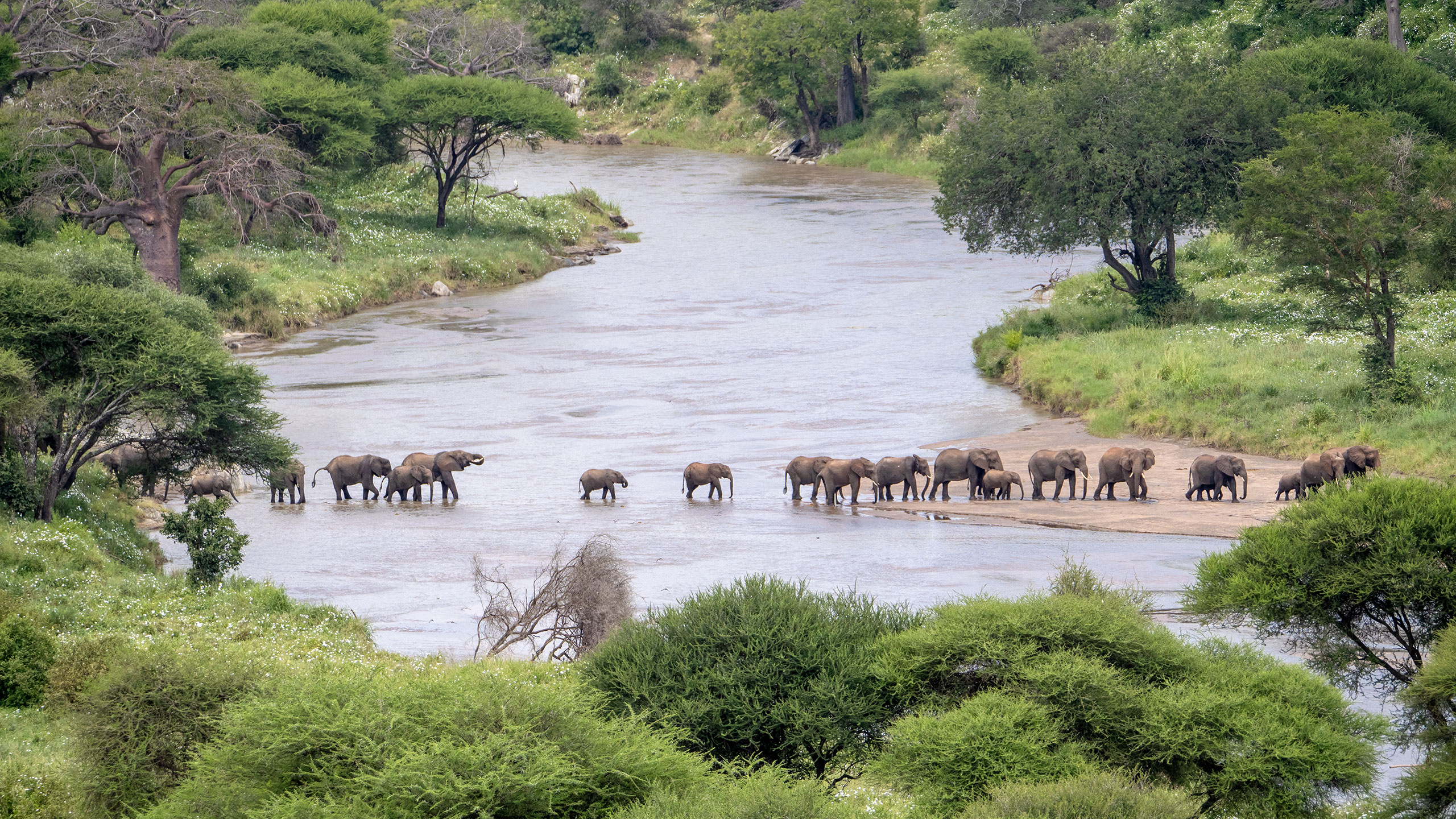
A baobab-studded valley along the Tarangire River, drawing Tanzania's largest dry-season elephant concentrations between June and October.
About Tarangire National Park.
Most travellers meet Tarangire on the way to somewhere else, and most leave wishing they had given it another night. It is the quiet giant of the northern circuit: 2,850 square kilometres of rolling savannah, granite ridges and swamp, drawn together by the Tarangire River, which cuts a slow green line through the park and, from June onward, becomes the only reliable water in a very large landscape.
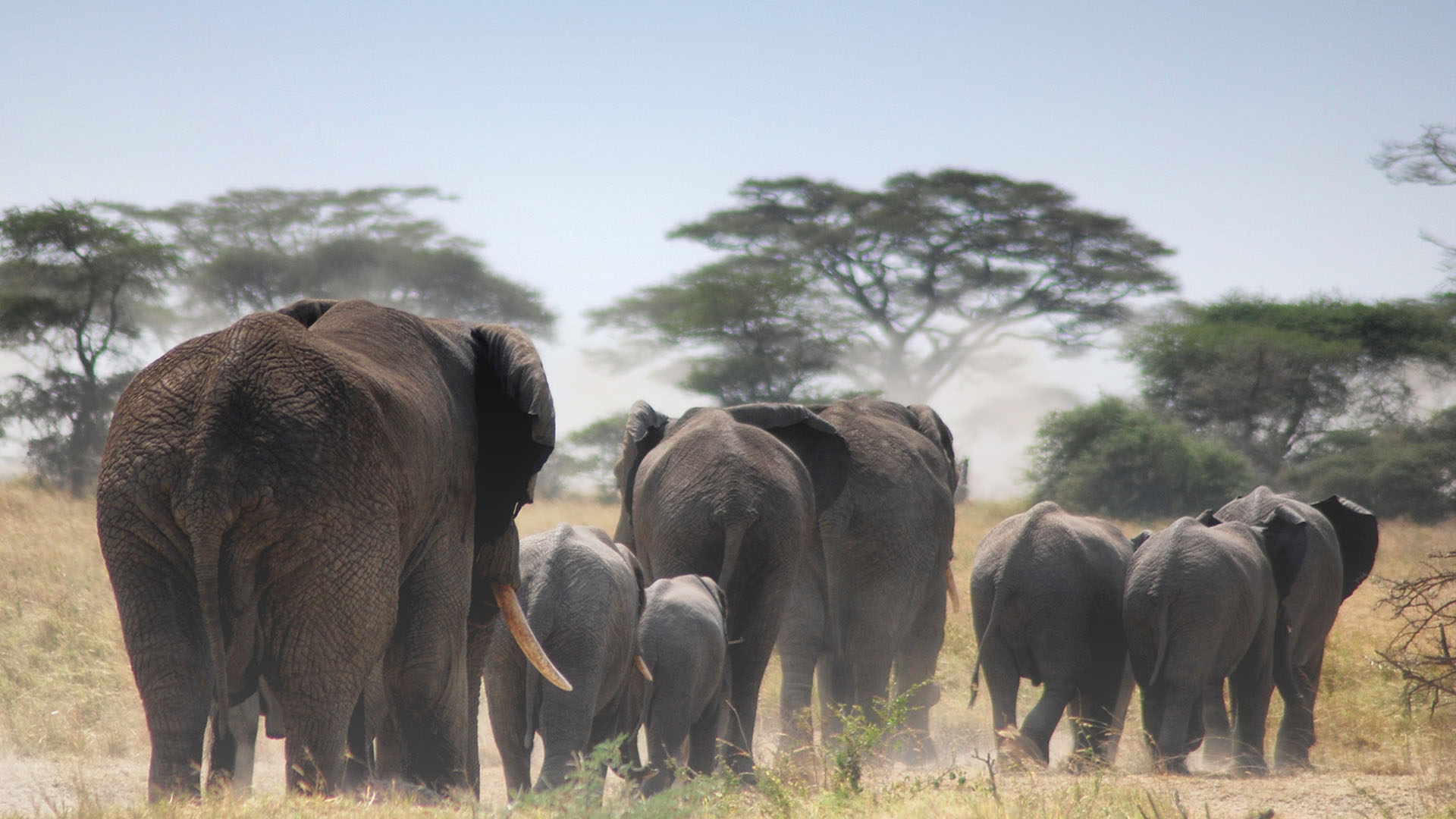
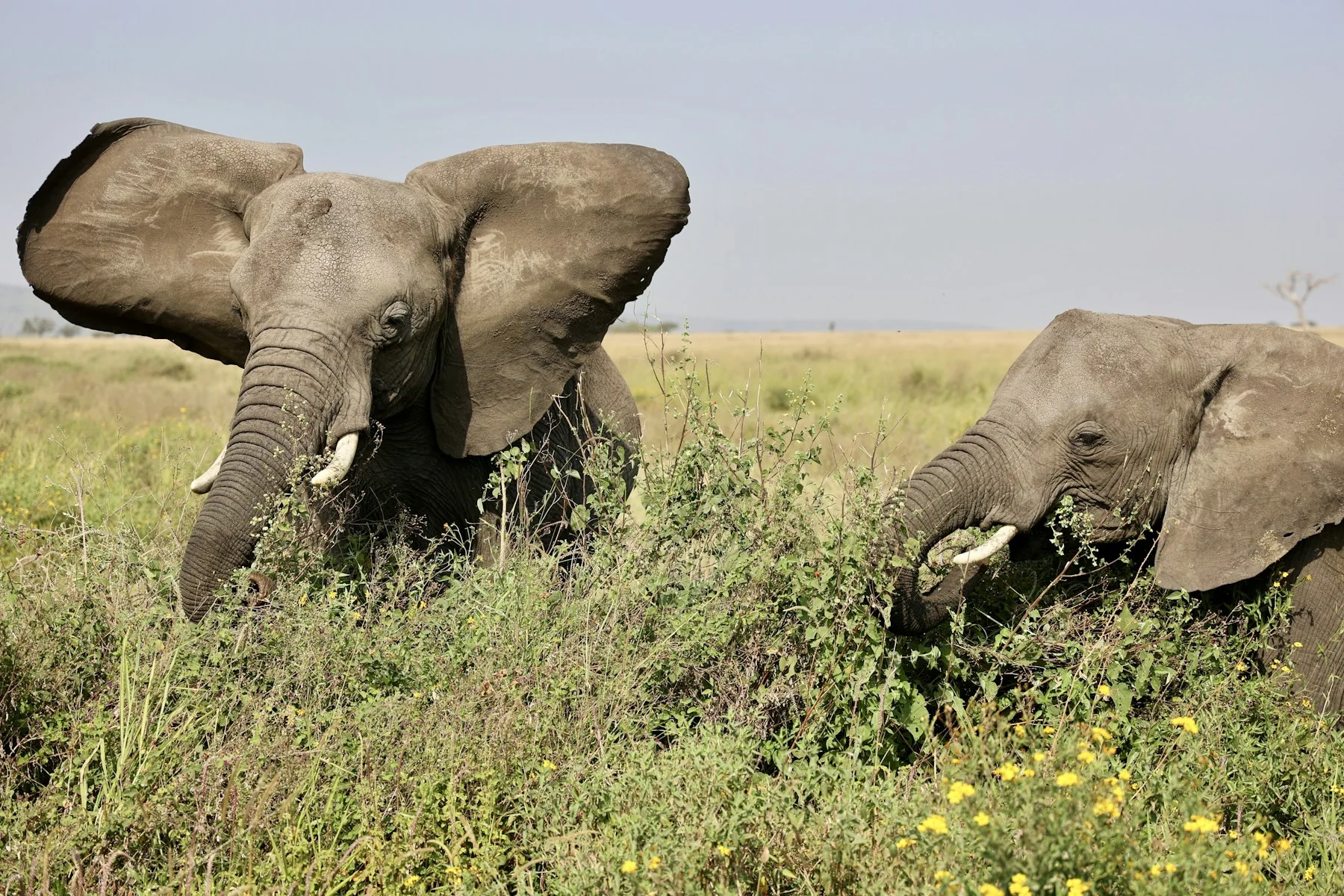
What happens then is one of the great, under-celebrated wildlife spectacles in Africa. Elephants arrive from across the wider Maasai Steppe ecosystem — an area many times the size of the park — and gather along the riverbed in family groups that merge into herds of a hundred and more. You can sit above a bend in the river at ten in the morning and watch three hundred elephants come and go, digging for water in the sand, spraying, sparring, moving off in that unhurried procession that makes an hour disappear.
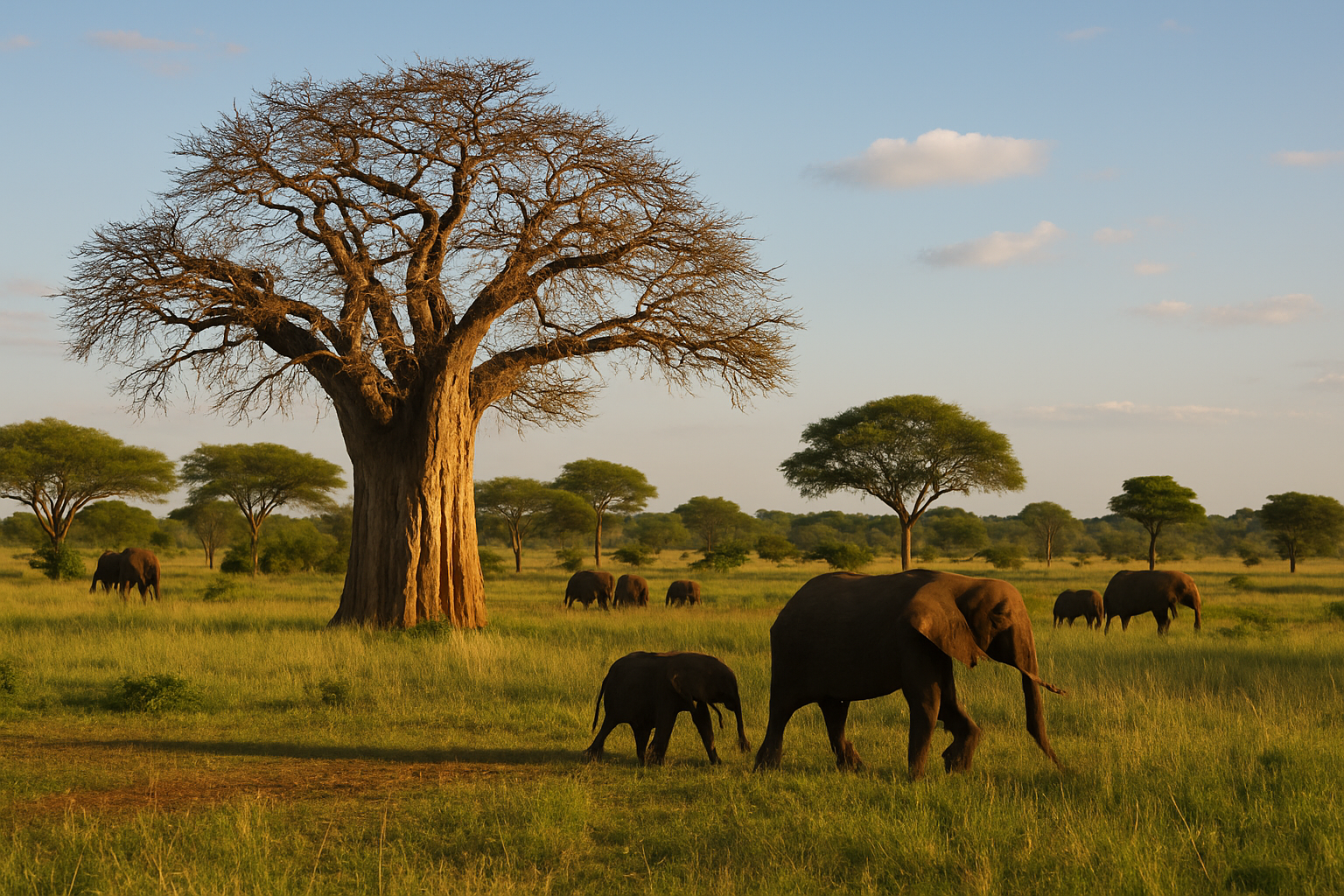
The baobabs are the other signature. Tarangire has them in extraordinary numbers, enormous trees with trunks like grey stone, many of them centuries old and scarred where elephants have stripped bark for moisture. They give the park a look that is unmistakable in photographs. In the late afternoon, when the light turns amber and a herd walks between them, Tarangire produces images that outshine anything from the more famous parks.
The park has a genuine geography rather than a single set piece. The northern section along the river is where most visitors and most lodges are, and where the elephant density is highest. Push south past Kuro and the country opens out through the Silale Swamp — a black-cotton wetland that stays green when everything else browns, drawing buffalo herds, lion prides that specialise in hunting them, and huge concentrations of birds. Further south still you can drive for hours and see nobody at all.
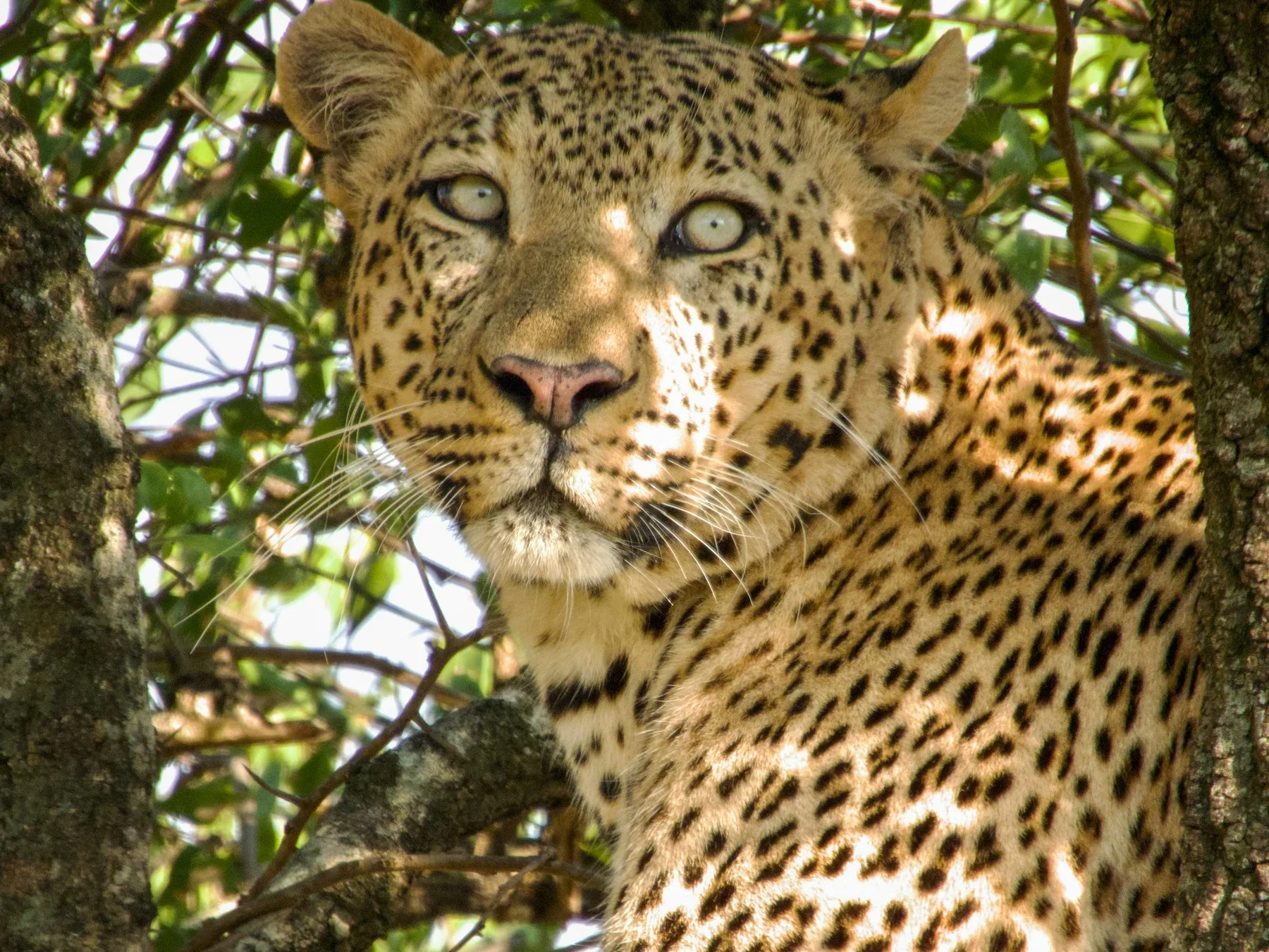
Predators follow the prey. Lion are common and, in the swamp areas, unusually well fed and confident. Leopard hunt the riverine woodland. Cheetah work the southern grasslands. Wild dog — genuinely rare in northern Tanzania — pass through. Add fringe-eared oryx, lesser kudu and gerenuk, dry-country species that most northern-circuit itineraries never encounter, and the species list starts to look distinctive rather than duplicative.
Birders regard Tarangire as the best park in northern Tanzania, with over 500 recorded species. The yellow-collared lovebird and ashy starling are near-endemic to this corner of the country, kori bustard stalk the open ground, and the swamps in the green season hold breeding herons, storks and thousands of migrants.
For travellers building a luxury itinerary, Tarangire earns its place because it feels different. It is two hours on good tarmac from Arusha, which makes it the natural first stop of a safari, and it offers walking safaris, night drives and fly-camping in the adjacent conservancies — activities not permitted inside Ngorongoro or the central Serengeti. Camps here are smaller, more characterful and often placed with a view over the river valley.
Wildlife & nature
Tarangire's dry-season elephant concentration is the headline — the largest in northern Tanzania. Around them gather zebra and wildebeest that migrate seasonally between the park and the Maasai Steppe, along with buffalo, giraffe, impala, waterbuck and warthog. The dry-country specials are the connoisseur's draw: fringe-eared oryx, lesser kudu and gerenuk.
Lion are the dominant predator, with prides around Silale Swamp known for taking buffalo. Leopard favour the riverine fig and sausage trees; cheetah hunt the southern plains; spotted hyena, honey badger, civet and genet appear on night drives. African wild dog are occasional visitors and always a red-letter sighting. Over 500 bird species have been recorded, including yellow-collared lovebird, ashy starling, rufous-tailed weaver and kori bustard.
Signature experiences
- River-valley game drives in the northern sector, timed for when elephants come to drink.
- Full-day drive to Silale Swamp with a picnic — buffalo herds, swamp lions and almost no other vehicles.
- Walking safaris in the adjoining conservancies.
- Night drives outside the park boundary for genet, civet, bushbaby and hunting lion.
- Hot-air balloon safaris over the river valley at sunrise, followed by a bush breakfast under a baobab.
- Fly-camping and bush dinners in genuinely wild country.
- Cultural visits to Maasai and Barabaig communities on the eastern boundary.
Photography guide
Shoot the baobabs at either end of the day, when low sun rakes across their trunks. The classic composition — elephant herd walking beneath a baobab, dust hanging in the light — is best attempted in the last ninety minutes before sunset in the northern river sector. Position above the river bends where herds descend to dig for water; a 100–400mm zoom handles both the family group and the portrait. Silale gives you buffalo in dust and heat haze at midday, which photographs beautifully in black and white. Drones are prohibited in Tanzanian national parks without formal TANAPA permits.
Where to stay
Tarangire's camps are among the most atmospheric in Tanzania — classic tented properties on escarpments above the river, treehouse suites among the baobabs, and remote southern camps reached by a long, slow, wonderful drive. Because much of the surrounding land is community conservancy, several properties offer walking, night drives and fly-camping. We select for position above all: a camp overlooking a stretch of river where elephants pass is worth more than any amount of marble.
How long to stay
- Day trip — possible from Arusha, but it misses the golden hours entirely.
- 2 nights — the sensible minimum: one northern river day and one long day south towards Silale.
- 3–4 nights — for photographers, birders and repeat safari travellers; adds walking, night drives and the empty south.
- Longer combinations — Tarangire opens the classic northern circuit, followed by Lake Manyara, Ngorongoro and the Serengeti over seven to ten days.
Nearby destinations
Lake Manyara is ninety minutes north-west and pairs neatly as a contrast of forest and flamingo. Ngorongoro Crater is a half-day further and the natural second act. Arusha National Park lies two hours east for arrivals and departures, and Lake Eyasi is reachable for a cultural day with the Hadzabe. Most itineraries then continue to the Serengeti by light aircraft from Kuro airstrip.
Conservation & community
Tarangire was gazetted in 1970 and is managed by TANAPA. Its future depends on the wildlife corridors linking it to the Maasai Steppe — the Kwakuchinja corridor in particular — which allow the seasonal migration of zebra and wildebeest to continue. Community conservancies such as Randilen and Burunge, run in partnership with Maasai villages, now protect significant parts of that route and channel tourism revenue directly to local households. Choosing a camp within a conservancy, keeping to tracks and tipping fairly all contribute meaningfully here.
Give Tarangire two nights and it stops being the warm-up act. Sit above the river in September, watch the herds come down through the baobabs, and you will understand why our guides quietly rate it their favourite park in the north.
Tarangire National Park, in short.
The essentials our specialists check first when shaping a private itinerary.
Good to know.
- Location
- Manyara Region, northern Tanzania, c. 120 km south-west of Arusha
- Park size
- c. 2,850 km², part of a much larger Maasai Steppe ecosystem
- Established
- Gazetted as a national park in 1970
- Elevation
- c. 1,100 – 1,600 m
- Getting there
- About 2 hours by tarmac road from Arusha, or a short flight to Kuro airstrip; commonly the first or last stop on a northern circuit
- Best time
- June to October for elephant concentrations; November to March for birding and green landscapes
- Currency
- Tanzanian shilling, with US dollars accepted at camps and for park fees. Carry small notes for guide and camp-team tips.
Why visit Tarangire National Park?
The largest elephant herds in northern Tanzania
Dry-season gatherings of several hundred along the Tarangire River — family groups merging into a single moving mass.
Ancient baobabs
Some of the densest baobab stands in East Africa, many centuries old and scarred by generations of elephants.
The Tarangire River
The only permanent water for many kilometres from June onward, and the reason the park becomes so extraordinary in the dry season.
Silale Swamp
A black-cotton wetland that stays green year-round, holding buffalo herds and the lion prides that hunt them.
Over 500 bird species
The finest birding park in northern Tanzania, including near-endemic yellow-collared lovebird and ashy starling.
Dry-country specials
Fringe-eared oryx, lesser kudu and gerenuk — species the rest of the northern circuit simply does not have.
Walking and night drives
Available in the surrounding conservancies, offering activities not permitted in Ngorongoro or the central Serengeti.
Space and quiet
Two hours from Arusha, yet the southern sector can be driven for a full day without meeting another vehicle.
Species you may encounter.
Wildlife commonly associated with the region. Sightings are always wild and never guaranteed.
African elephant
The park's defining species — dry-season herds of several hundred along the river.
Lion
Strong prides throughout, with the Silale Swamp cats known for hunting buffalo.
Leopard
Resident in the riverine fig and sausage trees; best sought at first and last light.
Cheetah
Occasional on the open southern grasslands where there is room to run.
African wild dog
Rare and seasonal visitors from the wider Maasai Steppe — a genuine red-letter sighting.
Cape buffalo
Large herds concentrate around Silale and Gursi swamps through the dry months.
Fringe-eared oryx
A dry-country antelope found here and almost nowhere else on the northern circuit.
Lesser kudu
Shy and beautifully marked, favouring dense bush near the river.
Gerenuk
The long-necked 'giraffe gazelle', browsing upright on hind legs in the drier south.
Maasai giraffe
Abundant, and unusually photogenic against the baobabs.
Yellow-collared lovebird
A near-endemic, noisy flocks around baobabs and waterholes.
Ashy starling
Endemic to central and northern Tanzania and common around the camps.
Experiences in Tarangire National Park.
The right time for Tarangire National Park.
Green, warm and excellent for birds and newborn antelope between the rains.
Dry spell between rains — attractive landscapes, resident wildlife and few vehicles.
Building rains and thick vegetation; birding is at its peak, game viewing more dispersed.
Long rains. Black-cotton tracks turn heavy and some southern routes become impassable.
Rains ease late in the month; the park is emerald and almost empty.
Dry season begins. Elephants start returning to the river; roads firm up.
Reliable, cool and dry with strong elephant numbers along the river.
Peak conditions. Concentrated game, active predators, dusty golden afternoons.
The park at its very best — the river is the only water and everything comes to it.
Hot and dry with intense riverine activity before the short rains break.
Short rains arrive; the park greens quickly and migrant birds pour in.
Green and lively, with good resident game and a busy festive fortnight.
Tarangire National Park, in pictures.
Tarangire National Park on the map.
The park and the places around it — nearby destinations, areas and camps we work with.
- Tarangire National Park-3.833°, 36.000°
- ArushaNearby destination
- Arusha National ParkNearby destination
- Serengeti National ParkNearby destination
- Mount KilimanjaroNearby destination
- Tarangire Simba LodgeTented Camp
- Tarangire Sopa LodgeSafari Lodge
- Tarangire Safari LodgeSafari Lodge
- Baobab Tented Camp TarangireTented Camp
Where to stay in Tarangire National Park.
A representative selection — Wildlux hand-picks camps and lodges based on your dates, style and pace.
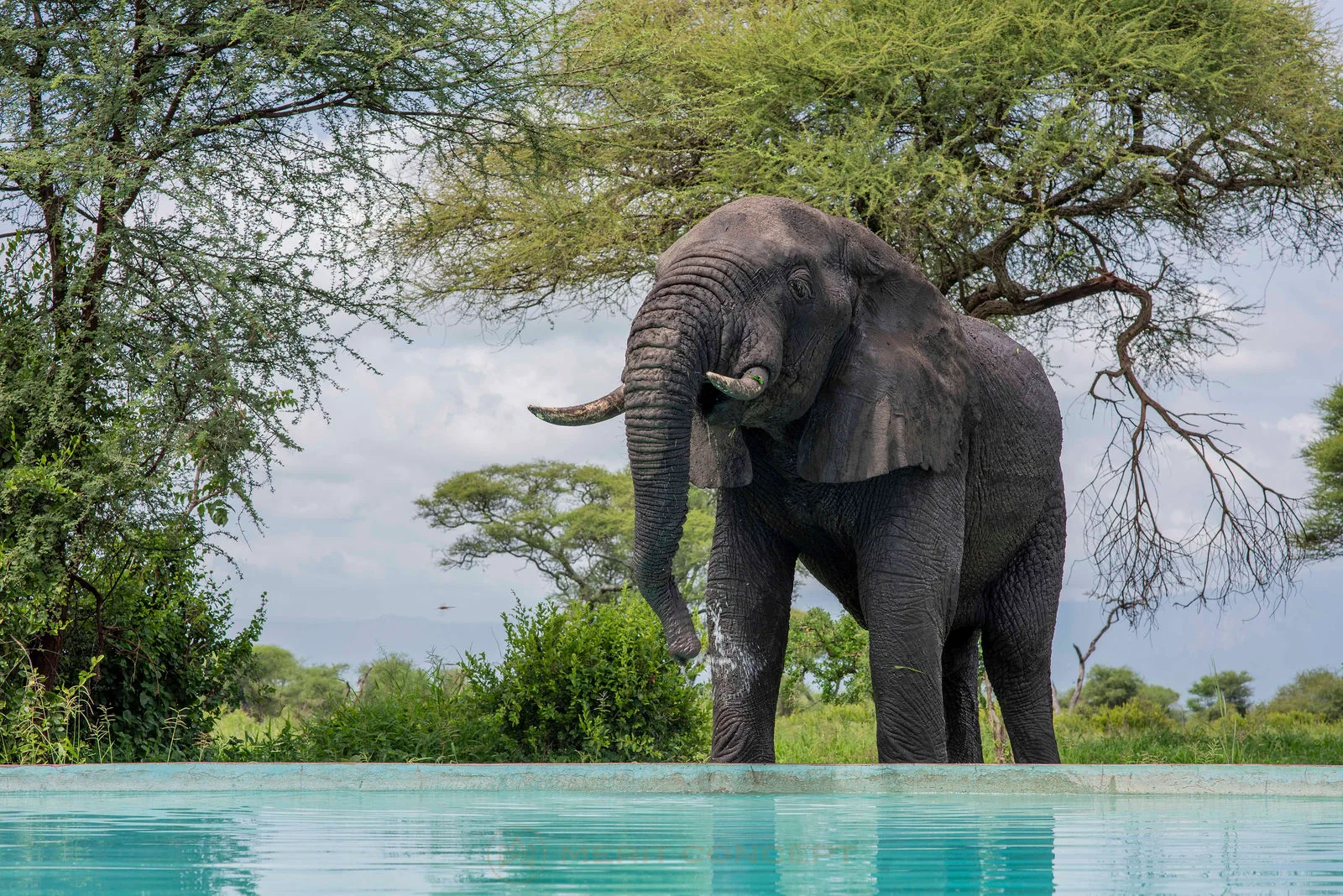
Tarangire Simba Lodge
A permanent tented lodge close to Tarangire National Park, set in a wildlife-rich area near Sangaiwe Gate.
View property →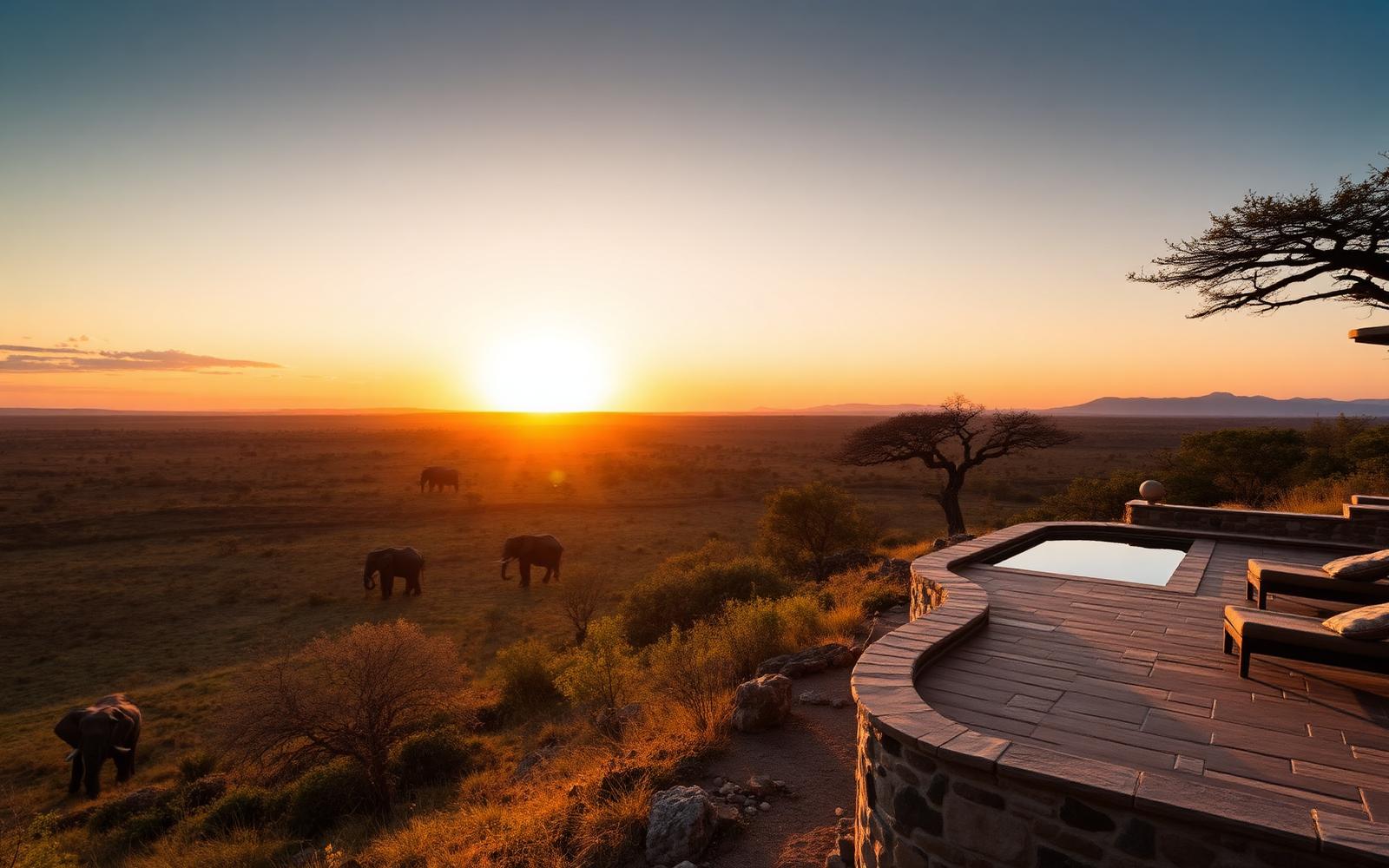
Tarangire Sopa Lodge
A comfortable in-park lodge in Tarangire with generous rooms, a valley-facing pool and game drives that begin at the door.
View property →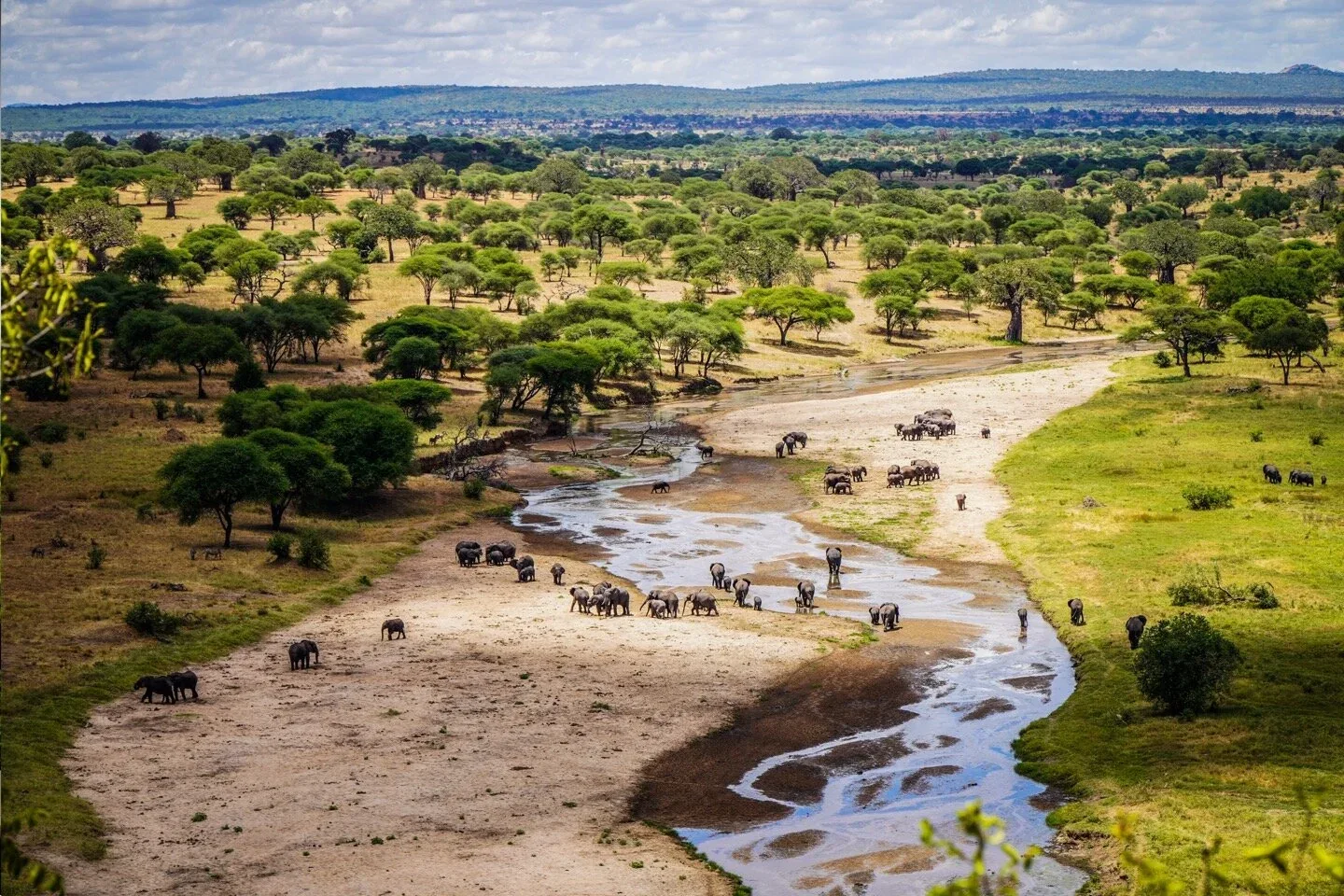
Tarangire Safari Lodge
A lodge inside Tarangire used for an overnight stay after a day among the park’s river, woodland and baobab landscapes.
View property →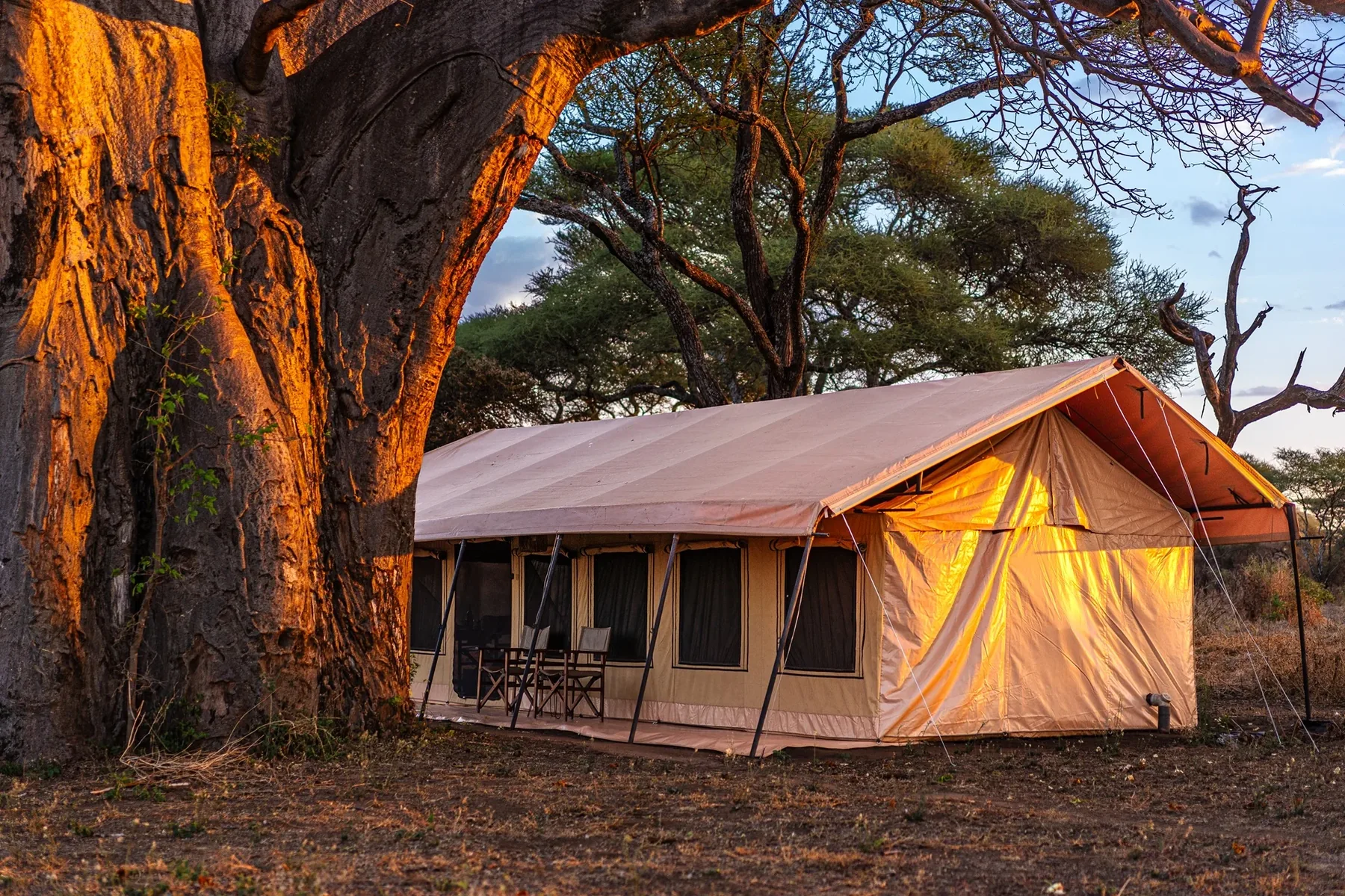
Baobab Tented Camp Tarangire
A small tented camp inside Tarangire National Park.
View property →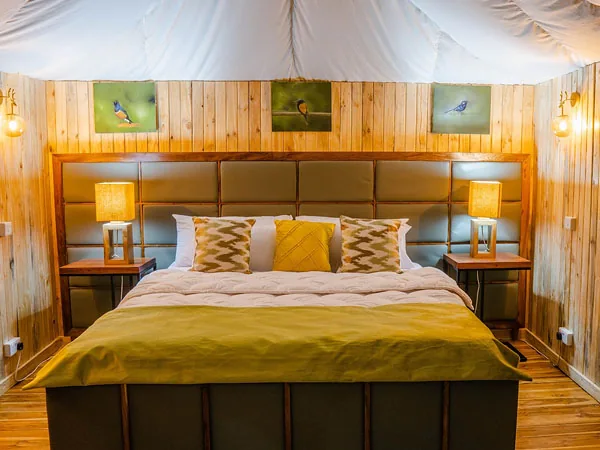
Ang’ata Tarangire Camp
A tented camp within Tarangire National Park, with guest tents, a lounge and a dining tent.
View property →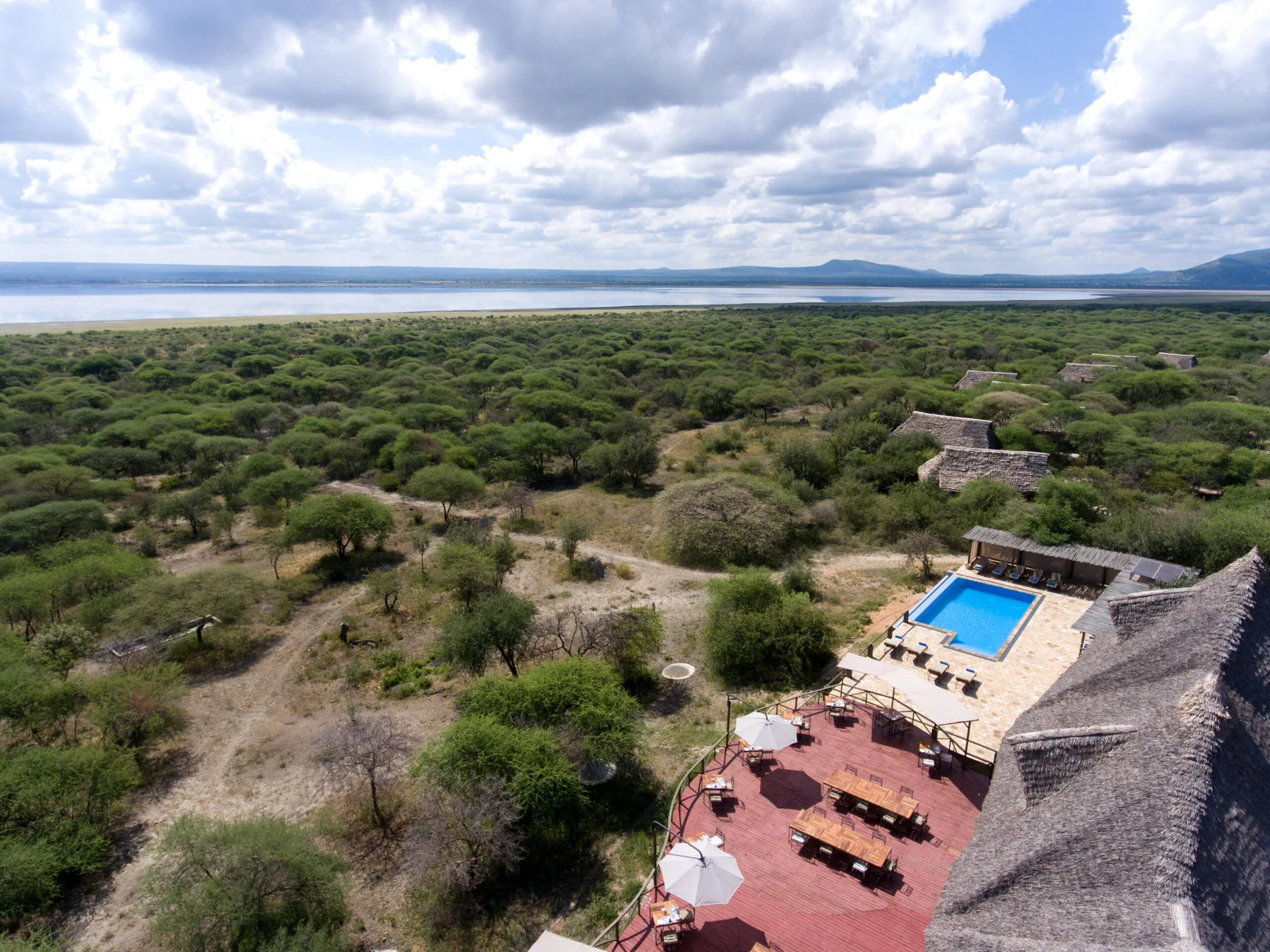
Lake Burunge Tented Lodge
A tented lodge in the Lake Burunge area outside Tarangire.
View property →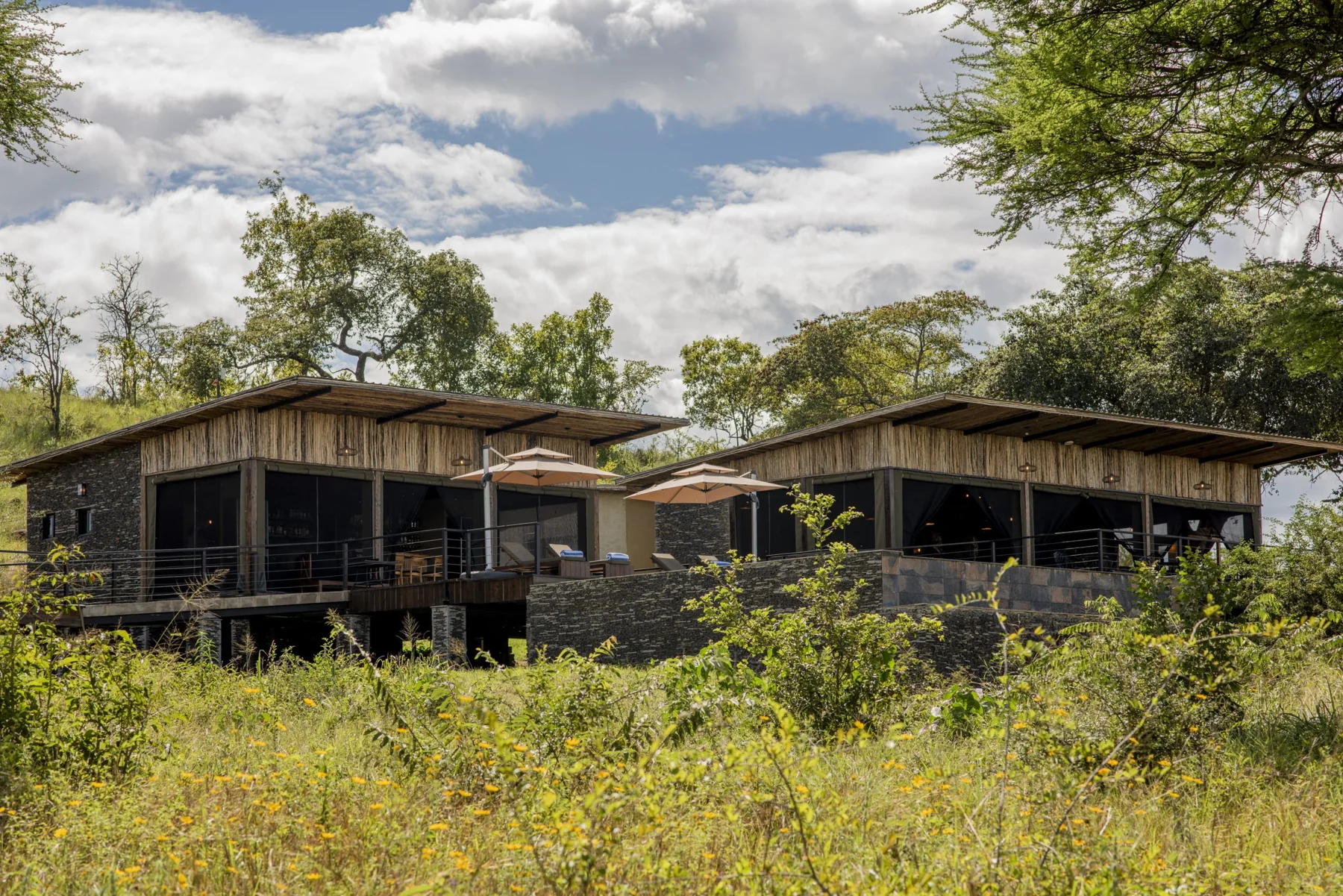
Tarangire Elephant Springs
A Karibu Camps & Lodges property in Tarangire, combining an in-park stay with views of the surrounding safari landscape.
View property →Journeys featuring Tarangire National Park.
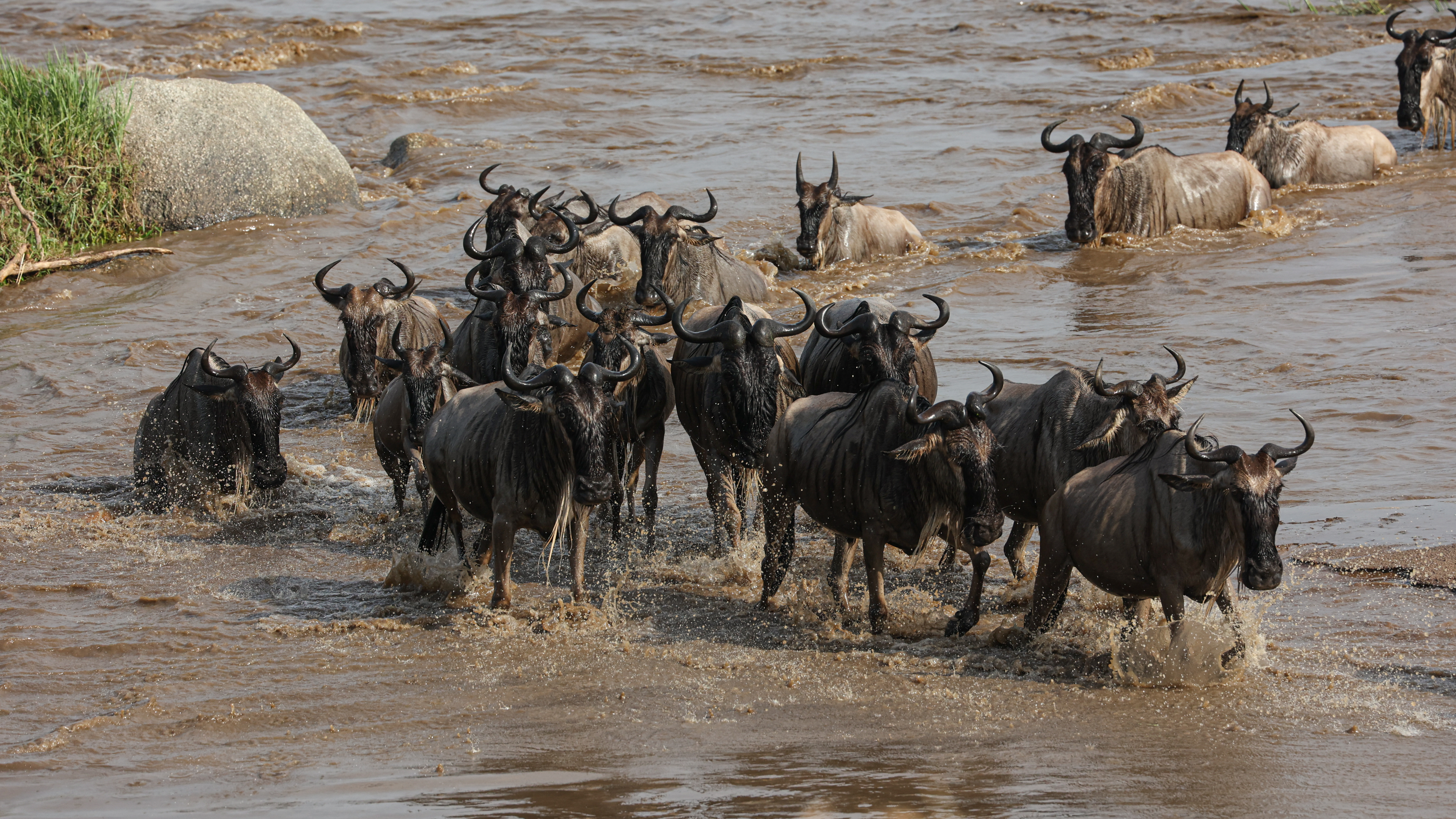
8-Day Luxury Grumeti Migration & Fly-Out Safari
Discover northern Tanzania on a private safari that brings together Tarangire's baobab landscapes, the wildlife-rich Ngorongoro Crater and four nights in the Serengeti.
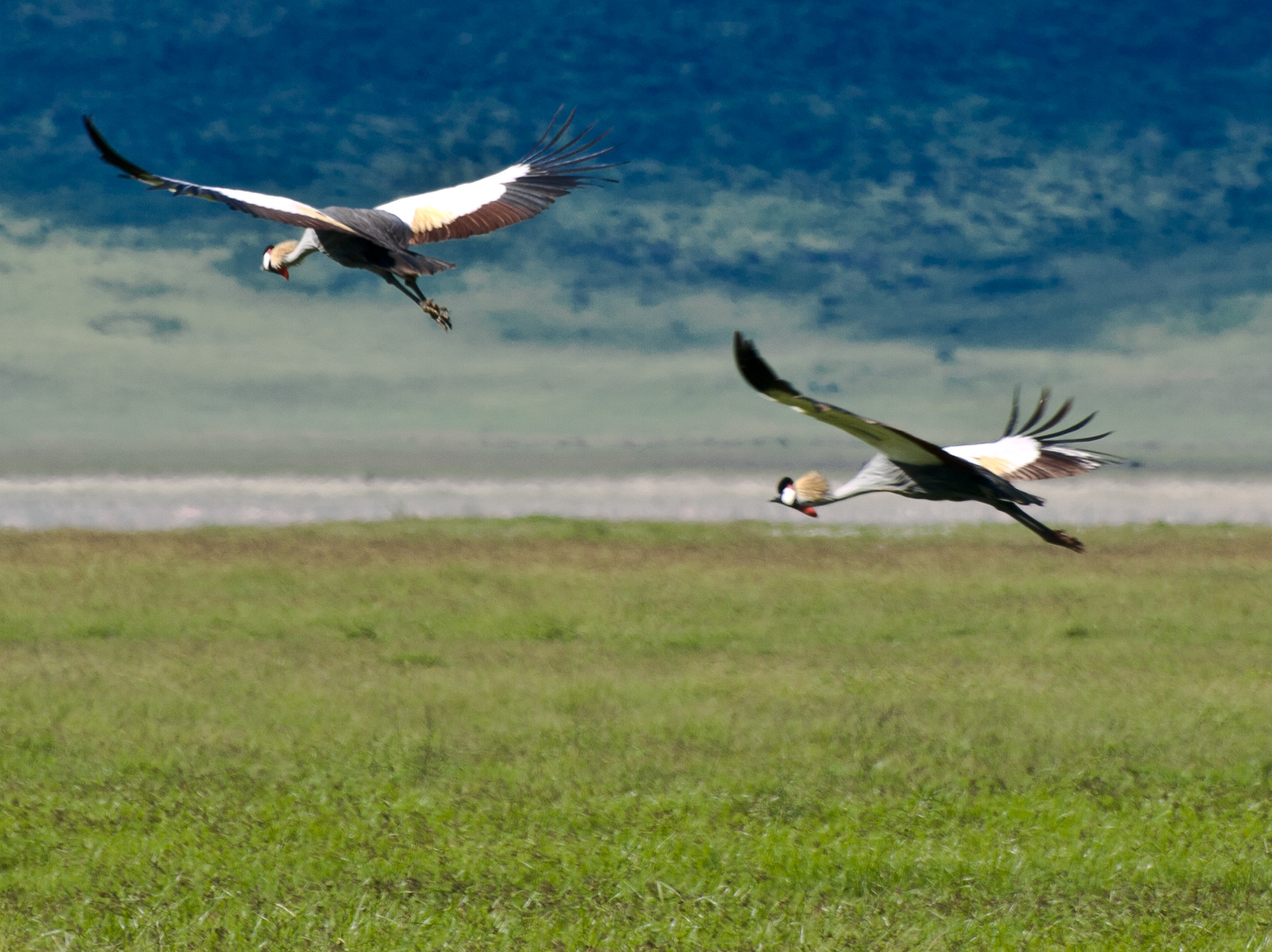
The East Africa Classic
Five landscapes across Kenya and Tanzania on one private safari.
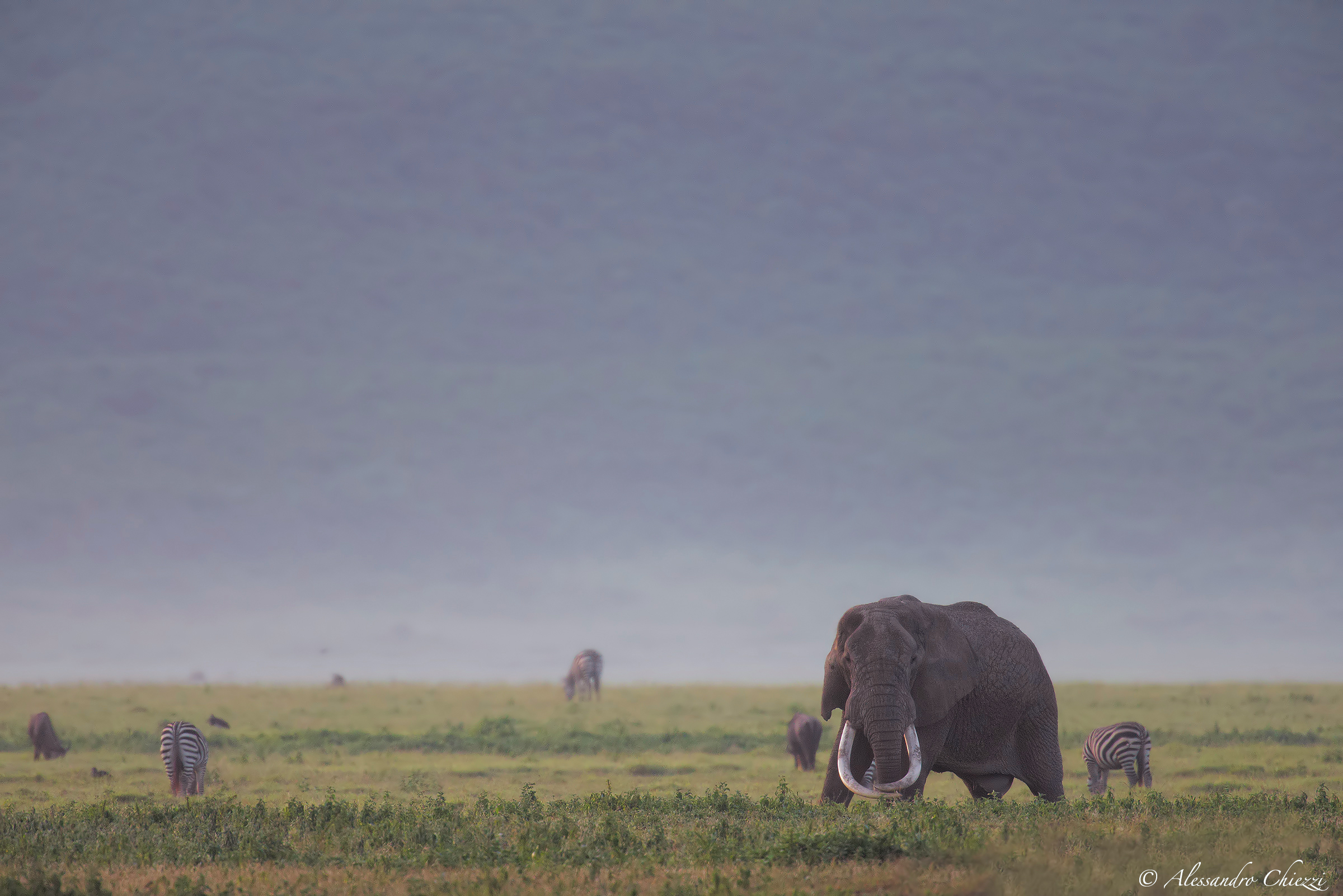
The Tanzania Classic
Three legendary landscapes. One unforgettable introduction to Tanzania.
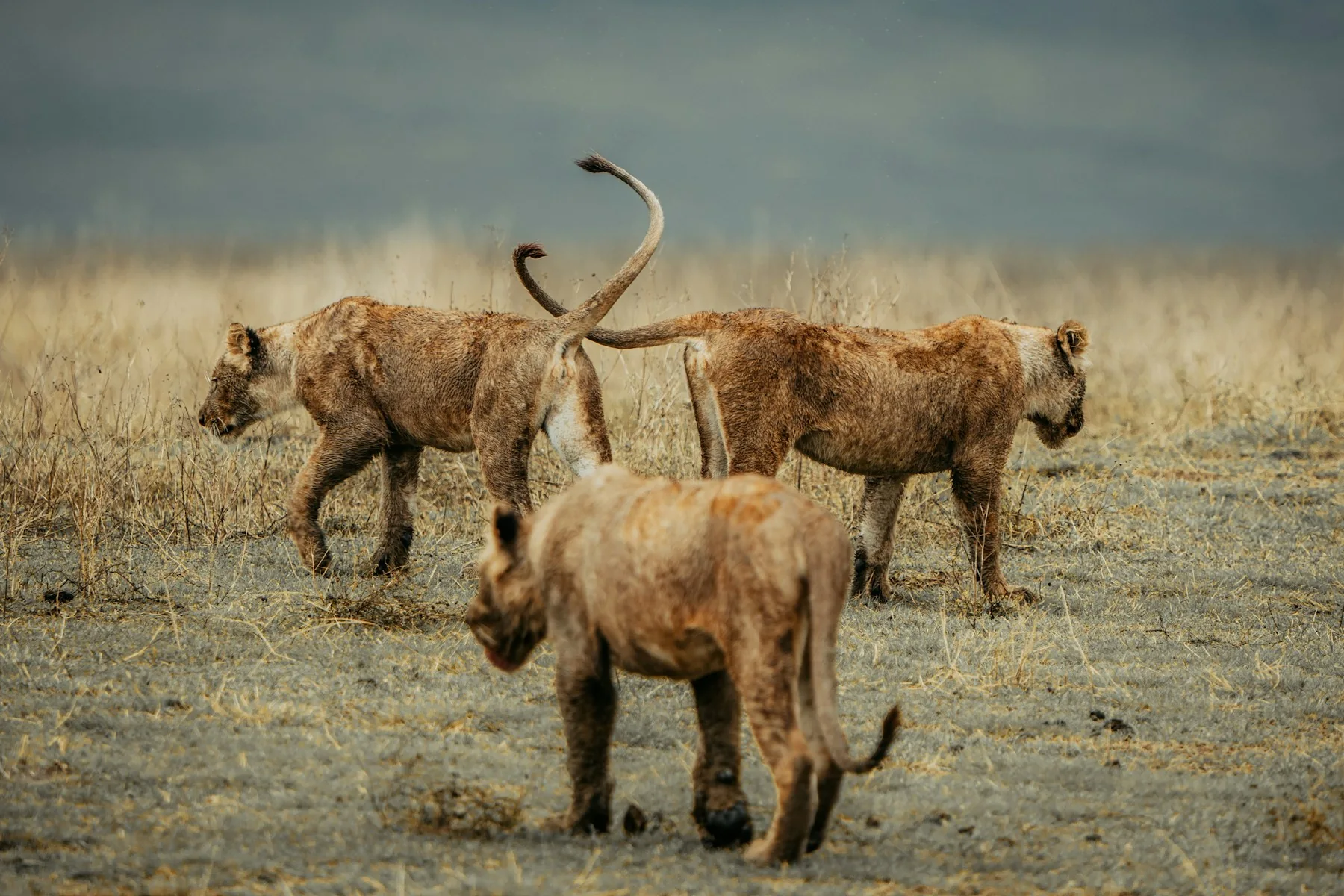
6-Day Baobabs, Plains & Crater
Tarangire, two Serengeti nights and Ngorongoro, with comfortable lodge and tented stays.
6-Day Tanzania Tented Trails
A private tented safari through Tarangire, the central Serengeti and Ngorongoro.
7-Day Elephants & Endless Plains
Tarangire, three central Serengeti nights and a crater finale with selected luxury stays.
Combine Tarangire National Park with…
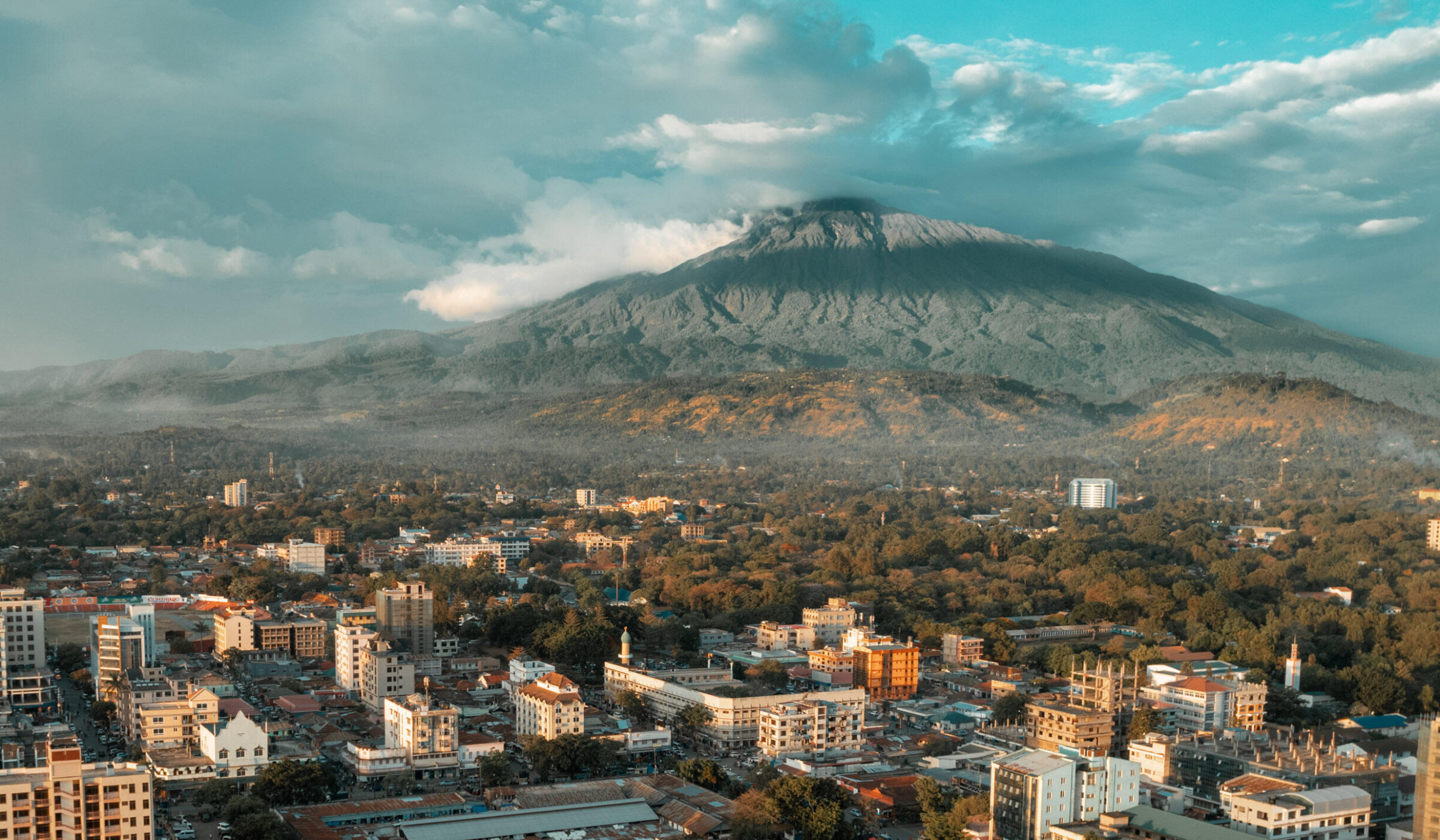
Arusha
The Gateway to Tanzania's Legendary Northern Safari Circuit
Arusha is Tanzania's premier safari gateway, offering easy access to world-famous national parks, Mount Kilimanjaro, rich cultural experiences, luxury lodges and authentic East African hospitality.
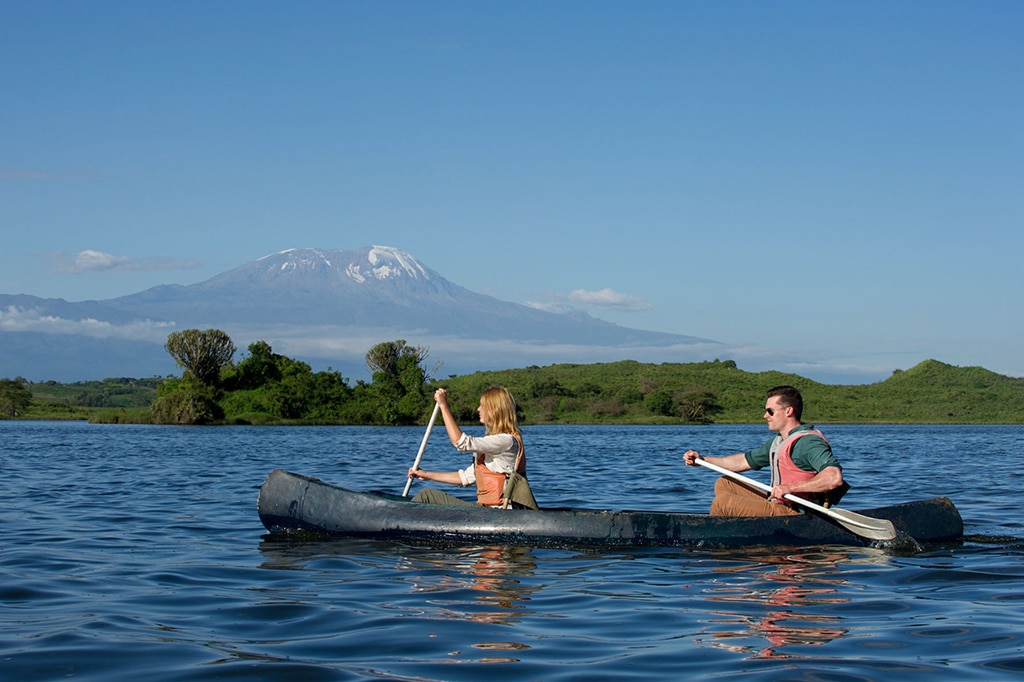
Arusha National Park
The most underrated hour from Kilimanjaro Airport.
A compact, gloriously varied park at the foot of Mount Meru — montane forest, crater grasslands and the alkaline Momella Lakes, with walking safaris, canoeing and colobus monkeys just forty minutes from Arusha.
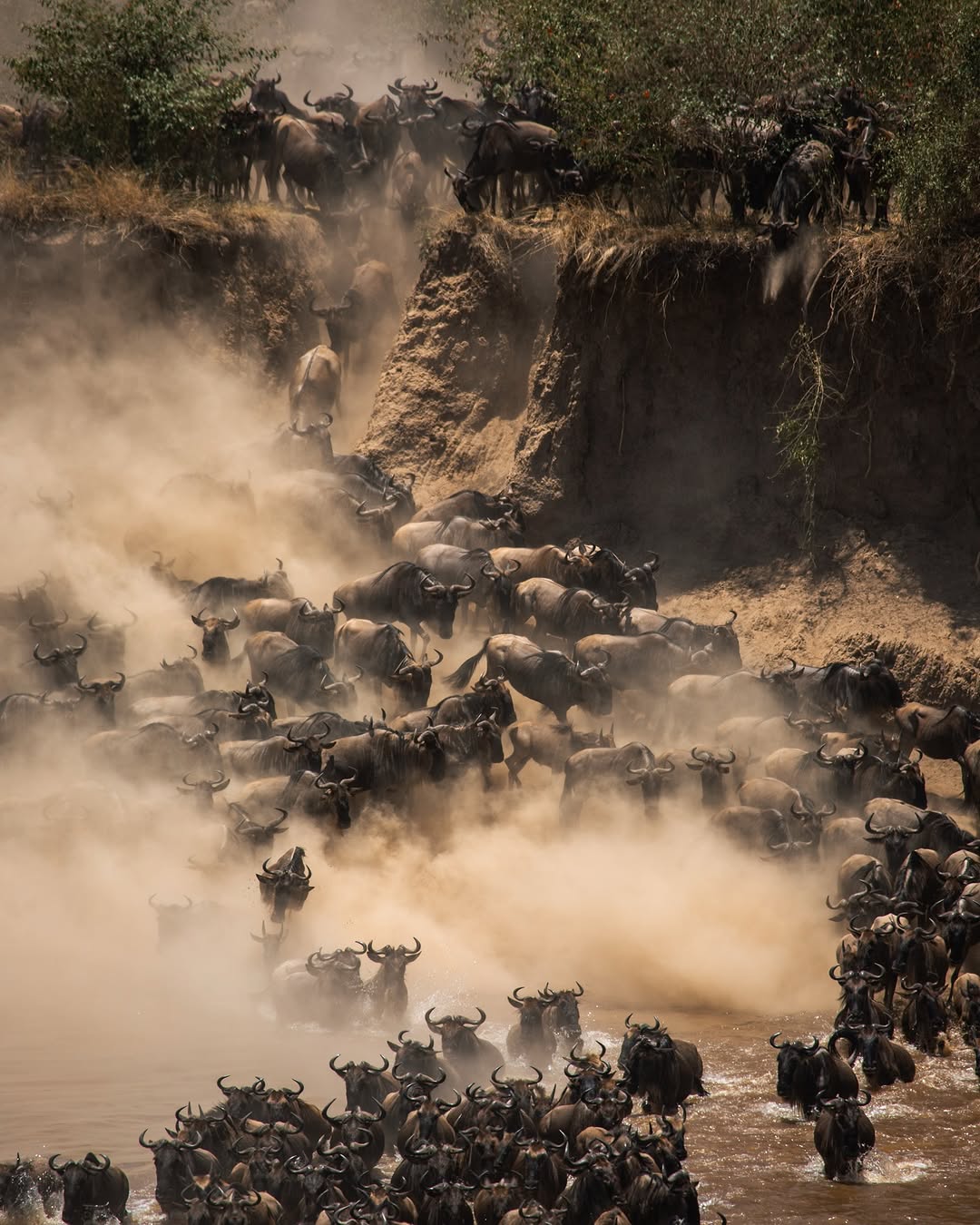
Serengeti National Park
The endless plains.
Fourteen thousand square kilometres of grassland, kopjes and riverine forest carrying the largest land migration on earth — and, outside the migration, the densest population of big cats in Africa.
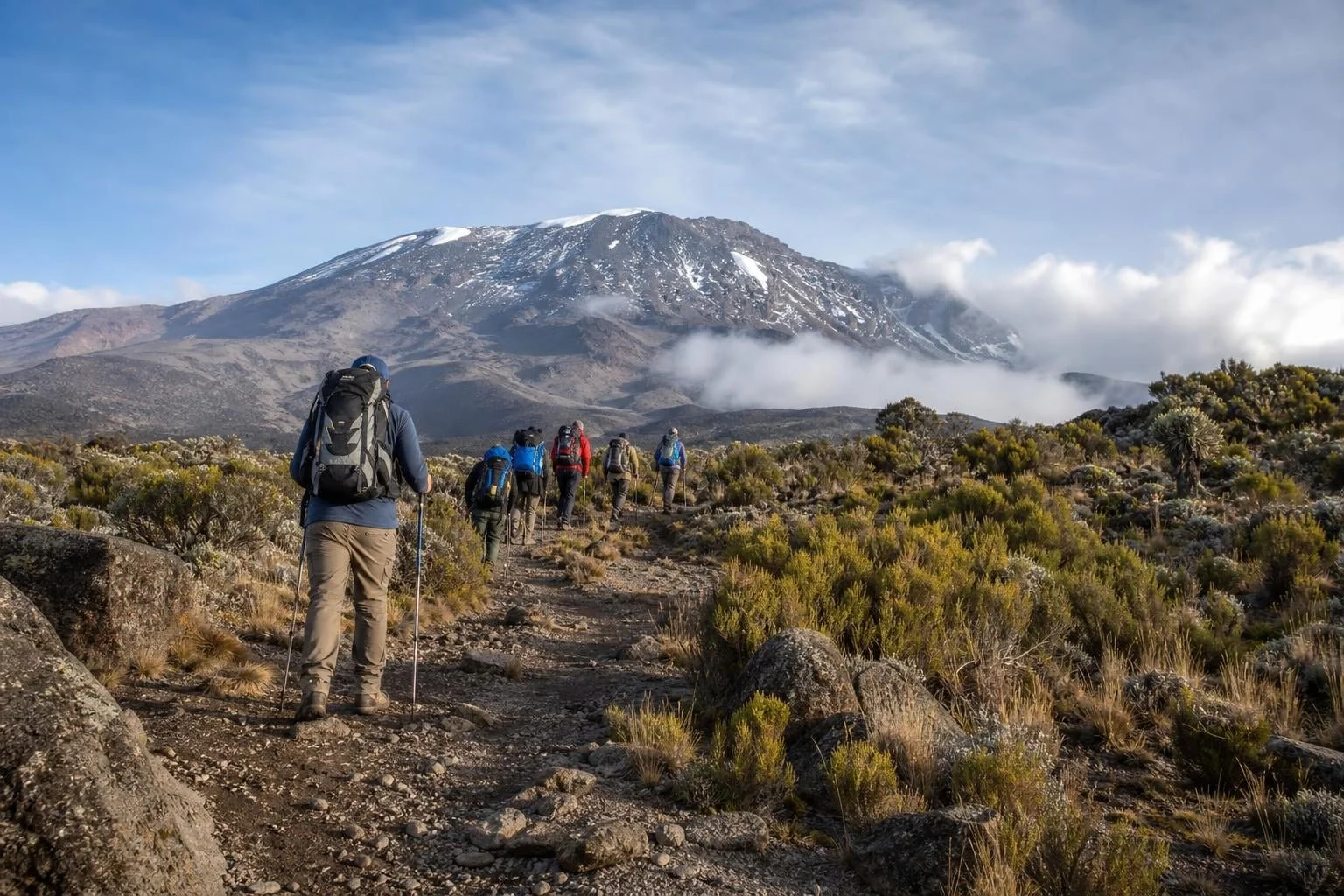
Mount Kilimanjaro
The highest walk in Africa.
Africa's highest peak and the world's tallest freestanding mountain — a non-technical trek through rainforest, moorland, alpine desert and glacial ice to Uhuru Peak at 5,895 metres.
Planning your visit.
Practical guidance from our on-the-ground team, tailored to this destination.
Packing
Neutral, breathable layers, a warm fleece for early drives, a wide-brimmed hat, high-factor sunscreen and a buff or scarf — September and October are genuinely dusty. Closed shoes if you plan to walk in the conservancies.
Health
Malaria is present; use prophylaxis as advised by your doctor and repellent at dawn and dusk. Yellow fever certificates may be requested if arriving from an endemic country. Drink bottled or filtered water only.
Safety
Elephants here are relaxed but numerous — keep engines quiet, never come between a cow and her calf, and let your guide decide the distance. Do not walk in camp after dark without an escort.
Photography
Late afternoon in the northern river sector is the money hour for elephant-and-baobab compositions. Bring a 100–400mm zoom plus a wide lens, and a dust blower — lens changes in October are a gamble. Drone use requires formal TANAPA permits and is not permitted for general visitors.
Connectivity
Mobile signal is reasonable in the northern sector and unreliable further south. Most camps have Wi-Fi in the main area only, which is part of the appeal.
Family advice
An excellent first safari park for families: short transfers from Arusha, dependable elephant sightings and camps with family tents. Several conservancy properties accept younger children for walking activities than the national park allows.
Responsible tourism
Choose camps within the Randilen or Burunge community conservancies where possible — they protect the wildlife corridors the migration depends on and return revenue directly to Maasai villages. Keep to designated tracks and limit vehicle numbers at sightings.
Frequently asked.
What is Tarangire National Park famous for?
Its elephants and its baobabs. Tarangire holds the largest dry-season elephant concentration in northern Tanzania, gathered along the Tarangire River beneath some of the densest baobab stands in East Africa.
How many days do you need in Tarangire?
Two nights is the sensible minimum — one day in the northern river sector and one long day south towards Silale Swamp. Photographers and birders should allow three or four.
When is the best time to visit Tarangire?
June to October, when the river is the only water in the ecosystem and elephant herds concentrate along it. November to March is greener, quieter and superb for birds.
How far is Tarangire from Arusha?
About 120 kilometres, or roughly two hours by tarmac road, which makes it the most convenient first stop on a northern circuit safari.
Can you do walking safaris in Tarangire?
Walking is not permitted inside the national park, but the adjoining community conservancies offer guided walking safaris, night drives and fly-camping.
Are there lions in Tarangire?
Yes, and in good numbers. The prides around Silale Swamp are known for hunting buffalo, and lion are seen regularly along the river in the dry season.
Is Tarangire better than the Serengeti?
It is different rather than lesser. Tarangire offers greater elephant density, better birding and far fewer vehicles; the Serengeti offers the migration and sheer scale. Most of our itineraries include both.
Can you see the Great Migration in Tarangire?
Not the Serengeti migration. Tarangire has its own smaller seasonal movement of zebra and wildebeest between the park and the Maasai Steppe, which peaks as the dry season sets in.
How old are the baobab trees in Tarangire?
Many are several centuries old. Their soft, fibrous trunks store water, which is why elephants strip the bark in the dry season and why so many carry deep scars.
Is Tarangire good for birdwatching?
It is widely considered the best birding park in northern Tanzania, with over 500 recorded species including the near-endemic yellow-collared lovebird and ashy starling.
Is Tarangire suitable for children?
Very much so. Short transfers, reliable sightings and family-friendly camps make it an ideal opening park, and conservancy camps often have lower age limits for activities.
Do I need a 4x4 in Tarangire?
Yes. Tracks are rough and the black-cotton soils in the south become impassable in the rains. All Wildlux safaris use custom 4x4 vehicles with a professional guide.
Can you fly a drone in Tarangire?
No. Drone use in Tanzanian national parks requires formal permits from TANAPA and is not available to general visitors.
Related reading.
Guides that pair well with a journey to this destination.
Ready to experience Tarangire National Park?
Tell us what draws you here and we'll shape a private journey around the places, experiences and pace that matter to you.