
Lake Manyara National Park
“Ernest Hemingway called it the loveliest lake in Africa, and from the escarpment road at five in the afternoon it is difficult to argue.”
A compact park of astonishing range — spring-fed forest, open floodplain and a shallow alkaline lake beneath the 600-metre wall of the Great Rift Valley, famous for tree-climbing lions, elephants and flamingo.
About Lake Manyara National Park.
Lake Manyara is the shortest visit on most northern-circuit itineraries and, mile for mile, one of the most rewarding. The park is a narrow strip barely a few kilometres wide, pressed between the sheer red wall of the Great Rift Valley escarpment and the shallow soda lake that gives it its name. Within that strip the habitat changes four or five times: you enter through dense groundwater forest, emerge into acacia woodland, cross open floodplain grazed by buffalo and wildebeest, pass hot springs steaming at the shoreline, and finish on the lake edge with flamingo standing pink against grey water.
The forest at the entrance is the surprise. Fed by springs that run down through the escarpment rather than by rainfall, it is tall, humid and green all year — a wall of mahogany, fig and tamarind loud with silvery-cheeked hornbills. Troops of olive baboon, among the largest in Africa, sit in the road with the unhurried confidence of animals that have never been hunted. Blue monkeys move overhead. Within ten minutes of the gate you are already somewhere quite unlike the plains most visitors imagine when they think of Tanzania.
Beyond the forest, the country opens. Elephants — long famous here and studied by Iain Douglas-Hamilton in the pioneering research that changed how the world understood elephant society — move through the acacia in family groups. Giraffe browse in the flat afternoon light. On the floodplain, zebra, impala and wildebeest graze towards the shoreline, and hippos crowd the pools near the Simba River mouth.
Then there are the lions. Manyara's tree-climbing lions are the park's calling card, and the reality is more interesting than the legend: lions in several parts of Africa will climb, but here it happens often enough that guides know the individual trees. Look for them draped along the horizontal branches of acacia tortilis and the great sausage trees on the floodplain, generally through the heat of the middle of the day. It is not guaranteed — nothing wild ever is — but Manyara offers a better chance of the sight than almost anywhere else.
Birdlife is the other headline, and for many travellers the real reason to come. More than 400 species have been recorded in an area of roughly 330 square kilometres, of which two thirds is lake. Great white pelican gather in rafts. Yellow-billed stork nest colonially in the forest. Grey crowned crane pick along the flats. And when conditions are right — usually after rain, when the algae the birds feed on blooms — lesser flamingo arrive in numbers that turn the far shoreline into a shifting pink line. It is worth saying plainly: flamingo numbers at Manyara fluctuate enormously with water level and are never guaranteed. In a good year they are one of the great sights of East Africa.
Because the park is small, it does things the big parks cannot. Canopy walkways let you move through the forest at treetop height. Night drives — a rarity in Tanzanian national parks — run here, turning up genet, civet, bushbaby and occasionally hunting lion. Mountain-bike routes follow the escarpment edge outside the boundary, and boat trips run on the lake when water levels allow. For families and for travellers with limited time, that variety makes an afternoon here feel like far more than a stopover.
The escarpment above the park holds some of the most beautifully sited lodges in northern Tanzania — properties on the rim with the lake, the forest and, on clear days, the outline of the Ngorongoro highlands laid out below them. Sundowners here, with the Rift wall going copper and the lake catching the last light, are the sort of thing people arrange whole itineraries around.
Manyara is usually paired with Tarangire and Ngorongoro, and it is the natural first or second stop on the way west from Arusha. Give it an afternoon and you will enjoy it. Give it a full day, including the quieter southern section beyond the Endabash River where very few vehicles go, and you will find one of the most consistently beautiful places on the northern circuit.
Wildlife & nature
Manyara's density is a product of its geography — permanent spring water and a narrow strip of habitat compress a large amount of wildlife into a small area. Elephant, buffalo, giraffe, zebra, wildebeest, impala, waterbuck and bushbuck are all common; hippo occupy the pools near the lake edge. Olive baboon troops here are unusually large, and blue monkeys are abundant in the forest canopy.
Lion are the park's most talked-about predator thanks to their tree-climbing habit; leopard are present but shy in the forest; spotted hyena, civet, genet and bushbaby appear on night drives. Birding is world class, with over 400 species: lesser and greater flamingo when water levels suit, great white pelican, yellow-billed stork, African fish eagle, grey crowned crane, silvery-cheeked hornbill and Hildebrandt's starling among the most reliably seen. Manyara also sits inside a UNESCO Biosphere Reserve, which recognises the interlocking of forest, lake and escarpment habitats.
Signature experiences
- Half or full-day game drives through forest, floodplain and lakeshore, ideally continuing south past Endabash where the crowds thin out.
- Treetop canopy walkway — a suspended forest walk at up to 18 metres, superb for birds and a favourite with families.
- Night drives, permitted here and rare in Tanzanian parks, for genet, civet, bushbaby and nocturnal predators.
- Guided walking safaris along the escarpment and lakeshore areas with an armed ranger.
- Birding excursions at the hot springs and lake edge, best in the early morning.
- Mountain biking and village walks in Mto wa Mbu, the vibrant multi-ethnic town at the park gate.
- Escarpment sundowners from the rim lodges, looking out over the Rift Valley floor.
Photography guide
The forest demands high ISO and fast glass — light under the canopy is low even at midday, and baboons and hornbills rarely wait. Once you emerge onto the floodplain, the escarpment behind you becomes the best backdrop in the park: shoot elephants and giraffe in the late afternoon with the Rift wall glowing red behind them. Sunrise at the hot springs at Maji Moto produces steam and silhouette; sunset is best from the escarpment above the park rather than inside it.
For flamingo, a long lens and a low angle compress the flock into the classic pink band — but check water levels before you build hopes. Birds in the forest reward 400mm; the lake edge is often distant, so 500mm or more helps. Drone use is prohibited in Tanzanian national parks without formal TANAPA permits.
Where to stay
The most memorable properties sit on the escarpment rim above the park, where suites and infinity pools look out across the forest canopy to the lake and the Rift floor beyond. Below, the Mto wa Mbu area offers characterful tented camps close to the gate, and the coffee-farm lodges of Karatu — on the road to Ngorongoro — work well for travellers combining both. We choose properties by view, gate access and the quality of the guiding team, and we know every one of them personally.
How long to stay
- Half day — the standard on most circuits, en route between Tarangire and Ngorongoro. Enjoyable, and a little rushed.
- 1 night — allows a full day in the park including the quieter south, plus a night drive or canopy walk.
- 2 nights — for birders and photographers, or for families who want the canopy walkway, biking and village visits alongside game drives.
- Longer combinations — Manyara slots between Tarangire and Ngorongoro on a seven- to ten-day northern circuit, and pairs well with a cultural day at Lake Eyasi.
Nearby destinations
Tarangire lies ninety minutes east and offers a complete contrast in scale and habitat. Ngorongoro Crater is under two hours west, climbing the escarpment through the Karatu farmlands. Lake Eyasi, home to the Hadzabe and Datoga, is a natural southern add-on, and Lake Natron and the Serengeti both lie further north and west for travellers continuing deeper into the Rift.
Conservation & community
Lake Manyara was gazetted in 1960 and forms the core of a UNESCO Biosphere Reserve, a designation that recognises the relationship between the park, the escarpment catchment and the farming communities around it. The park's greatest pressures come from outside its boundaries: water extraction upstream, agricultural expansion and the narrowing of the Kwakuchinja corridor that links Manyara to Tarangire and the Maasai Steppe. Community-run enterprises in Mto wa Mbu — village walks, bicycle tours, food tastings, artisan workshops — return tourism income directly to households, and are worth an afternoon in their own right. Choose them over roadside curio stops, keep to the tracks, and never encourage a guide to crowd a tree-climbing lion.
Lake Manyara asks very little of your itinerary and gives back more than its size suggests. Add a night, drive south past Endabash, and let our team show you the park most visitors never see.

Lake Manyara National Park, in short.
The essentials our specialists check first when shaping a private itinerary.
Good to know.
- Location
- Manyara Region, northern Tanzania, c. 120 km west of Arusha at Mto wa Mbu
- Park size
- c. 330 km², of which roughly two thirds is lake
- Established
- Gazetted as a national park in 1960; core of a UNESCO Biosphere Reserve
- Elevation
- Lake floor c. 960 m; escarpment rim up to c. 1,800 m
- Getting there
- About 2 hours by tarmac road from Arusha; a scheduled airstrip serves the park and is often used for onward flights to the Serengeti
- Best time
- July to October for game viewing; November to April for birding and flamingo
- Currency
- Tanzanian shilling; US dollars accepted at lodges and park gates. Carry small notes for village walks and community enterprises in Mto wa Mbu.
Why visit Lake Manyara National Park?
Tree-climbing lions
Manyara's most famous residents, draped along acacia and sausage-tree branches through the heat of the day.
Flamingo on the soda lake
When water levels and algae blooms align, lesser flamingo turn the shoreline into a shifting pink band.
Groundwater forest
Spring-fed evergreen forest of mahogany and fig — humid, tall and full of hornbills, baboons and blue monkeys.
The Rift Valley escarpment
A 600-metre red wall rising directly behind the park, and the finest natural backdrop on the northern circuit.
Over 400 bird species
Pelican, yellow-billed stork, crowned crane and fish eagle in a park two thirds covered by water.
Treetop canopy walkway
A suspended forest walk up to 18 metres above the ground — rare in East Africa and superb for families.
Night drives
Permitted here and almost nowhere else in Tanzania's national parks, revealing genet, civet and bushbaby.
UNESCO Biosphere Reserve
Recognised for the interlocking of lake, forest and escarpment habitats and the communities around them.
Species you may encounter.
Wildlife commonly associated with the region. Sightings are always wild and never guaranteed.
Tree-climbing lion
Most often found resting in acacia and sausage trees on the floodplain during the middle of the day.
African elephant
Made famous by pioneering research here; family groups move through the acacia woodland.
Olive baboon
Some of the largest troops in Africa, relaxed and easily observed in the forest.
Blue monkey
Abundant in the groundwater forest canopy near the entrance gate.
Hippopotamus
Resident pools near the Simba River mouth with a dedicated viewing point.
Lesser and greater flamingo
Numbers fluctuate greatly with water level; spectacular in a good year.
Great white pelican
Gather in rafts on the lake and fish cooperatively in the shallows.
Maasai giraffe
Common on the floodplain, superb against the escarpment in late light.
Cape buffalo
Large herds graze the open flats between forest and lakeshore.
Leopard
Present in the forest and riverine thickets, but shy and infrequently seen.
Silvery-cheeked hornbill
Loud, unmistakable and everywhere in the forest canopy.
African fish eagle
Perched along the shoreline; its call is the soundtrack of the lake edge.
Experiences in Lake Manyara National Park.
The right time for Lake Manyara National Park.
Peak game viewing: July – October · Best birding and flamingo potential: November – April
Warm and green between the rains; excellent birding and active forest wildlife.
A dry window with good light, healthy water levels and reasonable flamingo prospects.
Rains build; the forest is at its most dramatic and the park very quiet.
Long rains. Tracks are heavy and afternoons wet, though the escarpment views are extraordinary between storms.
Rain eases late; landscapes are emerald and lodges are quiet and well priced.
Dry season opens with clear air, firm tracks and good general game viewing.
Cool and dry; wildlife concentrates near permanent water and lion are easier to find.
Peak season with excellent visibility — busy in the morning, calmer after lunch.
Dry, golden and comfortable; one of the finest months in the park.
Hot and dry with strong game viewing before the short rains arrive.
Short rains green the park quickly and migrant birds arrive in force.
Green, lively and rewarding, with a busy festive fortnight on the circuit.
- Altitude
- c. 960 – 1,800 m
- Average temperature
- 18–30°C, humid in the forest
- Dry season
- June – October
- Rainy season
- November – December (short rains) and March – May (long rains)
Lake Manyara National Park, in pictures.
Lake Manyara National Park on the map.
The park and the places around it — nearby destinations, areas and camps we work with.
- Lake Manyara National Park-3.583°, 35.833°
- Tarangire National ParkNearby destination
- Ngorongoro Conservation Area & CraterNearby destination
- Serengeti National ParkNearby destination
- Lake EyasiNearby destination
- Suricata Boma LodgeSafari Lodge
- Lake Manyara Serena Safari LodgeSafari Lodge
- Africa Safari Manyara EscarpmentTented Camp
Where to stay in Lake Manyara National Park.
A representative selection — Wildlux hand-picks camps and lodges based on your dates, style and pace.

Suricata Boma Lodge
An eco-conscious lodge with individual bungalows, a swimming pool, and Rift Valley views.
View property →
Lake Manyara Serena Safari Lodge
An escarpment lodge used on the final night before a Lake Manyara game drive.
View property →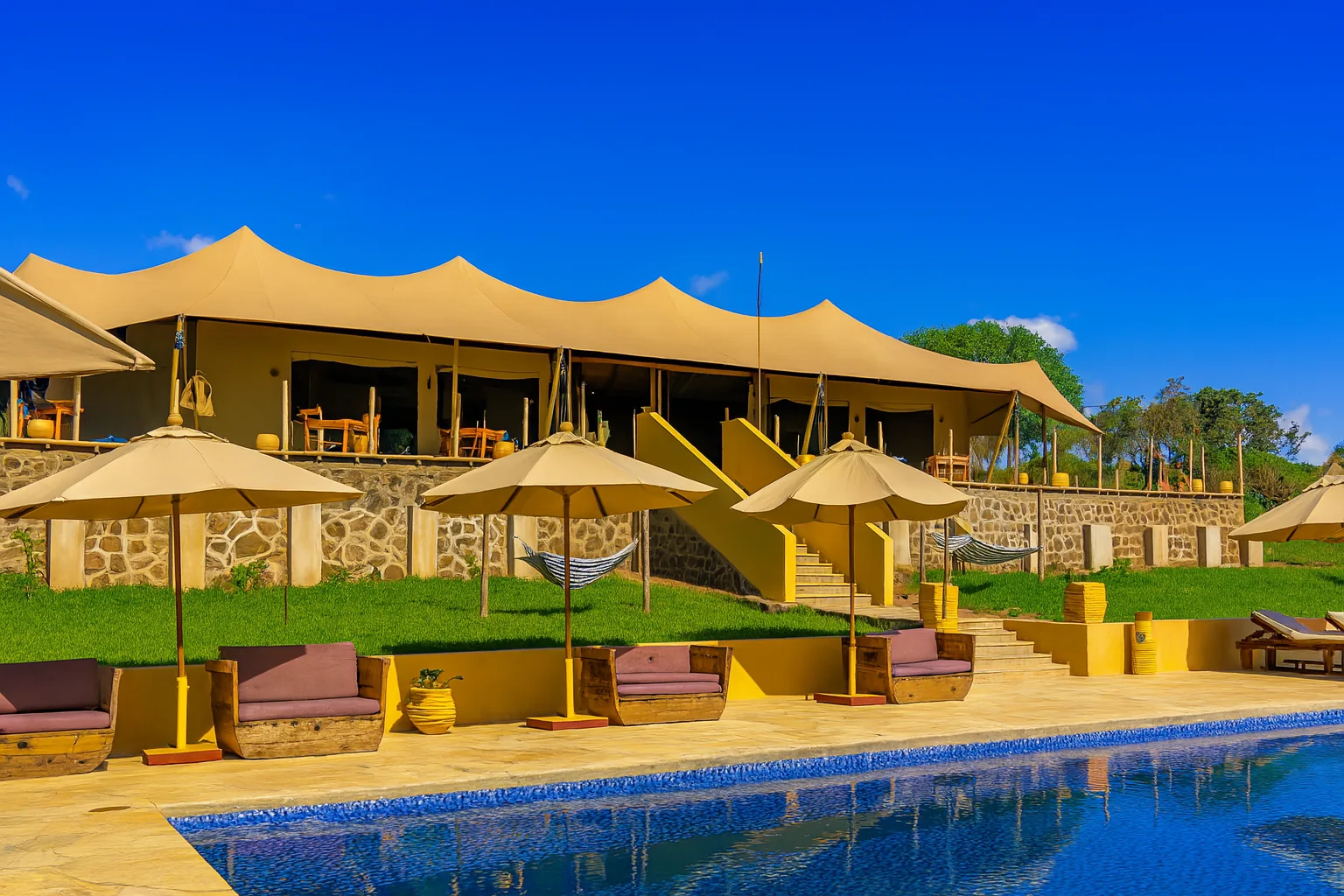
Africa Safari Manyara Escarpment
A lodge and glamping base in the Lake Manyara area.
View property →Journeys featuring Lake Manyara National Park.
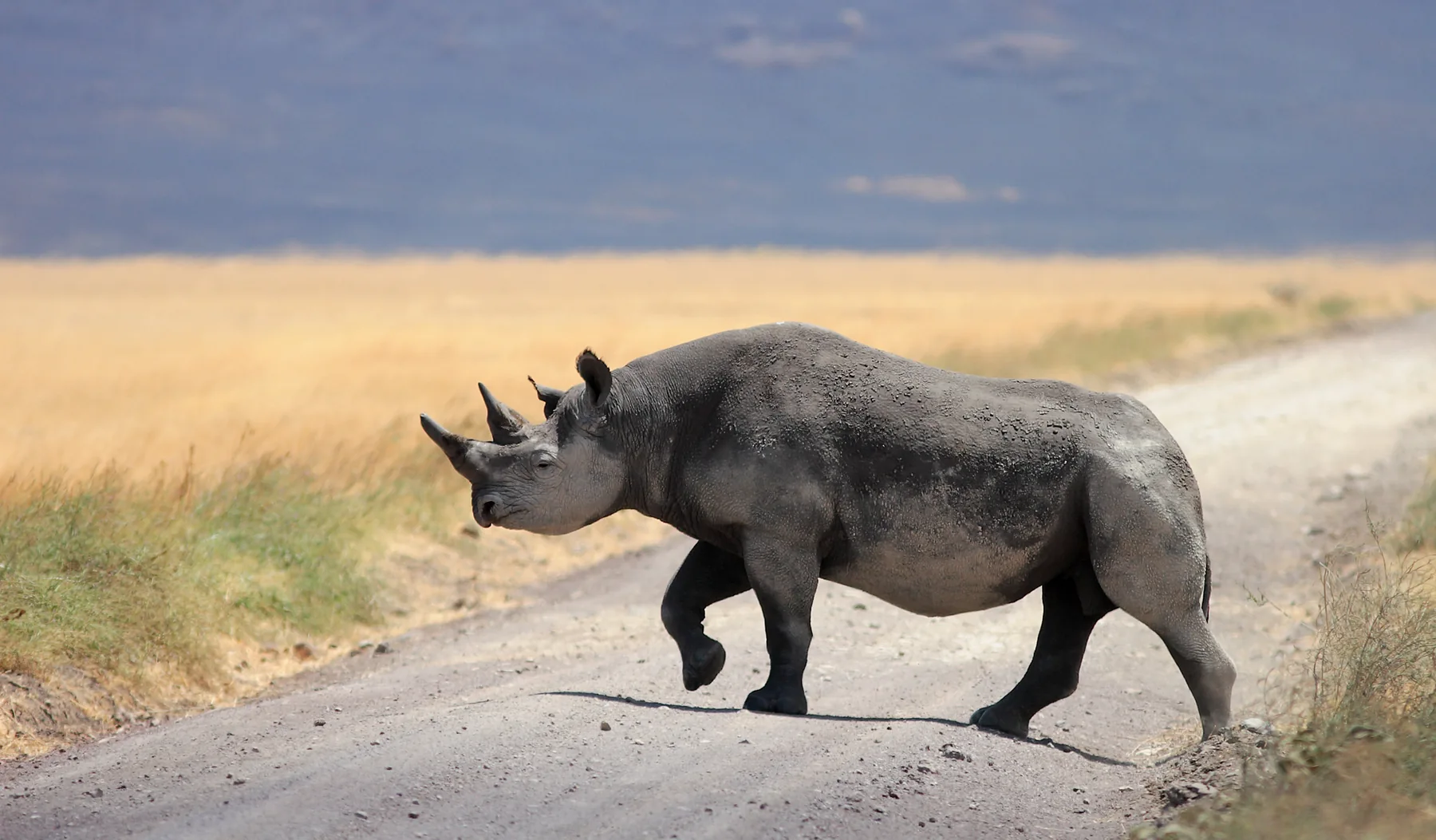
9-Day Northern Tanzania Discovery
Four northern parks, three Serengeti nights and a locally guided Mto wa Mbu visit.
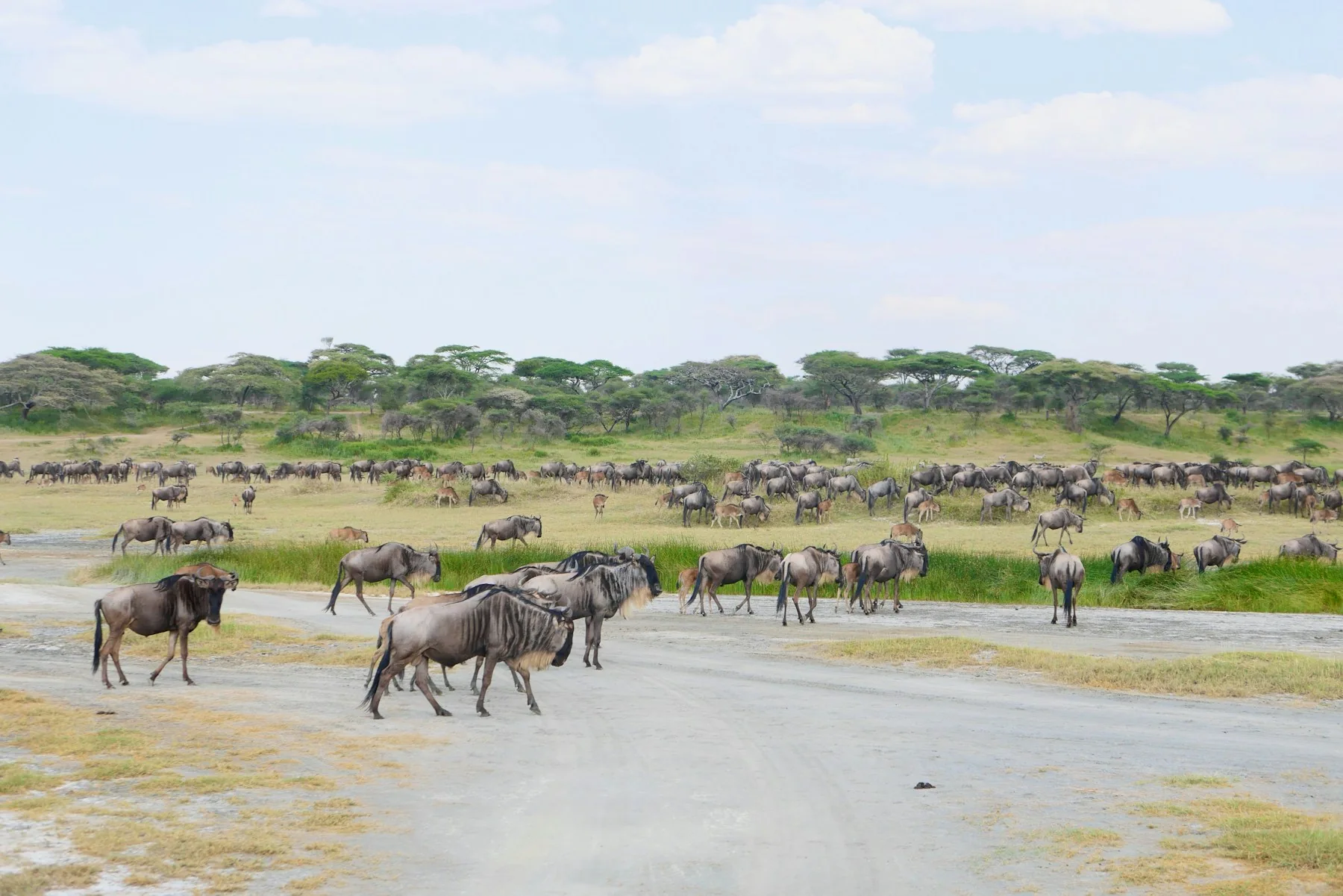
7-Day Grumeti & Western Plains
Three Serengeti nights, including two in the Western Corridor, with Tarangire and Ngorongoro.
7-Day Mara River & Rift Valley Explorer
Tarangire, Ngorongoro, three Serengeti nights and a Lake Manyara finale.
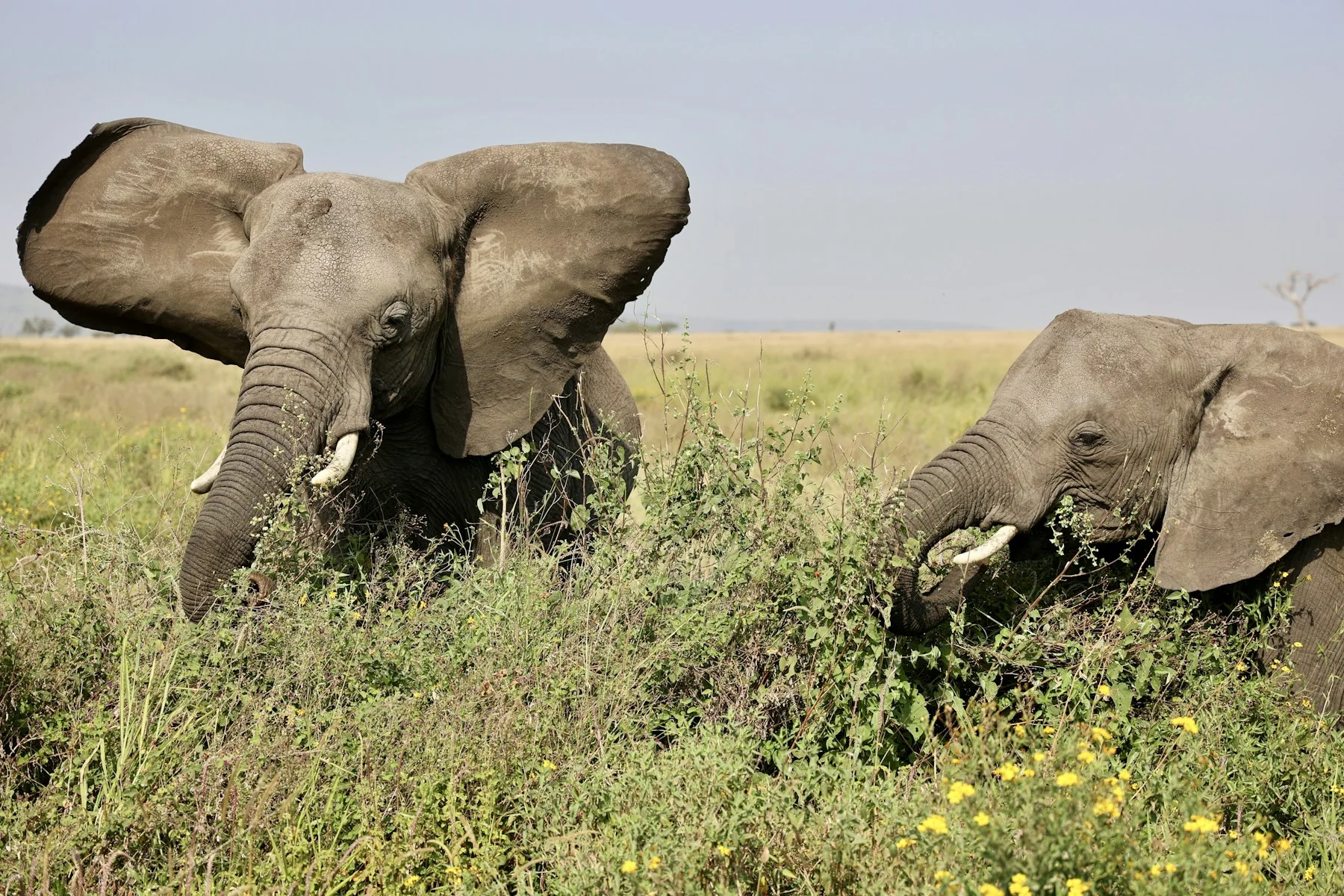
8-Day Baobabs to the Mara River
Two Tarangire game-drive days, Ngorongoro, the northern Serengeti and Lake Manyara.
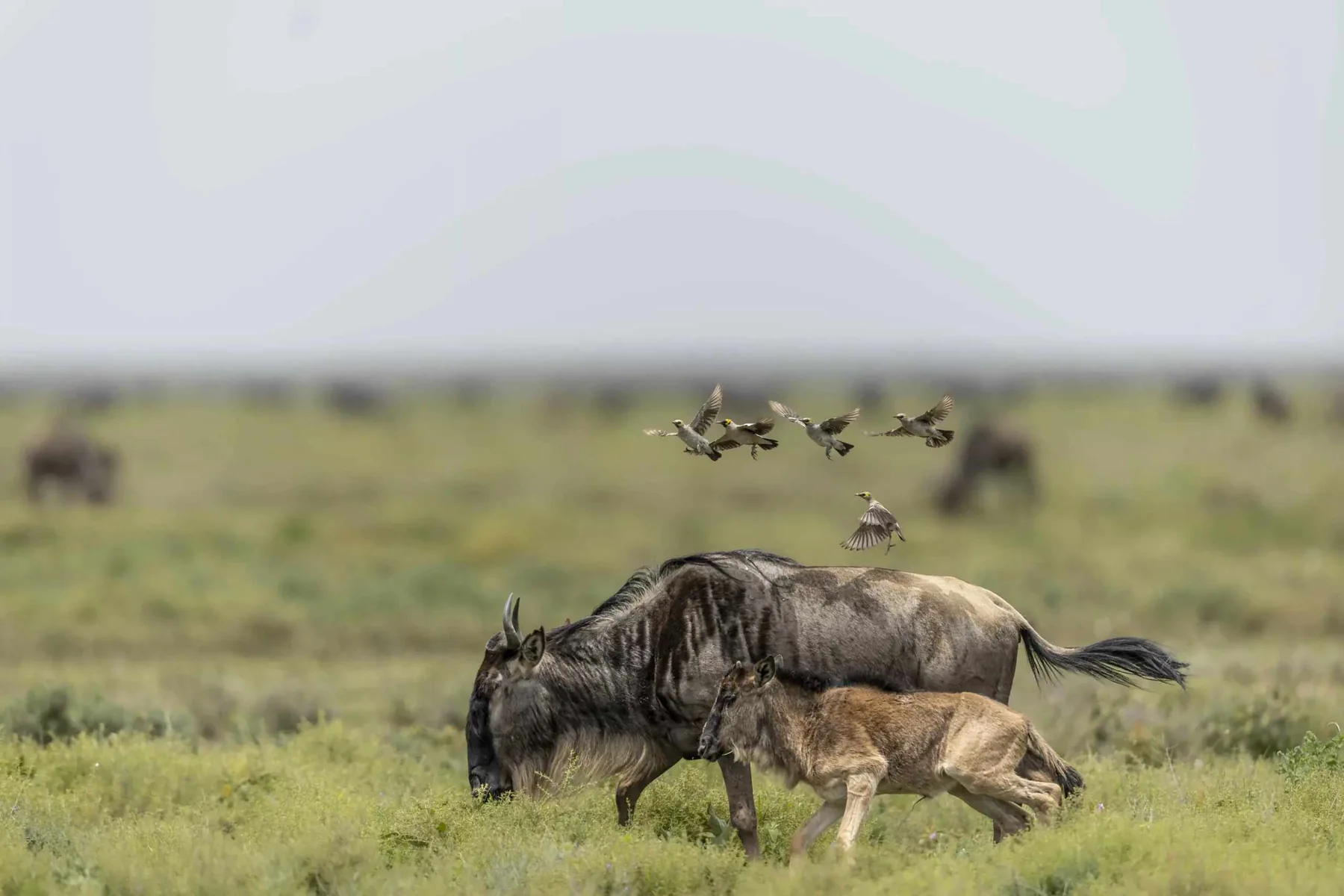
8-Day Ndutu Calving & Southern Plains
Three Ndutu nights for calving-season wildlife, with Tarangire, Ngorongoro and Lake Manyara.
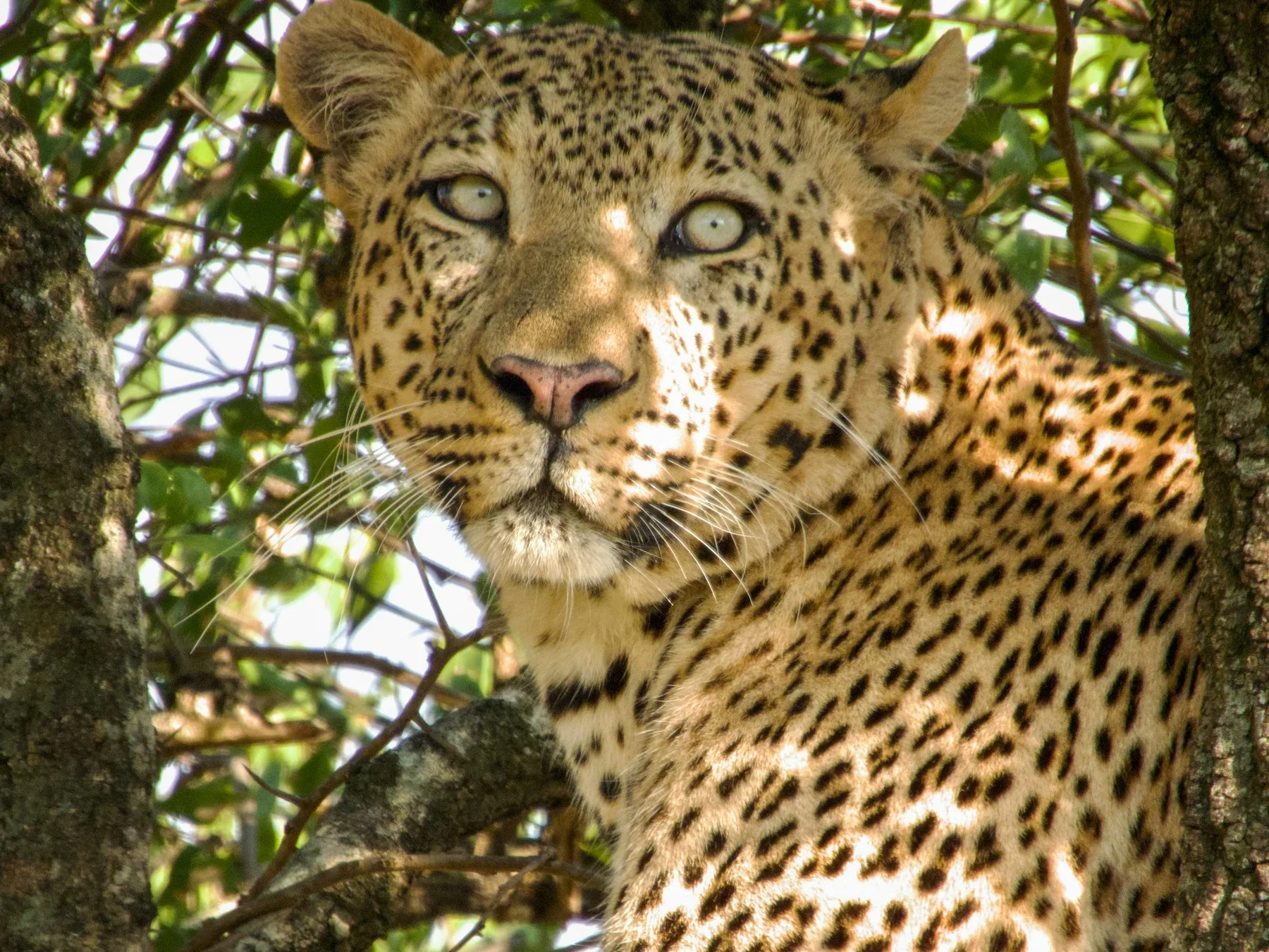
9-Day Northern Tanzania Migration Trail
Four Serengeti nights with a central return stop, plus Tarangire, Ngorongoro and Manyara.
Combine Lake Manyara National Park with…
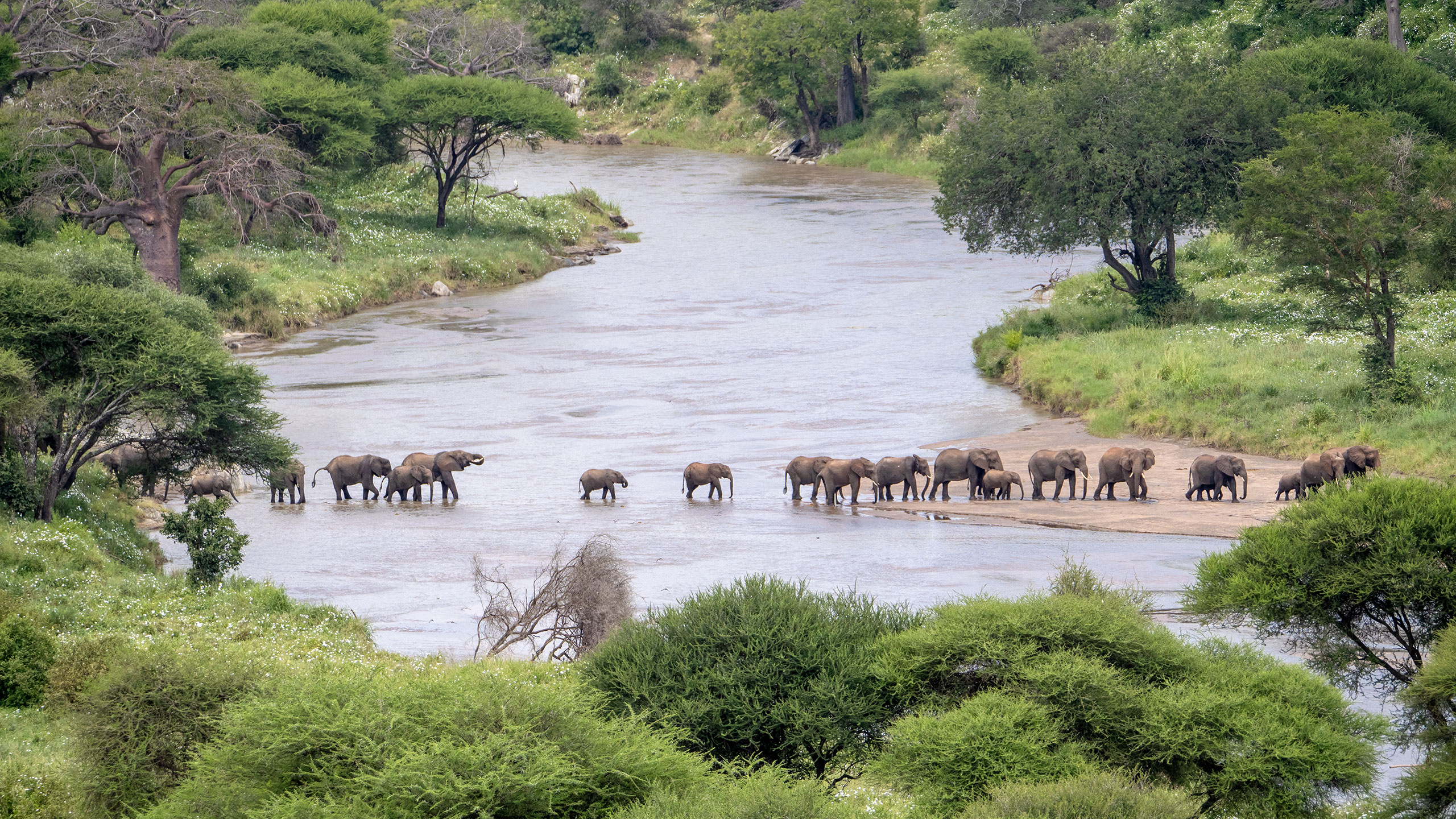
Tarangire National Park
Elephant country, written in baobab.
A baobab-studded valley along the Tarangire River, drawing Tanzania's largest dry-season elephant concentrations between June and October.
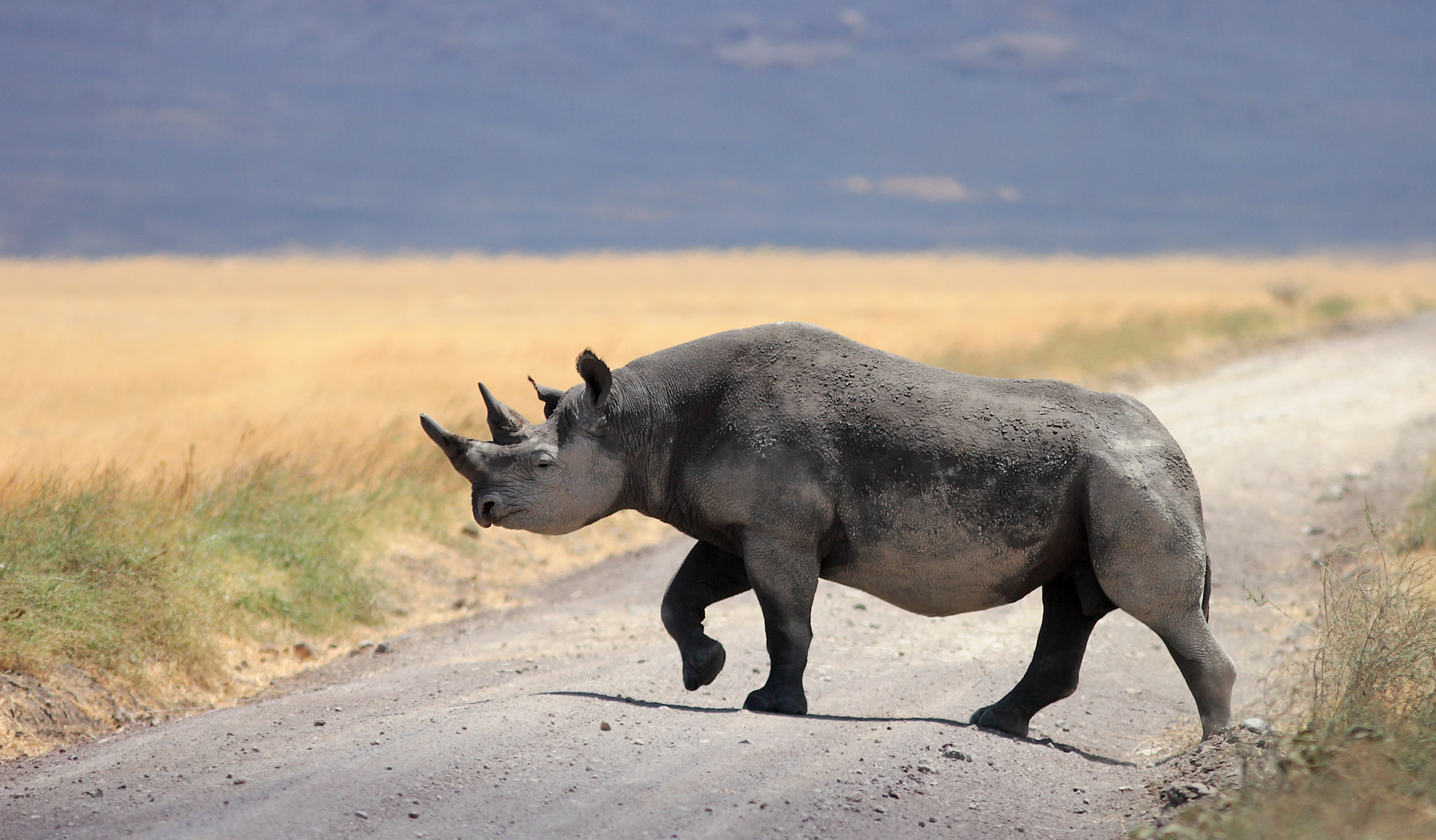
Ngorongoro Conservation Area & Crater
The world's greatest natural wildlife amphitheatre.
A UNESCO World Heritage Site where 260 square kilometres of crater floor hold lion, elephant, buffalo, leopard and one of Africa's last populations of black rhino — all beneath a 600-metre volcanic rim shared with Maasai herders.
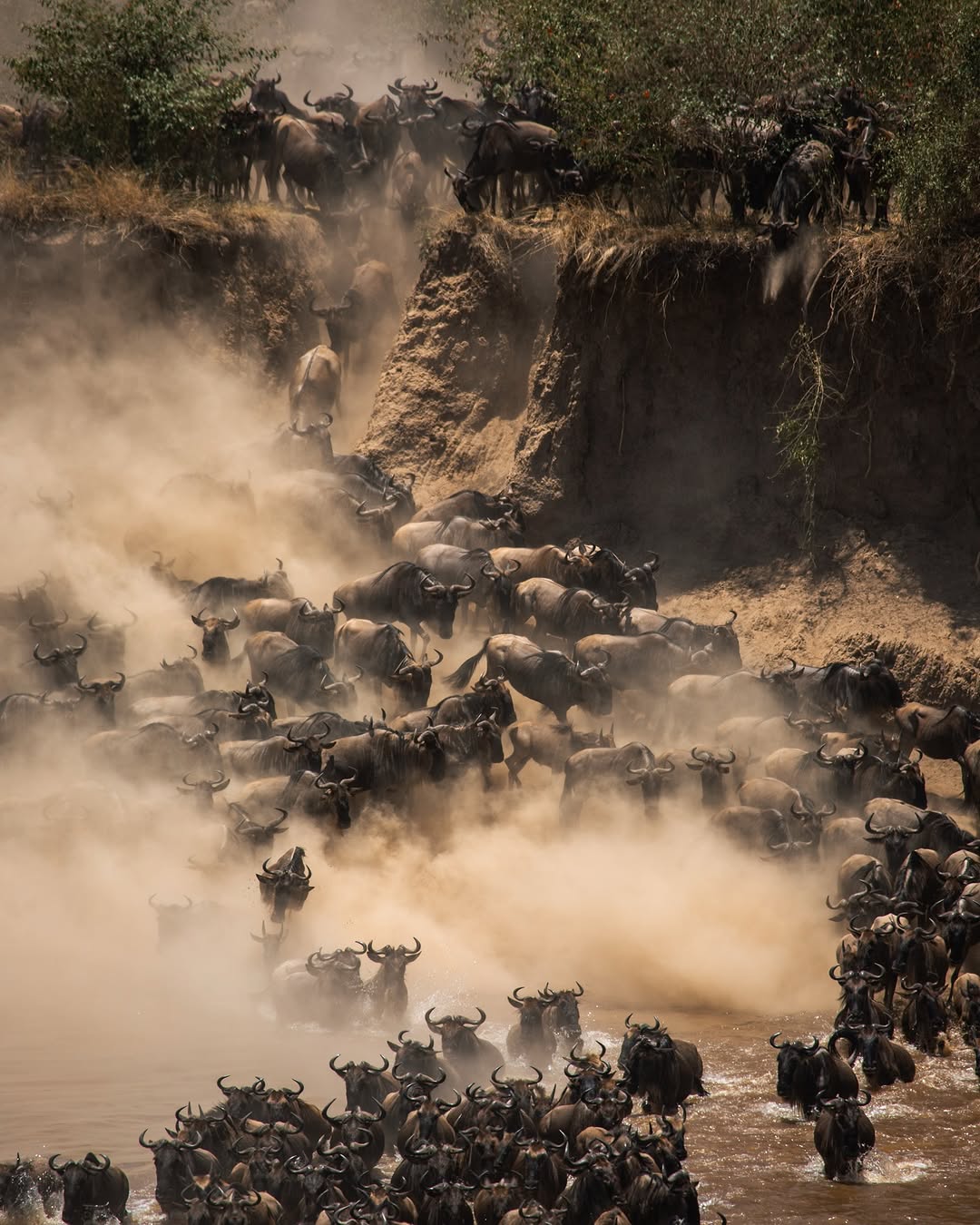
Serengeti National Park
The endless plains.
Fourteen thousand square kilometres of grassland, kopjes and riverine forest carrying the largest land migration on earth — and, outside the migration, the densest population of big cats in Africa.
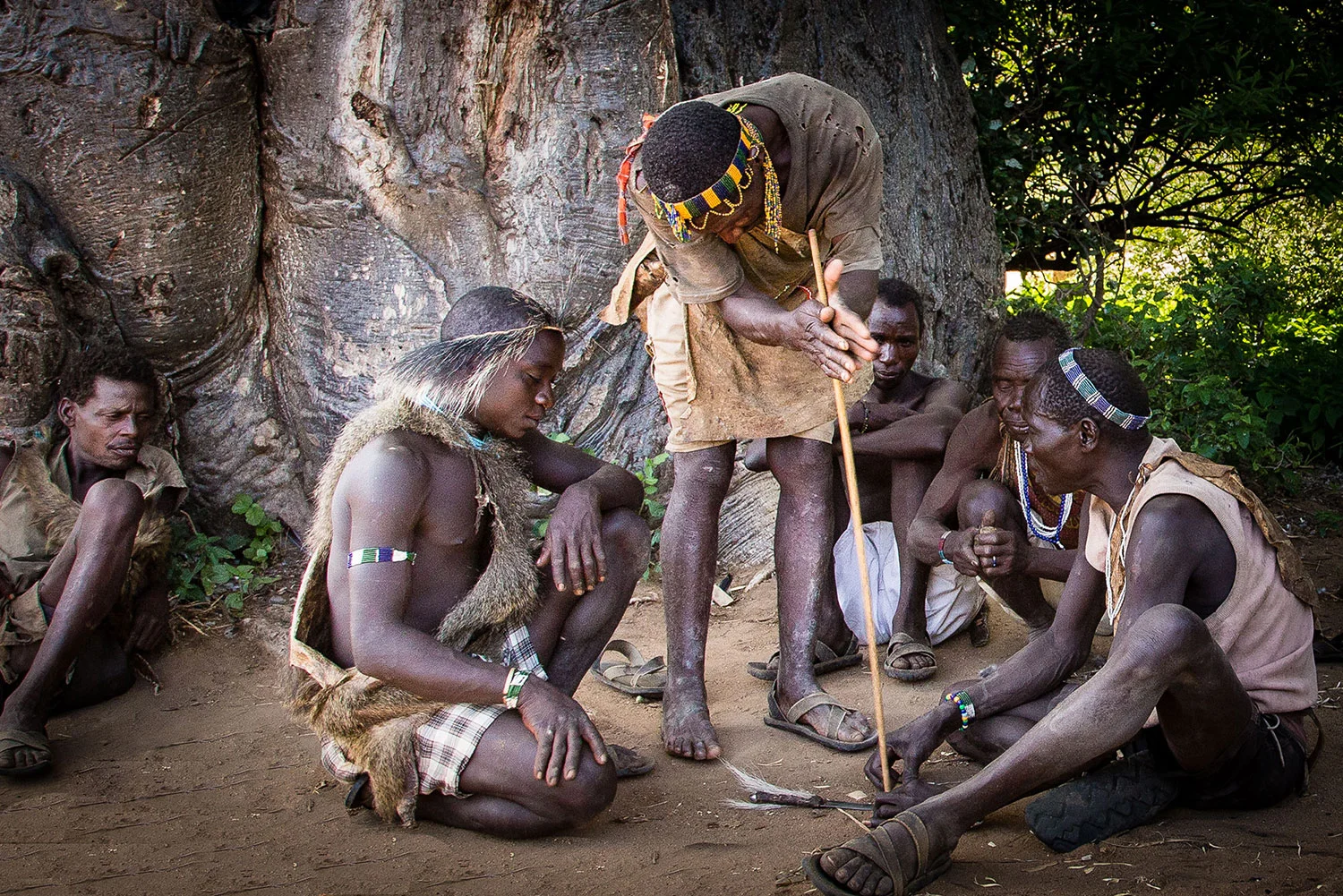
Lake Eyasi
Tanzania's most humbling half day.
A shallow seasonal soda lake beneath the Ngorongoro highlands, and home to the Hadzabe — one of the last hunter-gatherer societies on earth — alongside the Datoga pastoralists and blacksmiths.
Planning your visit.
Practical guidance from our on-the-ground team, tailored to this destination.
Packing
Lightweight, breathable clothing plus a light rain shell — the forest is humid and showers arrive quickly. Closed shoes for the canopy walkway, insect repellent for the forest, and a warm layer for escarpment evenings.
Health
Malaria risk is present at this altitude, particularly near the lake; use prophylaxis as advised and repellent at dawn and dusk. Tsetse flies occur in patches of woodland — avoid dark blue and black clothing.
Safety
Baboons at the entrance and picnic sites are habituated and quick — keep vehicle windows closed and never carry visible food. Stay in the vehicle except at designated points and follow ranger instructions on any walk.
Photography
Fast glass and higher ISO are essential in the forest. Use the escarpment as a backdrop for elephant and giraffe in late afternoon, and bring 500mm if flamingo are a priority. Drones require TANAPA permits and are not available to general visitors.
Connectivity
Good mobile coverage at Mto wa Mbu and on the escarpment, patchy inside the park. Escarpment lodges generally offer Wi-Fi in rooms and public areas.
Family advice
One of the best family stops on the circuit — short drives, the canopy walkway, bike rides and village visits break up long transfer days, and sightings come quickly.
Responsible tourism
Book village walks, cycling and food experiences through community-run operators in Mto wa Mbu rather than roadside vendors, never feed baboons, and ask your guide to keep a respectful distance from resting lions rather than repositioning repeatedly.
Frequently asked.
Are the tree-climbing lions of Lake Manyara guaranteed?
No — they are wild animals and the behaviour is occasional rather than constant. Manyara does offer one of the best chances in Africa, and guides know the favoured trees, with midday the most likely time.
How long should I spend at Lake Manyara?
Most itineraries allocate a half day. A full day, or one night on the escarpment, lets you reach the quieter southern sector and add a night drive or the canopy walkway.
When can you see flamingo at Lake Manyara?
Flamingo numbers depend on water level and algae blooms, and are generally best from November to April after rain. They can be spectacular, but they are never guaranteed.
Is Lake Manyara worth visiting?
Yes — for variety. Few parks anywhere move you from spring-fed forest to floodplain to soda lake within an hour, with the Rift Valley wall behind you the whole time.
Can you do night drives at Lake Manyara?
Yes. Manyara is one of the very few Tanzanian national parks permitting night drives, which reveal genet, civet, bushbaby and occasionally hunting predators.
How far is Lake Manyara from Arusha?
Around 120 kilometres, roughly two hours by tarmac road, with the park gate at the town of Mto wa Mbu.
Is there a canopy walkway at Lake Manyara?
Yes — a suspended treetop walkway reaching around 18 metres above the forest floor, excellent for birding and very popular with families.
Can you combine Lake Manyara with Ngorongoro and Tarangire?
They form the classic northern circuit sequence. Manyara sits between Tarangire and Ngorongoro, and all three are comfortably linked by road.
What animals live in Lake Manyara National Park?
Elephant, buffalo, giraffe, zebra, hippo, olive baboon, blue monkey, leopard and lion, alongside more than 400 bird species including pelican, stork and flamingo.
Is Lake Manyara good for birdwatching?
Outstanding. With forest, floodplain, hot springs and lake in one small park, over 400 species have been recorded and a single morning can produce a hundred.
Is Lake Manyara suitable for children?
Very much so. Short game drives, the canopy walkway, cycling and village visits at Mto wa Mbu make it one of the most engaging stops for younger travellers.
What is the best time of day to visit Lake Manyara?
Early morning for birds and forest activity; the middle of the day is when lions are most often found resting in trees; late afternoon gives the best light against the escarpment.
Do I need a 4x4 for Lake Manyara?
Yes. Park tracks are rough and become slippery in the rains. All Wildlux safaris use custom 4x4 vehicles with a professional guide.
Related reading.
Guides that pair well with a journey to this destination.
Ready to experience Lake Manyara National Park?
Tell us what draws you here and we'll shape a private journey around the places, experiences and pace that matter to you.