
Zanzibar
“The dhows come in at dusk with the light behind them, and the whole island seems to agree that nothing further needs doing today.”
The Spice Island — powder-white beaches and warm turquoise water on one side, the UNESCO-listed labyrinth of Stone Town on the other, and coral reefs, spice farms and dolphin-filled channels in between.
About Zanzibar.
Zanzibar is not simply a beach at the end of a safari, although it makes an exceptional one. It is an island with a thousand years of history in its streets, a culture shaped by monsoon winds that carried Arab, Persian, Indian and African traders back and forth across the Indian Ocean, and a coastline that ranges from wide tidal flats where seaweed farmers work at low water to the sheer white sand and deep water of the north.
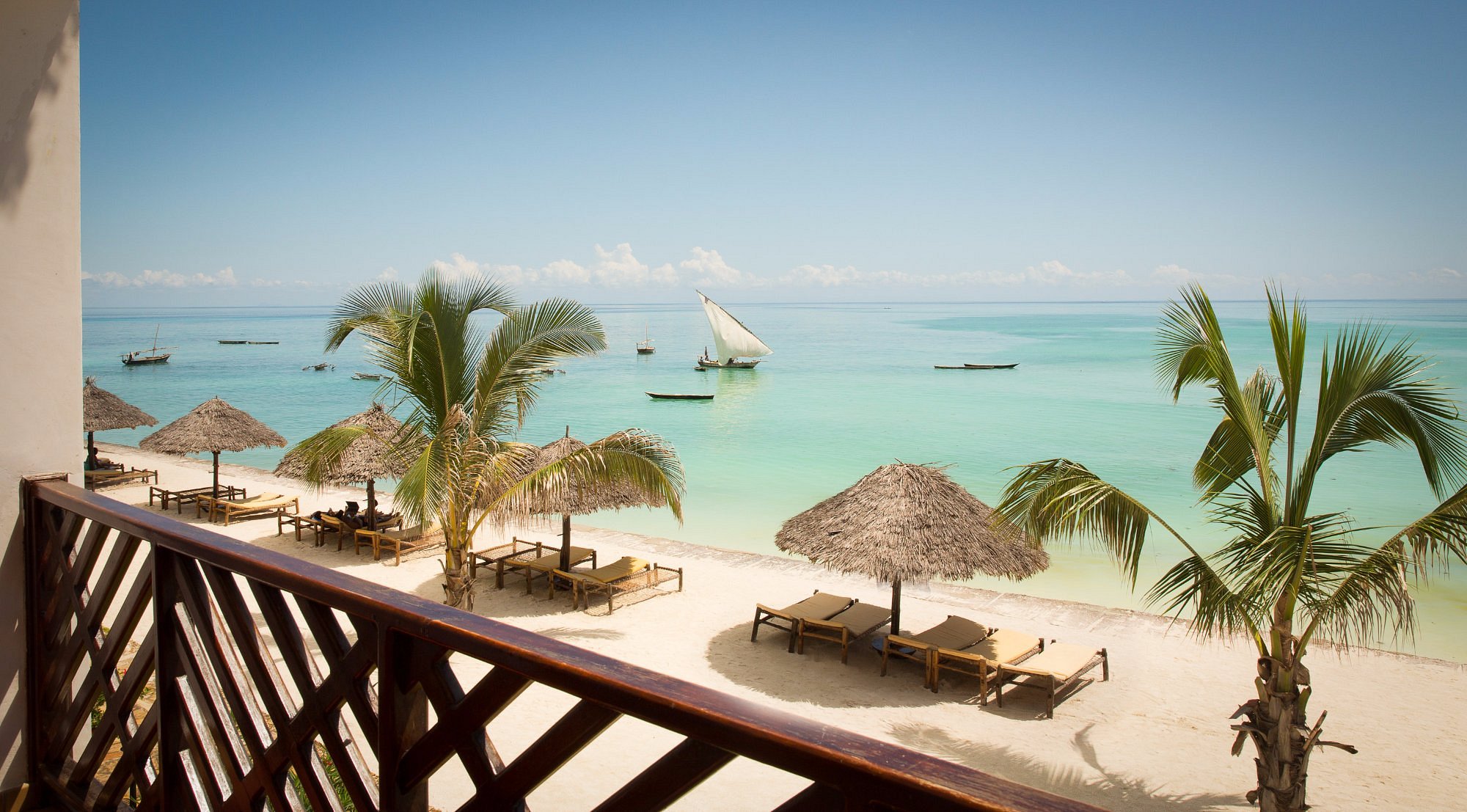
Most travellers arrive after a week in the bush, dusty and quietly overwhelmed, and the transition is one of the great pleasures of an East African itinerary. A ninety-minute flight from the Serengeti and you are stepping out into humid, salt-scented air with frangipani in it. By evening you are on a terrace above water so clear the dhows appear to be hovering.
Stone Town deserves more than the half day most itineraries give it. This is the old heart of the island, a UNESCO World Heritage Site of coral-rag houses, carved brass-studded doors, tight shaded lanes and rooftop terraces, where you can walk from the House of Wonders to the old Arab fort to the site of the former slave market — the last a sobering and essential reminder that Zanzibar's beauty is built on a complicated history. Get lost deliberately. Buy nothing for an hour. Then be on the Forodhani seafront at sunset when the food stalls open and the boys start throwing themselves off the sea wall.
The beaches divide by character rather than quality. The north — Nungwi and Kendwa — has the least tidal variation, meaning you can swim at any hour, along with the liveliest sunset scene. The east coast, from Matemwe down through Paje and Jambiani, has vast dramatic tides, kitesurfing conditions that draw people from around the world, and a slower rhythm. The south-west around Fumba and the offshore sandbanks is quieter still, with the best snorkelling access at Menai Bay. Wherever you stay, the water is 26 to 29 degrees year-round.
Underwater, the island is a genuine diving destination rather than a pretty one. Mnemba Atoll, a marine conservation area off the north-east coast, delivers reliably good reef diving and snorkelling with turtles, reef sharks, huge schools of fusilier and, in season, dolphins. Pemba Island to the north, reachable by short flight, offers world-class wall diving for the more serious. Whale sharks pass Mafia Island to the south between October and March, and humpback whales move through Zanzibari waters between July and September.
Inland, the spice farms are the reason the island got its nickname. A good spice tour is a genuinely engaging couple of hours — cinnamon bark scraped in front of you, nutmeg cracked open, vanilla, cardamom, lemongrass, pepper vines, and a lesson in why European empires cared so much about this small piece of land. Jozani Forest, the island's last significant patch of ground-water forest, protects the endemic Zanzibar red colobus, one of Africa's rarest primates and found nowhere else on earth.
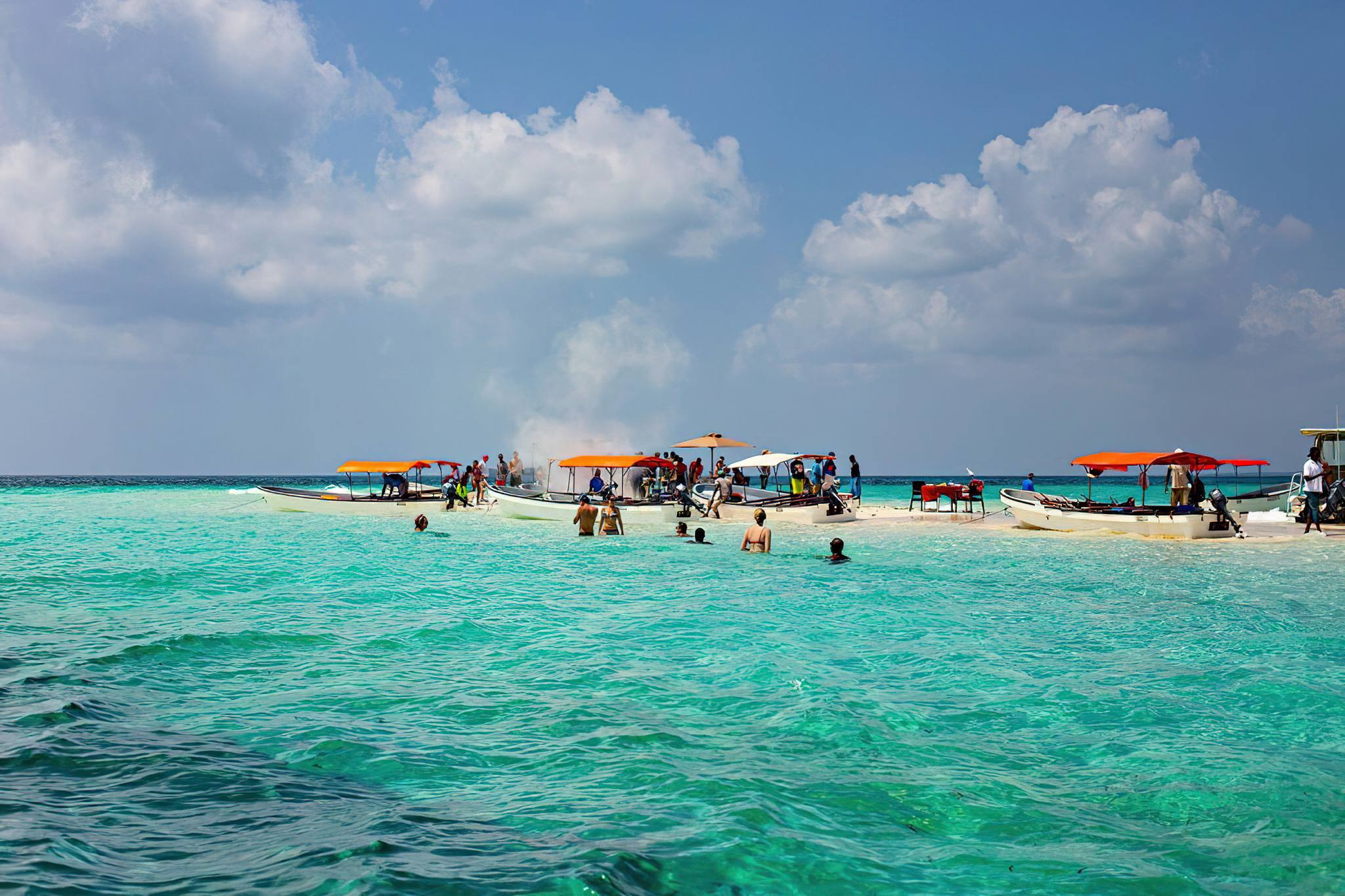
The luxury offering has matured enormously. There are now genuinely world-class properties here: private-island retreats, restored merchant houses in Stone Town, barefoot-elegant beach lodges with three suites and a chef who cooks whatever came in on the morning boat. It is also, unquestionably, East Africa's finest honeymoon destination — private plunge pools, dhow sunset cruises with nobody else aboard, dinner on a sandbank that will be underwater in three hours.
A word on rhythm: Zanzibar rewards slowness. Four nights is the minimum we recommend after a safari; five or six is better. Take one day for Stone Town, one for the water, and let the rest go unplanned. That is the point of the place.
Nature & marine life
Zanzibar's wildlife is largely marine, and it is excellent. The reefs around Mnemba Atoll hold green and hawksbill turtles, whitetip reef sharks, moray eels, octopus, and dense schools of fusilier, snapper and butterflyfish. Bottlenose and humpback dolphins are resident around Kizimkazi in the south, best approached responsibly and with operators who do not chase. Humpback whales pass between July and September; whale sharks are a Mafia Island speciality from October to March.
On land, the star is the Zanzibar red colobus in Jozani-Chwaka Bay National Park — an endemic primate with perhaps a few thousand individuals remaining, easily seen at close range. The forest also holds Sykes' monkeys, bushbabies, the tiny Aders' duiker and the Zanzibar tree hyrax. Birdlife along the mangrove boardwalks and coastal scrub is rich, with Fischer's turaco, mangrove kingfisher and crab plovers on the tidal flats.
Signature experiences
- Stone Town walking tour with a historian guide — architecture, the spice trade, and an honest account of the slave-trade history.
- Sunset dhow cruise under sail, ideally private, with the old town in silhouette.
- Snorkelling and diving at Mnemba Atoll — turtles, reef sharks and coral gardens in warm, clear water.
- Spice farm tour and Swahili cooking class — the most rewarding two hours inland on the island.
- Jozani Forest to see the endemic red colobus and walk the mangrove boardwalk.
- Kitesurfing at Paje, with world-class conditions from June to September and December to February.
- Sandbank picnics and private beach dinners — a table set on sand that will be gone by nightfall.
- Kizimkazi dolphin excursions with responsible, no-chase operators.
- The Rock restaurant and Nakupenda sandbank for the classic island set pieces, best arranged outside peak hours.
Photography guide
Stone Town is a morning subject — light comes down into the lanes at an angle for perhaps an hour after sunrise, and the streets are quiet enough to compose properly. Doors, shadows and detail work better here than wide street scenes. Come back to Forodhani in the last hour of daylight for the harbour, the dhows and the divers off the sea wall.
On the coast, the east side gives sunrise over water and dramatic low-tide patterns from above; the north-west gives the classic sunset with dhow silhouettes. Low tide on the east coast, shot from a rooftop or elevated deck, produces the abstract turquoise-and-sand imagery the island is known for. A polarising filter is more valuable than any lens here. For underwater work bring a housing or a good action camera; Mnemba's visibility is best from December to March.
Drone rules in Zanzibar are strict: permits are required and there are hard restrictions around Stone Town, the airport, ports and many hotel properties. Assume you cannot fly unless a permit has been arranged in advance, and never fly over people on a beach.
Where to stay
Zanzibar offers a genuine spread of exceptional places to stay, and choosing well matters more here than almost anywhere. The north suits swimmers and travellers who want life and sunsets; the east suits those wanting space, wind and long empty sand; the south-west and offshore islands suit privacy above all; and a night in a restored Stone Town merchant house at the start or end frames the whole visit. Our specialists match property to tide, honeymoon or family need, and the pace you want — and we have stayed in every one we recommend.
How long to stay
- 2–3 nights — a short decompression after safari; enough for the beach, not enough for the island.
- 4–5 nights — our recommended stay: one Stone Town day, one water day, and three days of nothing at all.
- 6–7 nights — for honeymooners, divers and families, allowing Mnemba, Jozani, spice farms and a two-centre split between Stone Town and the coast.
- Longer combinations — Zanzibar closes a northern-circuit or southern-Tanzania safari perfectly, and pairs with Pemba or Mafia for serious divers.
Nearby destinations
Pemba Island lies a short flight north, greener, quieter and with the best wall diving in the region. Mafia Island to the south is the place for whale sharks between October and March. On the mainland, the Serengeti, Ngorongoro and Ruaha all connect by direct or one-stop light aircraft, which is why Zanzibar is the natural final act of almost any Tanzanian journey.
Conservation & community
Zanzibar's marine environment is under real pressure from warming seas, coral bleaching and overfishing, and its most valuable conservation stories are community-led. Mnemba is a protected marine conservation area with strict rules on numbers and anchoring. Chumbe Island Coral Park is a private marine reserve widely regarded as one of the best-managed in the world. Menai Bay is a community conservation area where fishing communities regulate their own waters. Jozani-Chwaka Bay National Park protects the endemic red colobus.
Travelling well here is straightforward: never touch or stand on coral, refuse dolphin excursions that chase or crowd animals, decline shell and coral souvenirs, dress modestly away from the beach — Zanzibar is a predominantly Muslim island and covered shoulders and knees in Stone Town and villages are appreciated — and buy from community cooperatives, spice farms and the seaweed-farming collectives that support thousands of local women.
Come for four nights, at least. Let the safari settle, eat something cooked over charcoal, watch one sunset from a dhow, and go home properly rested rather than merely well travelled.
Zanzibar, in short.
The essentials our specialists check first when shaping a private itinerary.
Good to know.
- Location
- Zanzibar Archipelago, Indian Ocean, c. 35 km off the Tanzanian mainland
- Size
- Unguja (Zanzibar Island) c. 1,660 km²
- Getting there
- Abeid Amani Karume International Airport (ZNZ) with direct flights from Nairobi, Dar es Salaam, Arusha and the Serengeti airstrips, plus international connections; fast ferries run from Dar es Salaam in about 2 hours
- Best time
- June to October and December to February; April and May are the long rains
- Currency
- Tanzanian shilling, with US dollars widely accepted at hotels. ATMs are reliable in Stone Town and scarce on the east coast — carry cash for villages, markets and tips.
Why visit Zanzibar?
Indian Ocean beaches
Powder-white sand and water between 26 and 29°C all year, from the swimmable north to the wide tidal east coast.
Stone Town, a UNESCO World Heritage Site
A thousand years of Swahili, Arab, Persian and Indian history in a labyrinth of coral-rag lanes and carved doors.
Mnemba Atoll
A protected marine conservation area with turtles, reef sharks and coral gardens — the island's finest snorkelling and diving.
The spice farms
Cinnamon, nutmeg, cardamom and vanilla growing within sight of the sea, and the reason this is called the Spice Island.
Zanzibar red colobus
An endemic primate found nowhere else on earth, easily seen in Jozani-Chwaka Bay National Park.
Sunset dhow sailing
Lateen-rigged wooden boats catching the last wind, with Stone Town in silhouette behind.
World-class kitesurfing
Paje's reef-protected lagoon delivers reliable wind from June to September and December to February.
East Africa's finest honeymoon coast
Private plunge pools, sandbank dinners and beach lodges of three or four suites.
Species you may encounter.
Wildlife commonly associated with the region. Sightings are always wild and never guaranteed.
Zanzibar red colobus
Endemic to the island and found nowhere else; approachable troops in Jozani Forest.
Green and hawksbill turtle
Seen on almost every Mnemba Atoll snorkel and dive, and nesting on quieter beaches.
Bottlenose and humpback dolphin
Resident around Kizimkazi; choose operators who observe rather than chase.
Humpback whale
Migrate through Zanzibari waters between July and September.
Whale shark
A Mafia Island speciality from October to March, reachable by short flight.
Whitetip reef shark
Common on the deeper Mnemba and Pemba walls; harmless and impressive.
Sykes' monkey
Widespread in Jozani Forest and coastal woodland.
Aders' duiker
A critically endangered miniature antelope surviving in Jozani and a handful of coastal forests.
Zanzibar tree hyrax
Nocturnal and unmistakable for its screaming call from the forest at night.
Fischer's turaco
A brilliant green and crimson forest bird of the island's remaining woodland.
Crab plover
Gathers on the tidal flats — a Western Indian Ocean speciality prized by birders.
Octopus and reef fish
Reef flats teem with octopus, moray, lionfish, snapper and vast schools of fusilier.
The right time for Zanzibar.
Peak: June – October and December – February · Best diving visibility: December – March
Hot, bright and dry with superb underwater visibility — peak beach conditions.
The hottest month, gloriously clear; ideal for diving, sailing and doing nothing.
Hot and increasingly humid as the long rains approach late in the month.
Long rains. Heavy downpours, high humidity, and many smaller properties close.
Rain eases through the month; the island is lush, quiet and excellent value.
Dry season opens with fresh breezes and comfortable heat — a superb month.
Dry, breezy and bright; humpback whales begin passing offshore.
Peak season — busy, beautiful and reliably dry.
Warm, dry and slightly calmer than August, with excellent diving.
Hot and mostly dry, with humidity building towards the short rains.
Short rains arrive in brief afternoon bursts; mornings usually stay bright.
Skies clear and heat builds; the festive fortnight is the island's busiest period.
- Altitude
- Sea level
- Average temperature
- 26–33°C; sea temperature 26–29°C year-round
- Dry season
- June – October and December – February
- Rainy season
- March – May (long rains) with short rains in November
Zanzibar on the map.
The park and the places around it — nearby destinations, areas and camps we work with.
- Zanzibar-6.166°, 39.203°
- Pemba IslandNearby destination
- Mafia IslandNearby destination
- Serengeti National ParkNearby destination
- Ngorongoro Conservation Area & CraterNearby destination
- Turaco Beach ResortBeach Resort
Where to stay in Zanzibar.
A representative selection — Wildlux hand-picks camps and lodges based on your dates, style and pace.
Journeys featuring Zanzibar.
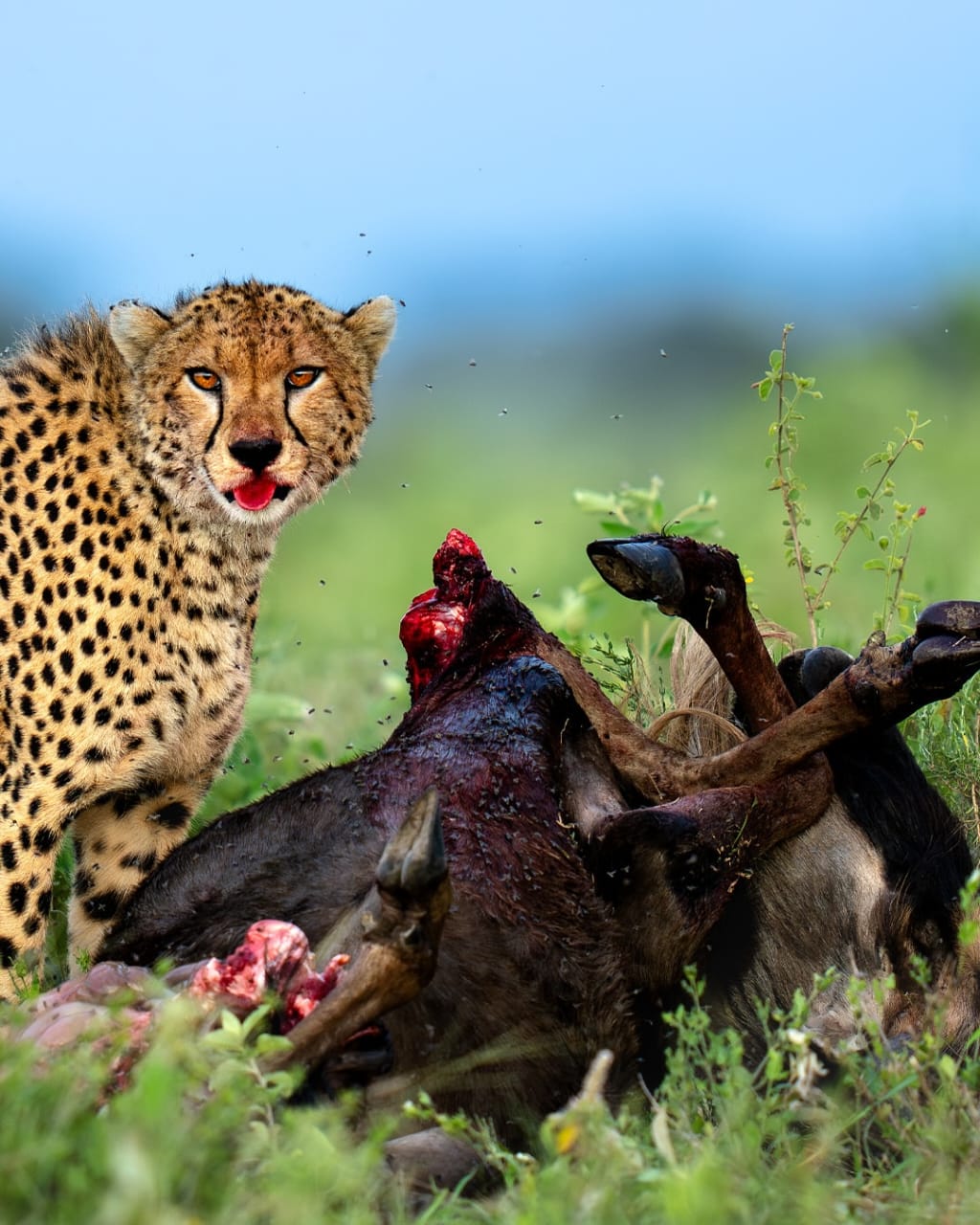
10-Day Ndutu Calving Safari & Zanzibar Escape
Calving-season wildlife in Ndutu, the great parks of the north, and the Indian Ocean at Nungwi.
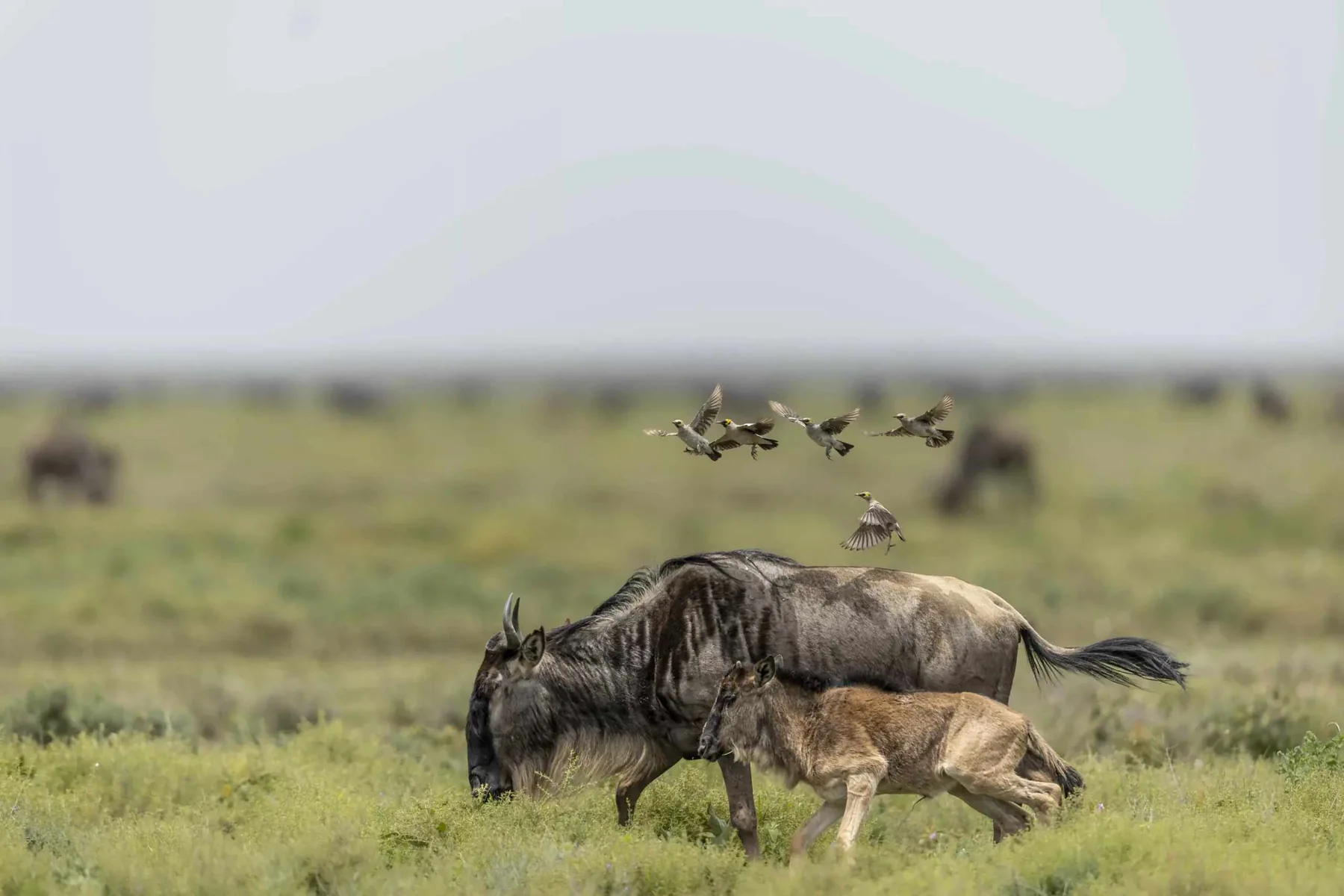
5-Day Luxury Ndutu Calving Safari from Zanzibar
Fly from Zanzibar into Tanzania’s calving season and return after five days of private wildlife viewing
Combine Zanzibar with…

Pemba Island
The green island.
Zanzibar's hilly northern neighbour: clove and spice plantations, mangrove channels, high-quality wall diving and a fraction of Unguja's visitors.
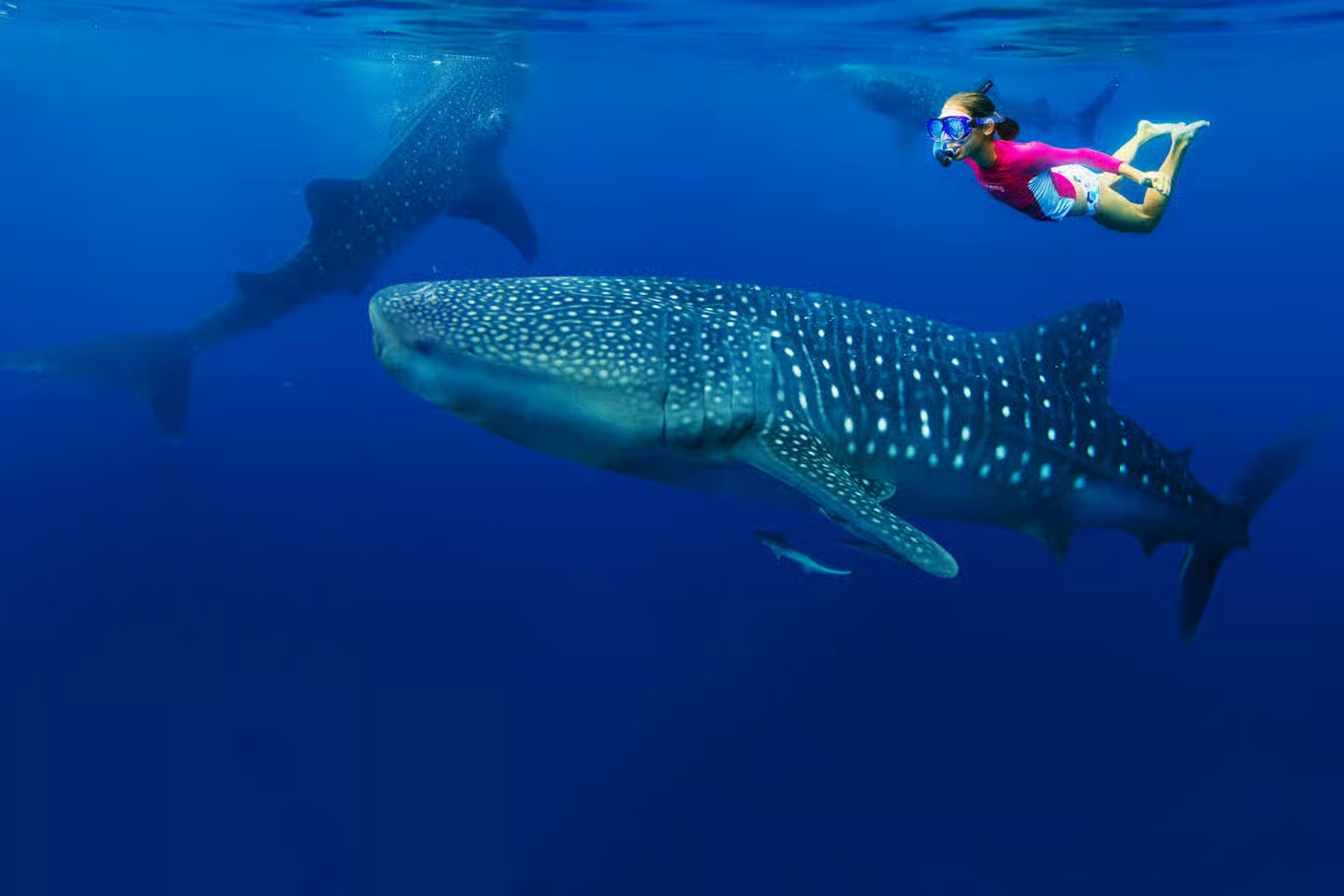
Mafia Island
Whale sharks and no crowds.
A low-key island south of Zanzibar with Tanzania's first marine park, seasonal whale sharks, excellent diving and very limited development.
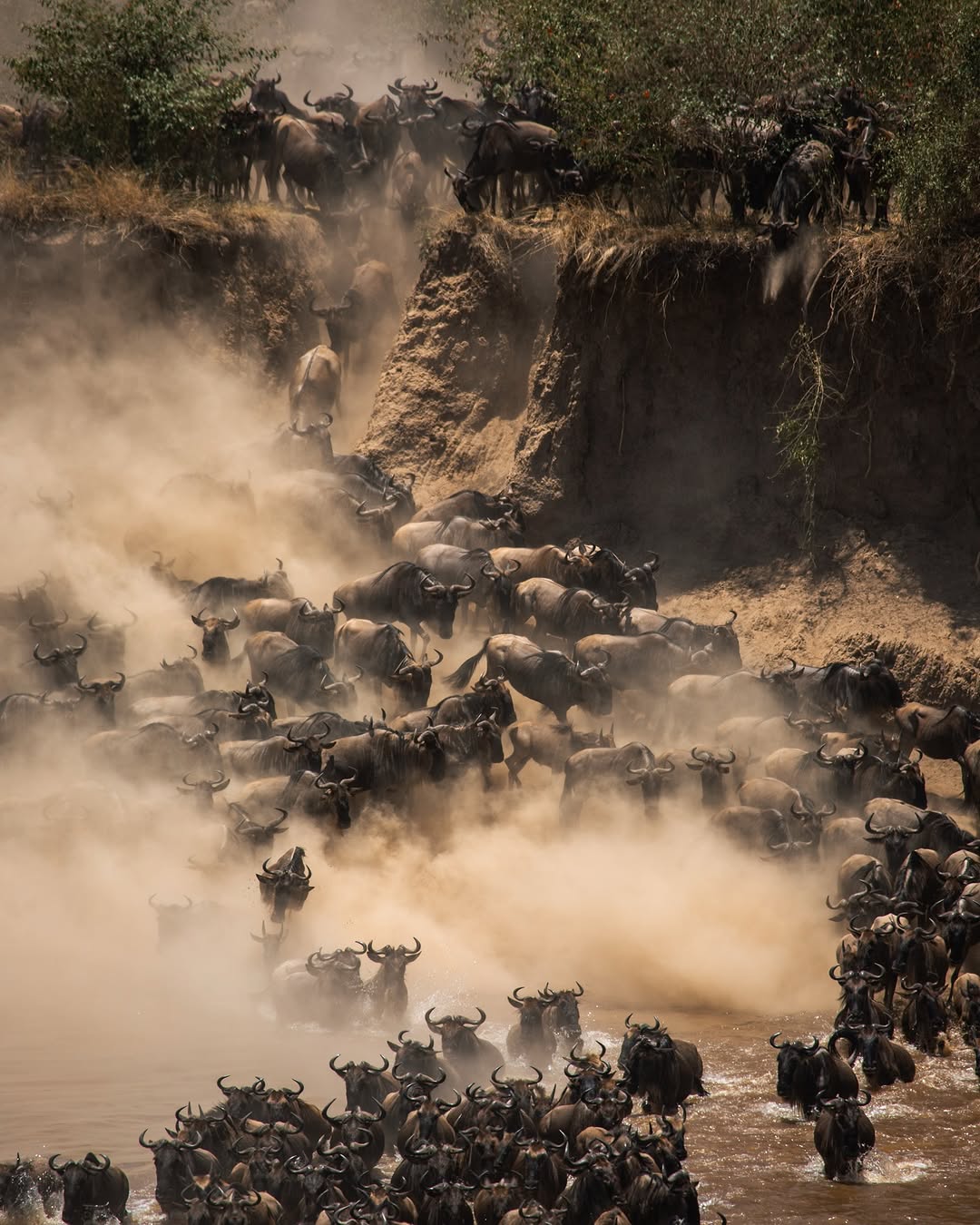
Serengeti National Park
The endless plains.
Fourteen thousand square kilometres of grassland, kopjes and riverine forest carrying the largest land migration on earth — and, outside the migration, the densest population of big cats in Africa.
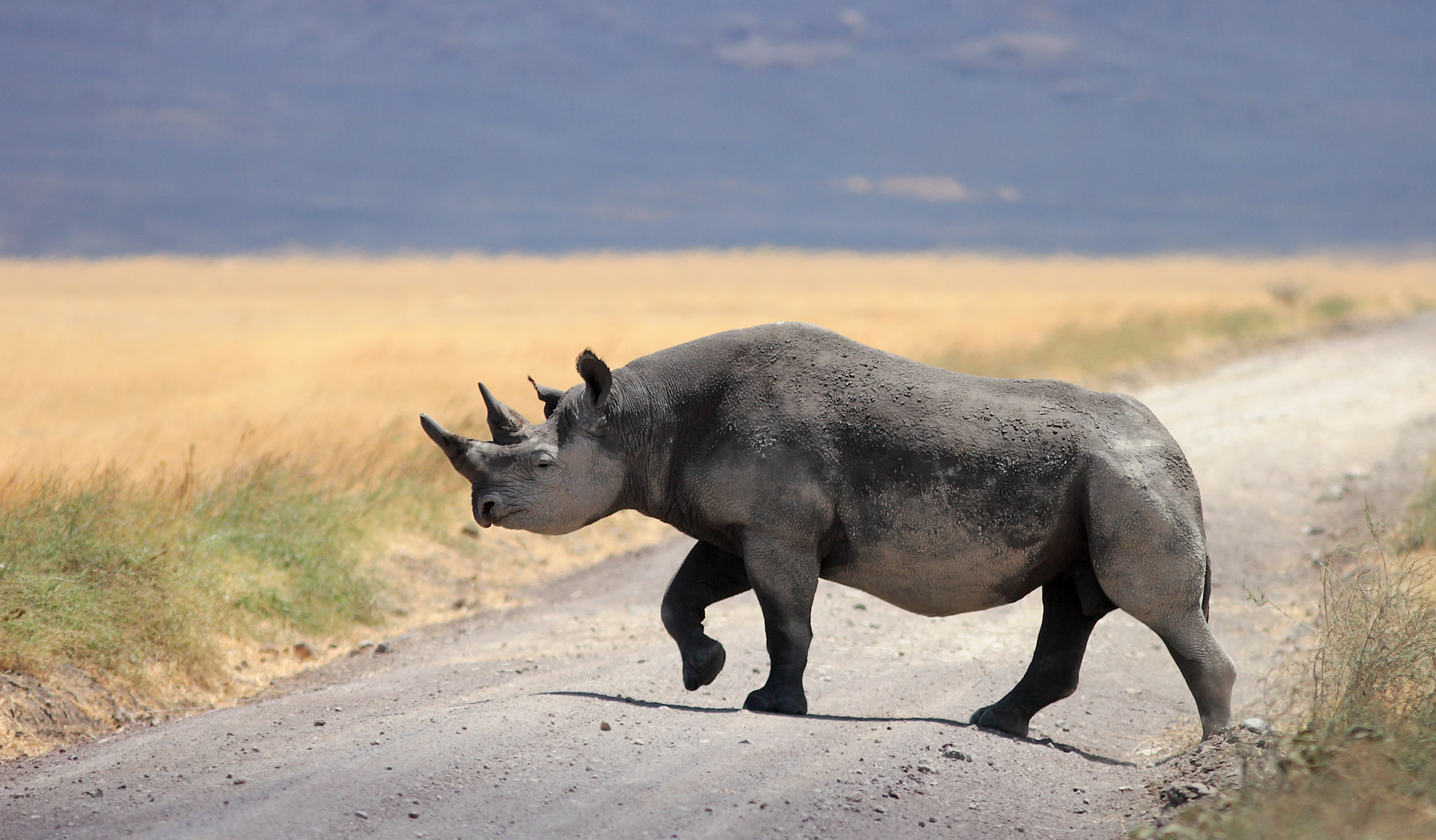
Ngorongoro Conservation Area & Crater
The world's greatest natural wildlife amphitheatre.
A UNESCO World Heritage Site where 260 square kilometres of crater floor hold lion, elephant, buffalo, leopard and one of Africa's last populations of black rhino — all beneath a 600-metre volcanic rim shared with Maasai herders.
Planning your visit.
Practical guidance from our on-the-ground team, tailored to this destination.
Packing
Light natural fabrics, a wide-brimmed hat, reef-safe sunscreen and reef shoes for the tidal flats. Bring modest clothing that covers shoulders and knees for Stone Town and villages, and a light layer for breezy evening dhow trips.
Health
Malaria is present on the island — take prophylaxis as advised by your doctor and use repellent at dusk. Drink bottled or filtered water, be sensible about ice and raw shellfish away from established kitchens, and a yellow fever certificate is required if arriving from an endemic country.
Safety
Zanzibar is generally safe and welcoming. Take normal precautions with valuables on beaches and in Stone Town after dark, use hotel-arranged transport at night, and respect strong currents and coral edges when swimming at low tide.
Photography
Shoot Stone Town in the first hour after sunrise, the east coast at low tide from height, and the north-west at sunset. A polariser transforms sea images. Drone use requires permits and is restricted around Stone Town, the airport and many hotels — assume you cannot fly without prior authorisation.
Connectivity
4G coverage is good across most of the island and local SIM cards are inexpensive. Hotel Wi-Fi is generally reliable in the north and more variable on the remoter east and south coasts.
Etiquette
Zanzibar is predominantly Muslim. Beachwear belongs on the beach; covering shoulders and knees in Stone Town, villages and markets is appreciated. Ask before photographing people, and be aware that during Ramadan many restaurants adjust their hours.
Family advice
Superb for families: warm shallow water in the north, short flights from the safari parks, and easy activities such as spice tours, Jozani Forest and sandbank picnics. Choose the north coast if you want swimming at any state of the tide.
Responsible tourism
Never touch or stand on coral, use reef-safe sunscreen, refuse dolphin tours that chase animals, decline shell and coral souvenirs, and support community enterprises — spice cooperatives, seaweed farming collectives and Chumbe Island's marine reserve.
Frequently asked.
How many days should I spend in Zanzibar?
Four to five nights is our recommended minimum after a safari — one day for Stone Town, one for the water, and the rest unplanned. Divers and honeymooners often stay six or seven.
When is the best time to visit Zanzibar?
June to October and December to February are hot, dry and clear. April and May bring the long rains, when the island is green, very quiet and inexpensive but many small properties close.
Which part of Zanzibar has the best beaches?
The north at Nungwi and Kendwa has the least tidal variation and easy swimming all day. The east coast offers vast dramatic tides, kitesurfing and more space. The south-west is quietest and best for boat access.
Is Zanzibar good for honeymoons?
It is the finest honeymoon destination in East Africa — private plunge pools, small beach lodges of a handful of suites, sunset dhow sailing and dinners set on sandbanks that vanish at high tide.
Can you combine a safari with Zanzibar?
Yes, and it is the classic Tanzanian itinerary. Direct light-aircraft flights connect the Serengeti and other airstrips to Zanzibar in around ninety minutes.
Is Zanzibar safe for tourists?
Generally very safe and welcoming. Take normal precautions with valuables, use hotel transport after dark, and dress modestly away from the beach out of respect for local custom.
Is there malaria in Zanzibar?
Yes, malaria is present. Take prophylaxis as advised by your doctor, use repellent at dawn and dusk, and sleep under the nets provided.
What is there to do in Zanzibar besides the beach?
Stone Town's history and architecture, spice farm tours and cooking classes, Jozani Forest and its endemic red colobus, Mnemba Atoll diving, dhow sailing, kitesurfing and sandbank picnics.
Is Zanzibar good for diving and snorkelling?
Yes. Mnemba Atoll offers reliable reef diving and snorkelling with turtles and reef sharks; Pemba Island to the north has world-class wall diving. Visibility is best from December to March.
What should I wear in Zanzibar?
Beachwear at the beach and resort; covered shoulders and knees in Stone Town, villages and markets. Light natural fabrics, a hat and reef shoes for tidal flats are the practical essentials.
Do the tides affect swimming in Zanzibar?
Significantly on the east coast, where the sea can retreat several hundred metres at low tide. The north coast has far less tidal variation and allows swimming at any hour.
Can I fly a drone in Zanzibar?
Only with prior permits, and there are firm restrictions around Stone Town, the airport, ports and most hotel properties. Plan on the assumption that you cannot fly.
Can you see whale sharks in Zanzibar?
Whale sharks are a speciality of Mafia Island to the south from October to March, reachable by short flight. Humpback whales pass Zanzibar itself between July and September.
What currency should I bring to Zanzibar?
Tanzanian shillings for markets, taxis and tips; US dollars are widely accepted at hotels. ATMs are reliable in Stone Town but scarce on the east coast.
Related reading.
Guides that pair well with a journey to this destination.
Ready to experience Zanzibar?
Tell us what draws you here and we'll shape a private journey around the places, experiences and pace that matter to you.