

In this guide
East Africa's wildlife is shaped by habitat. Grassland, woodland, wetlands and mountain forest support different animals and different ways of observing them. A useful safari plan combines habitats that interest you rather than expecting every species in every park.
The Big Five: a starting point, not the whole safari
The Big Five are lion, leopard, elephant, buffalo and rhinoceros. The term is widely used in safari planning, but it should not reduce a trip to five tick boxes. Behaviour, landscape and the less familiar animals often make an encounter memorable.
Rhinos have a much more restricted viewing distribution than many common plains species, and leopards can remain hidden even where they occur. Tell your planner which animals matter most, then judge the route by its realistic opportunities rather than a promise to complete a list.
Big cats: lion, leopard and cheetah
Lions, leopards and cheetahs use habitats differently, so a guide looks beyond a general label such as “cat country”. Shade, cover, prey and visibility all affect where and when an animal might be observed. Waiting with a resting animal can reveal behaviour that a hurried stop misses.
A cat sighting does not imply a hunt will follow. Allow time, keep noise low and avoid asking for a position that obstructs the animal. The Serengeti is a useful starting point for a varied wildlife route, but sightings remain wild and unscheduled.
The Great Migration
The Serengeti–Mara migration involves large moving herds of wildebeest and zebra within a wider ecosystem of grazing animals and predators. It is a continuing cycle, not only the dramatic river crossings seen in films.
Southern calving-season landscapes, movement through central and western areas, and northern river country provide different experiences. Rainfall and grazing influence the pattern. Choose a camp in the relevant region and read our Great Migration calendar for a more detailed planning framework.
Giraffes, zebras and plains game
Giraffes, zebras, impalas and other antelope create much of the everyday life of a safari. Watch how species feed, stay alert and move through different habitats. A mixed herd can be more interesting to observe than a single close portrait.
Ask your guide to explain identification features and behaviour rather than moving immediately to the next large predator. Binoculars help you enjoy distant animals without needing to drive closer. Keep time for these observations even on a migration-focused trip.
Elephants
Tarangire is associated with elephants and baobab landscapes, while Amboseli offers another distinctive elephant setting in Kenya. Watch family interactions and movement through the habitat rather than judging the encounter by proximity.
Give elephants space and never block their path, particularly towards water or between members of a group. The guide decides where it is safe to stop. TANAPA's Tarangire visitor guidance specifically emphasises distance and keeping animal routes clear.
Rhinos and realistic expectations
If rhinos are a priority, make that explicit when choosing the itinerary. Ngorongoro can provide an opportunity in Tanzania, while Lake Nakuru is a recognised rhino destination in Kenya. Neither choice turns an animal into a guaranteed appointment.
Distance and light may limit photography even after a sighting. Respect viewing instructions and avoid sharing sensitive real-time location details publicly. For Kenya context, the Kenya Wildlife Service Lake Nakuru page describes the park's rhino conservation role.
Hippos, crocodiles and waterways
Rivers and wetlands add a different dimension to a savannah route. Hippos, crocodiles and waterbirds can draw attention to behaviour that is easy to miss when concentrating only on open plains. Nyerere's Rufiji system is an important example of a river-based landscape.
Observe from authorised positions and follow guide instructions around water. A quiet-looking bank is not an invitation to approach. Boat activities, where offered and operating, need to be confirmed for the actual camp and season rather than assumed from the park name.
Primates: gorillas, chimpanzees and monkeys
Mountain gorilla trips focus on forest destinations such as Bwindi in Uganda and Volcanoes National Park in Rwanda. Chimpanzee experiences include Kibale in Uganda and western Tanzania destinations such as Mahale. Golden monkeys are relevant to some Virunga-area itineraries.
These are separately planned forest experiences, with permits, physical demands and wildlife-health protocols. They cannot simply be added as another game-drive stop. Explore our gorilla trekking and chimpanzee trekking pages before combining them with a plains safari.
Birdlife deserves its own time
Birding adds interest to woodland, wetland and open-country stops. Raptors, kingfishers, bee-eaters and many less conspicuous birds reward patient observation. A dedicated birding traveller should share target interests in advance so the guiding and route match them.
Water conditions can change the distribution of lake birds, and famous flamingo photographs should not be treated as a year-round promise. For photography, think about light and distance as well as species; see our safari photography tips.
Wildlife by destination
- Serengeti: broad plains wildlife, varied habitats and seasonal migration planning.
- Ngorongoro: crater wildlife viewing within a distinctive highland setting.
- Tarangire: elephants, woodland, baobabs and river-associated dry-season interest.
- Lake Manyara: forest and lake-edge habitats that contrast with open plains.
- Nyerere: Rufiji waterways, floodplains and woodland.
- Ruaha: river and woodland landscapes, elephants, buffalo and predators.
- Maasai Mara: open-country wildlife and a seasonal role in the migration ecosystem.
- Amboseli: elephants and wetland habitats in a distinctive landscape.
- Bwindi and Volcanoes: separately permitted mountain gorilla trekking.
- Kibale: forest and chimpanzee-focused planning.
Use this comparison to narrow the route, not to fit every destination into one trip. Transfer time and nights in each habitat matter as much as the number of parks.
When to see wildlife
Resident wildlife and seasonal concentrations are different planning questions. A park can offer worthwhile viewing outside a migration window, while the best month for one target may not suit another. Start with the best time to visit guide and then refine the region.
Allow repeated drives and a range of interests. Weather, vegetation and animal behaviour change daily, so flexibility makes the experience more rewarding than a rigid sighting checklist.
Responsible viewing and common questions
Keep appropriate distance, never feed wildlife, avoid crowding and obey restrictions on roads and walking. Do not pressure the guide to break a rule for a photograph. Wildlux planning should give you time to observe within the conditions set by each park.
Are Big Five sightings guaranteed?
No. A route can improve opportunities but cannot guarantee wild animals.
Can I see gorillas during a Serengeti safari?
Not in the Serengeti. Gorilla trekking requires an additional forest destination and separate logistics.
Should I choose more parks or more nights?
Choose enough habitat variety for your interests, then allow time to experience it. More park names do not automatically mean better wildlife viewing.
Further destination information: TANAPA Ruaha wildlife, TANAPA Nyerere habitats and Uganda Wildlife Authority parks.
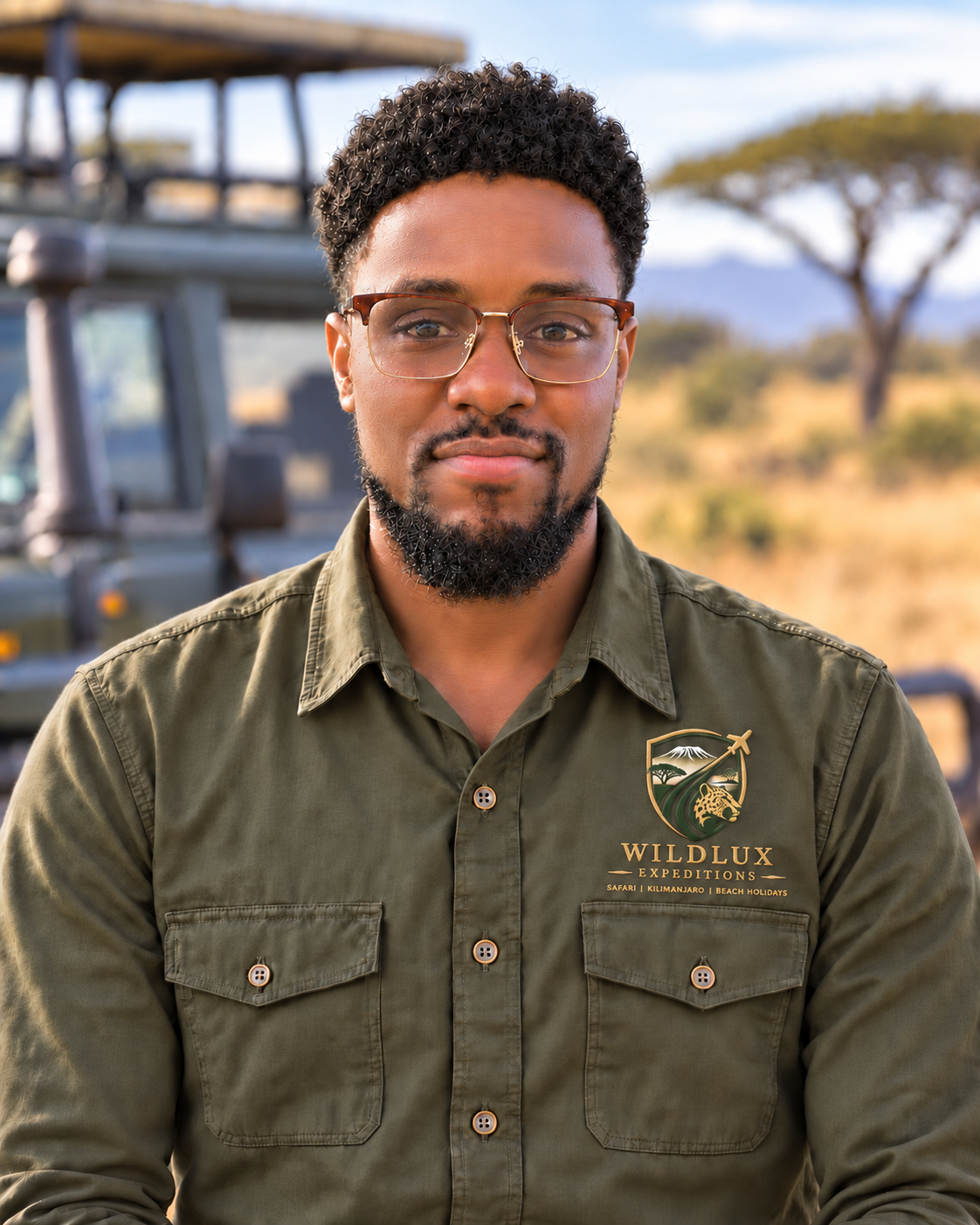
Moses James Aron
Founder, Managing Director & Tour Consultant — Wildlux Expeditions LTD
For Moses Aron, Tanzania is more than a destination—it is home.
View expert profile →

