
Lake Eyasi
“They set off at a jog before the light is properly up, and if you want to see anything you go with them — no vehicle, no script, no idea what happens next.”
A shallow seasonal soda lake beneath the Ngorongoro highlands, and home to the Hadzabe — one of the last hunter-gatherer societies on earth — alongside the Datoga pastoralists and blacksmiths.
About Lake Eyasi.
Lake Eyasi is where the northern circuit stops being about animals. It lies in a hot, dusty trough at the foot of the Ngorongoro highlands — a shallow, seasonal soda lake that swells after rain and shrinks to cracked white flats by October, ringed by acacia scrub, doum palms and onion fields. The lake itself is atmospheric rather than spectacular. People come here for something else entirely.
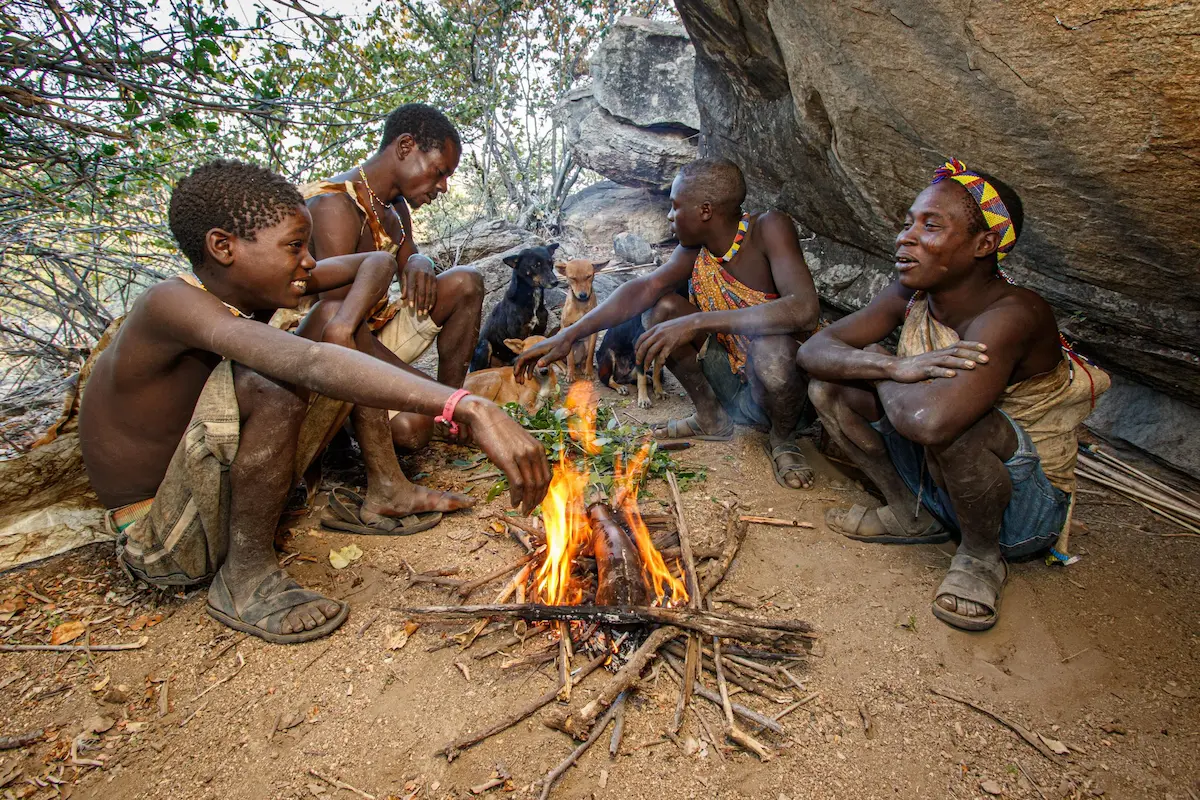
The Hadzabe are among the last hunter-gatherer societies on earth, numbering perhaps a thousand people, of whom only a few hundred still live primarily by hunting and foraging. Their language, Hadzane, uses click consonants and appears to be a genuine isolate — related to no other living language. Genetic studies suggest their lineage is among the most ancient continuously distinct human populations we know of. They have lived around this lake and the surrounding bush for tens of thousands of years, without agriculture, without livestock, without permanent settlements and without any hierarchy of chiefs.
A visit means joining a morning hunt, and it is nothing like a cultural performance. You arrive at a camp before dawn — a few grass shelters, a fire, dogs, men checking bowstrings. There is no schedule. When they go, they go fast, moving through thorn scrub at a pace that leaves most visitors quietly humiliated within ten minutes. They shoot birds, hyrax, dik-dik, sometimes nothing at all. They dig tubers, raid a wild beehive with smoke, share whatever is found immediately and completely. Then they sit, and smoke, and talk, and the morning drifts. Nothing is staged for you, which is exactly why it lands so hard.
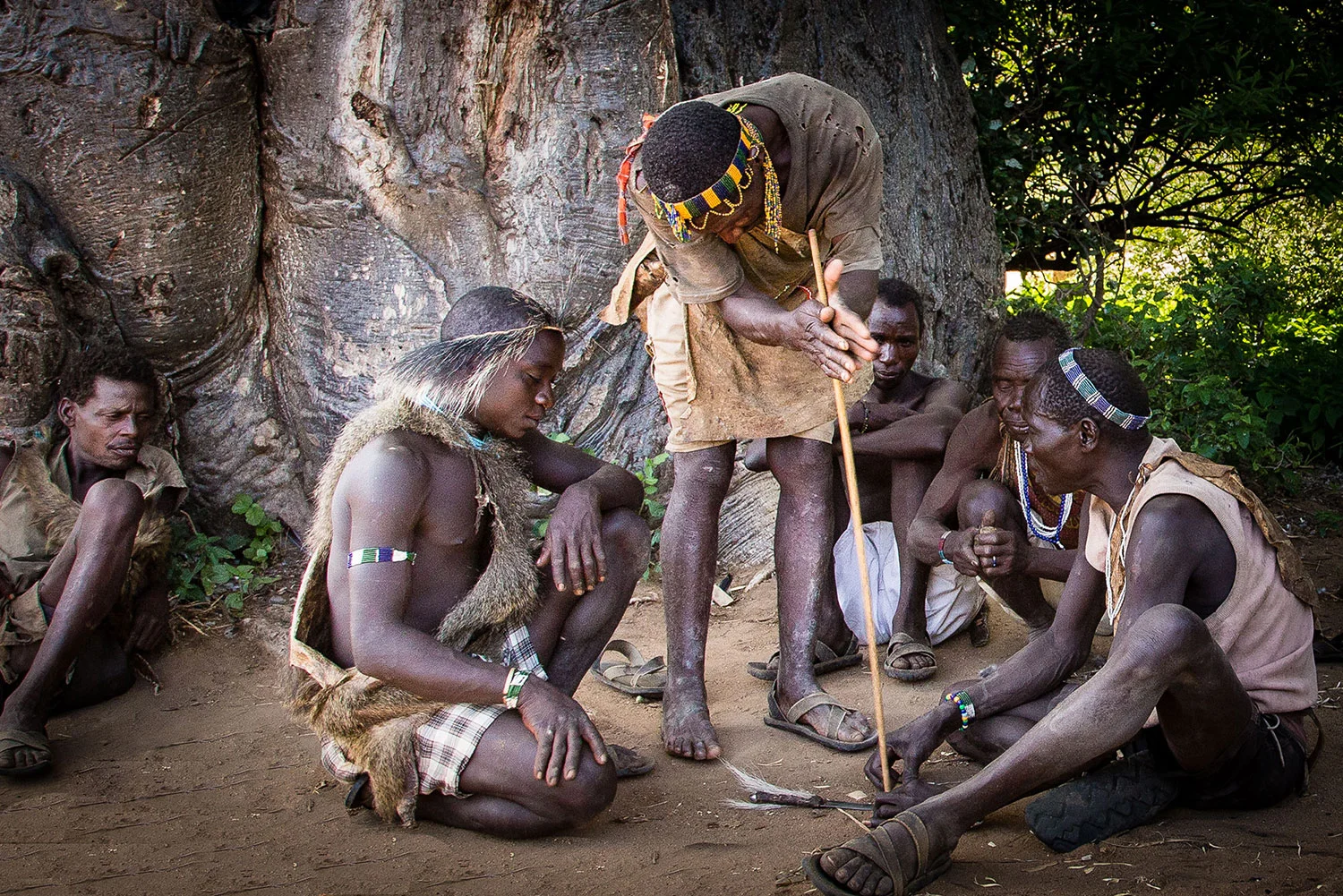
Nearby live the Datoga, a pastoralist people related to the Nilotic groups of the Rift, known for their metalwork. In a Datoga homestead you can watch a blacksmith melt down scrap — old padlocks, aluminium pots, brass cartridge cases — over a goatskin bellows and hammer it into arrowheads, bracelets and knives. Much of the Hadzabe's metal tipping comes from here, an exchange between two entirely different ways of living that has continued for generations. Datoga women wear beadwork and brass coils, and their homesteads, built of mud and dung with cattle at the centre, are an education in themselves.
Getting the ethics right matters here more than anywhere else in Tanzania. Hadzabe tourism has been criticised, sometimes fairly, for reducing a living culture to a photo opportunity — visitors bussed in, a staged bow-and-arrow demonstration, a dance, a curio sale, gone by nine. That version exists and it is worth avoiding. The alternative is to go early, go slowly, go with a translator who genuinely knows the community, pay properly and directly, buy nothing you would not otherwise buy, ask before photographing, and be prepared to leave with almost no useful pictures because the light was bad and everyone was moving. That version is one of the most memorable mornings you will have in Africa.
Beyond the cultural encounters, Eyasi has quiet rewards. Birdlife along the lake is excellent when water is present, with flamingo, pelican, storks and a long list of waterbirds; the surrounding scrub holds dry-country species that the parks do not. Sunrise over the lake, with the escarpment behind and mist on the water, is genuinely lovely. And there is the deeper resonance of place: the Olduvai and Laetoli sites lie just over the highlands, and the whole region is one of the most important landscapes in the story of human origins.
Most travellers add Eyasi as a night between Ngorongoro and the Serengeti, or as a day trip from Karatu. Camps here are small and simple — tented properties among acacias and onion fields, run at a gentle pace, with the heat of the middle of the day spent under a fan or beside a pool. It is not a luxury destination and it does not pretend to be. It is, however, the day most of our guests talk about longest after they get home.
People, nature & birdlife
Eyasi's principal draw is human rather than animal: the Hadzabe hunter-gatherers and the Datoga pastoralists and blacksmiths, two cultures living side by side in entirely different relationships with the same landscape. Where the lake holds water — largely between December and May — birdlife is exceptional, with lesser flamingo, great white pelican, yellow-billed stork, spoonbill, and large numbers of waders.
The surrounding acacia scrub supports dry-country species rarely seen on the standard circuit: dik-dik, lesser kudu, gerenuk, bushbaby, genet, and occasional leopard and striped hyena. Birders should look for the localised Beesley's lark on the plains, along with hornbills, rollers, and the go-away birds that give the bush its soundtrack.
Signature experiences
1. Dawn hunt with the Hadzabe — on foot, unscripted, with a translator who knows the families personally.
2. Foraging and honey gathering — tubers, berries and wild hives raided with smoke.
Datoga blacksmith visit — arrowheads and jewellery forged from scrap over a goatskin bellows.
3. Bow-making and archery — learning how the bows are built, and discovering how hard they are to draw.
4. Sunrise walks on the lake shore, with flamingo and pelican when water levels allow.
5. Birding excursions in the lakeside acacia and along the seasonal shoreline.
6. Onion-field and village walks in the farming communities around Mang'ola.
Photography guide
This is the most delicate photographic situation in the region and the rules are simple: ask, every time, and accept no as an answer. Payment arrangements are made through your guide in advance; do not hand out money or gifts individually during the morning.
Technically, the hunt is a fast, low-light, high-contrast challenge. A single body with a fast 35mm or 50mm equivalent will serve you far better than a long lens — you are metres away, moving, in dappled thorn scrub. Push ISO, shoot wide open, accept grain. Firelight in the camp before dawn produces the most evocative images of the day. For the Datoga forge, the glow of molten metal against a dark interior is the shot; expose for the highlights.
The lake itself is best at sunrise, when mist and low light soften the flats. Drone use over communities is inappropriate and requires permits in any case.
Where to stay
Accommodation at Eyasi is intentionally modest: small tented camps and lodges set among acacias and irrigated fields near Mang'ola, most with a pool for the punishing middle of the day. The finest properties here are distinguished by their guiding relationships rather than their finishes — camps with long-standing, respectful links to the Hadzabe and Datoga families deliver a completely different experience from those that simply arrange a visit. That is what we select for. Many travellers alternatively base themselves in the coffee-estate lodges of Karatu, an hour and a half away, and visit Eyasi as a long morning.
How long to stay
1. Day trip from Karatu — feasible with a very early start, and the most common approach.
2. 1 night — our recommendation: a relaxed arrival, a dawn hunt without rushing, and a Datoga visit afterwards.
3. 2 nights — for photographers and travellers with a genuine cultural interest, allowing two mornings and time for birding and village walks.
4. Longer combinations — Eyasi slots naturally between Ngorongoro and the Serengeti, or extends a northern circuit by a day.
Nearby destinations
Ngorongoro Crater and the Karatu farmlands are an hour and a half north-east. Olduvai Gorge and the road to the Serengeti lie over the highlands. Lake Manyara and Tarangire are within a half day east, and Lake Natron is reachable for travellers assembling a longer Rift Valley journey.
Conservation & community
The Hadzabe face real and increasing pressure. Their traditional lands have been steadily reduced by agricultural expansion, cattle grazing and settlement, and the bush they depend on for game and wild foods has shrunk dramatically over recent decades. Land-rights work — including community land certificates recognising Hadzabe territory — has made progress, but the trajectory remains difficult, and tourism income is now a meaningful part of the economy for several communities.
That gives visitors real leverage to do this well or badly. Go with operators who pay agreed community fees directly and transparently, who use translators from or close to the community, and who limit group sizes. Do not hand out sweets, alcohol, cash or medicines individually. Ask before every photograph. Buy directly from Datoga blacksmiths and Hadzabe craftspeople if you buy at all. And treat the morning as a visit to people, not a performance — because that is what it is.
Eyasi asks for one early morning and a certain humility. Give it both, and it will stay with you longer than any game drive.
Lake Eyasi, in short.
The essentials our specialists check first when shaping a private itinerary.
Good to know.
- Location
- Karatu and Meatu districts, northern Tanzania, at the south-western foot of the Ngorongoro highlands
- Size
- Seasonal soda lake of up to c. 1,050 km², frequently reduced to salt flats by October
- Elevation
- c. 1,030 m
- Getting there
- About 1.5 hours by road from Karatu, or 3.5–4 hours from Arusha; commonly visited between Ngorongoro and the Serengeti
- Permits
- Community fees for Hadzabe and Datoga visits are paid directly to the communities and are included transparently in your itinerary
- Currency
- Tanzanian shilling; carry cash, as there are no card facilities. Community fees are handled by your guide — avoid handing money to individuals during a visit.
Why visit Lake Eyasi?
The Hadzabe
One of the last hunter-gatherer societies on earth, speaking a click language unrelated to any other living tongue.
A dawn hunt on foot
Unscripted, fast and genuine — you follow, or you miss it. Nothing about the morning is staged.
Datoga blacksmiths
Watch arrowheads and jewellery forged from scrap metal over a goatskin bellows in a working homestead.
Foraging and wild honey
Tubers, berries and hives raided with smoke — a masterclass in reading a landscape most people would call empty.
Rift Valley birdlife
Flamingo, pelican and storks in their thousands when the seasonal lake holds water.
Deep human history
An hour from Olduvai and Laetoli, in one of the most significant landscapes in the story of human origins.
Sunrise over the soda flats
Mist, low light and cracked white earth beneath the Ngorongoro escarpment.
An honest alternative to staged culture
Visits arranged through long-standing community relationships, small groups and direct, transparent payment.
Species you may encounter.
Wildlife commonly associated with the region. Sightings are always wild and never guaranteed.
Lesser flamingo
Gather in numbers when the seasonal lake holds water, typically December to May.
Great white pelican
Fish cooperatively in the shallows during the wetter months.
Yellow-billed stork
Common along the shoreline alongside spoonbill and a long list of waders.
Kirk's dik-dik
Abundant in the acacia scrub and a frequent target of Hadzabe hunts.
Lesser kudu
Shy dry-country antelope in thicker bush away from the fields.
Gerenuk
Browsing upright on hind legs in the drier country south of the lake.
Rock hyrax
On the kopjes and escarpment slopes — a staple of the traditional Hadzabe diet.
Bushbaby
Heard nightly around camp and often spotlit on evening walks.
Genet
Regular nocturnal visitors to camp perimeters.
Striped hyena
Present but rare and strictly nocturnal.
Experiences in Lake Eyasi.
The right time for Lake Eyasi.
Best access: June – October · Best birding and water in the lake: December – April
Warm with water in the lake — excellent birding and comfortable morning walks.
A dry window with good access and strong waterbird numbers.
Rains build; the lake fills and tracks soften but remain generally passable.
Long rains. Roads deteriorate and hunts are harder to arrange in wet bush.
Wet early, improving late; the landscape is unusually green.
Dry season begins with cool mornings — ideal walking conditions.
Dry and accessible, with the easiest hunting conditions of the year.
Peak season: dry, dusty and dependable, with active early-morning hunts.
Hot and dry; the lake is mostly flats but the cultural experience is at its best.
Very hot with excellent access; start early and rest through midday.
Short rains soften the dust and the bush greens quickly.
Water returns to the lake and birdlife builds; pleasant conditions overall.
- Altitude
- c. 1,030 m
- Average temperature
- 22–35°C; hot and dry from July to October
- Dry season
- June – October
- Rainy season
- November – December and March – May
Lake Eyasi, in pictures.
Lake Eyasi on the map.
The park and the places around it — nearby destinations, areas and camps we work with.
Combine Lake Eyasi with…
Ngorongoro Conservation Area & Crater
The world's greatest natural wildlife amphitheatre.
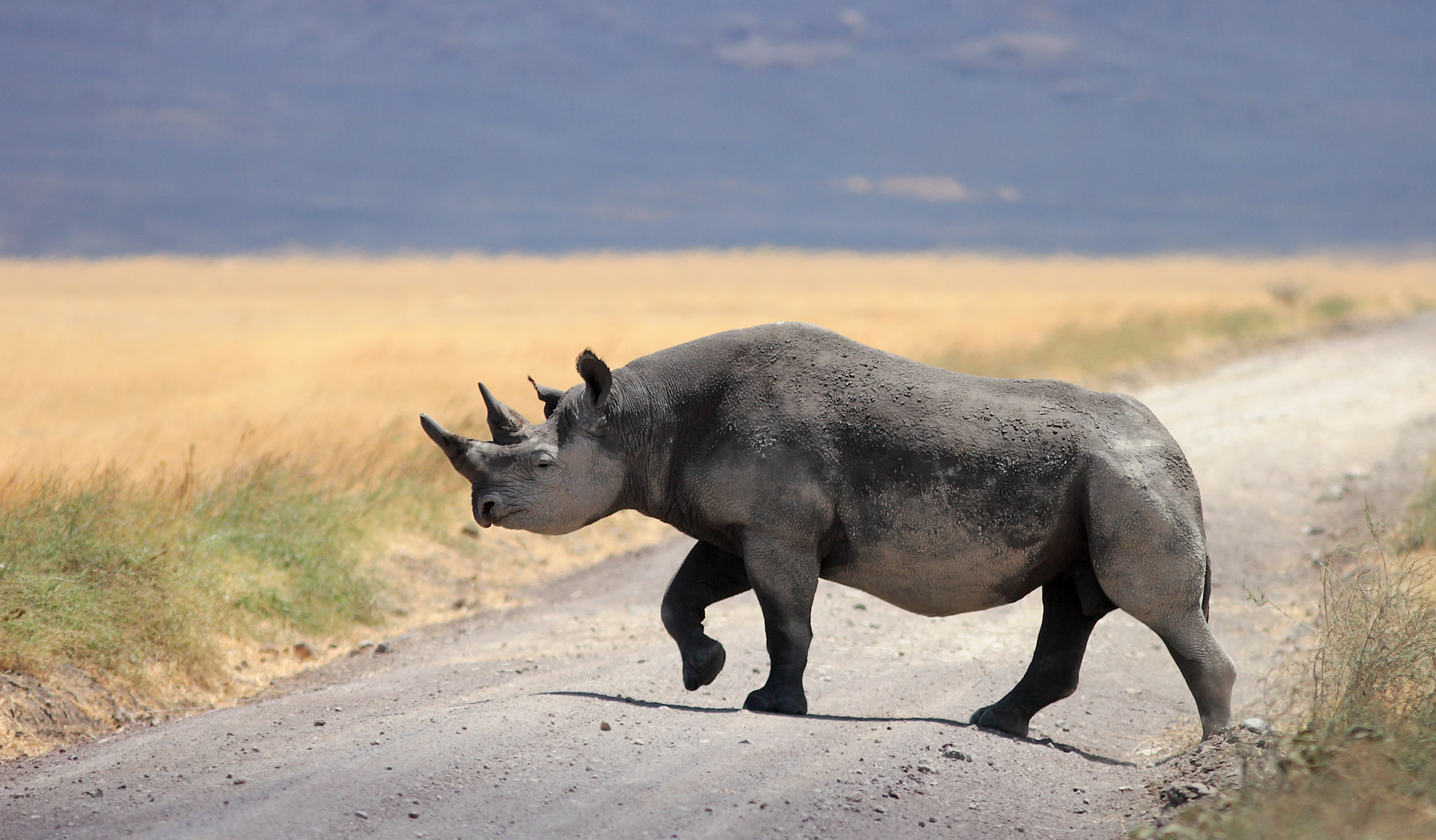
A UNESCO World Heritage Site where 260 square kilometres of crater floor hold lion, elephant, buffalo, leopard and one of Africa's last populations of black rhino — all beneath a 600-metre volcanic rim shared with Maasai herders.
Serengeti National Park
The endless plains.
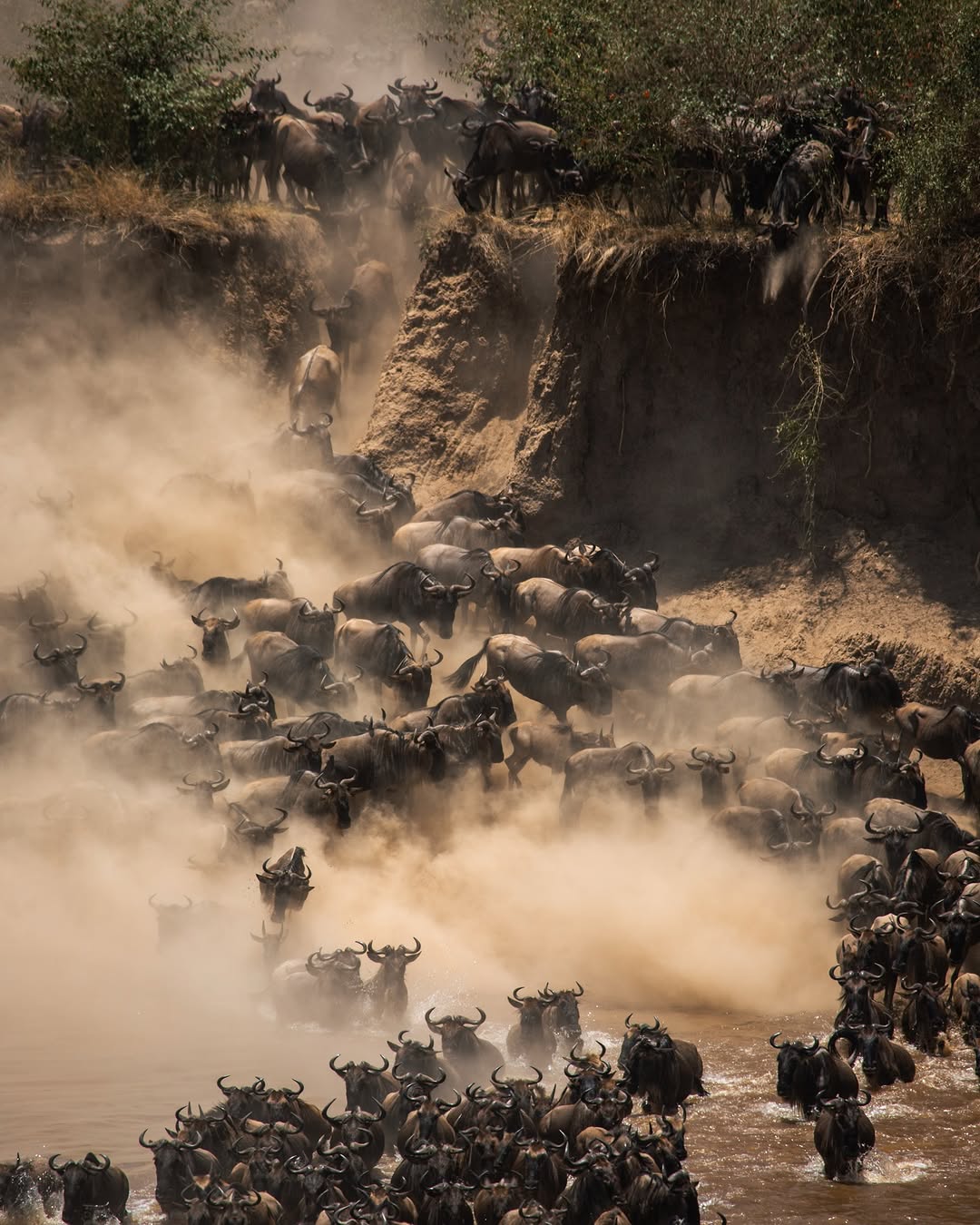
Fourteen thousand square kilometres of grassland, kopjes and riverine forest carrying the largest land migration on earth — and, outside the migration, the densest population of big cats in Africa.

Lake Manyara National Park
Small park, extraordinary variety.
A compact park of astonishing range — spring-fed forest, open floodplain and a shallow alkaline lake beneath the 600-metre wall of the Great Rift Valley, famous for tree-climbing lions, elephants and flamingo.
Lake Natron
Tanzania's most otherworldly landscape.
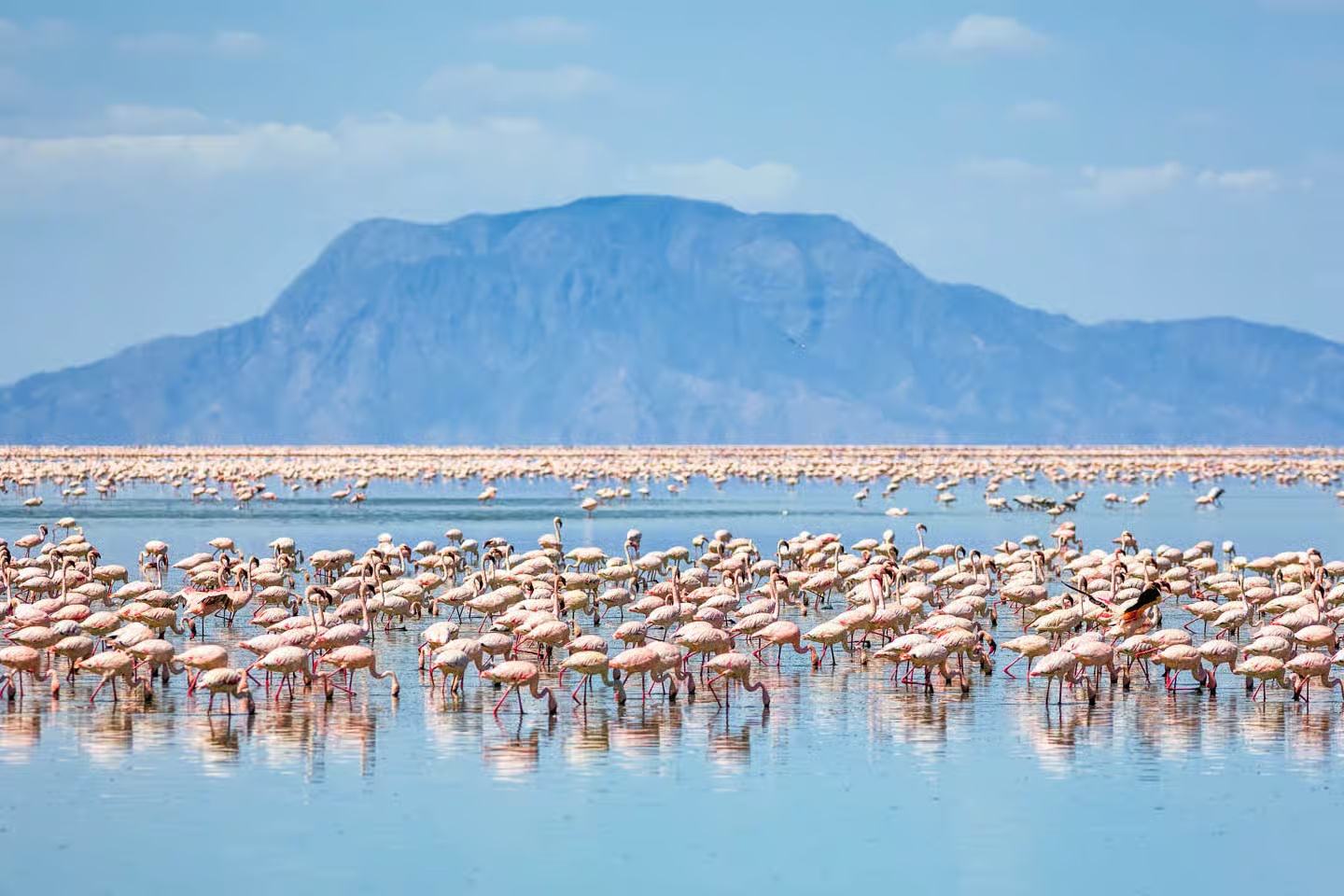
A caustic, shallow soda lake in the Rift Valley below the active volcano Ol Doinyo Lengai — the sole regular breeding site for East Africa's 2.5 million lesser flamingo, and one of the most photographed landscapes in Africa.
Planning your visit.
Practical guidance from our on-the-ground team, tailored to this destination.
Packing
Closed walking shoes with good grip for thorn scrub, long trousers and long sleeves, a hat and high-factor sunscreen. Bring a small daypack, water and a torch for the pre-dawn start, plus neutral colours rather than bright clothing.
Health
Hot, dry and dusty — hydrate constantly and carry electrolytes. Malaria risk is present; use prophylaxis as advised and repellent at dusk. Thorn scratches are common on the hunt, so bring antiseptic and ensure your tetanus cover is current.
Safety
The morning hunt involves fast walking over uneven ground with live arrows in use — stay behind the hunters, follow your guide's instructions exactly, and never walk between a hunter and his line of sight.
Photography
Ask before every photograph and accept refusal gracefully. A fast 35mm or 50mm serves far better than a telephoto in close, low-light thorn scrub. Firelight before dawn and the glow of the Datoga forge produce the strongest images. Do not fly drones over communities.
Connectivity
Patchy mobile coverage around Mang'ola and largely absent in the bush. Camps run on solar with limited charging capacity.
Family advice
Best for older children and teenagers who can keep up on a fast walk and engage with a culture very different from their own. Younger children may find the pace and heat difficult; a shorter Datoga visit is a good alternative.
Responsible tourism
Choose operators who pay agreed community fees directly, use translators from or close to the community and keep groups small. Never give sweets, alcohol, cash or medicines to individuals. Ask before photographing, buy crafts directly from makers, and treat the morning as a visit to people rather than a performance.
Frequently asked.
Who are the Hadzabe?
One of the last hunter-gatherer peoples on earth, numbering around a thousand, of whom a few hundred still live primarily by hunting and foraging. Their click language, Hadzane, appears unrelated to any other living language.
Is visiting the Hadzabe ethical?
It can be, if done properly. Go early and in small groups, with an operator paying agreed fees directly to the community and using a translator who knows the families. Avoid staged demonstrations, ask before photographing, and never hand money, sweets or alcohol to individuals.
What happens on a Hadzabe hunt?
You meet the group before dawn and follow on foot as they hunt birds, hyrax or small antelope with handmade bows, forage tubers and berries, and raid wild bee hives with smoke. Nothing is scheduled and there is no guarantee of a kill.
How fit do I need to be to join a Hadzabe hunt?
Reasonably fit. The hunters move fast over rough, thorny ground for one to three hours, often at a jog. Sturdy closed shoes and a willingness to keep up are essential.
Who are the Datoga?
A Nilotic pastoralist people living around Lake Eyasi, best known for their blacksmithing — forging arrowheads, knives and jewellery from scrap metal over goatskin bellows, much of it traded to the Hadzabe.
How long should I spend at Lake Eyasi?
One night is our recommendation, allowing a relaxed arrival and an unhurried dawn hunt followed by a Datoga visit. Day trips from Karatu work with a very early start.
When is the best time to visit Lake Eyasi?
June to October for dry tracks and the easiest walking. December to April brings water to the lake and outstanding birdlife, though roads are rougher.
Is there wildlife at Lake Eyasi?
Not big game. Expect dik-dik, lesser kudu, gerenuk, hyrax and nocturnal species, plus superb birdlife including flamingo and pelican when the lake holds water.
Can you swim in Lake Eyasi?
No. It is a shallow, alkaline seasonal lake, often reduced to salt flats and not suitable for swimming. Most camps have a pool.
How far is Lake Eyasi from Ngorongoro?
About an hour and a half from Karatu, which makes it an easy addition between Ngorongoro and the Serengeti.
Can I take photographs of the Hadzabe?
Generally yes, but ask each time and accept refusal. Payment is arranged through your guide in advance — never negotiate photo fees individually during the morning.
Is Lake Eyasi suitable for children?
Best for older children and teenagers. The pace of the hunt and the heat are demanding, though a Datoga blacksmith visit and birding by the lake work well for all ages.
What should I bring on a Hadzabe visit?
Closed walking shoes, long trousers and sleeves against thorns, water, a hat, sunscreen, a torch for the pre-dawn start and antiseptic for scratches.
Related reading.
Guides that pair well with a journey to this destination.
Ready to experience Lake Eyasi?
Tell us what draws you here and we'll shape a private journey around the places, experiences and pace that matter to you.