
Cultural Experiences
Meet the people, not a performance.
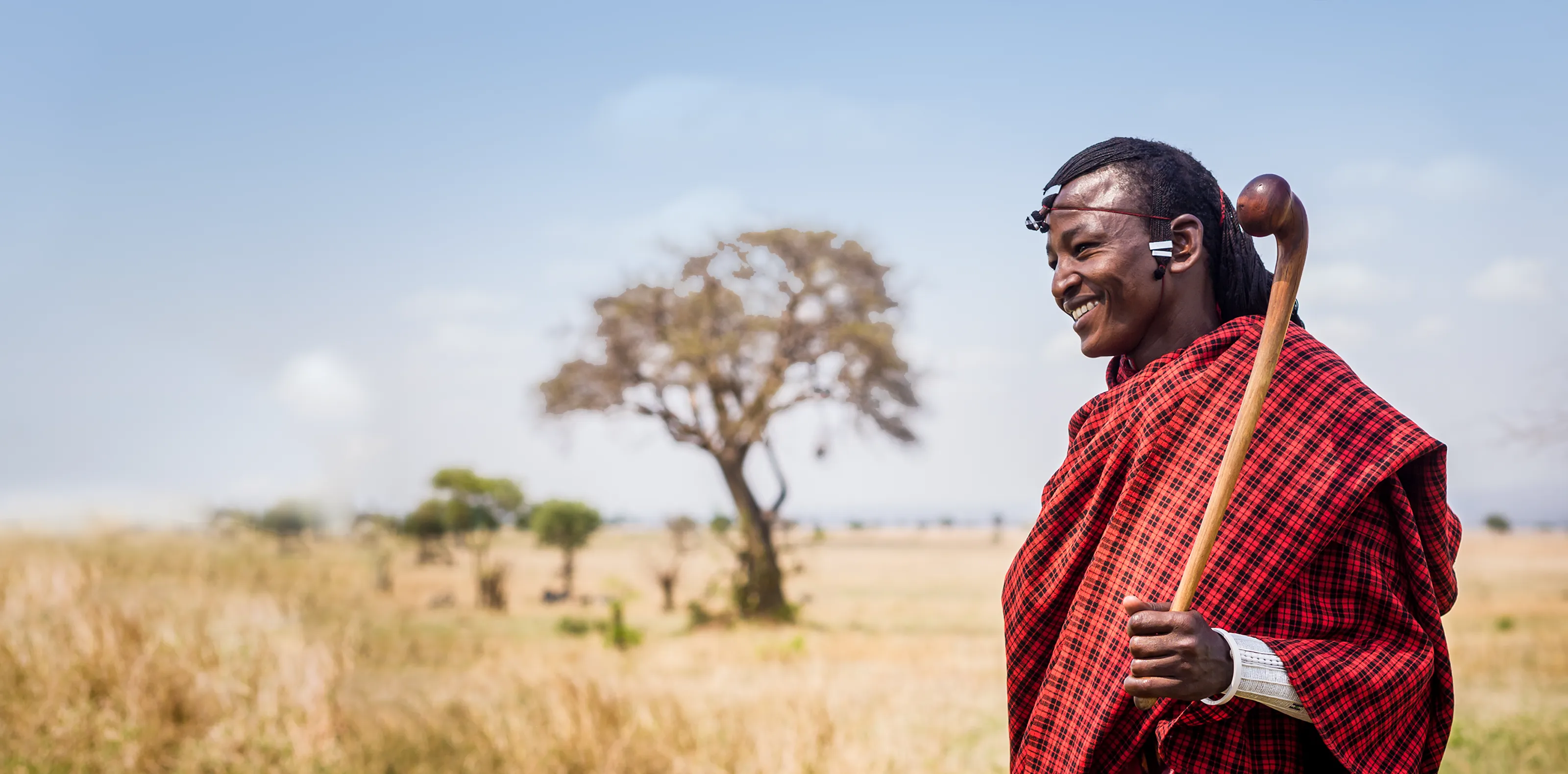
Time with Maasai, Hadzabe, Datoga, Chagga and Swahili communities arranged directly and paid fairly — conversation and craft rather than staged dancing at the gate.
- Available in
- Tanzania
- Best time
- Comfortable and accessible: June – October, January – February · Green and quiet: March – May, November
- Type
- cultural
Culture, arranged the honest way.
Most safari itineraries include a village visit. Many of them are uncomfortable for everyone involved: a bus arrives, a dance is performed, jewellery is sold, the bus leaves. We would rather do fewer cultural visits and do them properly.
That means arranging directly with community-run enterprises, agreeing the fee in advance so the money reaches the household rather than an intermediary, and going at a time of day when normal life is happening. It also means asking before photographing, and being willing to just sit and talk.
The range across northern Tanzania is remarkable. Hadzabe hunter-gatherers near Lake Eyasi still hunt with bow and arrow at dawn. The Datoga smith arrowheads from scrap metal a few kilometres away. Maasai bomas across the Ngorongoro highlands live alongside wildlife in a way no national park model has managed. In Mto wa Mbu, a single village speaks a large share of Tanzania's languages, and the food reflects it. On the coast, Stone Town's Swahili history is a story of trade, spice and empire.
None of this needs dramatising. Given an hour, a good translator and mutual respect, it is one of the parts of the journey guests talk about longest.
Why Cultural Experiences?
Hadzabe dawn walk
Join hunter-gatherers near Lake Eyasi at first light — one of the last such communities in Africa.
Datoga metalwork
Watch arrowheads and jewellery forged by hand from scrap metal at a family homestead.
Maasai boma visits
Arranged directly with families in the Ngorongoro highlands, on their terms and timing.
Mto wa Mbu food walk
A market and cooking walk through one of the most linguistically diverse villages in Tanzania.
Chagga heritage on Kilimanjaro
Coffee farms, irrigation furrows and the tunnels used during inter-clan conflict.
Stone Town, Zanzibar
A guided walk through Swahili, Omani and Indian history — spice trade, doors and the slave-trade memorial.
Where to experience Cultural Experiences.
Tanzania
Explore Tanzania →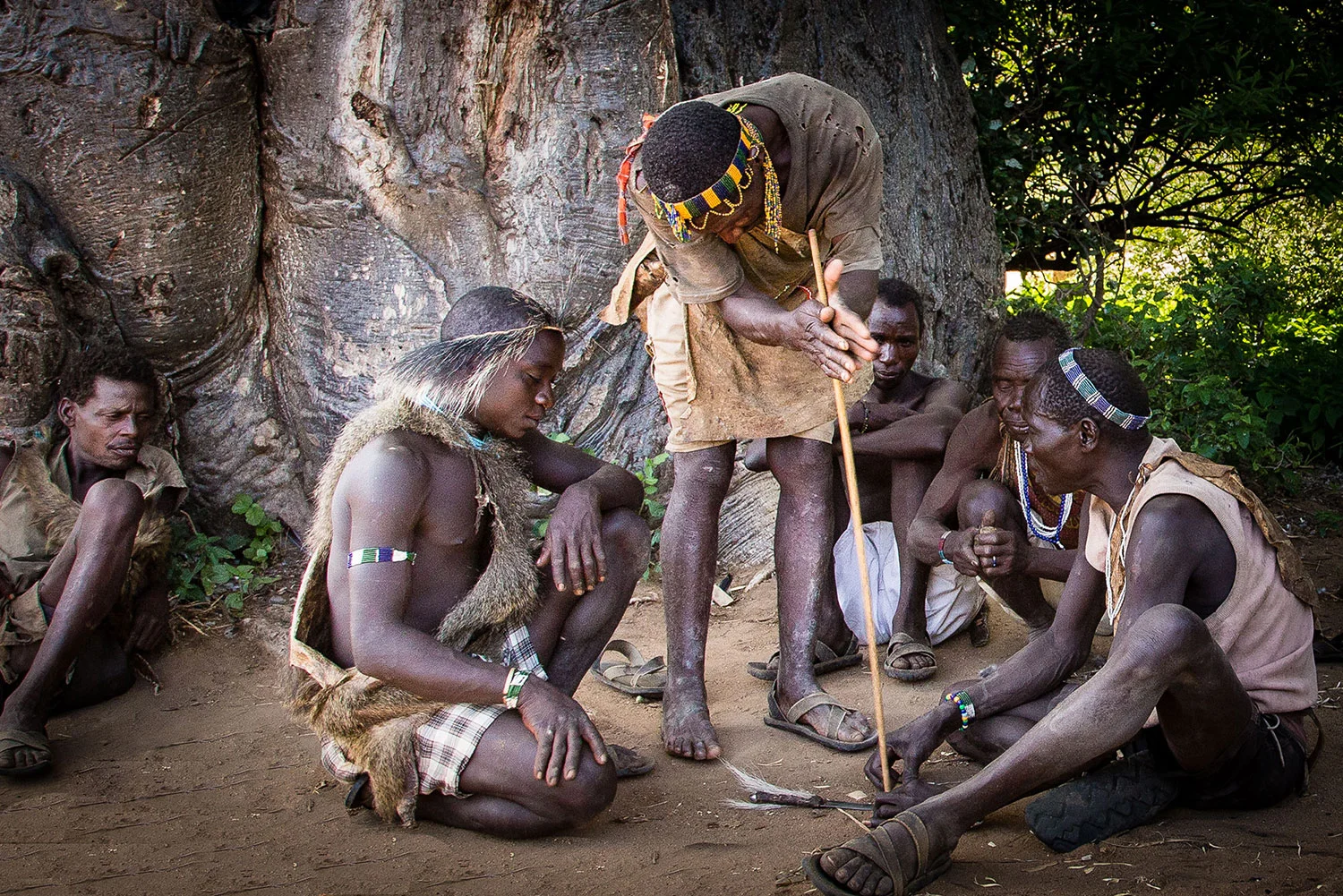
Lake Eyasi
Tanzania's most humbling half day.
A shallow seasonal soda lake beneath the Ngorongoro highlands, and home to the Hadzabe — one of the last hunter-gatherer societies on earth — alongside the Datoga pastoralists and blacksmiths.
Ngorongoro Conservation Area & Crater
The world's greatest natural wildlife amphitheatre.
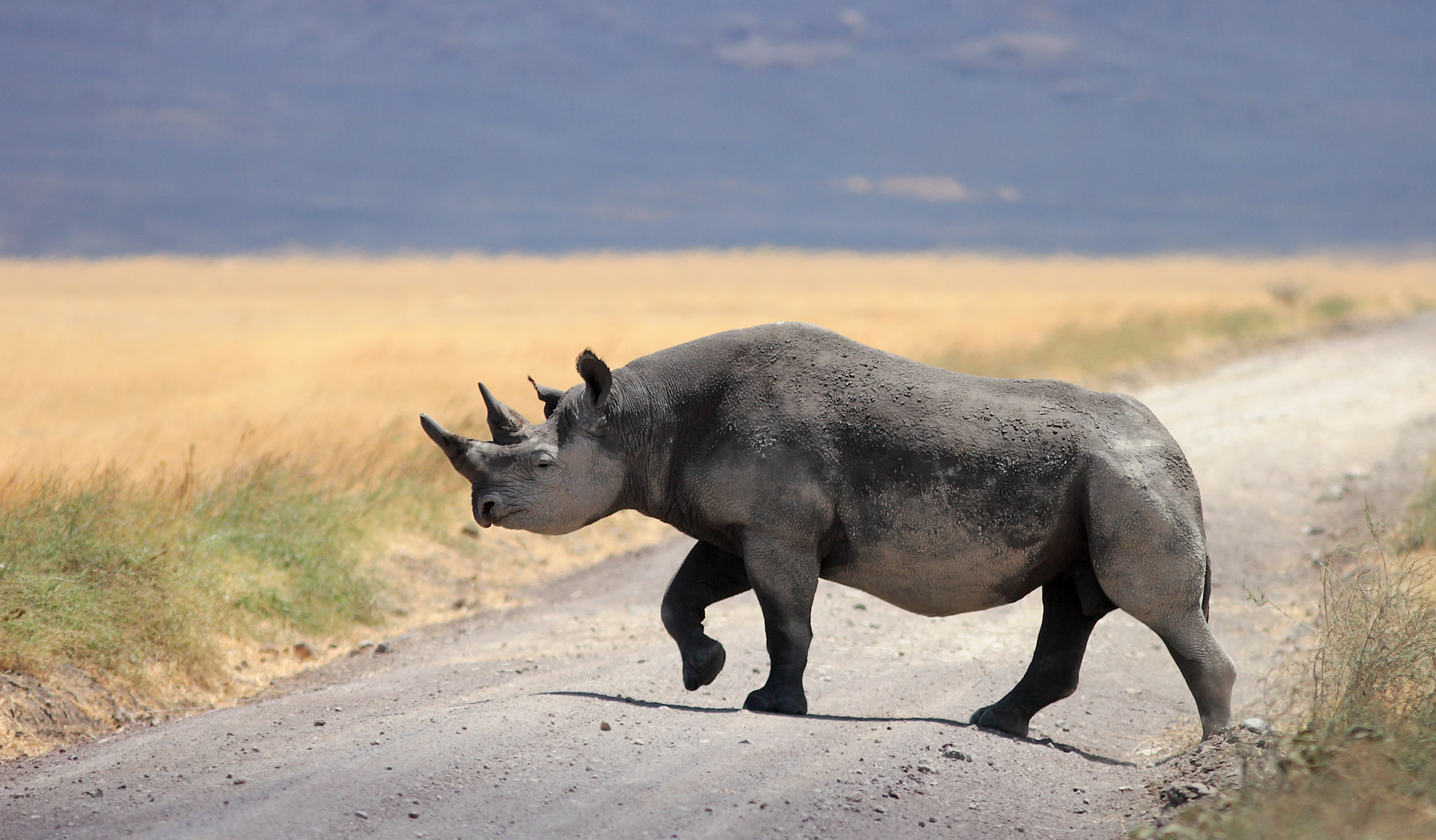
A UNESCO World Heritage Site where 260 square kilometres of crater floor hold lion, elephant, buffalo, leopard and one of Africa's last populations of black rhino — all beneath a 600-metre volcanic rim shared with Maasai herders.
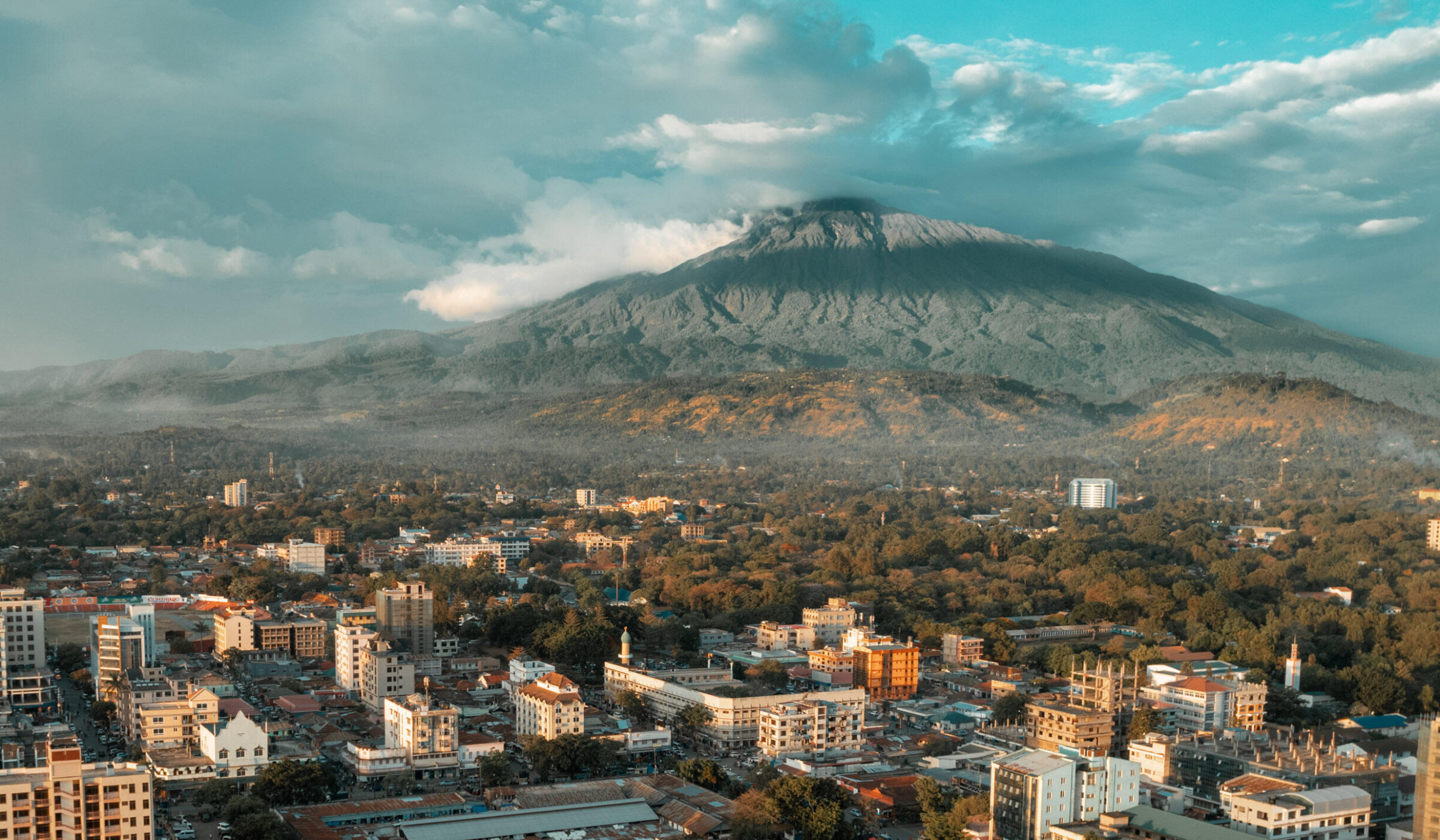
Arusha
The Gateway to Tanzania's Legendary Northern Safari Circuit
Arusha is Tanzania's premier safari gateway, offering easy access to world-famous national parks, Mount Kilimanjaro, rich cultural experiences, luxury lodges and authentic East African hospitality.
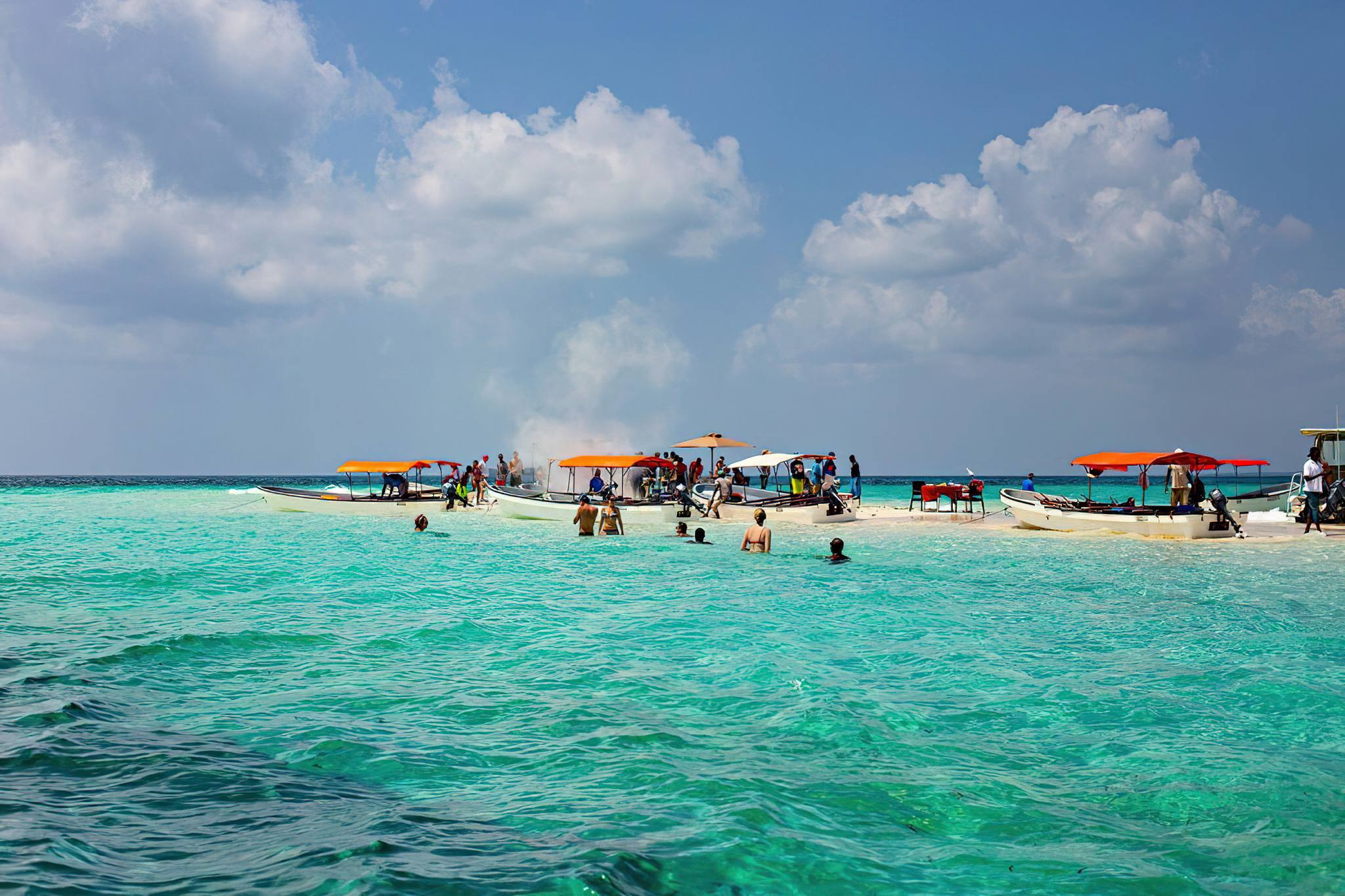
Zanzibar
Indian Ocean island, Swahili soul.
The Spice Island — powder-white beaches and warm turquoise water on one side, the UNESCO-listed labyrinth of Stone Town on the other, and coral reefs, spice farms and dolphin-filled channels in between.
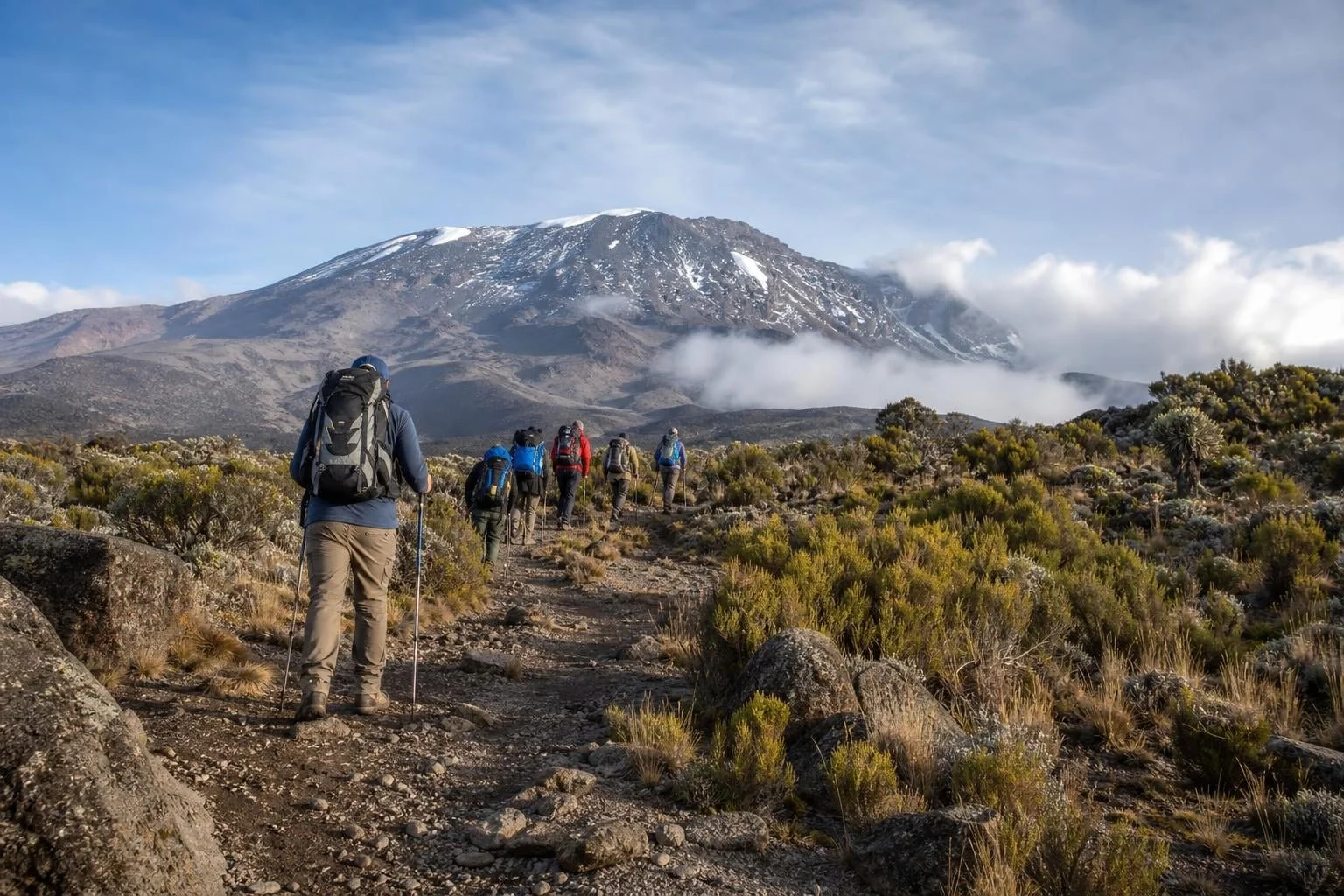
Mount Kilimanjaro
The highest walk in Africa.
Africa's highest peak and the world's tallest freestanding mountain — a non-technical trek through rainforest, moorland, alpine desert and glacial ice to Uhuru Peak at 5,895 metres.
When to experience it.
Available all year. The dry months make village tracks easier and dawn walks more comfortable; the green season is quieter and the highlands are at their most beautiful.
Warm and mostly dry; good access to all communities.
Hot and dry — start early for the Hadzabe walk.
Rains begin; highland villages are green and quiet.
Wettest month; some village tracks become difficult.
Improving through the month; planting season in the highlands.
Dry, cool and comfortable for walking and market visits.
Peak dry season; all communities easily reached.
Dry and busy — we book community visits ahead.
Dry, warm and quieter than August.
Hot and dusty; early starts recommended.
Short rains; the landscape freshens quickly.
Warm with occasional showers; festive markets on the coast.
What to expect.
How it is arranged
Directly with community associations or the host family, with the fee agreed beforehand and paid in full to them. No commission-driven detours.
Timing
Early morning or late afternoon, when daily life is genuinely underway rather than staged for arrivals.
Photography
Always ask first, and accept no. Where a photography fee applies we will tell you the amount in advance so nothing is negotiated on the spot.
Language
Your guide translates. Bring questions — the visits that work best are the ones where guests are curious rather than observant.
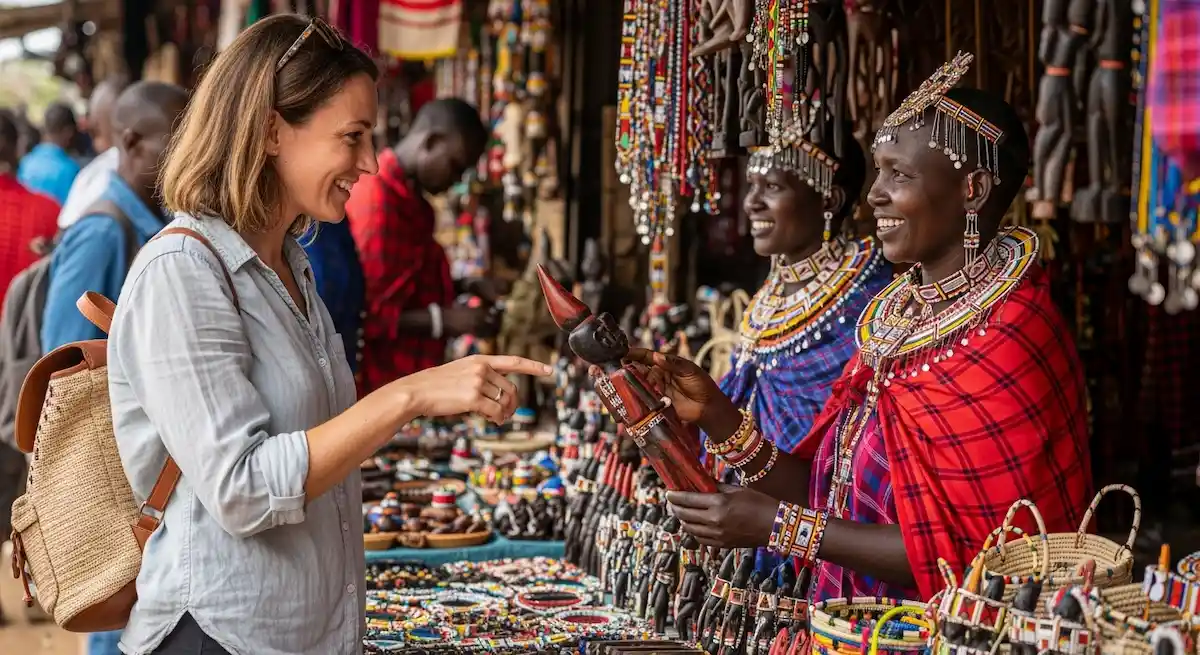
Shopping
Buy from the craftspeople themselves if you want to buy. There is no obligation and no sales pressure on a Wildlux visit.
Journeys featuring Cultural Experiences.
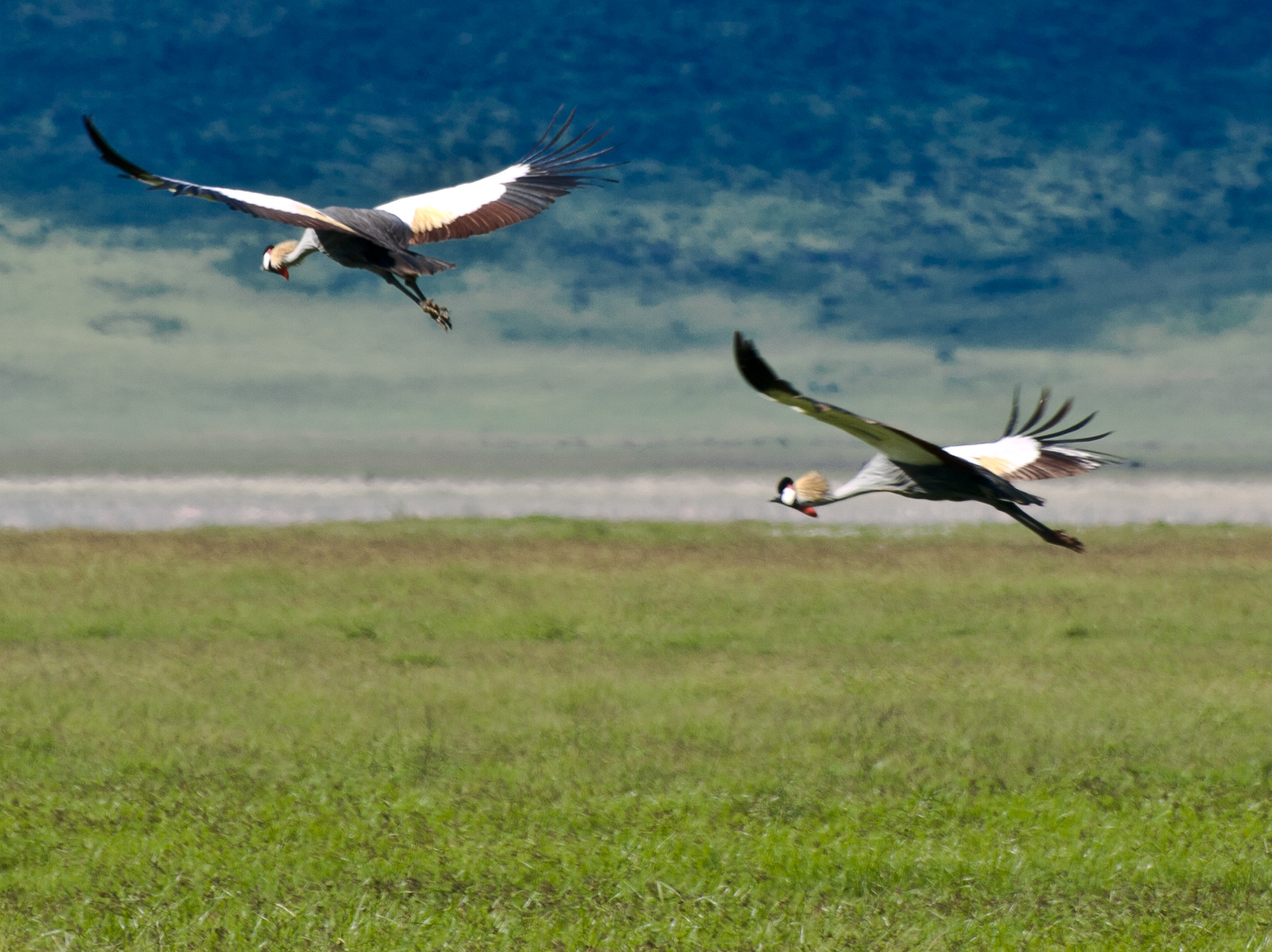
The East Africa Classic
Five landscapes across Kenya and Tanzania on one private safari.
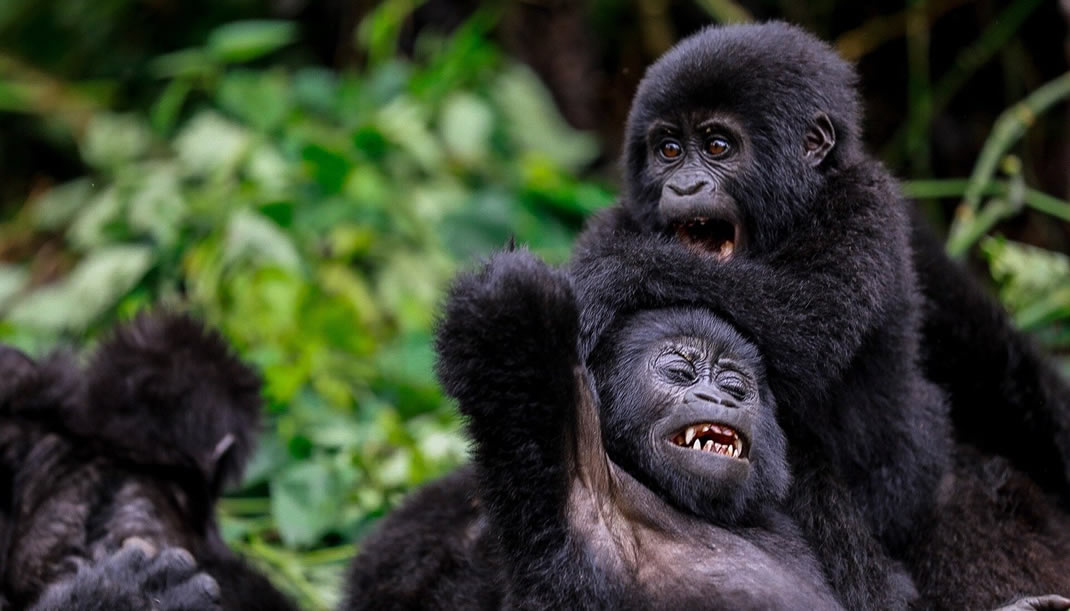
Primates & Plains
From the great savannahs to the forests of the mountain gorillas.
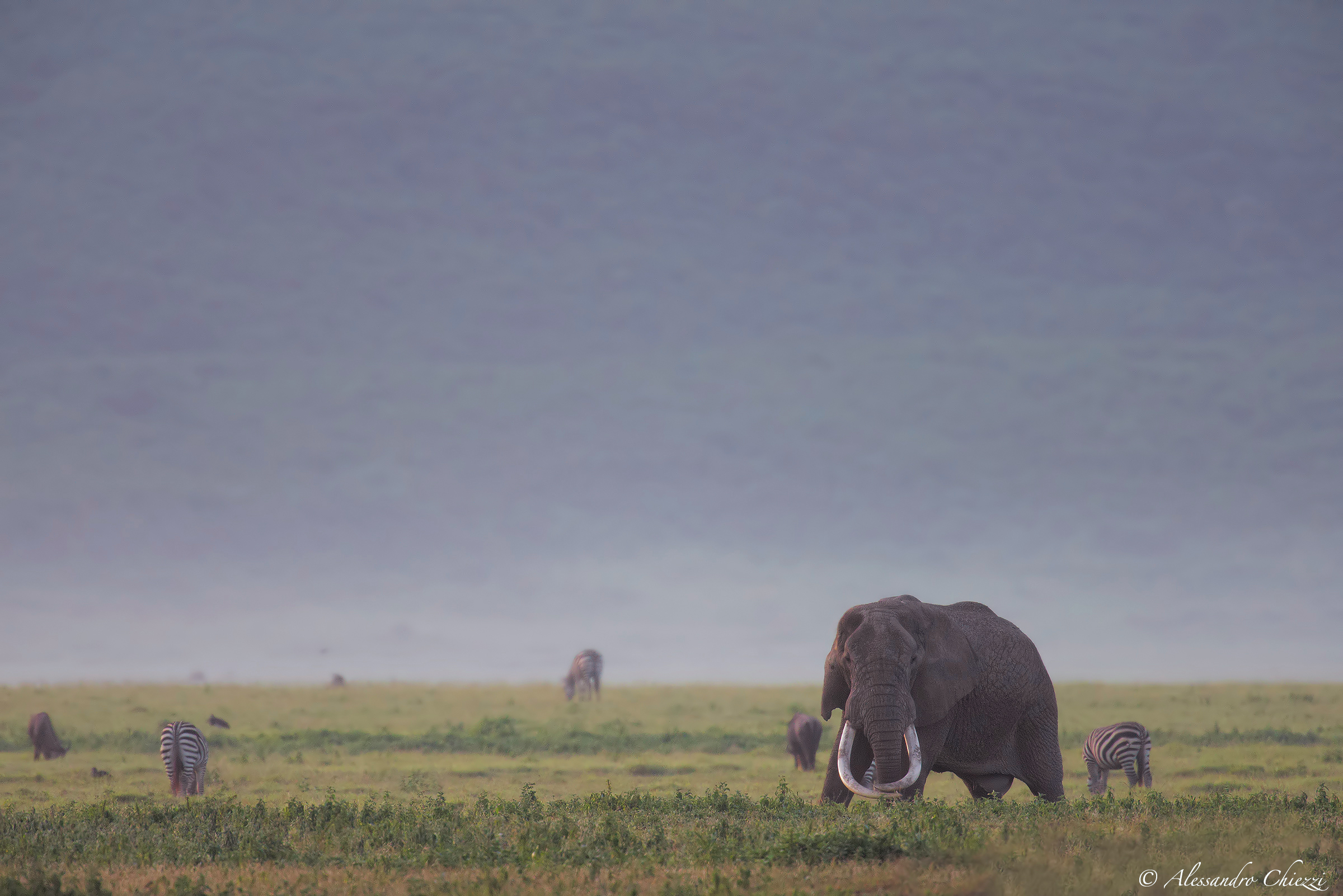
The Tanzania Classic
Three legendary landscapes. One unforgettable introduction to Tanzania.
Cultural Experiences in pictures.
Planning this experience.
- Duration
- Two to four hours per visit.
- Who it suits
- All ages; particularly good for families and repeat safari guests.
- Fees
- Community fees are quoted transparently at the applicable current rate.
- Where
- Lake Eyasi, Ngorongoro highlands, Mto wa Mbu, Kilimanjaro foothills, Stone Town.
- Best paired with
- Any Northern Circuit safari or a Zanzibar extension.
Explore more experiences.
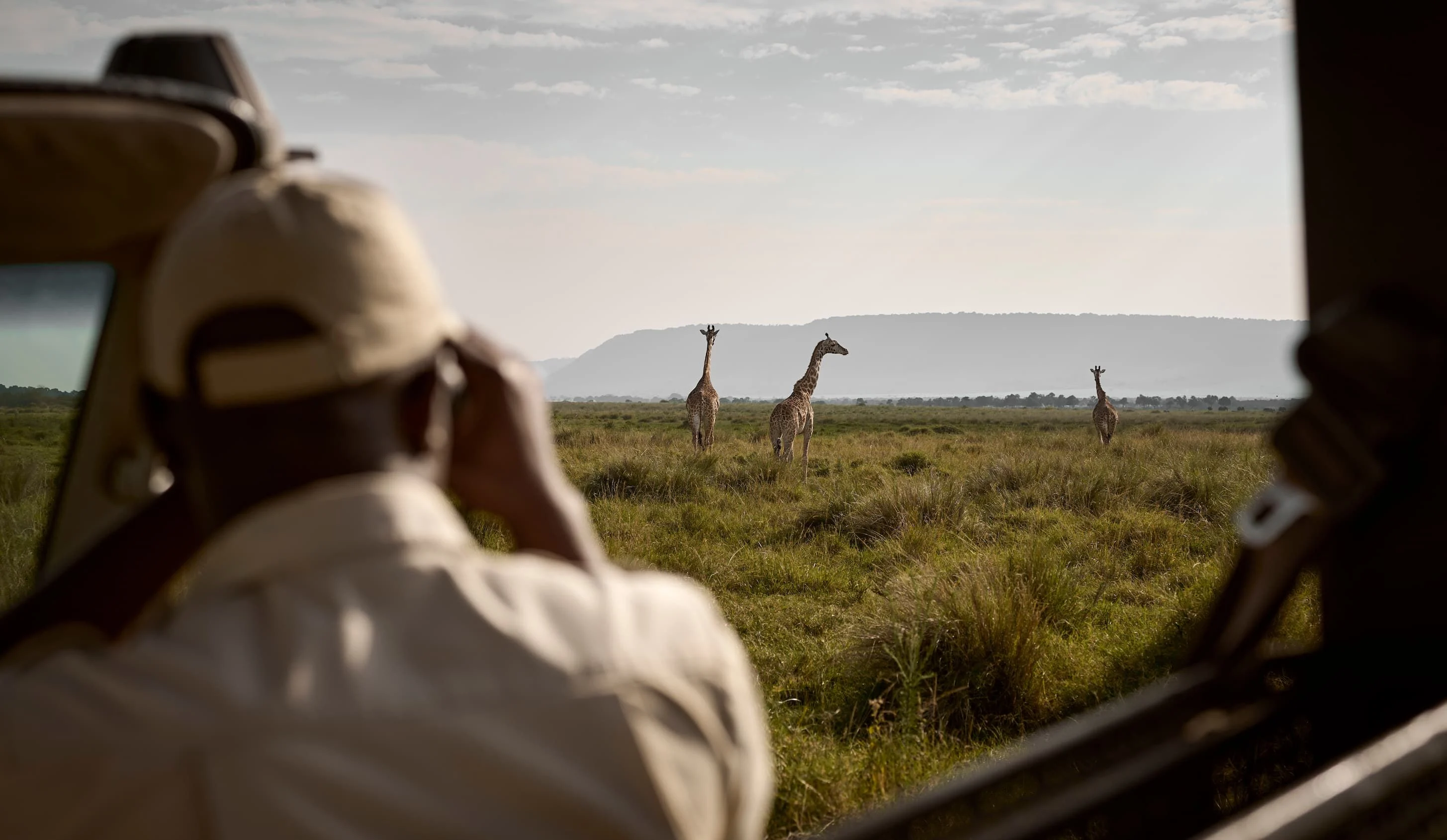
Wildlife Safaris
The reason you came.
Private, guided game viewing across the great ecosystems of East Africa — the Serengeti, Ngorongoro, Tarangire, the Maasai Mara and beyond — with your own vehicle and guide on tailor-made journeys, and shared departures only where specifically stated.

Beach Holidays
The other half of the journey.
Zanzibar, Pemba, Mafia and the Kenyan coast — the Indian Ocean finish that turns a safari into a holiday, with reef, dhows and nothing to do before lunch.
Hiking & Trekking
On foot, at last.
Day hikes and multi-day walks away from the vehicle — crater rims, forest waterfalls, Rift Valley escarpments, the Usambara Mountains and guided walking safaris with an armed ranger.
Frequently asked.
Will this feel like a tourist show?+
That is exactly what we work to avoid. Visits are arranged directly with the community, timed around real daily life, and kept to your private party only.
Where does the fee go?+
To the community association or host family, in full. The applicable community or host fee is confirmed transparently in your quotation.
Can I take photographs?+
Ask first, every time. Some communities charge a photography fee, which we confirm in advance so nothing is negotiated in front of you.
Is it suitable for children?+
Very. Children often break the ice faster than adults, and the Mto wa Mbu food walk and Chagga coffee farms work especially well for families.
How long should I allow?+
Half a morning. We would rather you spend two unhurried hours in one place than thirty minutes in three.
Build this experience into your journey.
Tell us what draws you to cultural experiences and we'll design a private journey around your dates, pace and interests.