

Kigali
“Most itineraries treat Kigali as an airport. Give it a day and it becomes the reason the rest makes sense.”
Rwanda's calm, hill-built capital and the gateway to gorilla trekking — with the Genocide Memorial, a strong art and coffee scene, and good roads to every corner of the country.
About Kigali.
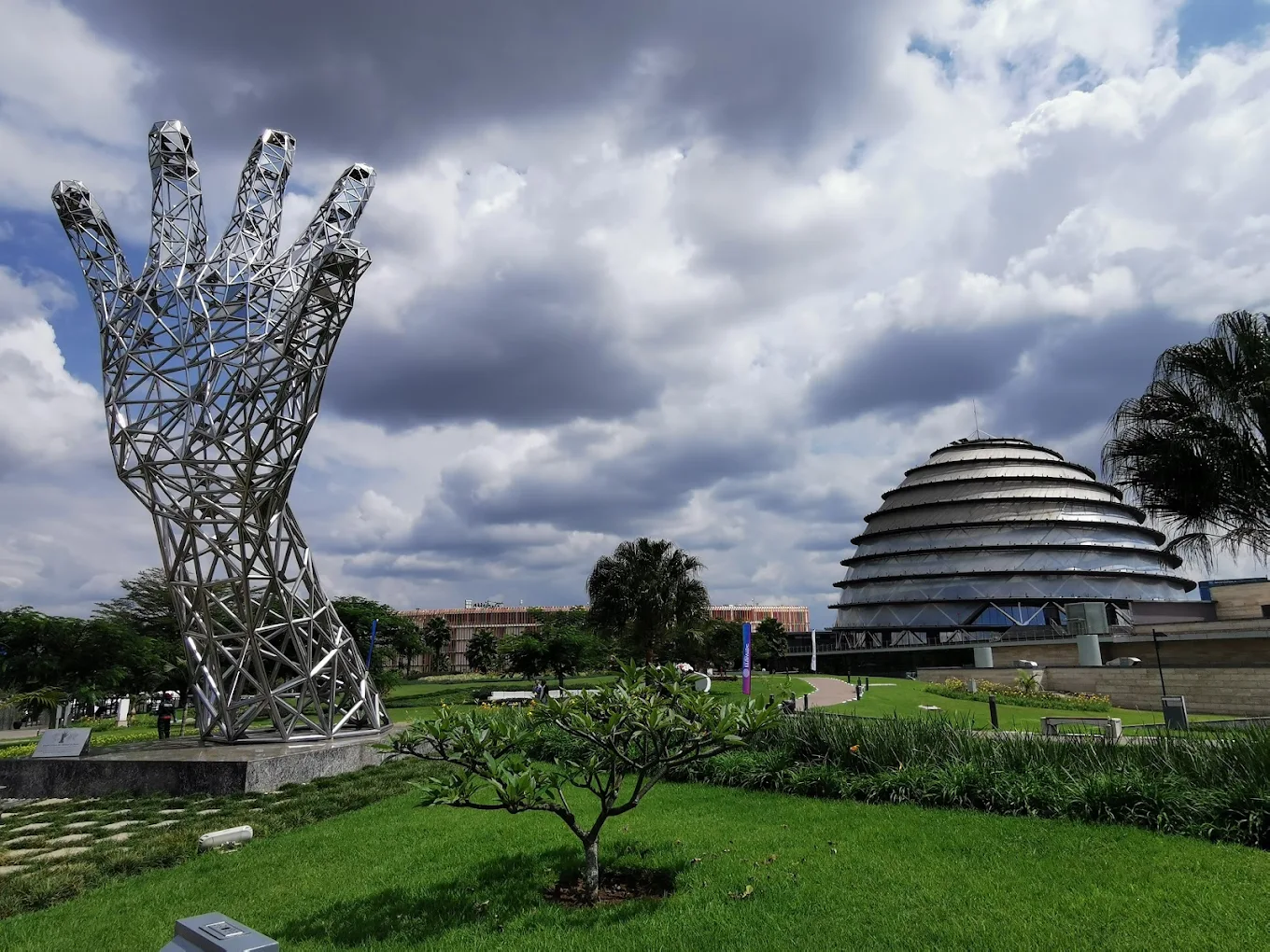
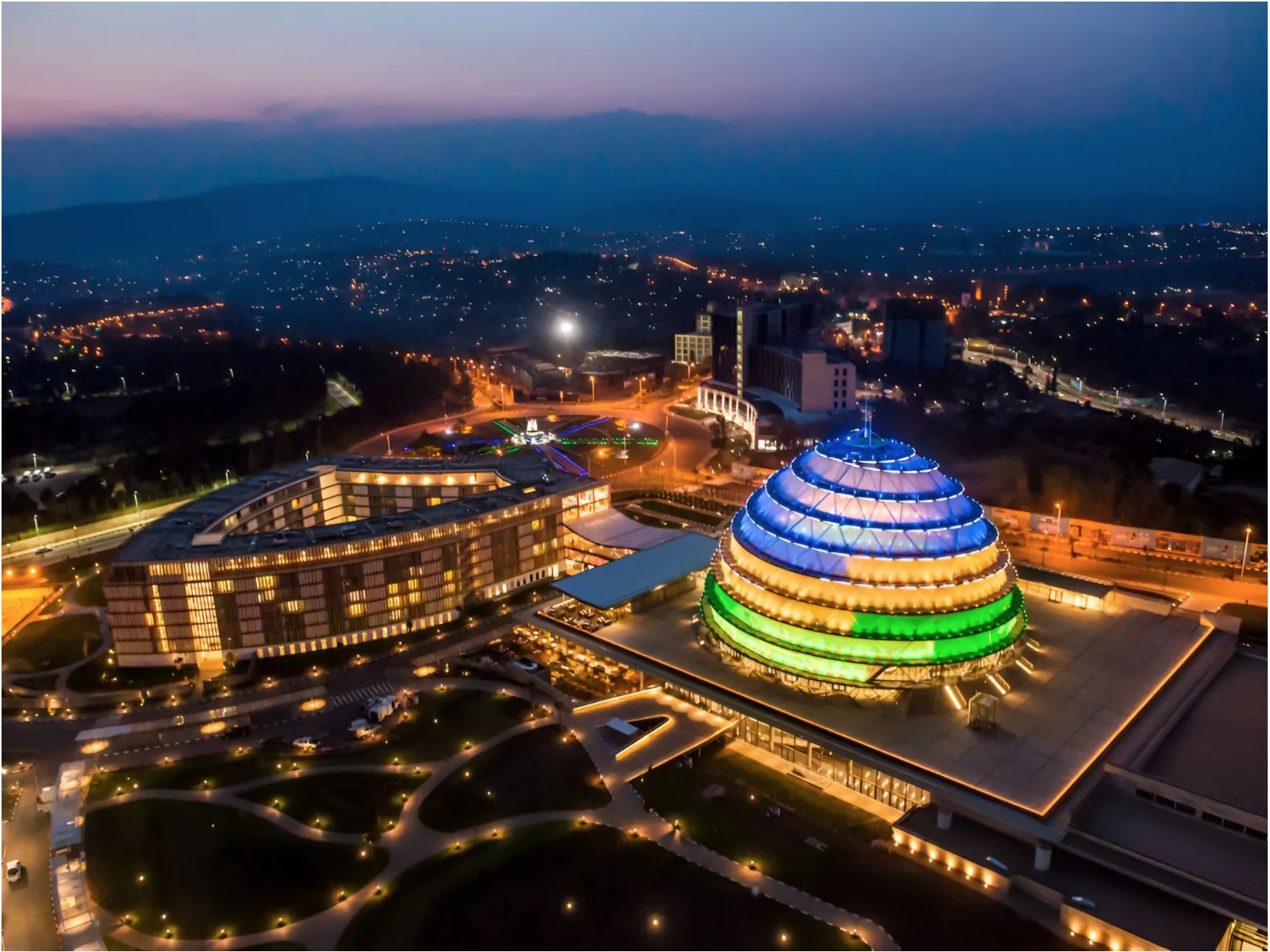
Kigali sits across a series of ridges at around 1,500 metres, which keeps it temperate all year and gives it views from almost everywhere. It is orderly, notably clean, and comfortable to explore in many central areas during the day. For most visitors it is the arrival and departure point for gorilla trekking — Volcanoes National Park is two to three hours away on tarmac — but it deserves more than a transit night.
The Kigali Genocide Memorial at Gisozi is the essential visit. It is a careful, unflinching account of 1994 and its aftermath, and around two hours there changes how you understand everything you subsequently see in this country. Nyamata and Ntarama churches, an hour south, are harder still.
Beyond that: the Nyamirambo Women's Centre walking tour through the city's most characterful quarter, Inema Arts Centre and Niyo Art Gallery, Kimironko market for fabric and food, and a coffee scene that takes Rwandan beans seriously. Restaurant standards are high and the last night of a trip is a good place to spend properly.
Practicalities are easy. Kigali International is well connected, immigration is efficient, and plastic bags are banned nationally — they will be removed at the airport.
Kigali, in short.
The essentials our specialists check first when shaping a private itinerary.
Good to know.
- Location
- Central Rwanda, built across ridges at around 1,500 m.
- Getting there
- Kigali International Airport is well connected across Africa, Europe and the Gulf, and is 15 minutes from the city centre.
- Minimum stay
- One night on arrival is normal; a full day is worth it for the Memorial and city.
- Genocide Memorial
- Allow around two hours. Photography is restricted inside and the content is confronting.
- Getting around
- Metered taxis and ride apps are reliable; moto-taxis are common and require a helmet.
- Plastic bags
- Single-use plastic bags are illegal in Rwanda and will be removed on arrival.
- Onward travel
- Volcanoes 2 to 3 hours, Akagera around 2.5 hours, Nyungwe 4 to 5 hours — all on good tarmac.
Why visit Kigali?
Kigali Genocide Memorial
The essential visit — around two hours, careful and unflinching.
Nyamirambo walking tour
A community-run tour through the city's most vibrant quarter.
Inema Arts Centre
Contemporary Rwandan art, studios and regular evening events.
Kimironko market
Fabric, produce and craft in the city's busiest market.
Coffee culture
Specialist roasters working with Rwandan cooperatives.
Camp Kigali and Presidential Palace Museum
Two further sites for understanding 1994 and the years around it.
Gateway location
Two to three hours by road to Volcanoes National Park; four to five to Nyungwe.
Species you may encounter.
Wildlife commonly associated with the region. Sightings are always wild and never guaranteed.
Urban birdlife
Black kites, sunbirds and weavers throughout the city's gardens and valleys.
Nyandungu Eco-Park
A restored urban wetland with birds, walking trails and a medicinal plant garden.
Akagera National Park
Big Five savannah park around two and a half hours east, easily added from the city.
The right time for Kigali.
Driest: June – September, December – February · Wettest: April, November
Dry, warm and pleasant for city walking.
Dry and comfortable; good visibility across the hills.
Rains begin, usually as afternoon showers.
Wettest month; heavy afternoon rain.
Rain easing; lush and pleasant.
Dry and clear; ideal city and onward travel conditions.
Dry and busy as gorilla season peaks.
Dry and warm with excellent visibility.
Dry, with Kwita Izina taking place this month.
Short rains begin; still very comfortable.
Wettest of the second rains.
Drying out; festive period is busy.
- Altitude
- c. 1,400 – 1,650 m
- Average temperature
- 16 – 27°C; temperate year-round
- Dry season
- June – September and December – February
- Rainy season
- March – May and October – November
Kigali on the map.
The park and the places around it — nearby destinations, areas and camps we work with.
Combine Kigali with…
Volcanoes National Park
Where gorilla research began.
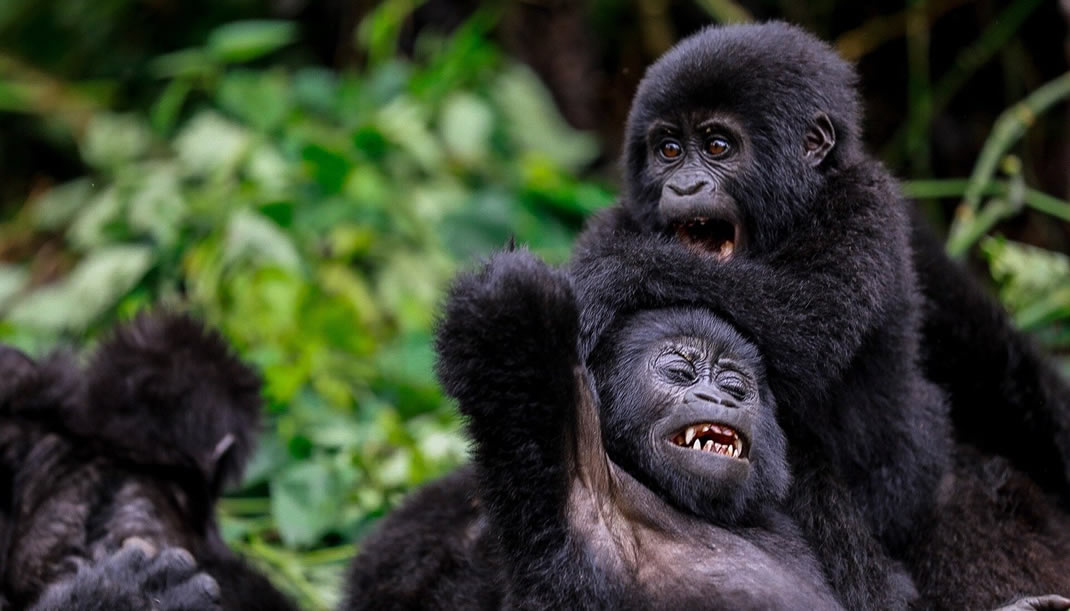
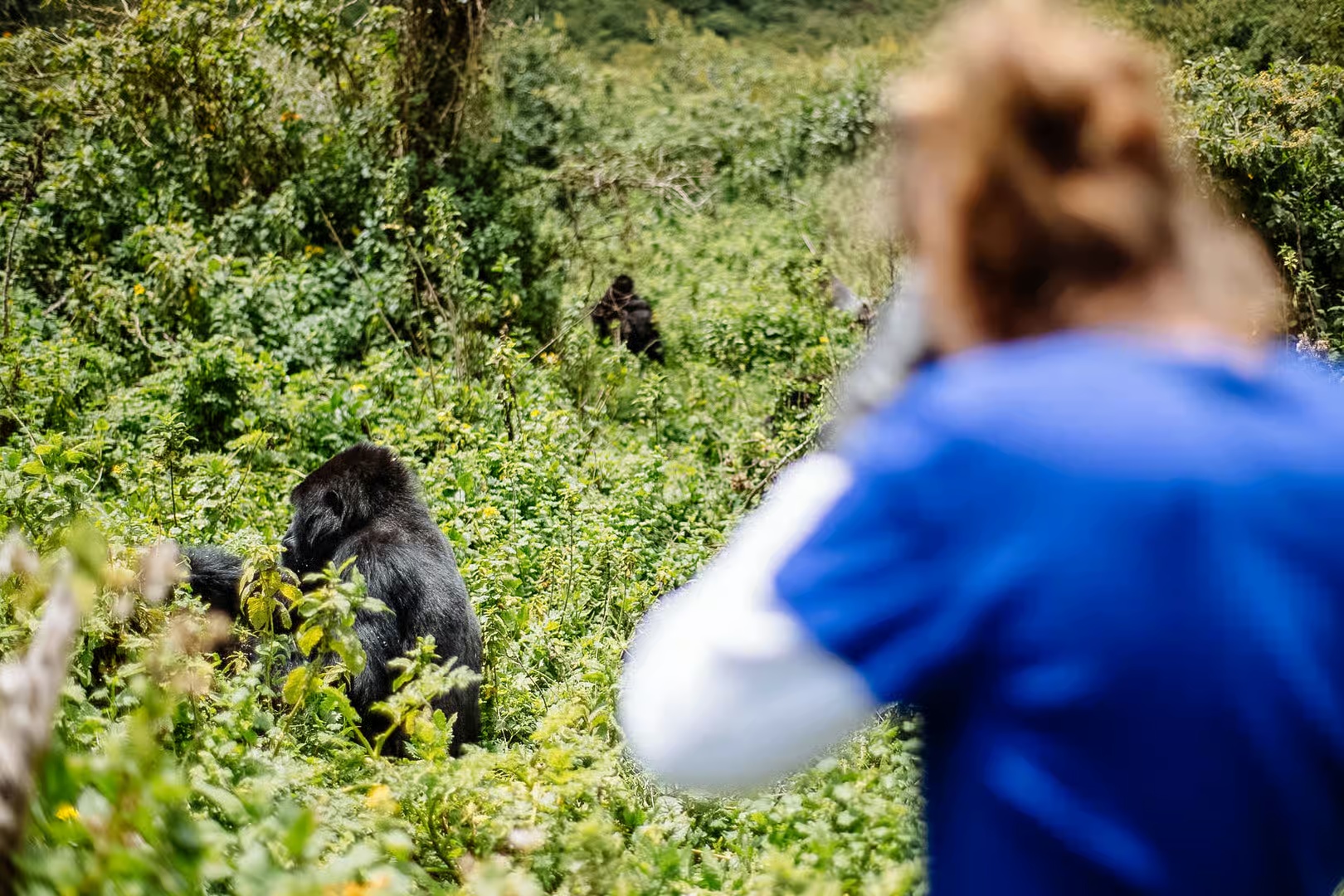
Rwanda's share of the Virunga massif — mountain gorilla trekking, golden monkeys, volcano climbs and the Dian Fossey research legacy, all within a short drive of Kigali.
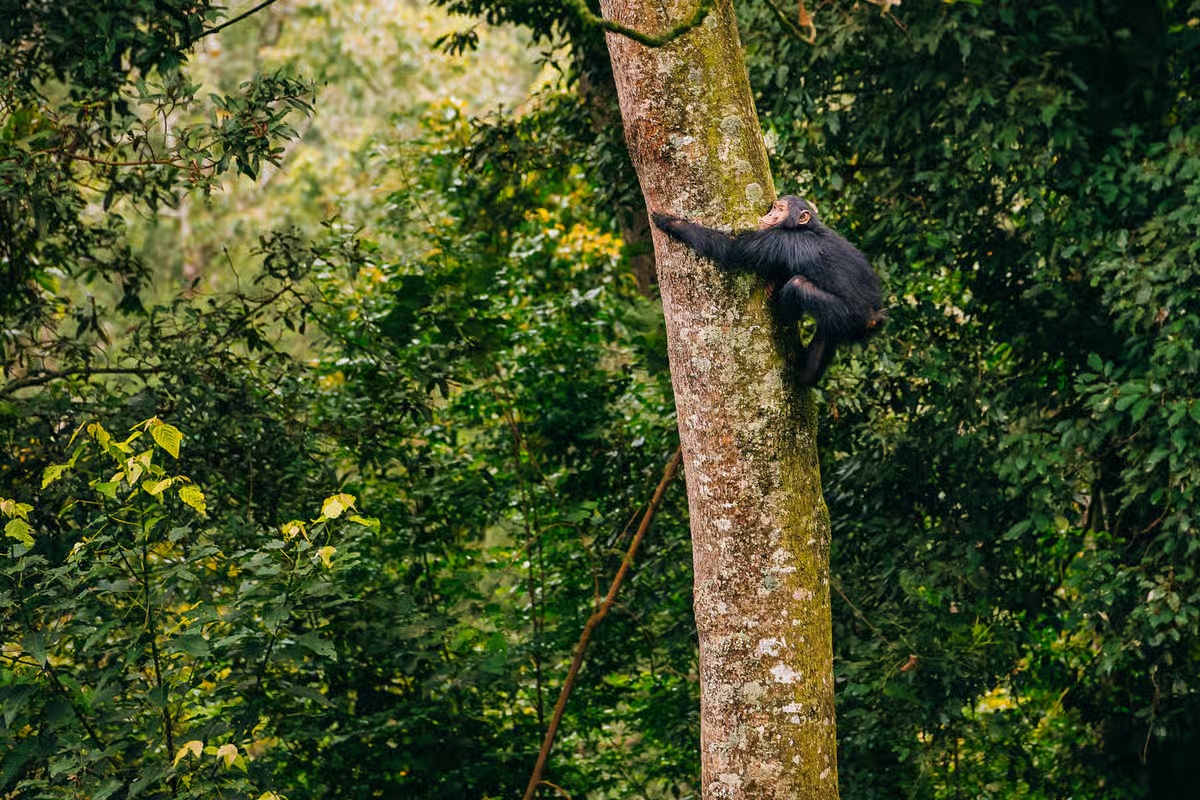
Nyungwe National Park
A rainforest canopy walk and thirteen primates.
One of Africa's oldest montane rainforests, with a 160-metre canopy walkway, chimpanzee tracking, huge colobus troops and Albertine Rift endemic birds.
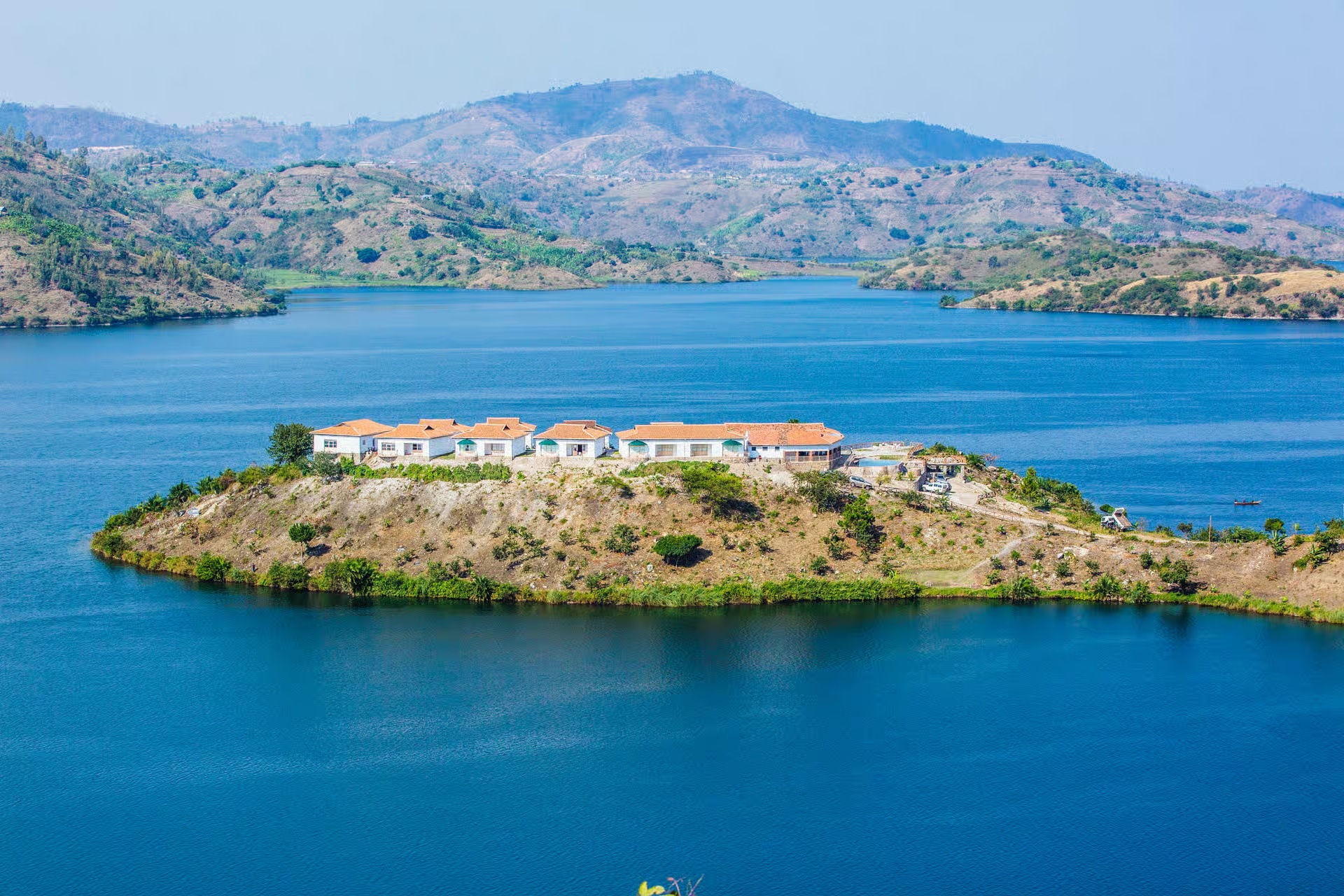
Lake Kivu
Planning your visit.
Practical guidance from our on-the-ground team, tailored to this destination.
Health
Health requirements vary by itinerary and traveller. Seek current professional medical and entry advice before travel, including guidance on malaria prevention and vaccination documentation.
Safety
Generally comfortable to explore during the day; normal city precautions still apply.
Frequently asked.
Is Kigali worth more than a transit night?
Yes. A full day covers the Genocide Memorial, the Nyamirambo walking tour and a gallery or market, and it gives essential context for the rest of Rwanda.
How far is Kigali from gorilla trekking?
Volcanoes National Park is two to three hours by road on tarmac, which is why many gorilla trips need no internal flights at all.
Is Kigali safe?
It is widely regarded as a notably clean and well-organised capital, and comfortable to walk during the day. Normal city precautions still apply at night.
Should I visit the Genocide Memorial?
We recommend it strongly. It is difficult and it is honest, and it takes around two hours.
What else can I add from Kigali?
Akagera National Park for Big Five savannah is around two and a half hours east, and makes an excellent two-night extension.
Related reading.
Guides that pair well with a journey to this destination.
Ready to experience Kigali?
Tell us what draws you here and we'll shape a private journey around the places, experiences and pace that matter to you.