
Nyungwe National Park
“Sixty metres above the forest floor, on a bridge that sways just enough to remind you where you are.”
One of Africa's oldest montane rainforests, with a 160-metre canopy walkway, chimpanzee tracking, huge colobus troops and Albertine Rift endemic birds.
About Nyungwe.
Nyungwe covers around 1,020 square kilometres of montane rainforest in south-western Rwanda and is thought to have survived the last ice age intact, which explains its extraordinary species richness: thirteen primates, over 1,000 plant species, around 320 birds including 29 Albertine Rift endemics, and 75 mammals.
Its signature experience is the canopy walkway on the Igishigishigi trail — 160 metres of suspension bridge up to 70 metres above a forested ravine, and a distinctive canopy walkway in East Africa. It takes an hour and it is worth planning a morning around.
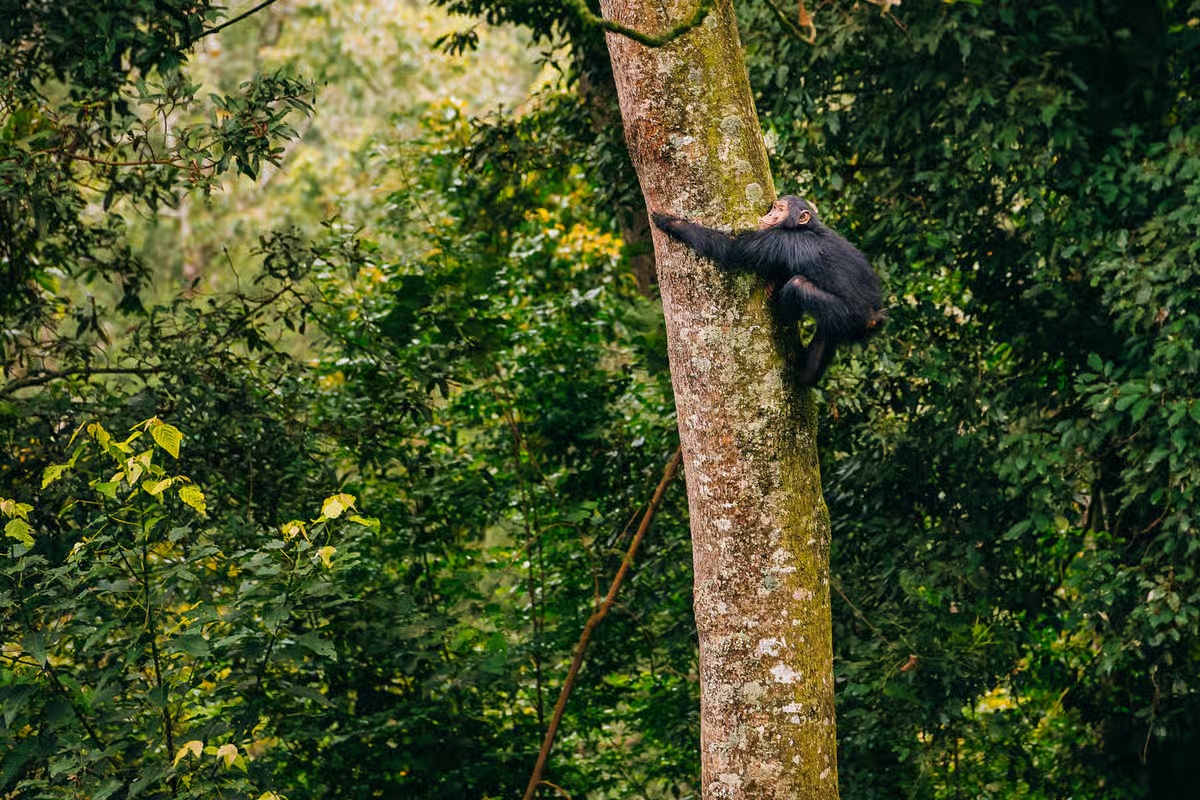
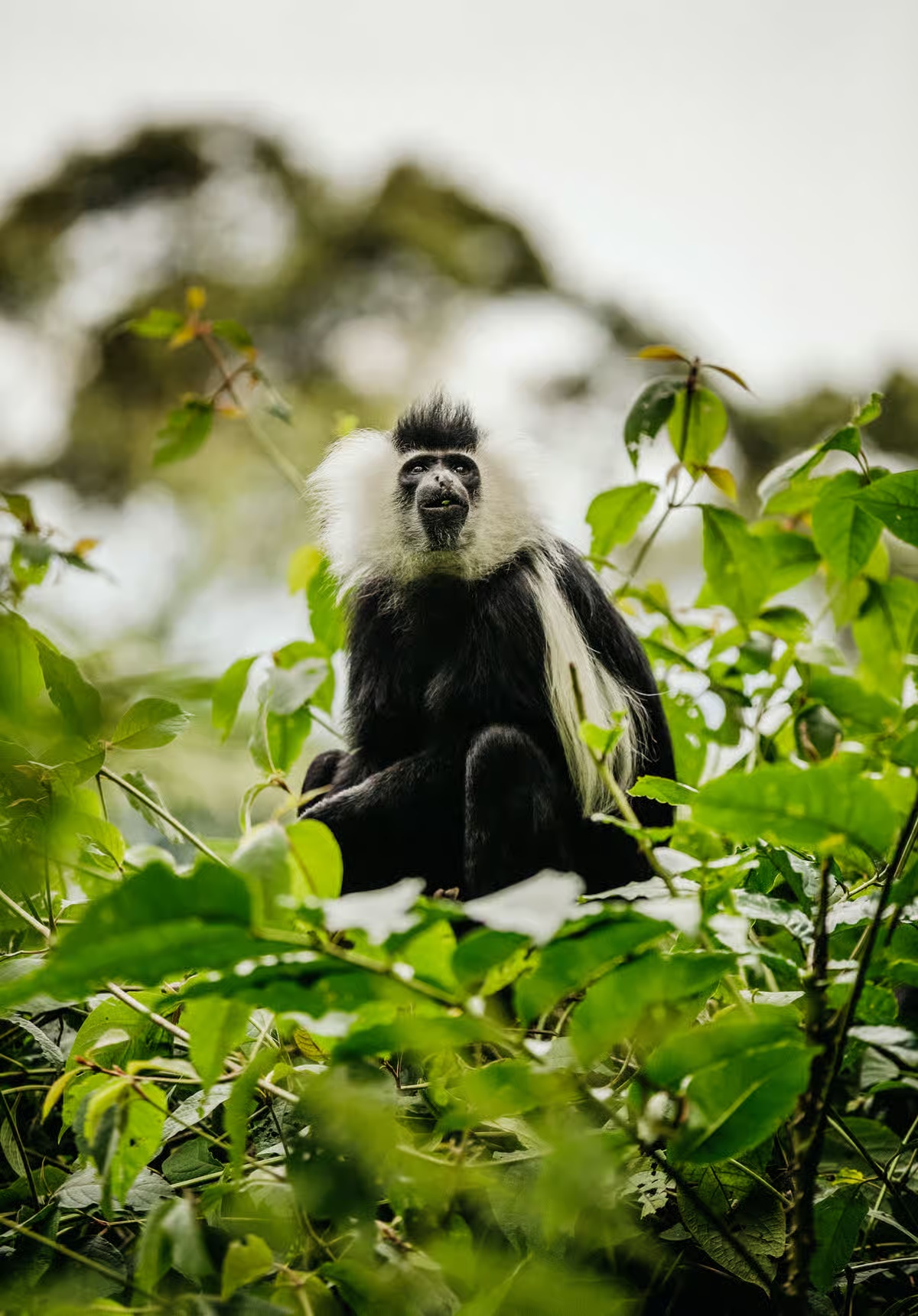
Primates are the other draw. Chimpanzee tracking runs from Uwinka and Cyamudongo, with success rates good but below Kibale's. The Angolan colobus super-troops are the real spectacle: groups of several hundred animals moving through the canopy together, remarkably large arboreal primate aggregations. Add L'Hoest's monkey, grey-cheeked mangabey, owl-faced monkey and more.
Around 130 kilometres of trails run through the park, from short waterfall walks to the demanding Bigugu summit at 2,950 metres. Tea estates on the boundary make an easy and photogenic add-on, and Lake Kivu is two hours north.
Nyungwe National Park, in short.
The essentials our specialists check first when shaping a private itinerary.
Good to know.
- Location
- South-western Rwanda, bordering Burundi and close to Lake Kivu.
- Park size
- c. 1,020 km²
- Getting there
- Four to five hours by road from Kigali, or around two hours from Lake Kivu at Kibuye.
- Minimum stay
- Two nights to combine chimpanzee tracking with the canopy walk and a longer trail.
- Canopy walkway
- Around one hour on the Igishigishigi trail; not advisable for anyone with a serious fear of heights.
- Chimpanzee tracking
- Very early starts, often before 5am, with permits limited per session.
- Gear
- Waterproof jacket, boots with grip and a dry bag — rain is possible in any month.
- Combines with
- Lake Kivu, Volcanoes National Park and Kigali on a Rwandan circuit.
Why visit Nyungwe National Park?
Canopy walkway
A 160 m suspension bridge up to 70 m above a forested ravine — a distinctive canopy experience in East Africa.
Chimpanzee tracking
Habituated communities at Uwinka and Cyamudongo, on early-morning treks.
Colobus super-troops
Angolan colobus groups of several hundred moving through the canopy together.
Albertine endemics
Around 320 bird species including 29 Albertine Rift endemics — a major birding destination.
130 km of trails
From short waterfall walks to the Bigugu summit at 2,950 m.
Tea estates
Working estates on the park boundary, open for tours and photography.
Species you may encounter.
Wildlife commonly associated with the region. Sightings are always wild and never guaranteed.
Chimpanzee
Habituated communities at Uwinka and Cyamudongo; sighting success is good but below Kibale.
Angolan colobus
Super-troops of several hundred animals — the park's signature primate spectacle.
L'Hoest's monkey
Common along trail edges and forest roads.
Grey-cheeked mangabey
Noisy canopy specialist, often heard before seen.
Owl-faced monkey
A rare Albertine endemic, occasionally recorded in bamboo areas.
Rwenzori turaco and red-collared babbler
Among 29 Albertine Rift endemic birds recorded here.
Butterflies
Well over 100 species, at their best in the wet months.
Serval and side-striped jackal
Present among 75 recorded mammal species, rarely seen.
Experiences in Nyungwe National Park.
The right time for Nyungwe National Park.
Best trails: June – September, December – February · Peak flowering and butterflies: March – May
Drier trails and good tracking conditions.
One of the driest months; excellent for hiking.
Rains begin; orchids and butterflies at their best.
Wettest month; trails slippery and mist frequent.
Still wet, with lush forest and few visitors.
Dry season begins; ideal for the canopy walk and trails.
Driest and clearest; peak trekking conditions.
Dry and reliable, busier on the main trails.
Still dry with good chimpanzee tracking.
Short rains begin; quieter forest.
Wet and misty; canopy views often obscured.
Drying out and pleasant.
- Altitude
- 1,600 – 2,950 m
- Average temperature
- 11 – 22°C; cool, wet and often misty
- Dry season
- June – September and December – February
- Rainy season
- March – May and October – November
Combine Nyungwe National Park with…
Volcanoes National Park
Where gorilla research began.
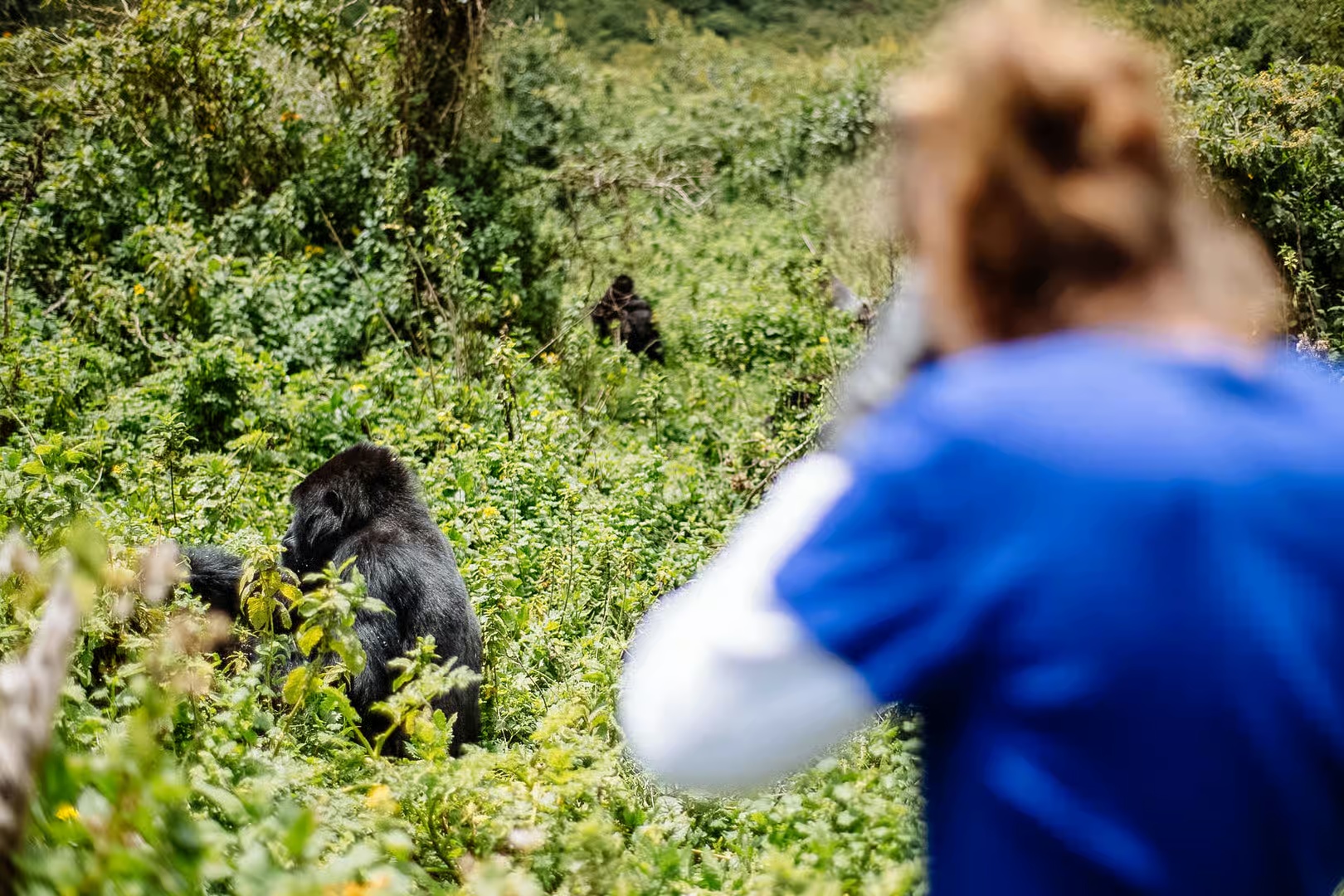
Rwanda's share of the Virunga massif — mountain gorilla trekking, golden monkeys, volcano climbs and the Dian Fossey research legacy, all within a short drive of Kigali.
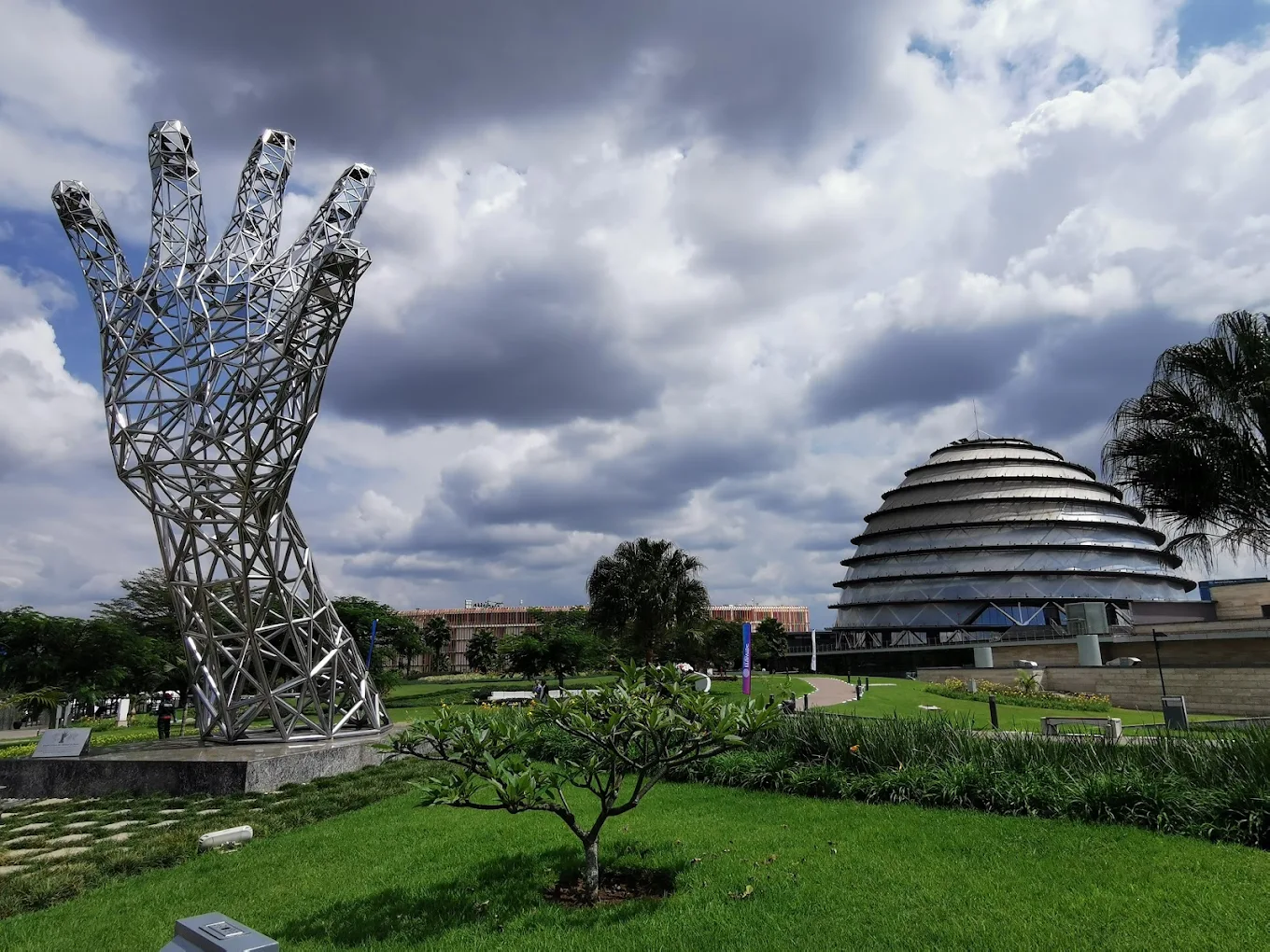
Kigali
A notably clean, welcoming East African capital.
Rwanda's calm, hill-built capital and the gateway to gorilla trekking — with the Genocide Memorial, a strong art and coffee scene, and good roads to every corner of the country.
Frequently asked.
Is the canopy walkway safe?
Yes — a professionally engineered suspension structure with staffed access and daily checks. It does sway, and anyone seriously afraid of heights may prefer the ground-level trail alternative.
How good is chimpanzee tracking in Nyungwe?
Good, with habituated communities at Uwinka and Cyamudongo, but success rates are below Kibale's in Uganda. Starts are very early.
Is Nyungwe worth it if I have already seen gorillas?
Very much so. It is a completely different forest experience — canopy walk, colobus super-troops, endemic birds and long hiking trails.
How long should I stay?
Two nights. One is enough only for the canopy walk, and chimpanzee tracking needs its own morning.
Is it good for birders?
It is an excellent birding forest, with around 320 species and 29 Albertine Rift endemics.
Related reading.
Guides that pair well with a journey to this destination.
Ready to experience Nyungwe National Park?
Tell us what draws you here and we'll shape a private journey around the places, experiences and pace that matter to you.