
Pemba Island
“Clove plantations, wall dives and almost no other visitors — Zanzibar's quieter, greener sister.”
Zanzibar's hilly northern neighbour: clove and spice plantations, mangrove channels, high-quality wall diving and a fraction of Unguja's visitors.
About Pemba Island.
Pemba lies about 50 kilometres north-east of Zanzibar's main island and could hardly be less like it. It is hilly, intensely green and heavily planted with cloves — for decades this island produced a significant share of the world's supply. Tourism is minimal, which means empty beaches, few lodges and an island that still runs on farming and fishing rather than visitors.
Underwater it is exceptional. The Pemba Channel drops to more than 800 metres, and the resulting wall dives at Misali Island and along the western reefs offer visibility, coral health and pelagic action that experienced divers often rate among the strongest on the Tanzanian coast. Misali is a marine conservation area with turtle nesting beaches and superb snorkelling in the shallows.
On land: Ngezi Forest holds the endemic Pemba flying fox and Pemba scops owl, Chake Chake and Wete are working Swahili towns, the Mkama Ndume ruins at Pujini date from the fifteenth century, and mangrove channels around Kigomasha can be paddled. Traditional healers and spice tours are part of the local fabric rather than staged attractions.
Come for diving and quiet. Accept that lodge choice is small, transfers take time, and the island does not organise itself around tourism.

Pemba Island, in short.
The essentials our specialists check first when shaping a private itinerary.
Good to know.
- Location
- About 50 km north-east of Zanzibar's main island, across the Pemba Channel.
- Getting there
- Scheduled flights to Chake Chake from Zanzibar, Dar es Salaam and Tanga; ferries operate but are slower and weather-dependent.
- Best time
- June to October and December to February; avoid April and May.
- Minimum stay
- Four nights, longer for a diving-led trip.
- Diving level
- Many channel wall sites suit experienced divers; there are also gentle shallow reefs at Misali for beginners.
- Facilities
- Very limited — few lodges, minimal shopping, patchy connectivity and long road transfers.
- Culture
- A conservative Muslim island. Dress modestly away from lodge beaches and ask before photographing people.
- Combines with
- Zanzibar's main island, or a northern-circuit safari followed by Pemba for the sea.
- Photo credit
- Photo: Vincent van Zeijst / Wikimedia Commons · CC BY-SA 3.0
Why visit Pemba Island?
Pemba Channel wall dives
Steep drop-offs with exceptional visibility and pelagic action for experienced divers.
Misali Island
A marine conservation area with turtle nesting, coral gardens and shallow snorkelling.
Clove and spice plantations
Working farms rather than staged tours, with clove harvesting from around July.
Ngezi Forest
Endemic Pemba flying fox and Pemba scops owl in indigenous forest.
Mkama Ndume ruins
A 15th-century fortified site at Pujini, unusual on the Swahili coast.
Mangrove paddling
Quiet tidal channels around Kigomasha, best by kayak on a rising tide.
Species you may encounter.
Wildlife commonly associated with the region. Sightings are always wild and never guaranteed.
Pemba flying fox
An island endemic fruit bat, best seen at roosts in Ngezi Forest.
Pemba scops owl
An endemic owl, found on guided evening walks in the forest.
Green and hawksbill turtle
Nesting around Misali Island and seen on shallow dives.
Reef and pelagic fish
Kingfish, tuna, barracuda and large reef species along the channel walls.
Bottlenose and spinner dolphin
Common in the channel year-round.
Vervet monkey
Introduced and now common on the island.
Hard and soft coral
Exceptional coral health on the western reefs and Misali.
Experiences in Pemba Island.
The right time for Pemba Island.
Best diving: June – October, December – February · Wettest: April – May
Hot, calm and clear — excellent diving.
Hottest and clearest; superb wall dives.
Warm with humidity and rain building late.
Long rains; several lodges close.
Wettest month with limited operations.
Drier and breezy; good value as lodges reopen.
Cooler and dry; clove harvest under way.
Dry and comfortable with good diving.
Calming sea and excellent visibility.
Hot, calm and clear before the short rains.
Short rains in bursts; still often very usable.
Hot and clearing; festive weeks fill the few lodges.
- Altitude
- Sea level to c. 95 m
- Average temperature
- 24 – 32°C; humid, sea around 26 – 29°C
- Dry season
- June – October and January – February
- Rainy season
- March – May and November
Pemba Island, in pictures.
Combine Pemba Island with…
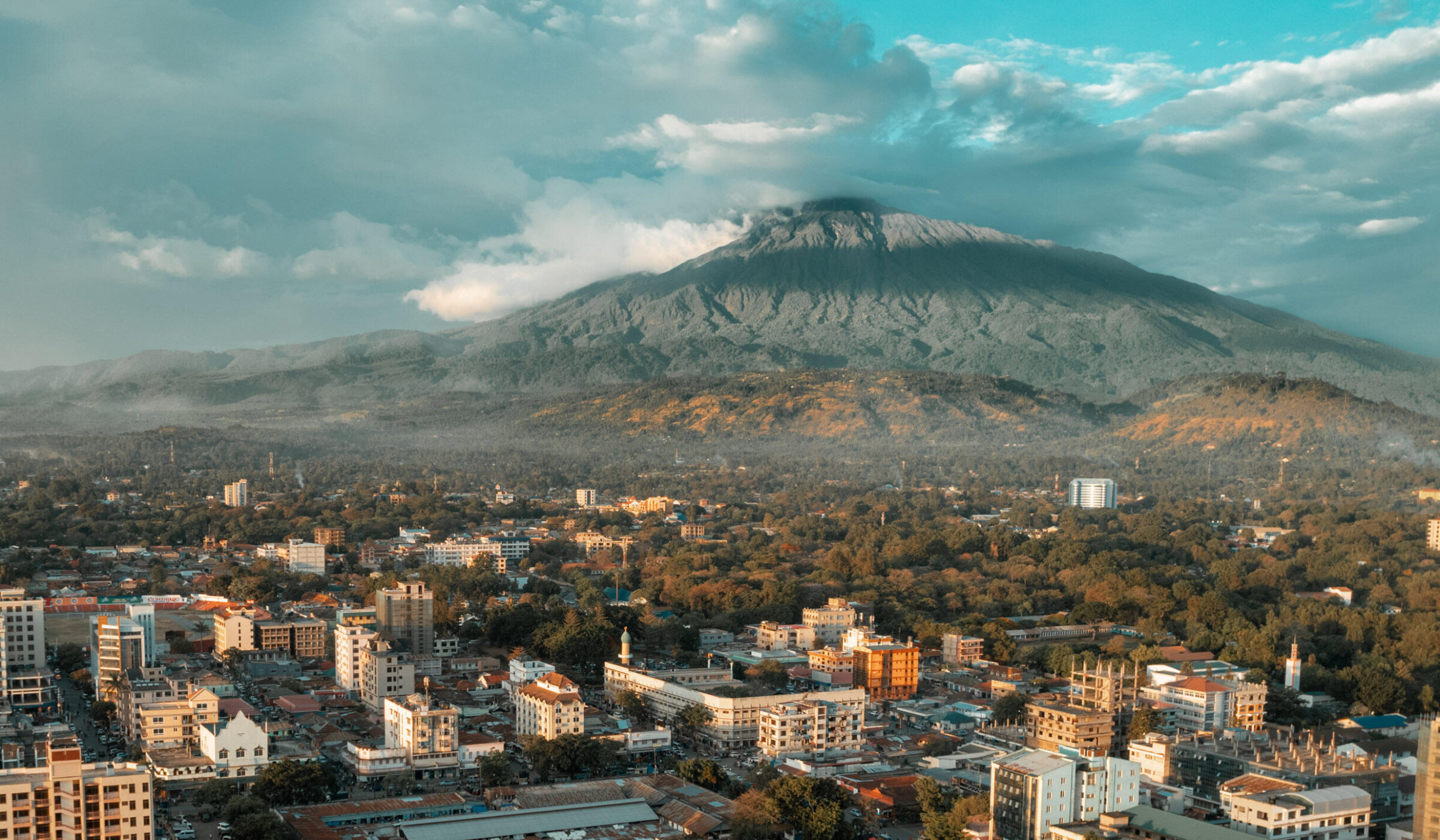
Arusha
The Gateway to Tanzania's Legendary Northern Safari Circuit
Arusha is Tanzania's premier safari gateway, offering easy access to world-famous national parks, Mount Kilimanjaro, rich cultural experiences, luxury lodges and authentic East African hospitality.
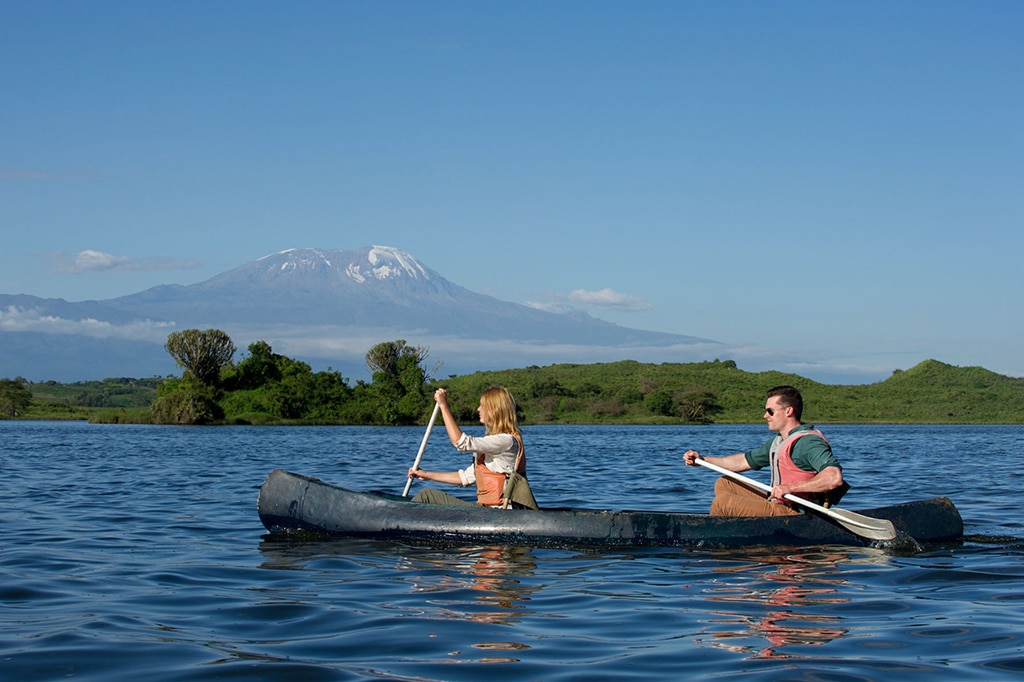
Arusha National Park
The most underrated hour from Kilimanjaro Airport.
A compact, gloriously varied park at the foot of Mount Meru — montane forest, crater grasslands and the alkaline Momella Lakes, with walking safaris, canoeing and colobus monkeys just forty minutes from Arusha.
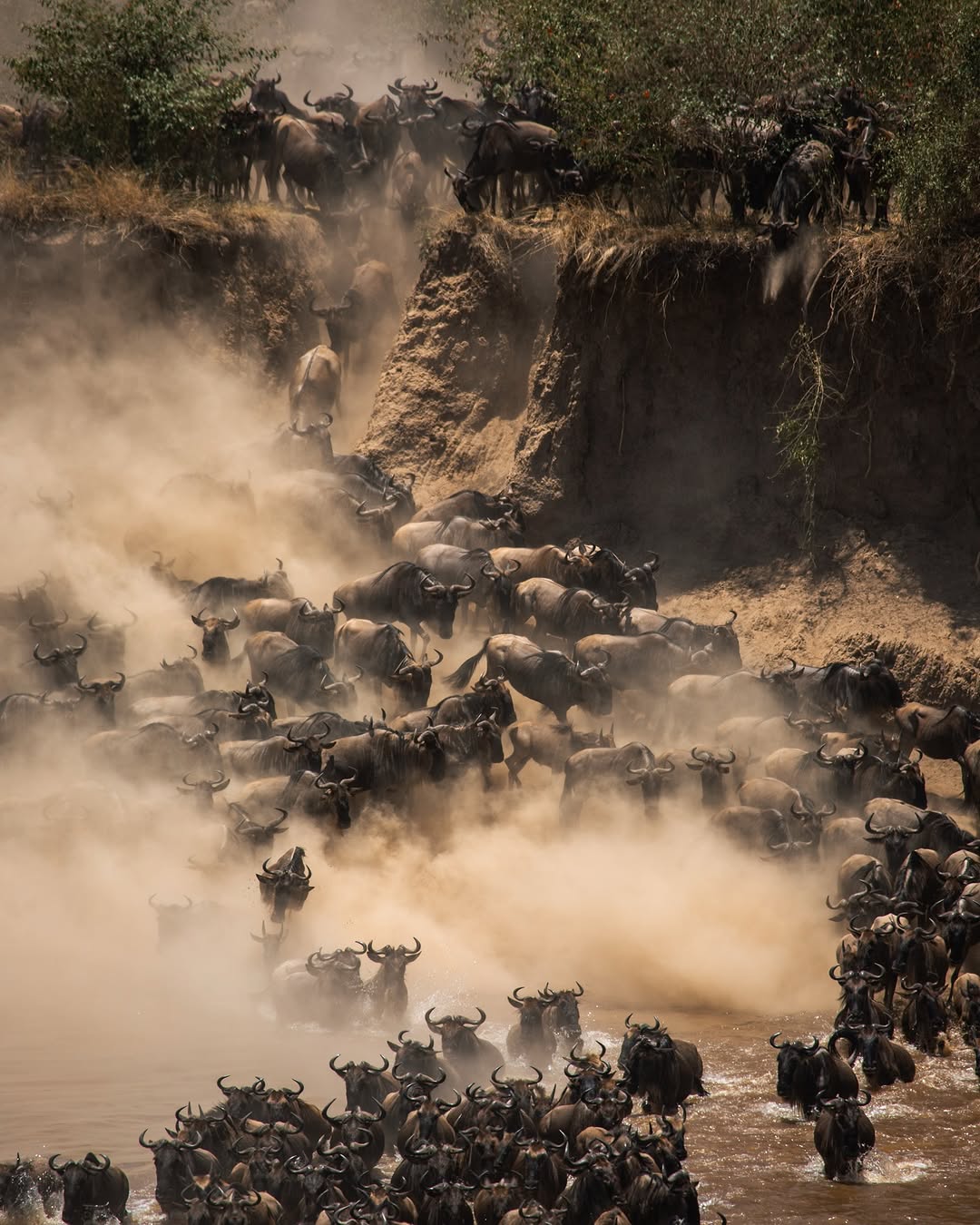
Serengeti National Park
The endless plains.
Fourteen thousand square kilometres of grassland, kopjes and riverine forest carrying the largest land migration on earth — and, outside the migration, the densest population of big cats in Africa.

Ruaha National Park
The wildest big park in East Africa.
One of Africa's largest national parks — a remote southern wilderness of baobabs, sand rivers and rocky escarpments, with exceptional lion densities, huge elephant herds and fly-in camps that see a fraction of the northern circuit's visitors.
Planning your visit.
Practical guidance from our on-the-ground team, tailored to this destination.
Health
Coastal malaria risk. Seek current medical advice regarding malaria prevention for this region. Nearest advanced medical care is off the island.
Frequently asked.
How is Pemba different from Zanzibar?
Hillier, greener, far less developed and with much better diving. Zanzibar has the beaches, the hotels and Stone Town; Pemba has the reef walls and the quiet.
Is the diving suitable for beginners?
The channel walls suit experienced divers, but Misali and the shallow western reefs are gentle and excellent for newer divers and snorkellers.
When should I avoid Pemba?
April and May, during the long rains, when several lodges close.
Is there much to do out of the water?
Clove and spice plantations, Ngezi Forest and its endemics, the Pujini ruins, mangrove paddling and the towns of Chake Chake and Wete. It is a quiet island by design.
How do I get there?
Short scheduled flights to Chake Chake from Zanzibar, Dar es Salaam or Tanga.
Related reading.
Guides that pair well with a journey to this destination.
Ready to experience Pemba Island?
Tell us what draws you here and we'll shape a private journey around the places, experiences and pace that matter to you.