
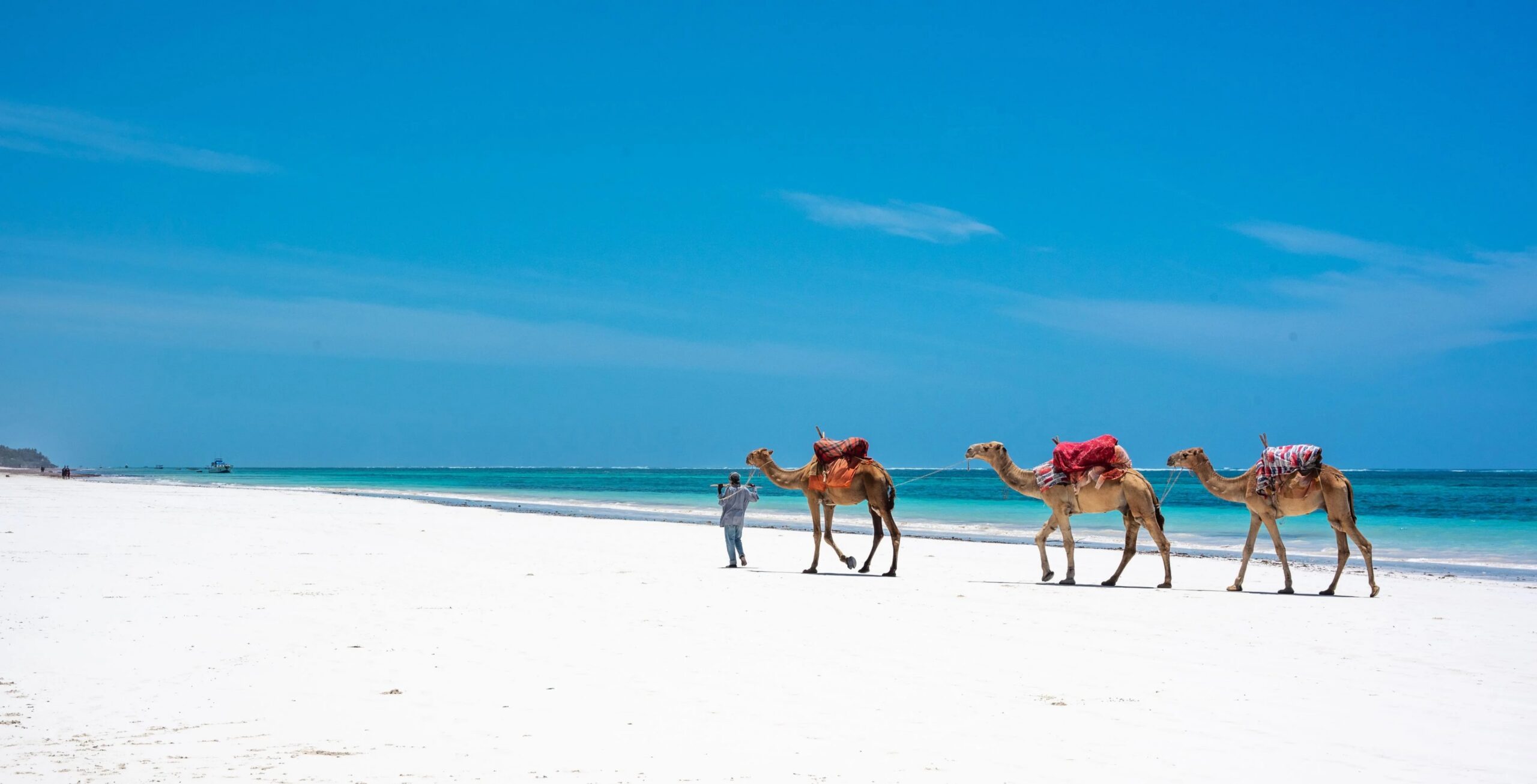
Diani Beach
“Seventeen kilometres of white sand, a reef offshore, and a flight from the Mara that takes less time than lunch.”
Kenya's best-known beach: a long stretch of white sand and coral reef south of Mombasa, with reliable flights, good hotels and warm water year-round.
About Diani Beach.
Diani is the beach most Kenyan safaris finish on, and for good reason. Seventeen kilometres of fine white sand run south from the Tiwi River, protected by a coral reef that keeps the lagoon calm and the water clear. Ukunda airstrip sits ten minutes inland, with direct scheduled flights from the Maasai Mara, Amboseli and Nairobi — you can be on the sand a few hours after a morning game drive.
The infrastructure is the most developed on the Kenyan coast: a real range of hotels and villas, restaurants beyond the hotel gates, dive centres, kitesurfing schools and a proper choice of things to do. Kisite-Mpunguti Marine Park to the south offers some of the best snorkelling in Kenya and reliable dolphin sightings. Colobus monkeys live in the coastal forest strip behind the beach, and a small local trust runs the rope bridges you will see crossing the main road.
Two honest notes. Seaweed washes up seasonally, heaviest around the long rains and again around August in some years — hotels rake their frontage but it is a natural cycle, not neglect. And Diani is livelier and less private than Watamu or Lamu; if seclusion is the priority, say so and we will place you differently.
Diani Beach, in short.
The essentials our specialists check first when shaping a private itinerary.
Good to know.
- Location
- South coast of Kenya, about 30 km south of Mombasa.
- Getting there
- Scheduled flights to Ukunda from Nairobi, the Maasai Mara and Amboseli; 1 to 1.5 hours by road from Mombasa including the Likoni ferry.
- Best time
- January to March for classic beach weather; July to October for cooler air and good value.
- Minimum stay
- Three nights; four or five to unwind properly after a safari.
- Seaweed
- Seasonal seaweed is normal on this coast, heaviest around the long rains. Hotels clear their frontage daily.
- Tides
- Large tidal range — swimming and snorkelling are best planned around high tide.
- Dress
- Beachwear on hotel frontage; cover shoulders and knees in Ukunda town and local villages.
Why visit Diani Beach?
Seventeen kilometres of sand
A long, wide, genuinely white beach with a protected lagoon.
Kisite-Mpunguti Marine Park
Dhow trips south for snorkelling, dolphins and reef fish in clear water.
Kitesurfing
Reliable seasonal winds and several schools, best in January to March and June to September.
Diving
Reef and drop-off dives with resident turtles, plus whale shark sightings in season.
Colobus monkeys
Angolan colobus in the coastal forest behind the beach, with canopy bridges over the road.
Shimba Hills
A short drive inland for sable antelope, elephant and Sheldrick Falls.
Species you may encounter.
Wildlife commonly associated with the region. Sightings are always wild and never guaranteed.
Angolan colobus
Resident in the coastal forest strip; a local trust maintains rope bridges to reduce road deaths.
Bottlenose and humpback dolphin
Regular on Kisite dhow trips, particularly in the morning.
Green and hawksbill turtle
Nesting on quieter beach stretches and seen on reef dives.
Whale shark
Seasonal, typically around January to March, with no guarantees.
Humpback whale
Passing offshore roughly July to September on migration.
Reef fish
Excellent variety in the marine park — moray, lionfish, parrotfish and large shoals.
Sable antelope
In nearby Shimba Hills, Kenya's only significant population.
Experiences in Diani Beach.
The right time for Diani Beach.
Best beach weather: January – March · Cooler and good value: July – October · Wettest: April – June
Hot, clear and calm — peak beach conditions.
Hottest and driest; excellent water clarity.
Still hot with humidity building late in the month.
Long rains begin; heavy showers and more seaweed.
Wettest month; some properties close.
Rain easing, cooler and breezy; good value.
Cooler, dry and breezy — comfortable for activities.
Dry and busy alongside safari peak season.
Warming, calm and clear; excellent diving.
Hot, calm and clear before the short rains.
Short rains in bursts; often still very usable.
Hot and clearing; festive period books out early.
- Altitude
- Sea level
- Average temperature
- 24 – 32°C; humid, sea around 26 – 29°C
- Dry season
- January – March and July – October
- Rainy season
- April – June (long rains) and November (short rains)
Combine Diani Beach with…
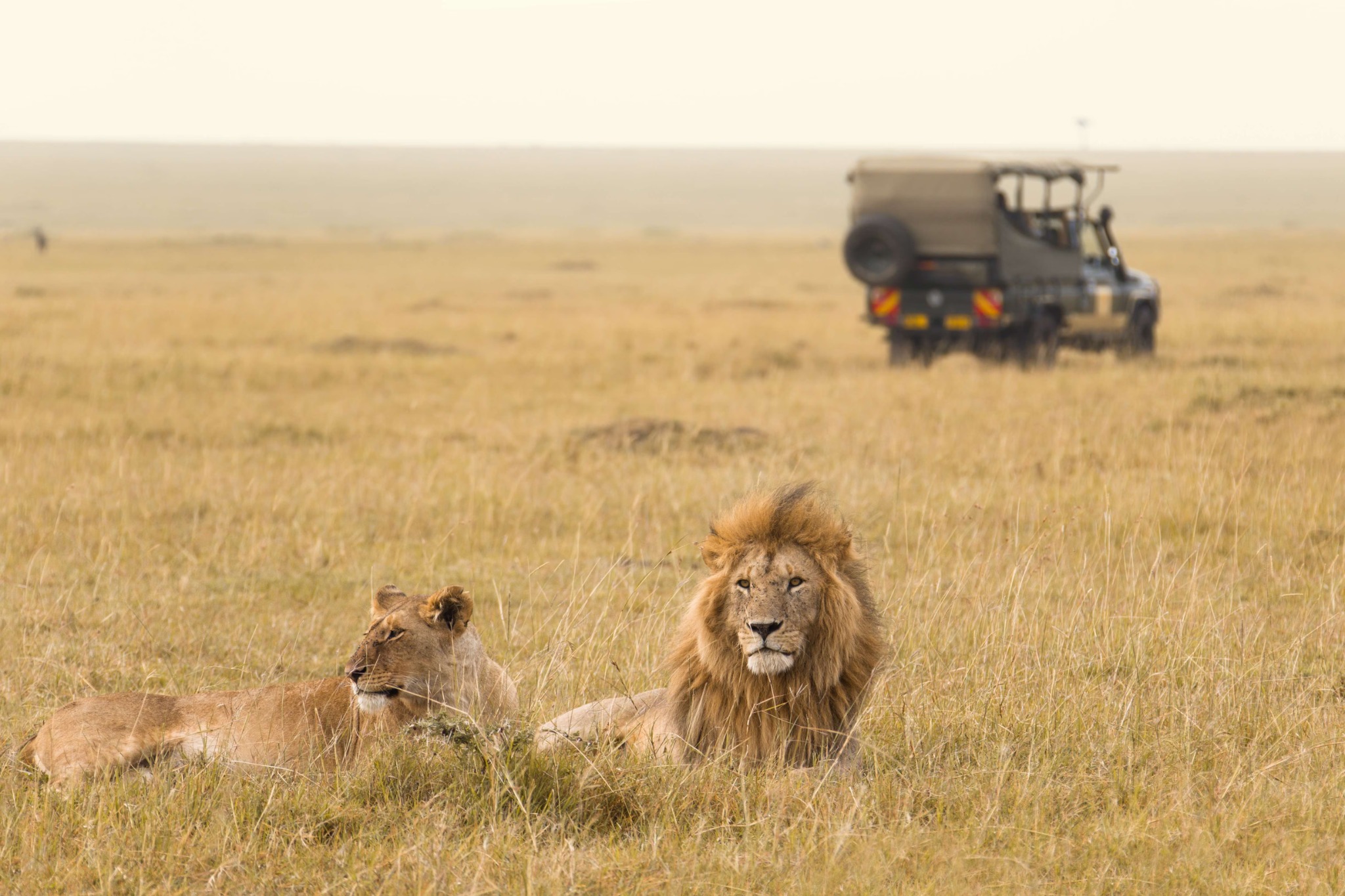
Maasai Mara National Reserve
Kenya's greatest wildlife theatre.
Rolling grassland on the Kenyan side of the Serengeti ecosystem, holding one of Africa's strongest lion populations and the Mara River crossings from July to October.
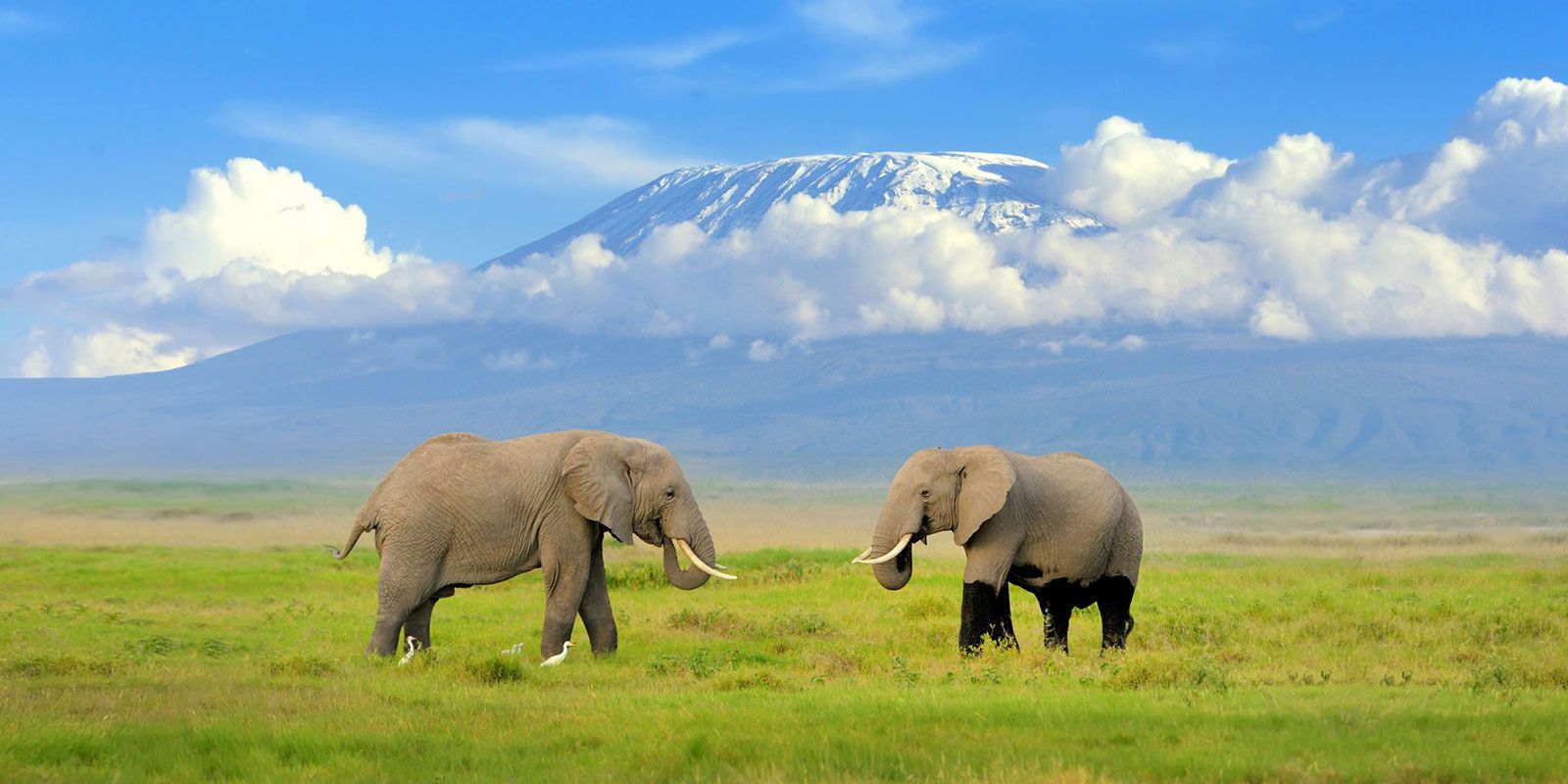
Amboseli National Park
Elephants beneath Kilimanjaro.
Kenya's classic elephant park, set on dusty plains and swamps beneath the north face of Mount Kilimanjaro.
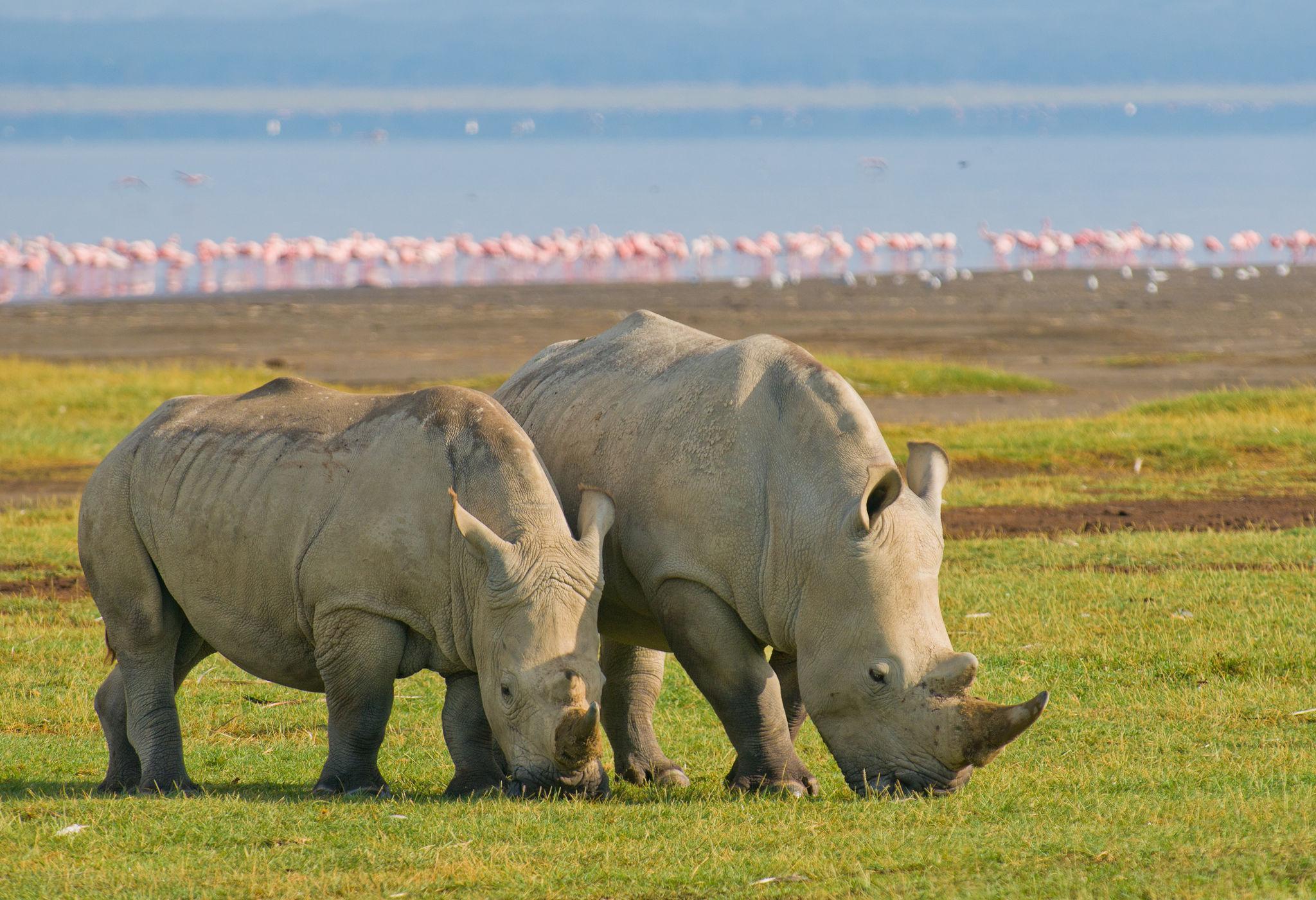
Lake Nakuru National Park
Rhino, flamingo and yellow-fever forest.
A compact Rift Valley soda lake ringed by acacia forest and cliffs, protecting one of Kenya's most important black and white rhino populations.
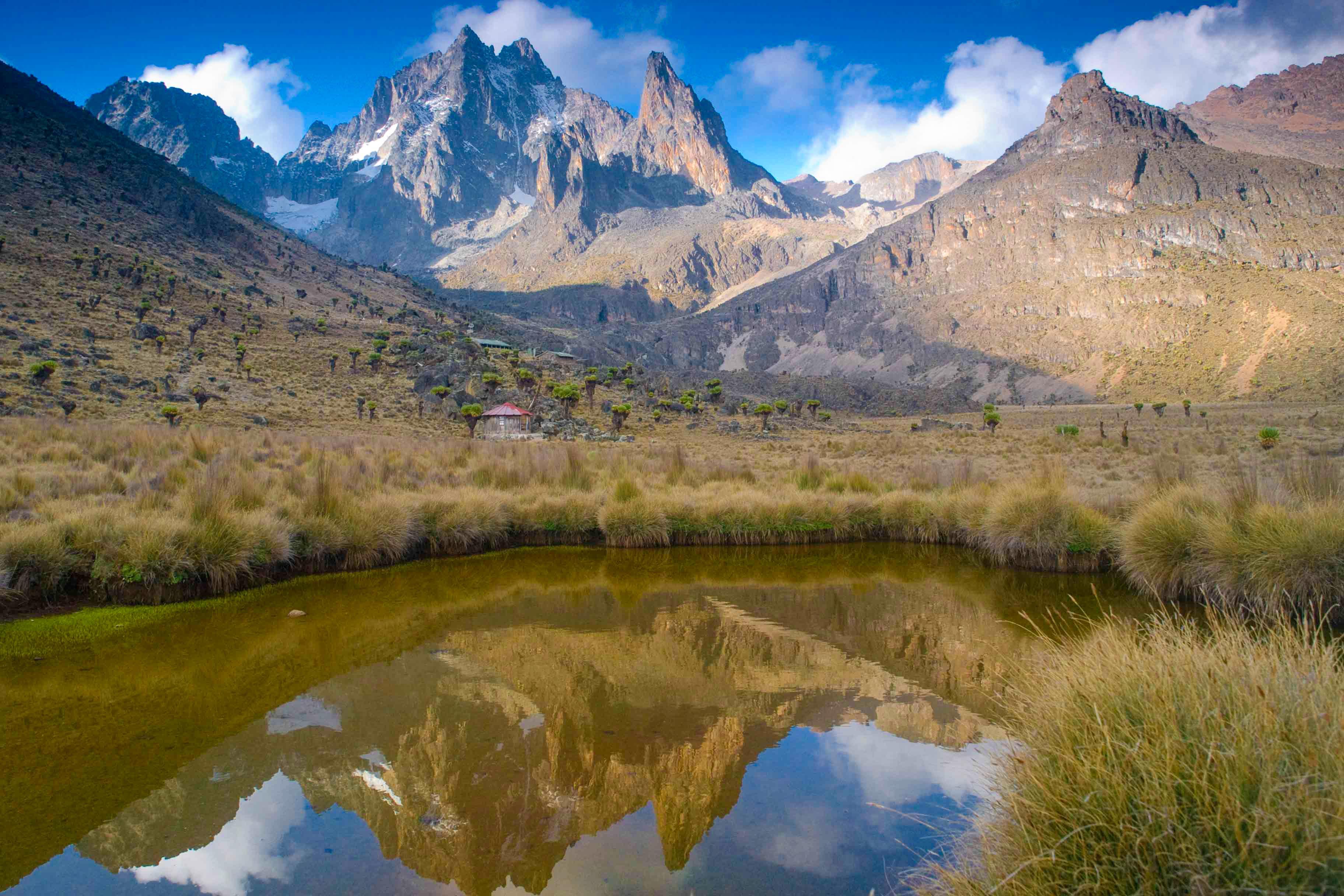
Mount Kenya
Africa's second summit.
An equatorial glaciated massif rising to 5,199 m, with trekking peaks, giant heather moorland and the forested foothills of the Laikipia plateau.
Planning your visit.
Practical guidance from our on-the-ground team, tailored to this destination.
Health
Malaria risk is real on the coast. Seek current medical advice regarding malaria prevention for this region, and use repellent at dusk.
Frequently asked.
How do I get from a safari to Diani?
Direct scheduled flights operate from the Maasai Mara, Amboseli and Nairobi to Ukunda, ten minutes from the beach — no need to route back through Nairobi by road.
When is the best time for Diani?
January to March is hot, calm and clearest. July to October is cooler and drier with good value. April to June is the wettest period.
Is there seaweed?
Seasonally, yes — mostly around the long rains. It is a natural cycle on this coast; hotels rake their beach frontage daily.
Diani, Watamu or Lamu?
Diani for the widest choice and easiest flights, Watamu for marine life and a quieter feel, Lamu for culture and character. We are happy to compare specific properties.
Can I dive as a beginner?
Yes. Several established centres run PADI courses, and the protected lagoon is a forgiving place to learn.
Is it safe to swim?
Yes, inside the reef, with attention to tides and hotel flags.
Related reading.
Guides that pair well with a journey to this destination.
Ready to experience Diani Beach?
Tell us what draws you here and we'll shape a private journey around the places, experiences and pace that matter to you.