
Amboseli National Park
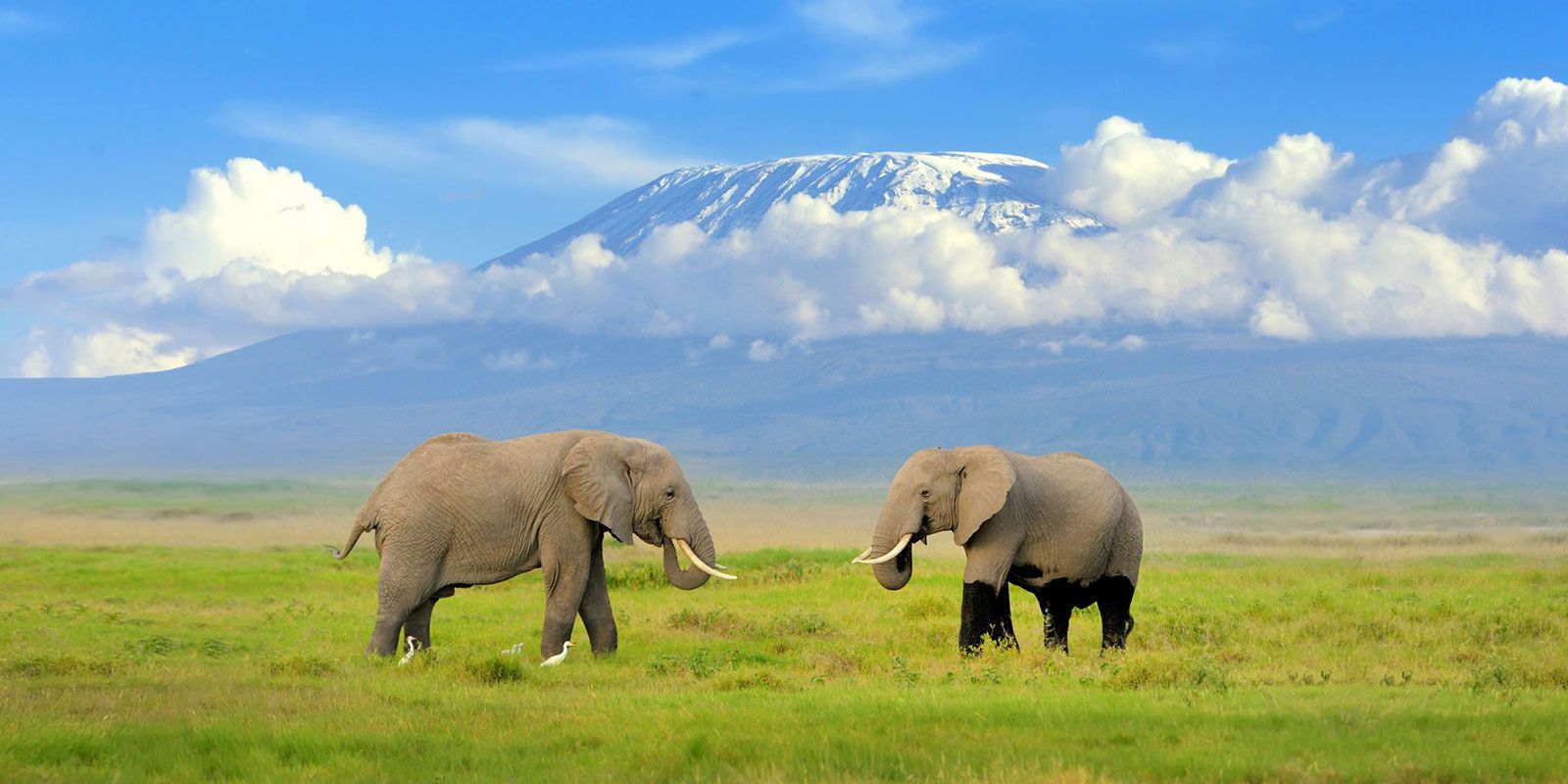
“On a clear morning the mountain fills the entire windscreen, and a hundred elephants walk out in front of it.”
Kenya's classic elephant park, set on dusty plains and swamps beneath the north face of Mount Kilimanjaro.
About Amboseli.
Amboseli is a small park — around 392 square kilometres — with one of the most recognisable views in Africa and one of the best-studied elephant populations in the world. Snowmelt from Kilimanjaro runs underground and surfaces here as permanent swamp, which is why big game survives on what otherwise looks like a dust bowl.
The elephants are the reason to come. Research here has run continuously since 1972, individual families are known by name across generations, and Amboseli still holds some of the largest tuskers left in East Africa. Because the swamps concentrate them and the terrain is flat and open, viewing is remarkably intimate: herds crossing open pan with the mountain behind them is the defining Amboseli image.
The rest of the cast is solid rather than spectacular. Lion and cheetah are present but at lower density than the Mara; spotted hyena are common; buffalo, wildebeest, zebra and giraffe use the swamp margins. Birdlife is excellent, with well over 400 species and large concentrations of waterbirds on the wetlands.
Timing matters more here than in most parks, because the mountain hides. Kilimanjaro is usually clearest early morning and late afternoon, and most reliably in January, February and the second half of the dry season. Cloud can cover it for days on end.
Amboseli National Park, in short.
The essentials our specialists check first when shaping a private itinerary.
Good to know.
- Location
- Southern Kenya on the Tanzanian border, directly beneath Kilimanjaro.
- Park size
- c. 392 km², within a much larger Maasai-owned ecosystem.
- Getting there
- Around 4 hours by road from Nairobi, or a short scheduled flight to Amboseli airstrip.
- Best time
- January to February and June to October for dry conditions and mountain views.
- Minimum stay
- Two nights is enough to do the park justice.
- Mountain views
- Clearest at sunrise and late afternoon; cloud can hide Kilimanjaro entirely for days.
- Combines with
- Tsavo, the Maasai Mara, or Tanzania's northern circuit across the Namanga border.
Why visit Amboseli National Park?
Kilimanjaro backdrop
Africa's highest mountain filling the southern horizon, clearest at dawn and dusk.
Elephant families
Multi-generational herds studied continuously since 1972, including surviving big tuskers.
Observation Hill
The one elevated point in the park, with a walk-up view over the swamps and plains.
Swamp game viewing
Permanent wetlands that hold elephant, buffalo and hippo through the driest months.
Exceptional birding
Over 400 species, with pelican, flamingo and crowned crane on the wetlands.
Easy access
A short flight or a 4-hour drive from Nairobi, and a natural link towards Tsavo or Tanzania.
Species you may encounter.
Wildlife commonly associated with the region. Sightings are always wild and never guaranteed.
African elephant
Around 1,600 individuals in known family groups — the park's defining species.
Lion
Present in modest numbers; sightings are good rather than guaranteed.
Cheetah
Occurs on the open pans, with the flat terrain making sightings visible from a distance.
Spotted hyena
Common and often seen at dawn near the swamp edges.
Cape buffalo
Large herds using the permanent swamps year-round.
Hippopotamus
Resident in the Enkongo Narok and Ol Okenya swamps.
Masai giraffe and plains zebra
Abundant on the woodland and swamp margins.
Greater and lesser flamingo
Seasonal on the flooded pans after good rain.
Experiences in Amboseli National Park.
The right time for Amboseli National Park.
Best all round: June – October, January – February · Birding and value: November, March – May
Dry, clear and one of the best months for Kilimanjaro views.
Hot and very dry; game concentrated on the swamps.
Long rains begin; green, quiet and good for birds.
Wettest month; the mountain is often hidden and some tracks flood.
Rain easing; landscapes green and visitor numbers low.
Dry season begins; comfortable temperatures and improving views.
Dry and cool, with strong elephant concentrations.
Peak season; dusty, busy and excellent for game.
Dry and clear with good mountain visibility.
Hot and dusty; game tightly concentrated on water.
Short rains settle the dust; birding improves sharply.
Green and clearing; good all-round viewing before the festive rush.
- Altitude
- c. 1,150 m
- Average temperature
- 15 – 30°C; hot, dry and dusty by day
- Dry season
- June – October and January – February
- Rainy season
- November – December and March – May
Combine Amboseli National Park with…
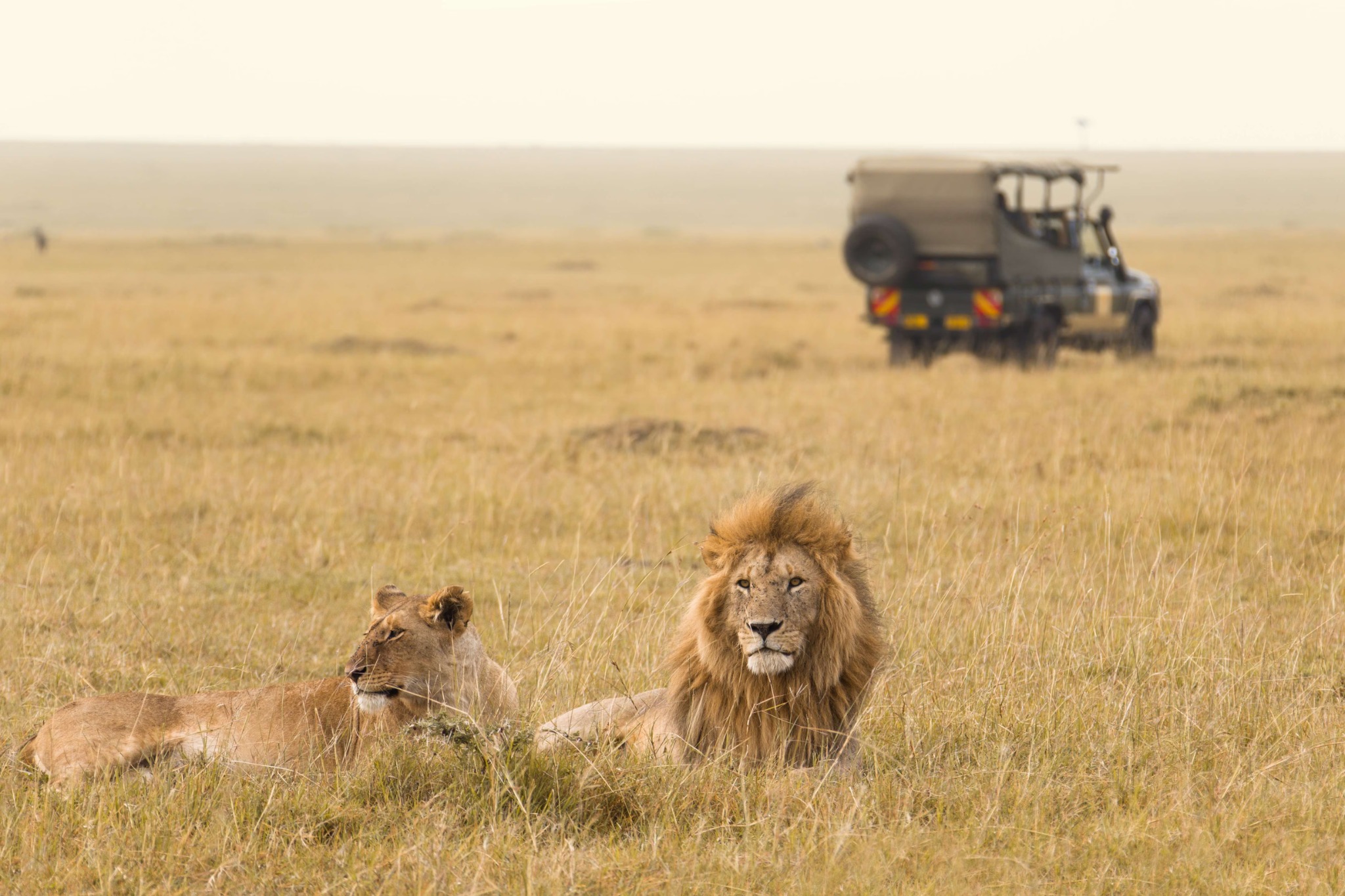
Maasai Mara National Reserve
Kenya's greatest wildlife theatre.
Rolling grassland on the Kenyan side of the Serengeti ecosystem, holding one of Africa's strongest lion populations and the Mara River crossings from July to October.
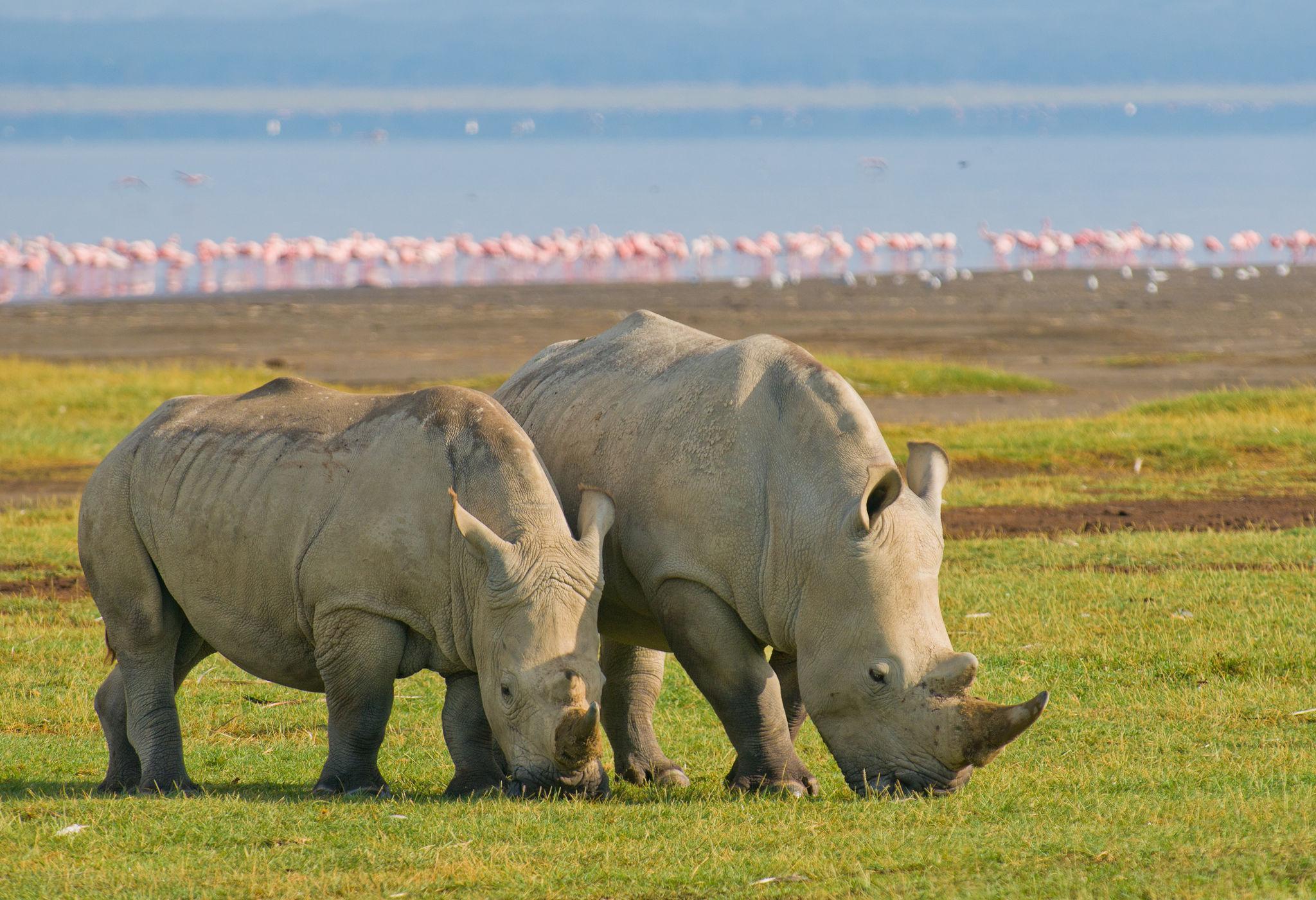
Lake Nakuru National Park
Rhino, flamingo and yellow-fever forest.
A compact Rift Valley soda lake ringed by acacia forest and cliffs, protecting one of Kenya's most important black and white rhino populations.
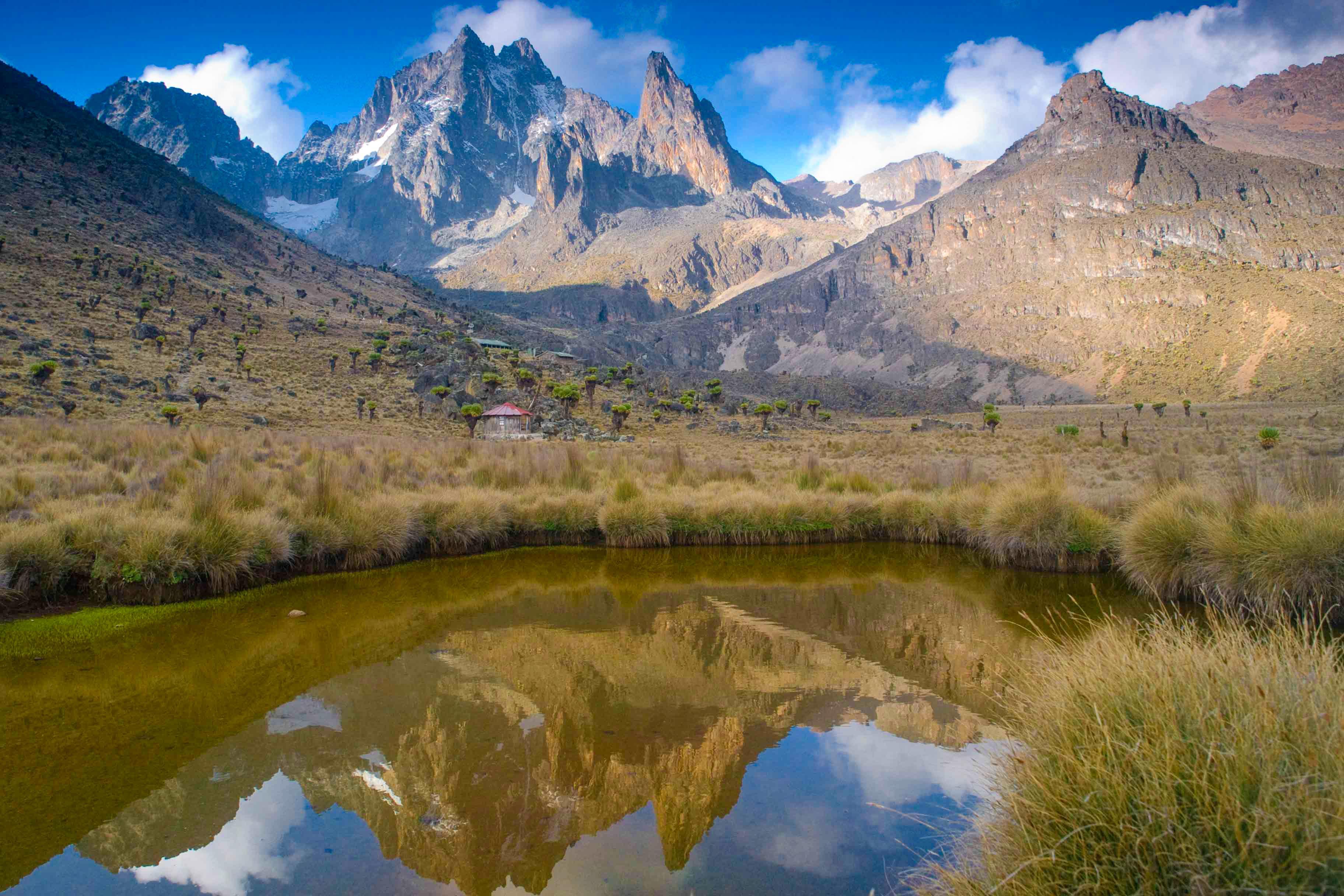
Mount Kenya
Africa's second summit.
An equatorial glaciated massif rising to 5,199 m, with trekking peaks, giant heather moorland and the forested foothills of the Laikipia plateau.
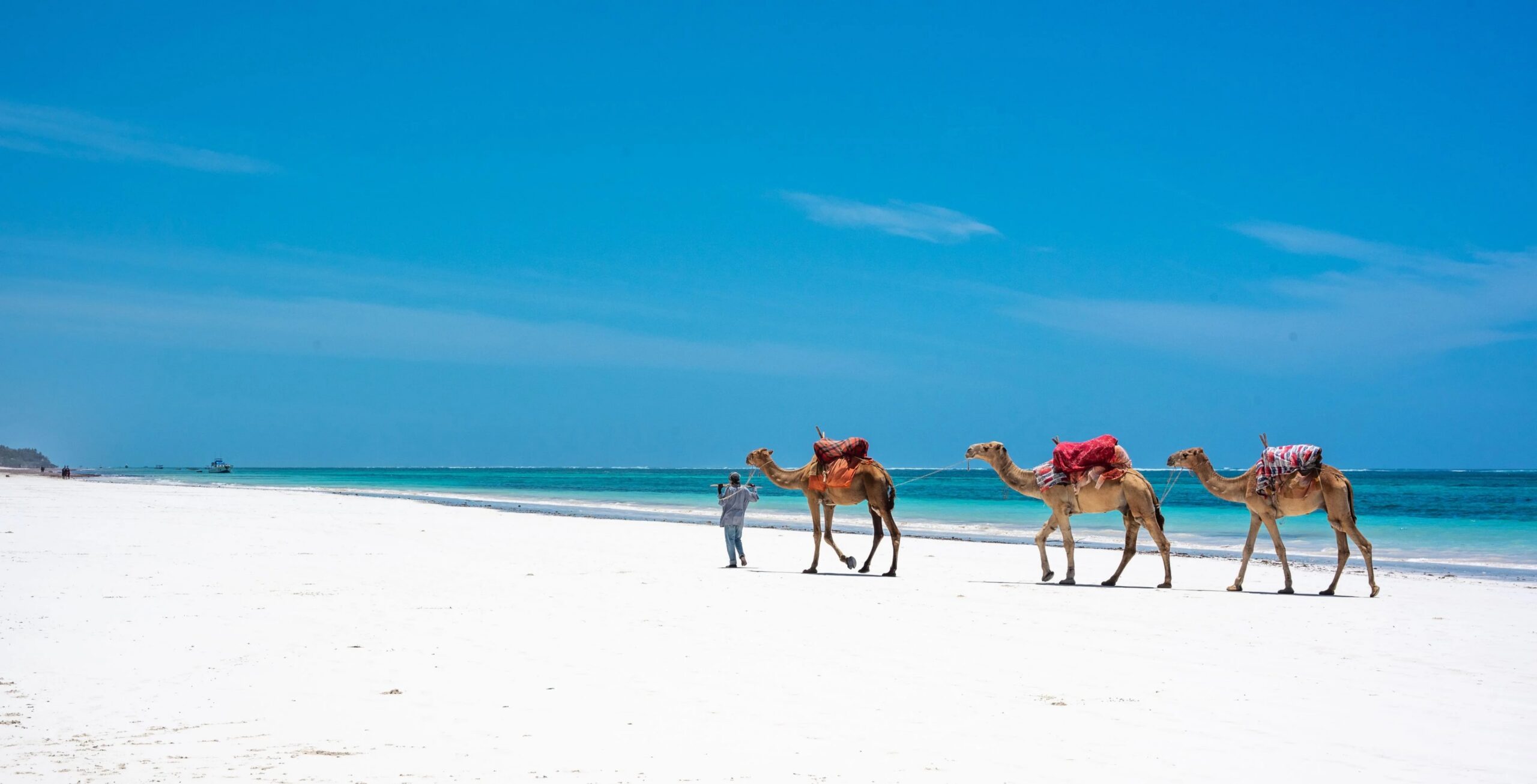
Diani Beach
The easy end of a safari.
Kenya's best-known beach: a long stretch of white sand and coral reef south of Mombasa, with reliable flights, good hotels and warm water year-round.
Planning your visit.
Practical guidance from our on-the-ground team, tailored to this destination.
Packing
Dust protection for cameras, a buff or scarf, sun hat and warm layer for dawn.
Health
Lower malaria risk than the coast, but seek current medical advice regarding malaria prevention for this region.
Frequently asked.
Will I see Kilimanjaro?
Often, but not on demand. The mountain is clearest at dawn and dusk and most reliable in January, February and the later dry-season months. Cloud can hide it for days at a time.
How long should I stay?
Two nights. The park is small and the elephant viewing is concentrated, so a longer stay is best combined with Tsavo or the Mara.
Is Amboseli good for the Big Five?
Four of the five are realistic. Rhino are effectively absent and leopard sightings are rare, so we would not sell Amboseli on a Big Five promise.
Can I visit a Maasai village?
Yes. We arrange visits directly with communities on agreed terms rather than through roadside operators.
Is it very dusty?
Yes, particularly from August to October. Bring a sealed camera bag and something for your face.
Related reading.
Guides that pair well with a journey to this destination.
Ready to experience Amboseli National Park?
Tell us what draws you here and we'll shape a private journey around the places, experiences and pace that matter to you.