
Lamu
“There are no cars in Lamu Old Town. There are donkeys, dhows and six hundred years of continuous Swahili life.”
A UNESCO World Heritage Swahili town on the northern Kenyan coast — carved doors, coral-stone houses, dhow sailing and the long empty sands of Shela.
About Lamu.
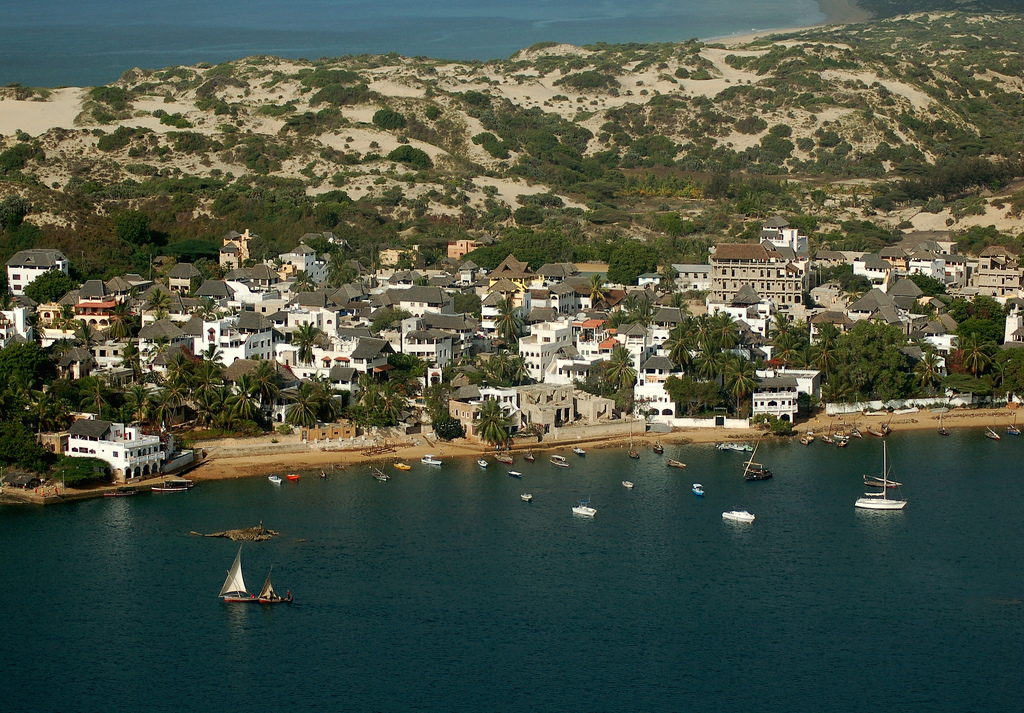
Lamu Old Town is the oldest continuously inhabited Swahili settlement in East Africa and a UNESCO World Heritage Site. Its lanes are too narrow for vehicles, so transport is on foot, by donkey, or by boat — and that single practical fact preserves an atmosphere no restored heritage site can reproduce. Coral-stone houses with carved doors, inner courtyards, rooftop terraces catching the sea breeze, mosques among the houses rather than apart from them.
Most visitors divide their time between the town and Shela, twenty minutes away by dhow, where a long sand beach runs south past dunes with almost nobody on it. Dhow sailing is the local currency of pleasure here: a morning to Manda Toto to snorkel, an afternoon through the mangrove channels, a sunset trip with the sail up and the engine off.
Lamu's calendar matters. Maulidi, celebrating the birth of the Prophet, fills the town with pilgrims, processions and dhow and donkey races. The Lamu Cultural Festival in November brings similar energy. Both are extraordinary and both fill every bed on the island.
On safety: the island itself is a settled and welcoming place, and flights arrive at Manda daily, but travel advisories for parts of the wider northern coast change from time to time. We check current guidance before every booking and will tell you plainly what it says.
Lamu, in short.
The essentials our specialists check first when shaping a private itinerary.
Good to know.
- Location
- Lamu Archipelago, northern Kenyan coast.
- Getting there
- Daily scheduled flights to Manda airstrip from Nairobi, Mombasa and Malindi, then a short boat transfer. There is no road access to the town.
- Best time
- December to March for classic conditions; July to October for sailing and value.
- Getting around
- On foot, by donkey or by boat. There are no cars in the old town.
- Minimum stay
- Three nights; four to include a full-day dhow trip.
- Culture
- A conservative Muslim community. Cover shoulders and knees in town, keep beachwear to the beach, and ask before photographing people.
- Ramadan
- Restaurants and services reduce hours during Ramadan; the atmosphere is special but plan meals accordingly.
- Money
- Limited card acceptance and few reliable ATMs — bring cash for the town.
Why visit Lamu?
Lamu Old Town
UNESCO-listed lanes, carved doors, courtyard houses and a working Swahili port.
Dhow sailing
Half-day and sunset sails through the channels, with local captains and lateen rigs.
Shela beach
Twelve kilometres of open sand backed by dunes, usually near-empty.
Lamu Museum and Swahili House
The best introduction to coastal history, architecture and the dhow trade.
Maulidi festival
A major religious celebration with processions, dhow and donkey races; dates follow the Islamic calendar.
Manda Toto snorkelling
Clear reef water a dhow ride from town, with good coral and reef fish.
Takwa ruins
A 16th-century abandoned Swahili settlement on Manda Island, reached by boat.
Species you may encounter.
Wildlife commonly associated with the region. Sightings are always wild and never guaranteed.
Green and hawksbill turtle
Nesting on Manda and Shela beaches, with local monitoring programmes.
Bottlenose dolphin
Regularly seen from dhows in the channels and offshore.
Reef fish
Good variety at Manda Toto and the outer reefs.
Crab plover and roseate tern
Notable coastal birds on the sandbanks and mudflats.
Mangrove kingfishers and herons
Common through the tidal channels.
Donkeys
Around three thousand working animals — the island's transport, with a dedicated sanctuary in town.
Experiences in Lamu.
The right time for Lamu.
Best all round: December – March · Good sailing and value: July – October · Wettest: April – June
Hot, dry and calm — the best month for town and sea.
Hottest and driest; superb light for photography.
Warm with humidity building late.
Long rains begin; many hotels close.
Wettest month on this coast.
Drier and breezy; good value as properties reopen.
Cooler with strong breeze — excellent sailing weather.
Dry, breezy and pleasant for walking the town.
Warming and calmer; good snorkelling returns.
Hot, calm and clear before the short rains.
Short rains in bursts; the Lamu Cultural Festival fills the island.
Hot and clear; festive period books out months ahead.
- Altitude
- Sea level
- Average temperature
- 24 – 33°C; humid with a steady sea breeze
- Dry season
- January – March and July – October
- Rainy season
- April – June and November
Combine Lamu with…
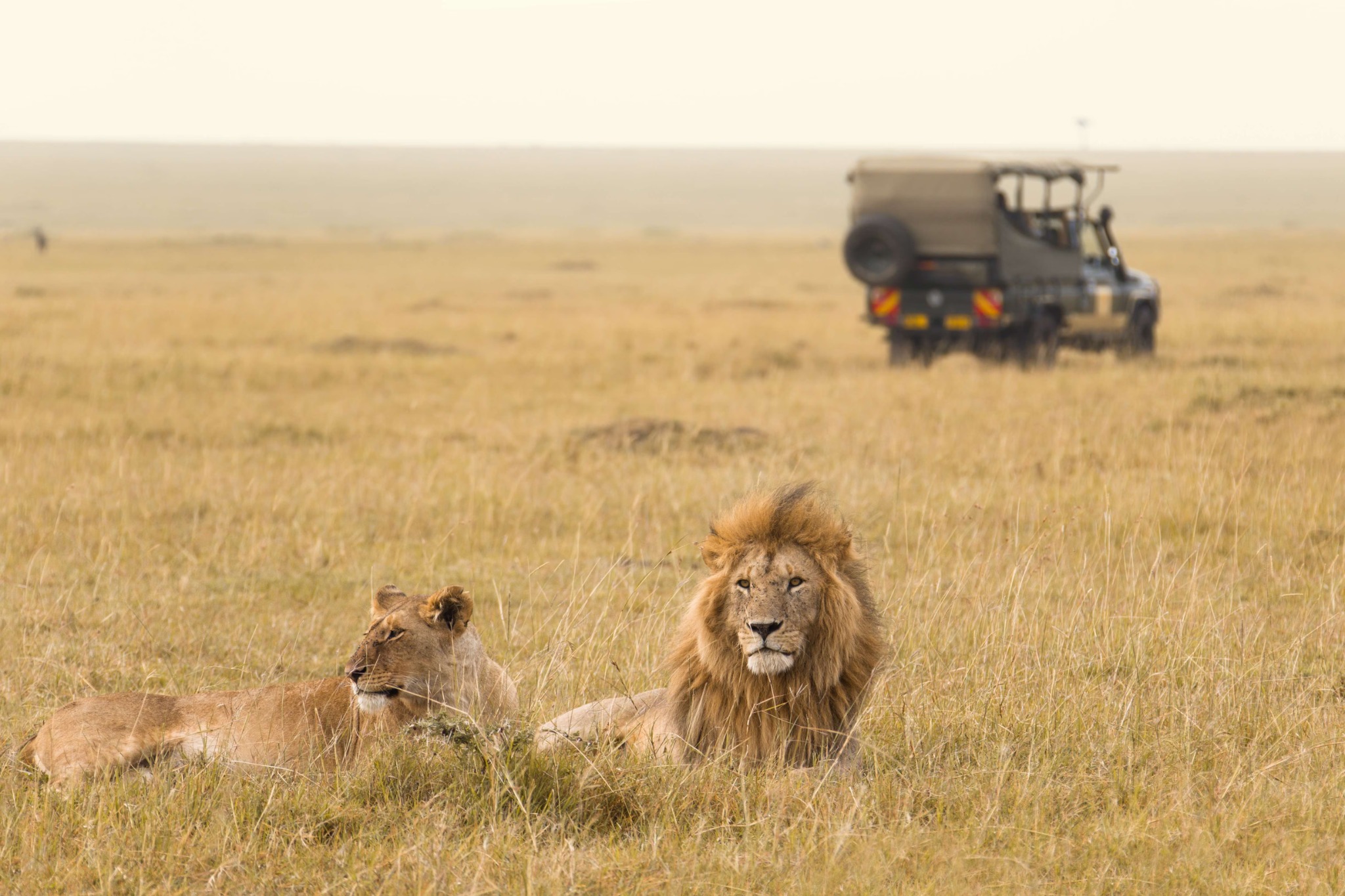
Maasai Mara National Reserve
Kenya's greatest wildlife theatre.
Rolling grassland on the Kenyan side of the Serengeti ecosystem, holding one of Africa's strongest lion populations and the Mara River crossings from July to October.
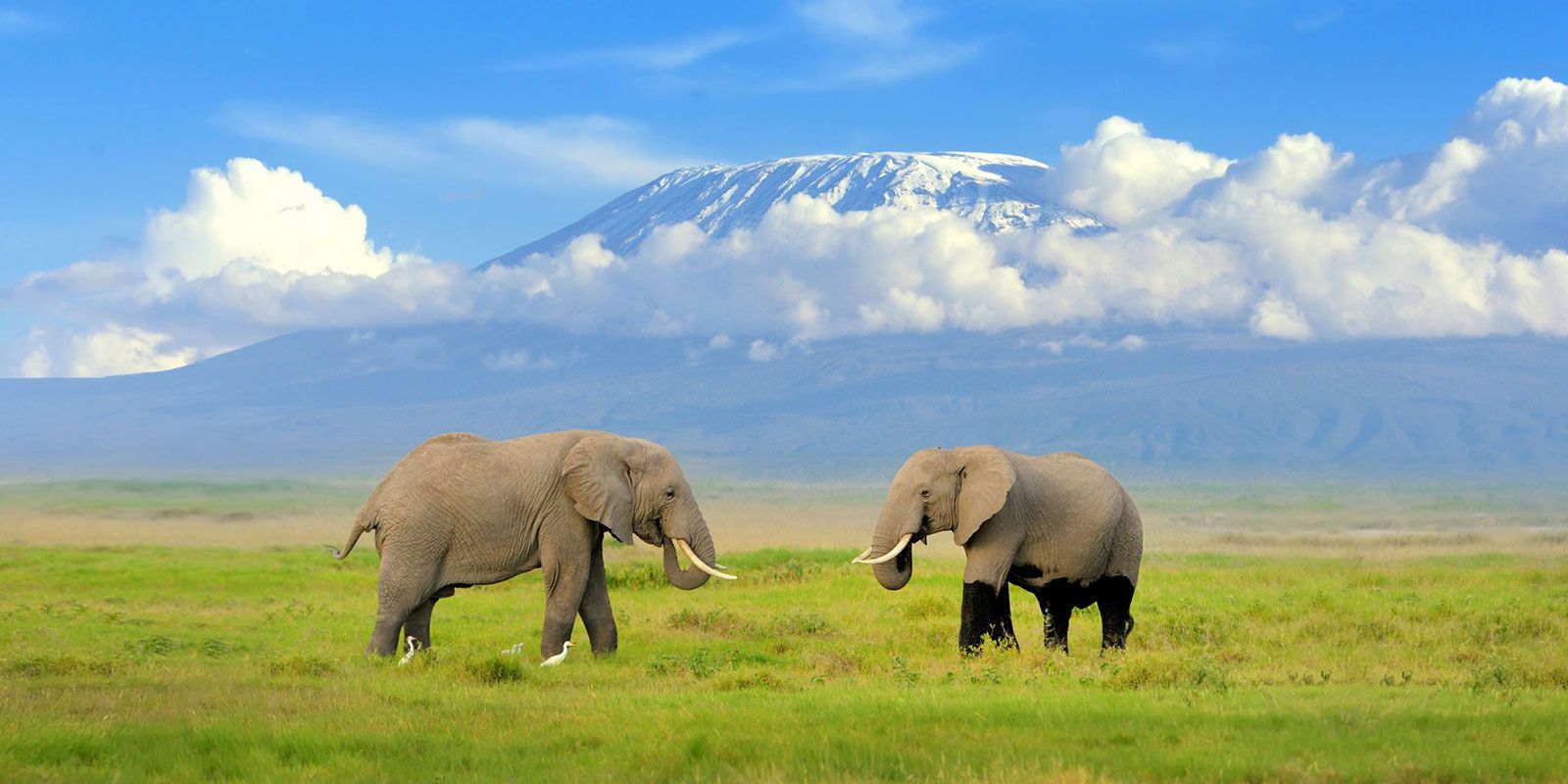
Amboseli National Park
Elephants beneath Kilimanjaro.
Kenya's classic elephant park, set on dusty plains and swamps beneath the north face of Mount Kilimanjaro.
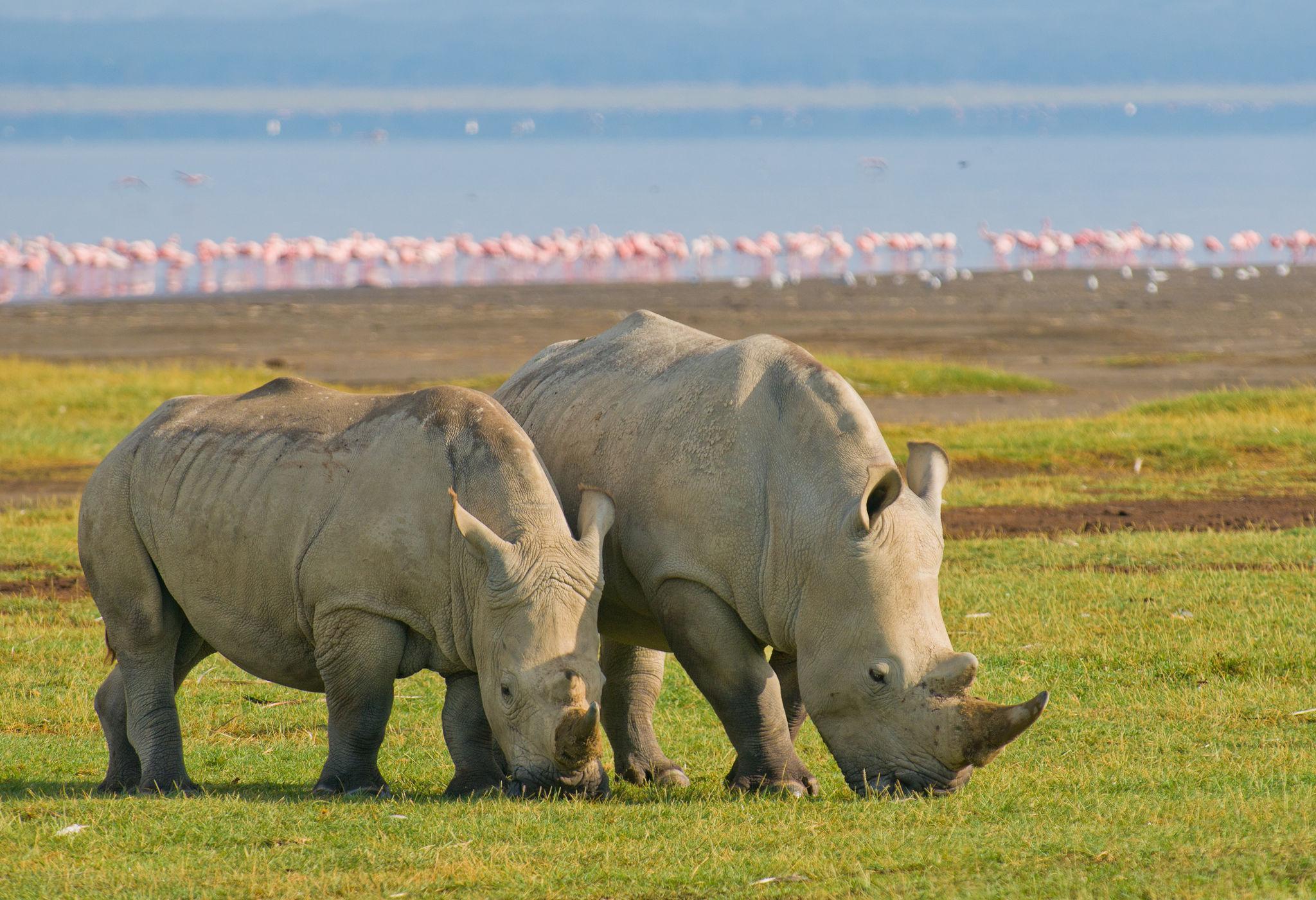
Lake Nakuru National Park
Rhino, flamingo and yellow-fever forest.
A compact Rift Valley soda lake ringed by acacia forest and cliffs, protecting one of Kenya's most important black and white rhino populations.
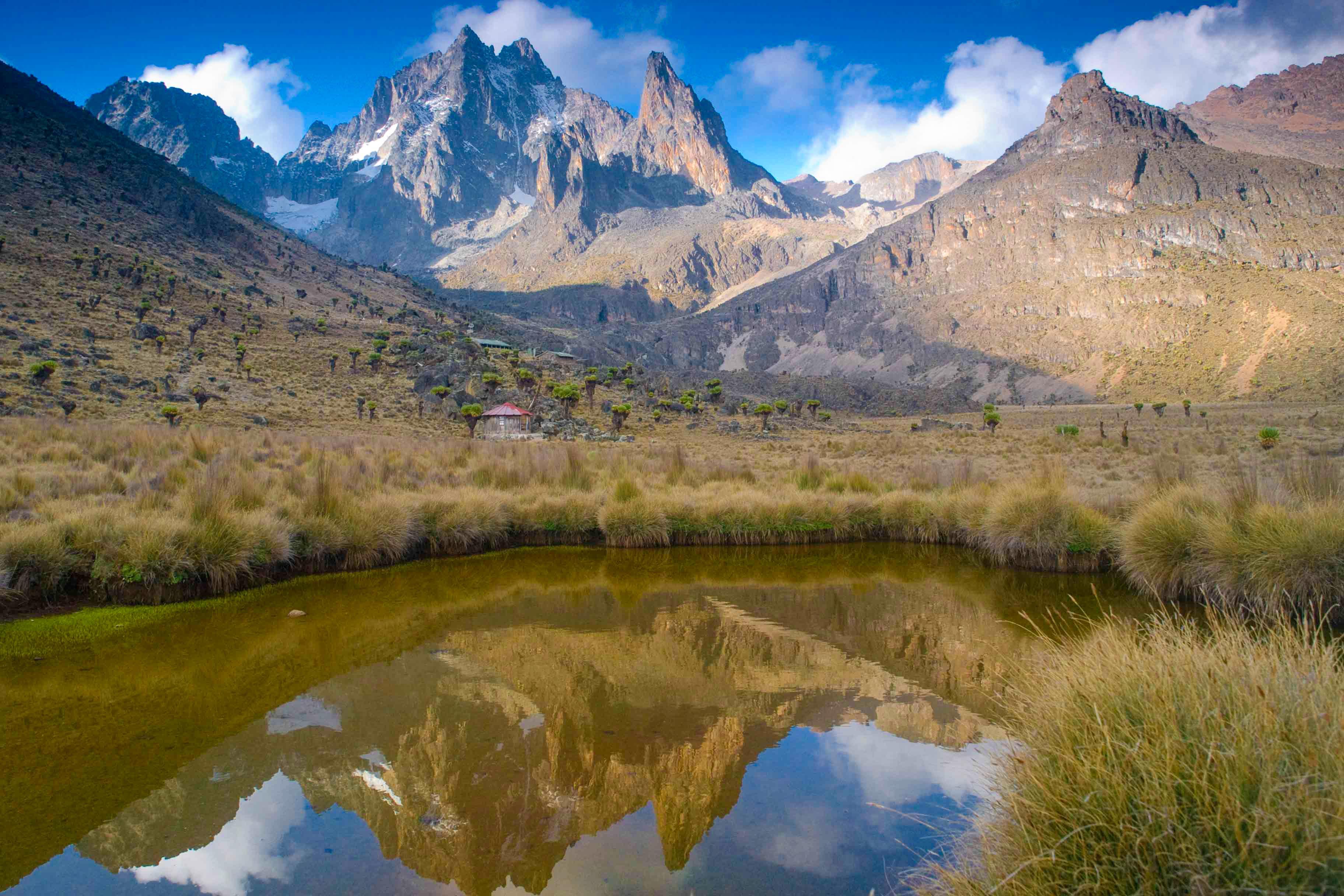
Mount Kenya
Africa's second summit.
An equatorial glaciated massif rising to 5,199 m, with trekking peaks, giant heather moorland and the forested foothills of the Laikipia plateau.
Planning your visit.
Practical guidance from our on-the-ground team, tailored to this destination.
Health
Coastal malaria risk. Seek current medical advice regarding malaria prevention for this region, and bring any specialist medication with you.
Safety
Travel advisories for parts of the wider northern coast change periodically. We review current guidance before every booking and will tell you what it says.
Frequently asked.
Are there really no cars in Lamu?
None in the old town — the lanes are too narrow. Transport is on foot, by donkey or by boat, and it is a large part of the island's character.
Is Lamu safe to visit?
The island itself is settled and welcoming, with daily flights to Manda. Advisories for parts of the wider northern coast do change, so we check current guidance before every booking and report it honestly.
Should I stay in the old town or Shela?
Town for atmosphere, history and immersion; Shela for the beach, quiet and space. Many guests split their nights between the two.
What should I wear?
Modest dress in town — shoulders and knees covered. Beachwear is fine on the beach and at hotel pools.
How do I get there?
Fly to Manda airstrip from Nairobi, Mombasa or Malindi, then take a short boat transfer. There is no road route to the town.
When is Maulidi?
It follows the Islamic lunar calendar, so it moves each year. Tell us if you want to attend and we will confirm the dates and book far ahead — the island fills completely.
Related reading.
Guides that pair well with a journey to this destination.
Ready to experience Lamu?
Tell us what draws you here and we'll shape a private journey around the places, experiences and pace that matter to you.