
Watamu
“Kenya's oldest marine park, and still some of the finest snorkelling on the coast.”
A quieter north-coast village beside Watamu Marine National Park, with coral gardens, turtle nesting beaches, Mida Creek mangroves and the Gede ruins inland.
About Watamu.
Watamu is the coast for people who want the sea itself rather than a resort strip. The marine park, gazetted in 1968 as one of Kenya's first, protects coral gardens close enough to shore that a snorkel trip is a short boat ride rather than an expedition. Visibility is excellent from around October to March, and the reef holds turtles, octopus, moray and enormous shoals of reef fish.
The village keeps three separate bays — Watamu, Turtle and Blue Lagoon — divided by weathered coral outcrops, which is why the sand here feels more private than Diani's single long stretch. Behind the beach, Mida Creek is a tidal mangrove system best seen at dusk from a boardwalk or a local dhow: waders, kingfishers and one of the best sunsets on the Indian Ocean. Arabuko-Sokoke Forest, the largest remaining coastal forest in East Africa, sits alongside it and holds endemic birds serious birders travel for.
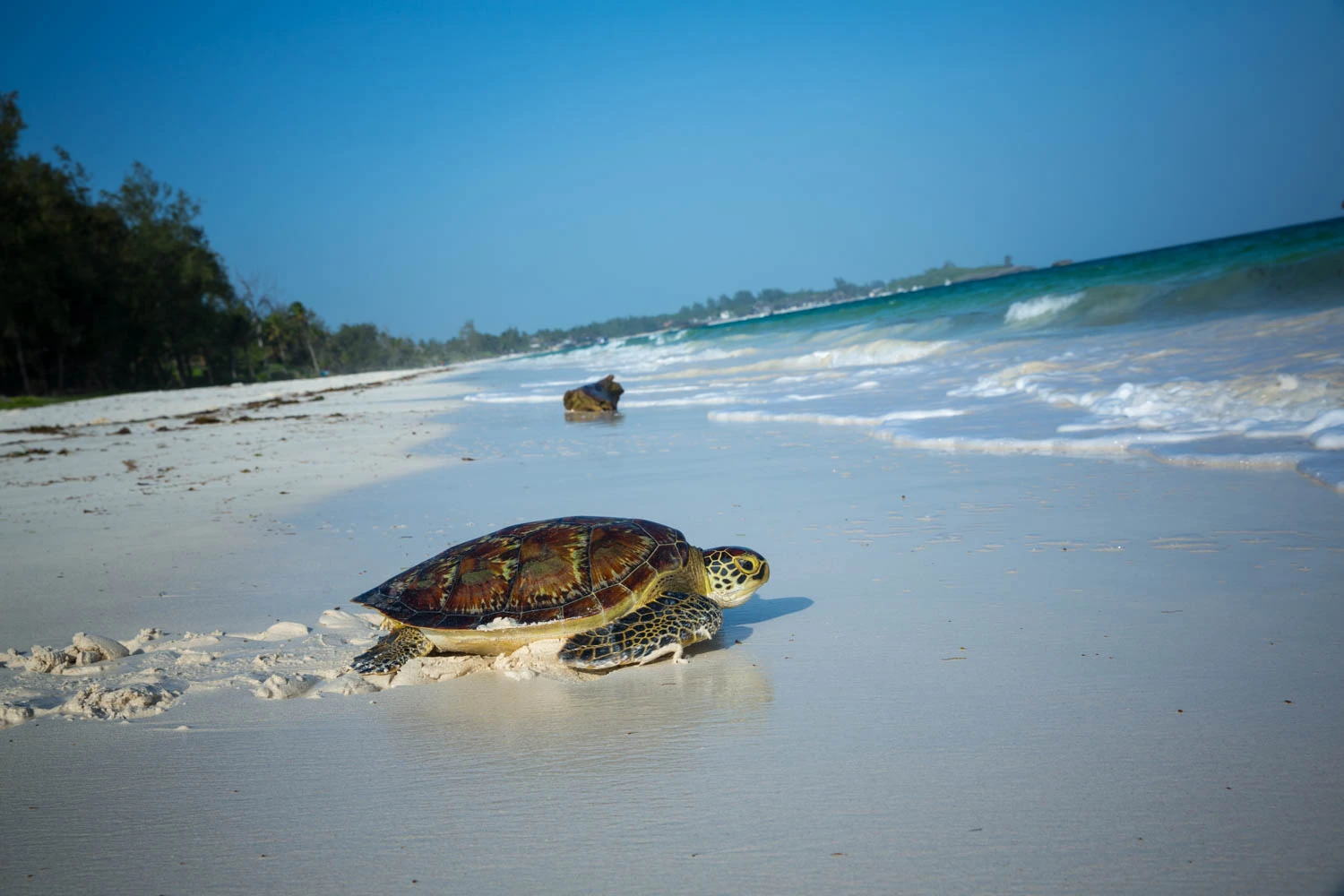
Inland, the Gede ruins are the remains of a Swahili town abandoned in the seventeenth century — coral-stone mosques, houses and wells under high forest canopy, and the most atmospheric historical site on the coast. A local sea-turtle programme runs nest protection and a rehabilitation centre that visitors can support.
Watamu, in short.
The essentials our specialists check first when shaping a private itinerary.
Good to know.
- Location
- North coast of Kenya, about 105 km north of Mombasa and 25 km south of Malindi.
- Getting there
- Scheduled flights to Malindi from Nairobi and Mombasa, then 30 minutes by road; direct road transfer from Mombasa takes around 2 hours.
- Best time
- October to March for clarity and calm sea; avoid May.
- Marine park fees
- A daily conservation fee applies inside the marine park and is included in our arranged excursions.
- Minimum stay
- Three or four nights, longer for a diving-led trip.
- Tides
- Snorkelling trips are scheduled around the tide, so excursion times move day to day.
- Culture
- A predominantly Muslim community. Cover shoulders and knees away from the beach and dress modestly in Gede and the village.
Why visit Watamu?
Watamu Marine National Park
Coral gardens a short boat ride offshore, with outstanding snorkelling for all abilities.
Turtle nesting
Green and hawksbill turtles nest on local beaches, monitored by a long-running community programme.
Mida Creek at sunset
Mangrove boardwalk and dhow trips through tidal channels full of waders.
Gede ruins
A 13th-century Swahili town in forest — coral-stone mosques, tombs and houses.
Arabuko-Sokoke Forest
one of East Africa's largest remaining coastal forests, with endemic birds and Sokoke bushy-tailed mongoose.
Whale shark and manta season
Larger pelagics offshore, typically between roughly November and March.
Species you may encounter.
Wildlife commonly associated with the region. Sightings are always wild and never guaranteed.
Green and hawksbill turtle
Nesting on protected beaches and regularly seen while snorkelling.
Reef fish
Exceptional density in the marine park — angelfish, parrotfish, moray and large shoals.
Whale shark
Seasonal offshore sightings, typically November to March.
Manta ray
Encountered on offshore dives in the same season.
Humpback whale
Passing on migration roughly July to September.
Sokoke scops owl and Clarke's weaver
Arabuko-Sokoke endemics that draw birders internationally.
Crab plover and greater flamingo
Seasonal on the Mida Creek mudflats.
Golden-rumped elephant shrew
An Arabuko-Sokoke endemic, seen on early forest walks with a local guide.
Experiences in Watamu.
The right time for Watamu.
Diving and clarity: October – March · Cooler and quiet: July – September · Wettest: April – June
Hot, calm and clear — peak diving and snorkelling.
Hottest month with excellent water clarity.
Warm and still clear, with humidity building.
Long rains; dive centres reduce operations.
Wettest month; several properties close.
Drier and breezy; good value and pleasant temperatures.
Cooler with the Kaskazi turning; sea can be choppier.
Cooler, dry and comfortable for forest and creek excursions.
Warming, calming sea and improving visibility.
Calm, clear and hot — an excellent month all round.
Short rains in bursts; pelagic season begins.
Hot and clear; festive period books out early.
- Altitude
- Sea level
- Average temperature
- 24 – 32°C; humid, sea around 26 – 29°C
- Dry season
- January – March and July – October
- Rainy season
- April – June and November
Combine Watamu with…
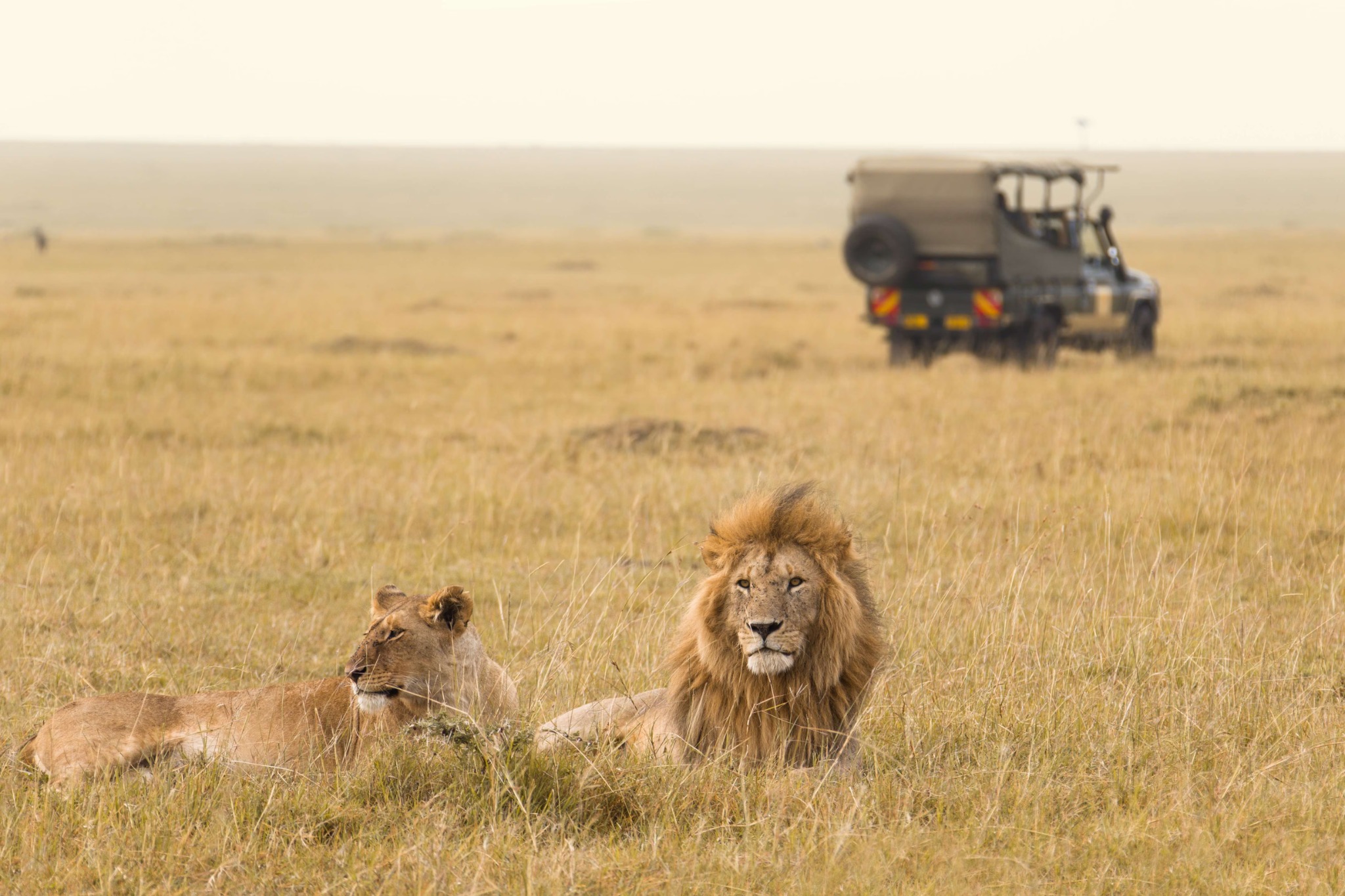
Maasai Mara National Reserve
Kenya's greatest wildlife theatre.
Rolling grassland on the Kenyan side of the Serengeti ecosystem, holding one of Africa's strongest lion populations and the Mara River crossings from July to October.
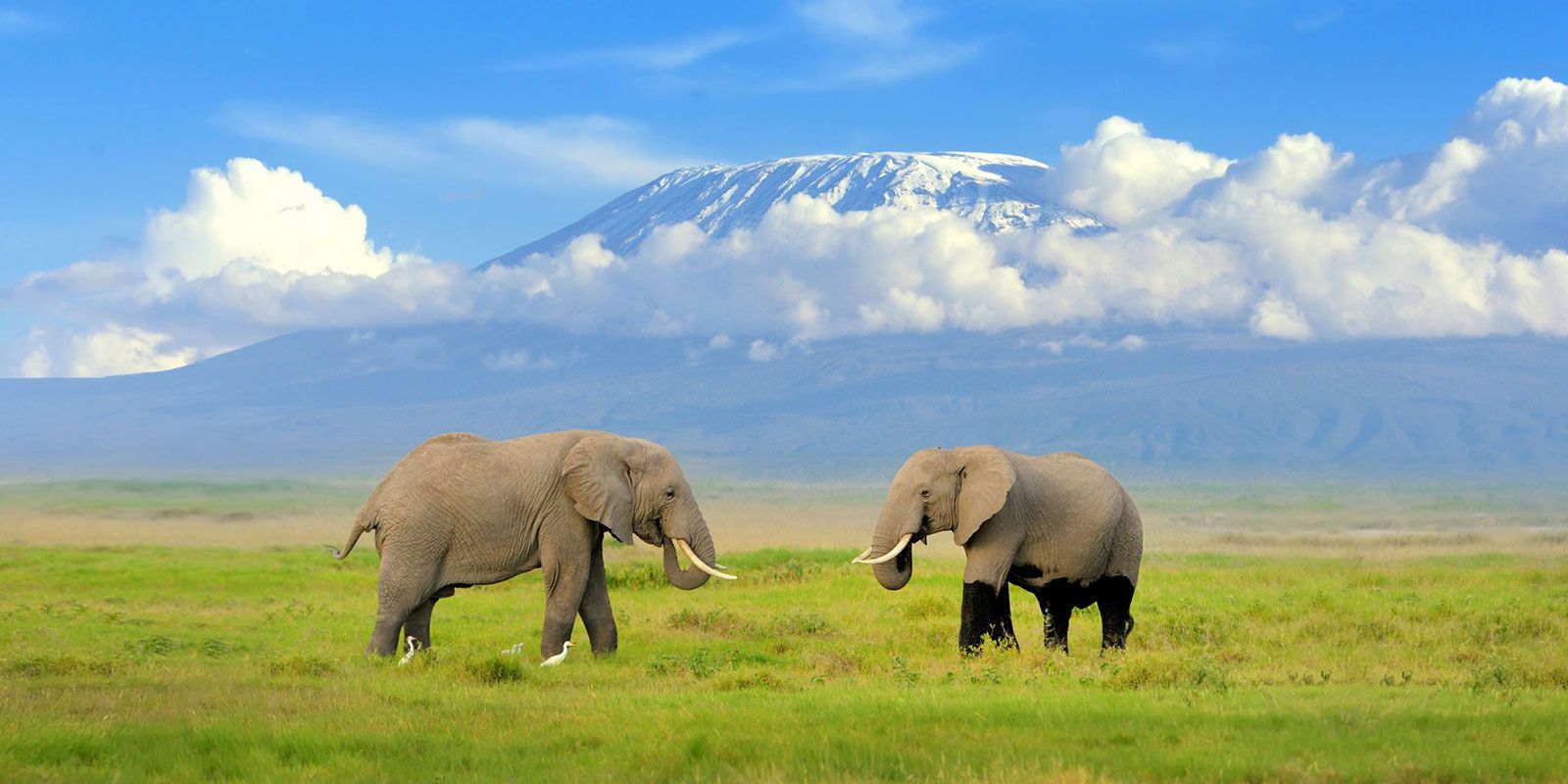
Amboseli National Park
Elephants beneath Kilimanjaro.
Kenya's classic elephant park, set on dusty plains and swamps beneath the north face of Mount Kilimanjaro.
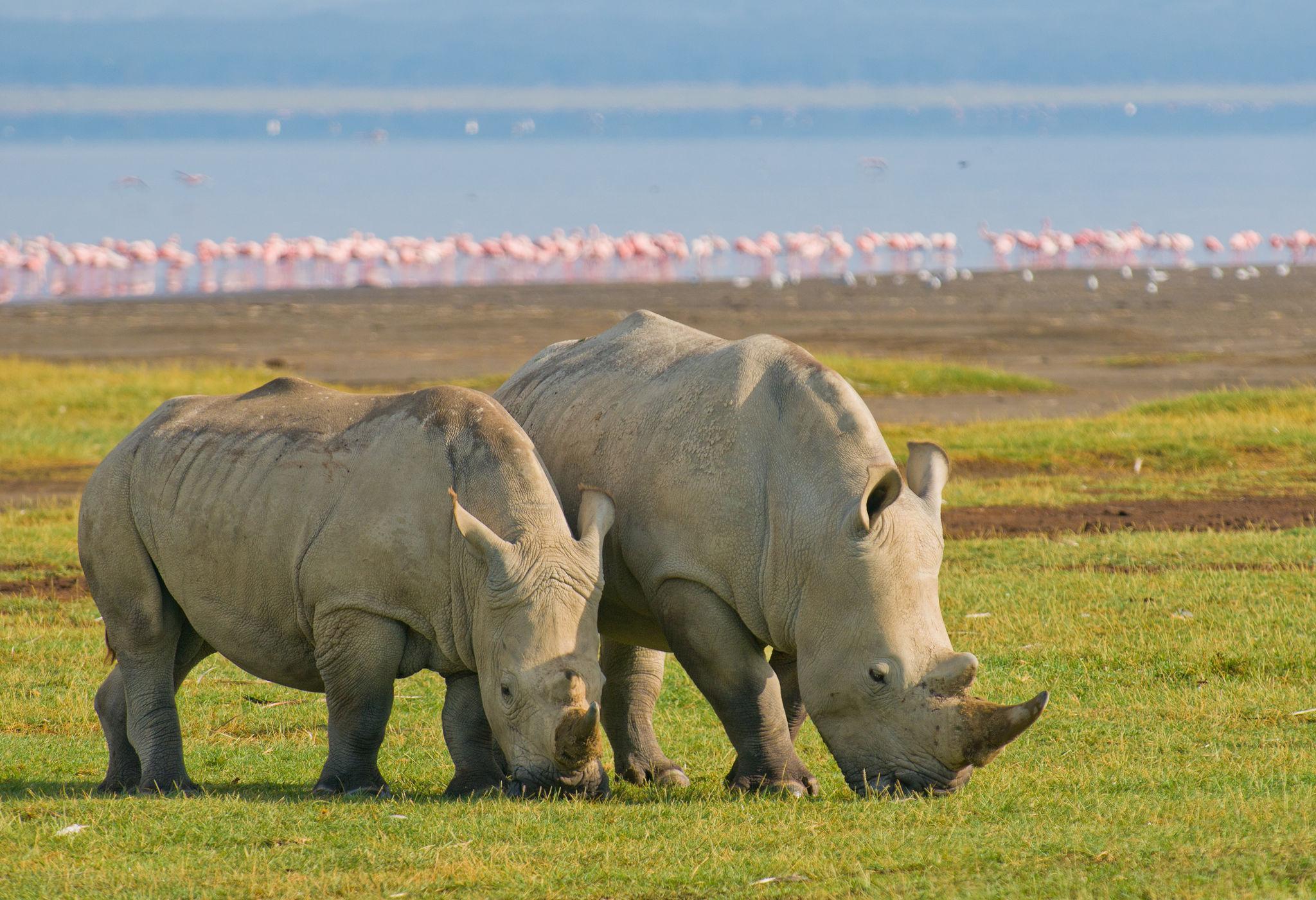
Lake Nakuru National Park
Rhino, flamingo and yellow-fever forest.
A compact Rift Valley soda lake ringed by acacia forest and cliffs, protecting one of Kenya's most important black and white rhino populations.
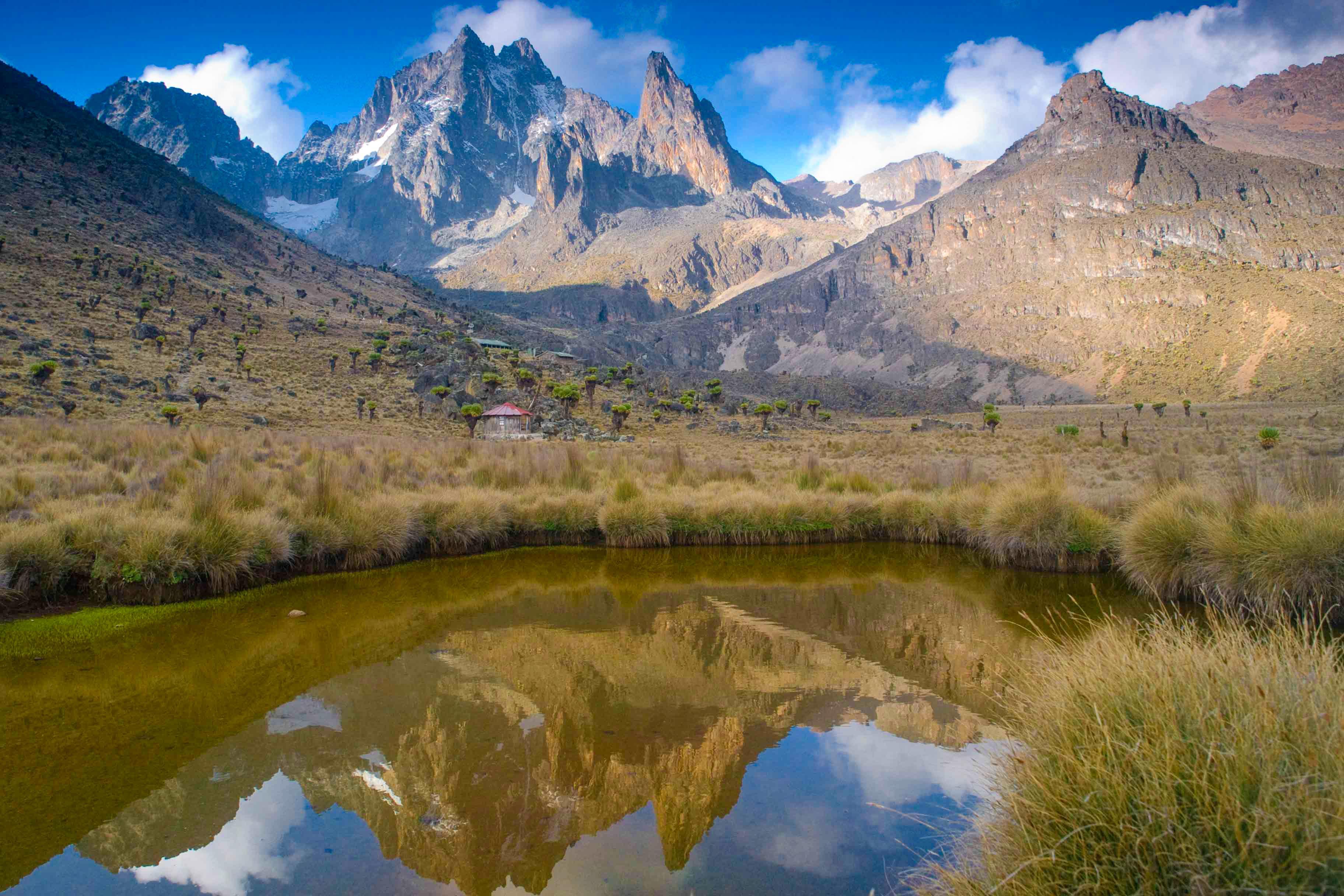
Mount Kenya
Africa's second summit.
An equatorial glaciated massif rising to 5,199 m, with trekking peaks, giant heather moorland and the forested foothills of the Laikipia plateau.
Planning your visit.
Practical guidance from our on-the-ground team, tailored to this destination.
Health
Coastal malaria risk. Seek current medical advice regarding malaria prevention for this region, and use repellent at dusk.
Frequently asked.
Is Watamu better than Diani?
Different. Watamu has the stronger marine park, quieter bays and better birding; Diani has more hotels, restaurants and easier flight links from safari camps.
When is the best diving?
October to March, when the sea is calmest and visibility best. Whale shark and manta sightings cluster in the same window.
Can I see turtles?
Frequently while snorkelling. Nesting and hatching are seasonal and monitored by a local conservation programme you can visit.
What is there to do besides the beach?
Mida Creek by boardwalk or dhow, the Gede ruins, Arabuko-Sokoke Forest birding, dhow sunset cruises and Malindi old town.
Is it suitable for families?
Yes. The bays are sheltered, snorkelling trips are short, and several properties have family rooms and pools.
Related reading.
Guides that pair well with a journey to this destination.
Ready to experience Watamu?
Tell us what draws you here and we'll shape a private journey around the places, experiences and pace that matter to you.