
Gombe Stream National Park
“Sixty years of continuous research on one chimpanzee community, in Tanzania's smallest national park.”
A steep strip of forest on the shore of Lake Tanganyika where Jane Goodall began her chimpanzee research in 1960 — small, remote and historically extraordinary.
About Gombe Stream.
Gombe is Tanzania's smallest national park, just 35 square kilometres of forested valleys running down to Lake Tanganyika. It is also home to one of the world's longest-running primate research programmes. Jane Goodall arrived in July 1960 and the study of the Kasekela chimpanzee community has continued without interruption ever since — the longest-running study of any wild animal population.
Visiting means tracking a habituated community whose individuals have been named and followed across generations. Treks are short in distance but steep, and the forest is hot and humid. There is also good birding, red colobus and olive baboon in numbers, waterfall walks up the Kakombe valley, and the swimming and snorkelling of Lake Tanganyika itself, which holds hundreds of endemic cichlid species.
Getting here is the commitment. You fly to Kigoma, then take a boat two to three hours along the shore; there is no road access. Accommodation is limited to a modest park resthouse, a basic camp and a small lodge. Two nights is the practical minimum and this is not a soft or luxurious destination — it is a pilgrimage, and people who understand what they are looking at find it worth every hour of travel.

Gombe Stream National Park, in short.
The essentials our specialists check first when shaping a private itinerary.
Good to know.
- Location
- Western Tanzania on the shore of Lake Tanganyika, north of Kigoma.
- Park size
- c. 35 km² — Tanzania's smallest national park.
- Getting there
- Fly to Kigoma from Dar es Salaam or Arusha, then 2 to 3 hours by boat. There is no road access.
- Minimum stay
- Two nights, given the travel involved.
- Accommodation
- Limited — a park resthouse, a basic camp and one small lodge. Expectations should be set accordingly.
- Age limit
- Minimum 15 years for chimpanzee tracking.
- Fitness
- Short but very steep treks in heat and humidity.
- Combines with
- Mahale Mountains further south, or Katavi for a genuine western-Tanzania circuit.
- Photo credit
- Photo: Cethuyghe / Wikimedia Commons · CC BY-SA 4.0
Why visit Gombe Stream National Park?
Chimpanzee tracking
The Kasekela community, studied continuously since 1960.
Goodall's research legacy
Visiting the site where wild chimpanzee behaviour was first documented in detail.
Kakombe waterfall
A forest walk to the falls Goodall herself described.
Lake Tanganyika
Swimming and snorkelling among hundreds of endemic cichlid species.
Jane's Peak
A steep climb to the ridge viewpoint over forest and lake.
Genuine remoteness
Boat access only, with very few visitors at any time of year.
Species you may encounter.
Wildlife commonly associated with the region. Sightings are always wild and never guaranteed.
Chimpanzee
Around 100 in the park, with the habituated Kasekela community tracked daily.
Red colobus
Abundant, and a natural prey species for Gombe's chimpanzees.
Olive baboon
Large troops along the shoreline, themselves the subject of long-term study.
Red-tailed and blue monkey
Common in the forest canopy.
Bushbuck and bushpig
Present in the valleys, seen occasionally on trails.
Cichlid fish
Hundreds of endemic species in the lake, visible while snorkelling from shore.
Palm-nut vulture and fish eagle
Common along the lake shore among around 200 recorded bird species.
Experiences in Gombe Stream National Park.
The right time for Gombe Stream National Park.
Easiest trekking: July – October · Best photography, wetter trails: February – June
Wet and humid; trails slippery but chimps often low.
Wet but chimps frequently near the lower valleys.
Rainy and green; excellent photography when the chimps are low.
Wettest period; boat transfers can be rough.
Rain easing; forest still lush.
Dry season begins; comfortable trekking.
Dry and clear; the classic visiting month.
Dry and hot; chimps may range higher up the valleys.
Dry with calm lake conditions for transfers.
Hot and dry ahead of the rains.
Rains return; humid and slippery underfoot.
Wet and humid, with few visitors.
- Altitude
- c. 770 – 1,500 m
- Average temperature
- 21 – 30°C; hot and humid
- Dry season
- May – October
- Rainy season
- November – April
Gombe Stream National Park, in pictures.
Combine Gombe Stream National Park with…
Arusha
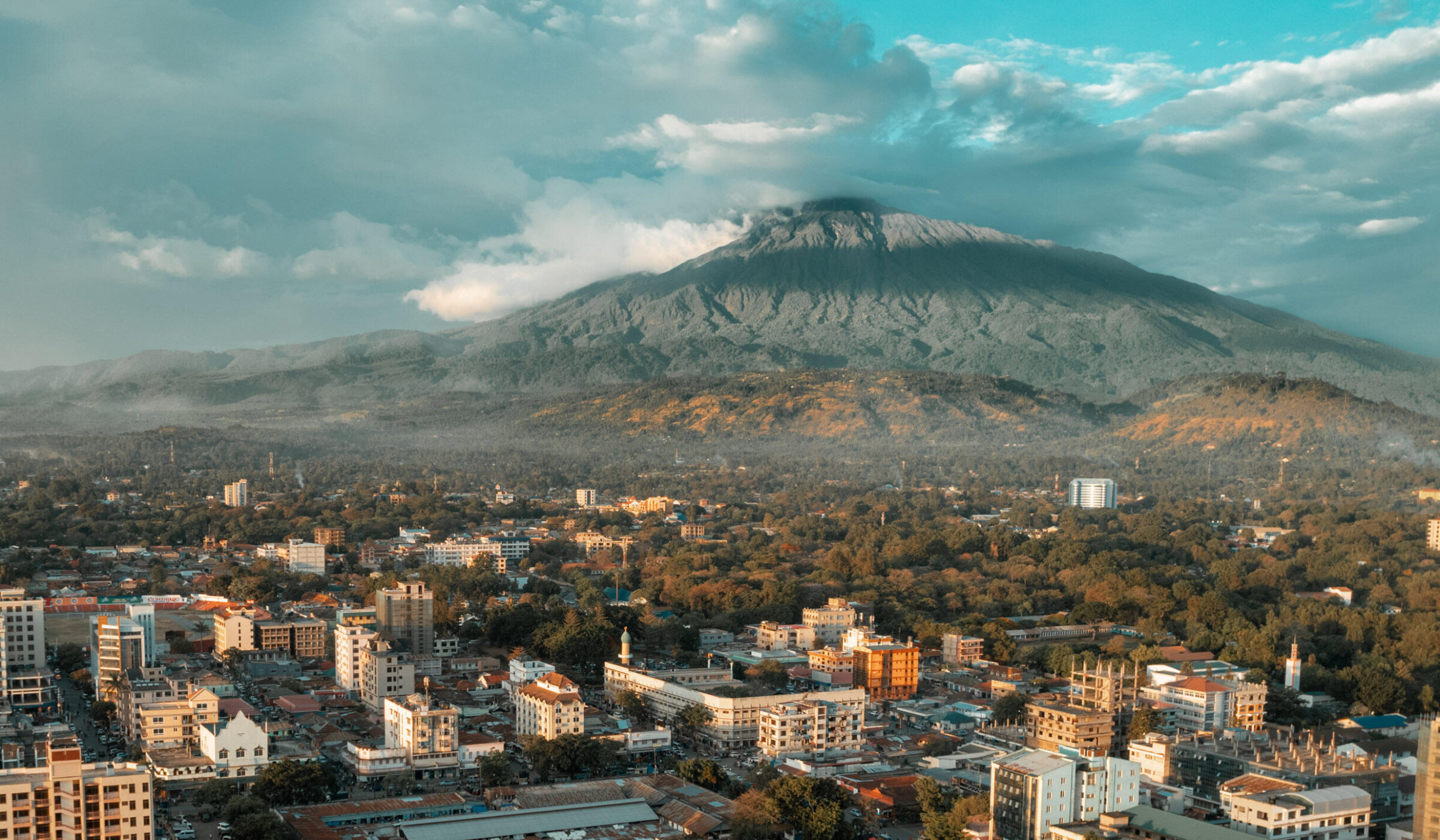
The Gateway to Tanzania's Legendary Northern Safari Circuit
Arusha is Tanzania's premier safari gateway, offering easy access to world-famous national parks, Mount Kilimanjaro, rich cultural experiences, luxury lodges and authentic East African hospitality.
Arusha National Park
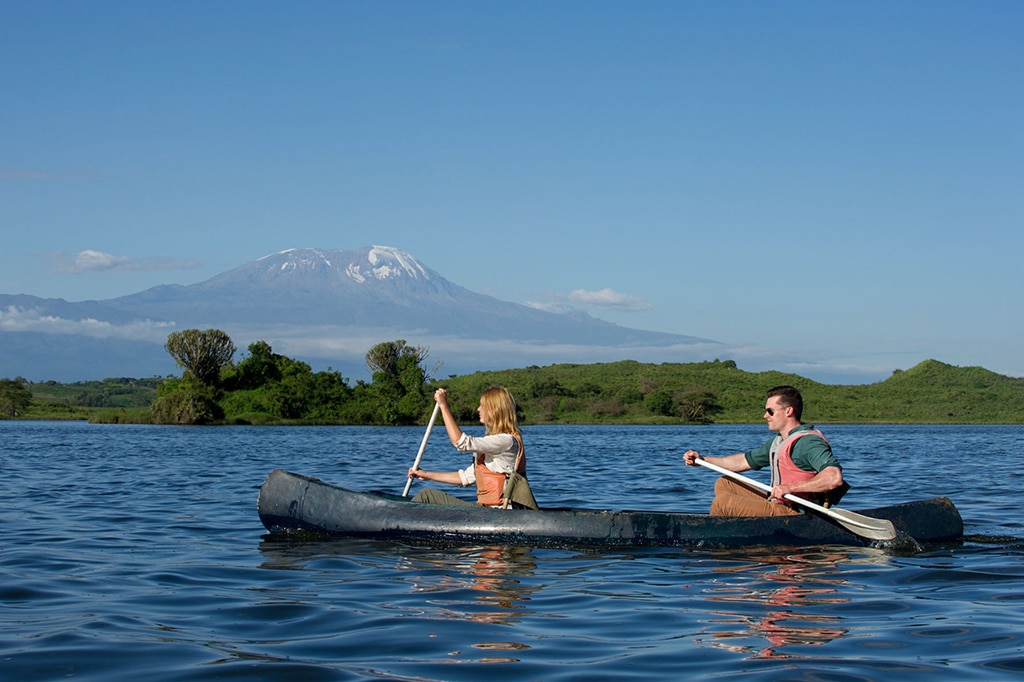
The most underrated hour from Kilimanjaro Airport.
A compact, gloriously varied park at the foot of Mount Meru — montane forest, crater grasslands and the alkaline Momella Lakes, with walking safaris, canoeing and colobus monkeys just forty minutes from Arusha.
Serengeti National Park
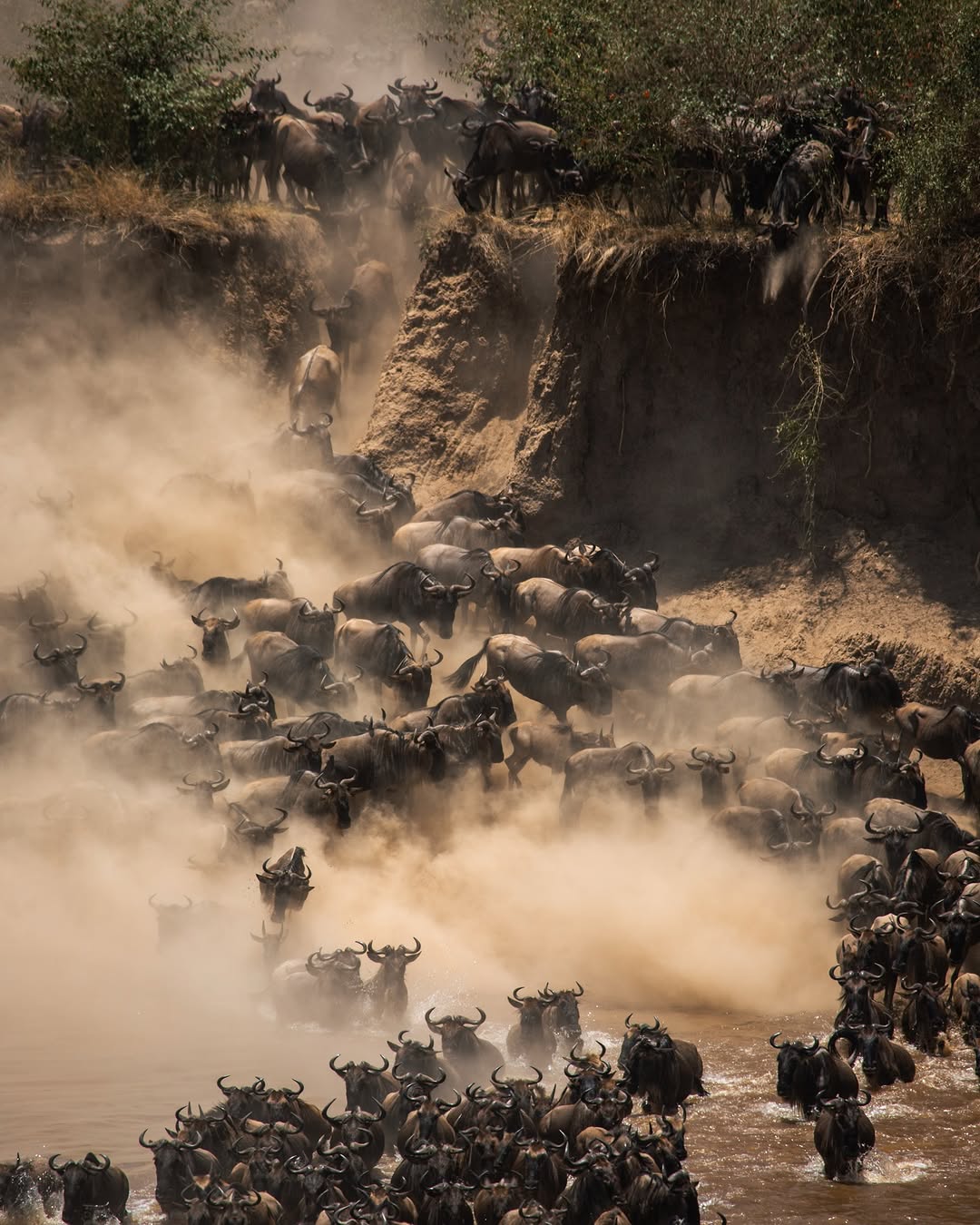
The endless plains.
Fourteen thousand square kilometres of grassland, kopjes and riverine forest carrying the largest land migration on earth — and, outside the migration, the densest population of big cats in Africa.
Ruaha National Park
The wildest big park in East Africa.
One of Africa's largest national parks — a remote southern wilderness of baobabs, sand rivers and rocky escarpments, with exceptional lion densities, huge elephant herds and fly-in camps that see a fraction of the northern circuit's visitors.
Planning your visit.
Practical guidance from our on-the-ground team, tailored to this destination.
Health
Seek current medical advice regarding malaria prevention for this region. Follow current local guidance on bilharzia risk and swimming before entering the lake.
Frequently asked.
Why visit Gombe rather than Mahale?
Gombe for the history — this is where Jane Goodall's work began and the research has run continuously since 1960. Mahale has a larger chimpanzee population, more dramatic scenery and better lodges.
How do I get to Gombe?
Fly to Kigoma, then travel two to three hours by boat along the lake shore. There is no road access to the park.
How difficult is the tracking?
Short in distance but steep, hot and humid. Reasonable fitness is needed and treks can start early.
What is the accommodation like?
Simple. A park resthouse, a basic camp and one small lodge. This is a research-heritage destination, not a luxury one.
Can I swim in Lake Tanganyika?
Generally yes off rocky shores, with excellent snorkelling among endemic cichlids. Ask locally about current conditions first.
Related reading.
Guides that pair well with a journey to this destination.
Ready to experience Gombe Stream National Park?
Tell us what draws you here and we'll shape a private journey around the places, experiences and pace that matter to you.