
Mahale Mountains National Park
“You track chimpanzees through mountain forest in the morning and swim in Lake Tanganyika in the afternoon. Nowhere else offers that.”
A remote mountain forest on Lake Tanganyika holding around a thousand chimpanzees, reached only by boat and paired with some of the clearest freshwater in the world.
About Mahale Mountains.
Mahale is one of East Africa's most distinctive chimpanzee destinations and remains very lightly visited. Around 1,600 square kilometres of mountain forest rise steeply from the eastern shore of Lake Tanganyika to peaks above 2,400 metres, and roughly a thousand chimpanzees live in it. The habituated Mimikire — or M — group has been studied by Japanese researchers since 1965, and tracking them is remarkably intimate: encounters often take place on the forest floor with a group of forty or more animals moving around you.
What makes Mahale unique is the combination. In the morning you climb through forest with a guide; in the afternoon you swim, kayak or snorkel in water clear enough to see the bottom at fifteen metres, from a white sand beach with forest coming down to meet it. Lake Tanganyika is the second-deepest lake in the world and holds hundreds of endemic cichlids.
Access is the price of admission: a charter flight to the airstrip near Kalema, then an hour or so by boat, with no road at all. Lodges are few and small, and the season runs roughly May to October when trails are driest, though many operators run into December. Because there are no roads inside the park, everything happens on foot or on the water.

Mahale Mountains National Park, in short.
The essentials our specialists check first when shaping a private itinerary.
Good to know.
- Location
- Western Tanzania on the eastern shore of Lake Tanganyika, south of Kigoma.
- Park size
- c. 1,613 km²
- Getting there
- Charter or seasonal scheduled flight to the airstrip near Kalema, then around an hour by boat. No road access.
- Minimum stay
- Three nights — the travel time makes anything shorter poor value.
- Season
- Roughly May to October, with some lodges operating into December.
- Age limit
- Minimum 15 years for chimpanzee tracking.
- Fitness
- Steep, hot forest climbs of one to four hours. Genuine hill fitness helps.
- Cost
- A higher-cost destination because of charter access and small lodge capacity.
Why visit Mahale Mountains National Park?
The M group
A habituated chimpanzee community studied by Japanese researchers since 1965.
Forest-floor encounters
Sightings frequently at ground level with large groups moving around you.
Lake Tanganyika beaches
White sand and water clear to fifteen metres, directly below the forest.
Snorkelling and kayaking
Hundreds of endemic cichlid species in exceptionally clear freshwater.
Almost no visitors
One of the region's more lightly visited national parks.
Nkungwe peak
A multi-day hike to 2,462 m through forest and bamboo for the very fit.
Species you may encounter.
Wildlife commonly associated with the region. Sightings are always wild and never guaranteed.
Chimpanzee
Around 1,000 in the park, with the habituated M group tracked from the lodges.
Red colobus
Common in the canopy and hunted by Mahale's chimpanzees.
Yellow baboon
Troops along the shoreline and lower forest.
Blue and red-tailed monkey
Frequently encountered on tracking walks.
Cichlid fish
Hundreds of endemic species, visible while snorkelling directly from the beach.
Otter
Spotted-necked otter occurs along the shoreline.
Forest birds
Around 350 recorded species including crested guineafowl and Ross's turaco.
Experiences in Mahale Mountains National Park.
The right time for Mahale Mountains National Park.
Main season: May – October · Chimps lower but wet: December – March
Wet; chimps often low but trails difficult and lodges limited.
Rainy season; excellent photography if you accept the conditions.
Wet and humid; access harder.
Wettest period; most lodges closed.
Season opens as rain eases; forest lush.
Dry, comfortable and excellent for tracking.
Peak season; dry trails and calm lake.
Dry and clear with reliable tracking.
Dry, hot and calm — superb for lake activities.
Hot and dry before the rains return.
Rains return; some lodges close.
Wet but chimps often lower in the forest.
- Altitude
- c. 770 – 2,460 m
- Average temperature
- 20 – 30°C; hot and humid at lake level
- Dry season
- May – October
- Rainy season
- November – April
Mahale Mountains National Park, in pictures.
Combine Mahale Mountains National Park with…
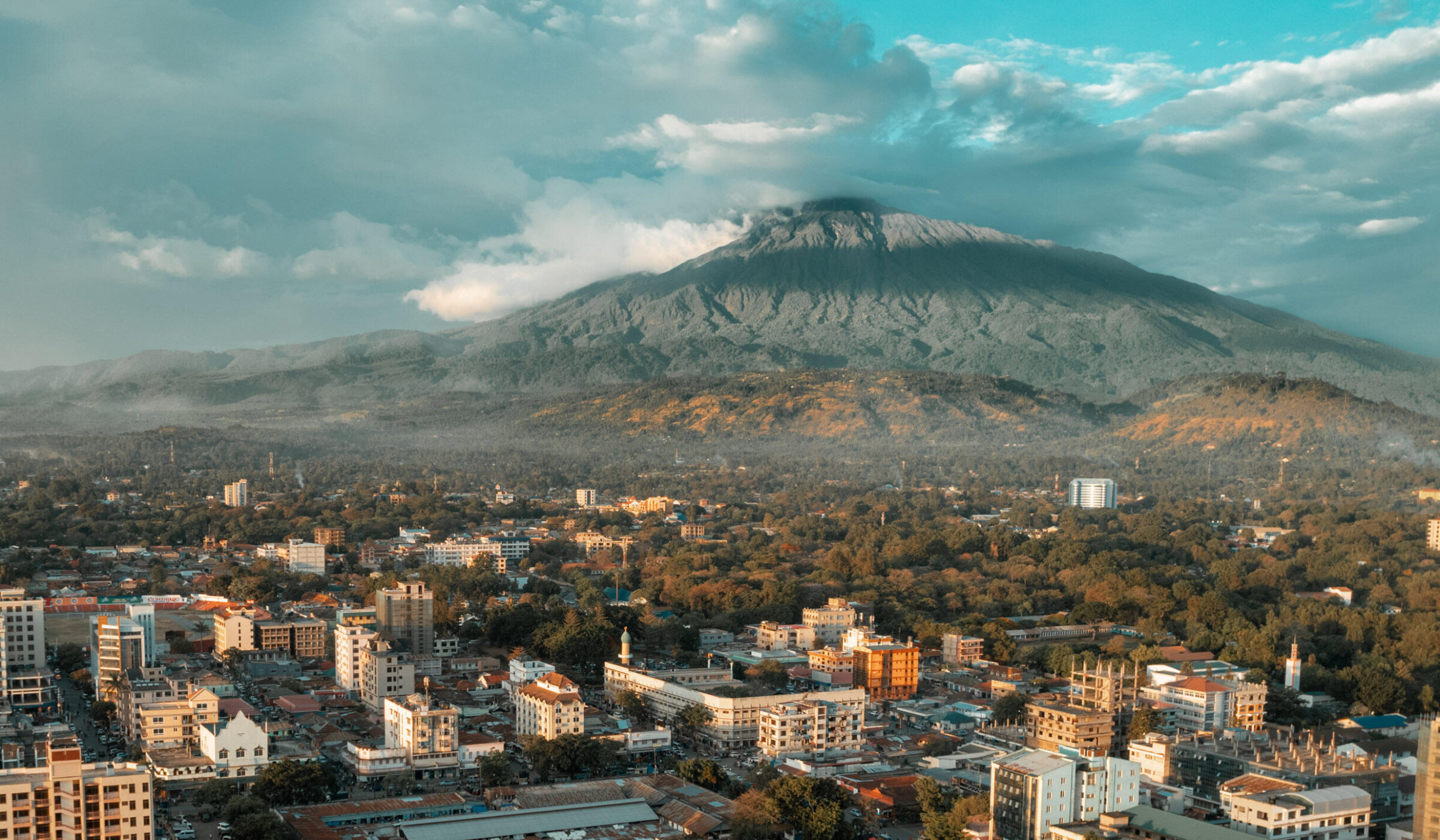
Arusha
The Gateway to Tanzania's Legendary Northern Safari Circuit
Arusha is Tanzania's premier safari gateway, offering easy access to world-famous national parks, Mount Kilimanjaro, rich cultural experiences, luxury lodges and authentic East African hospitality.
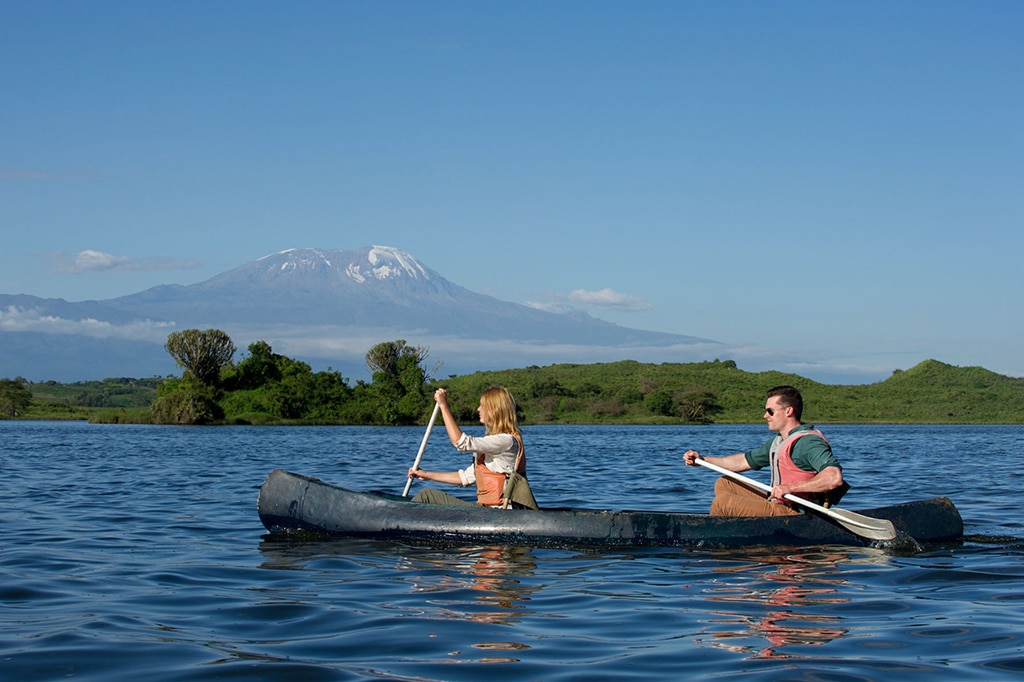
Arusha National Park
The most underrated hour from Kilimanjaro Airport.
A compact, gloriously varied park at the foot of Mount Meru — montane forest, crater grasslands and the alkaline Momella Lakes, with walking safaris, canoeing and colobus monkeys just forty minutes from Arusha.
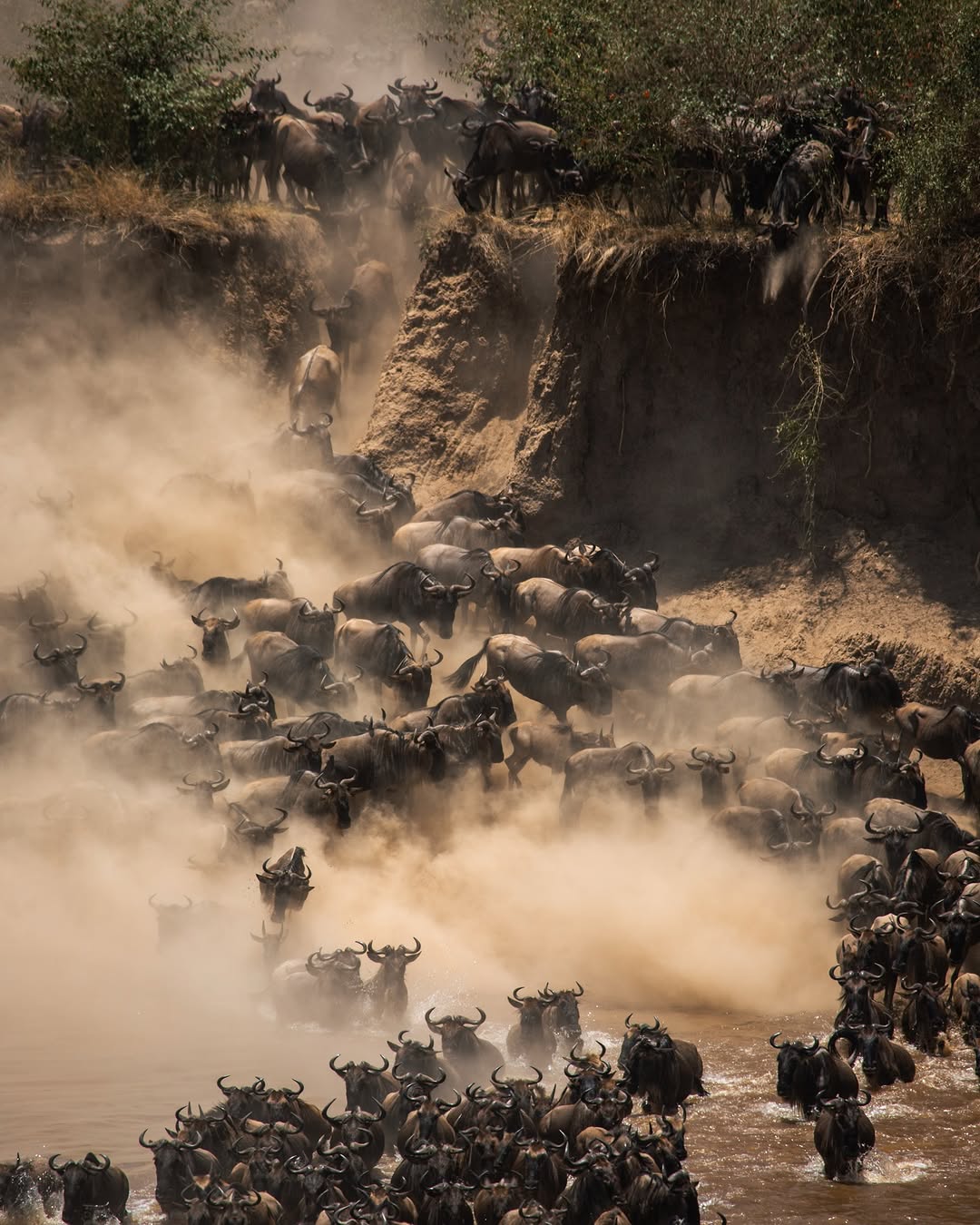
Serengeti National Park
The endless plains.
Fourteen thousand square kilometres of grassland, kopjes and riverine forest carrying the largest land migration on earth — and, outside the migration, the densest population of big cats in Africa.
Ruaha National Park
The wildest big park in East Africa.
One of Africa's largest national parks — a remote southern wilderness of baobabs, sand rivers and rocky escarpments, with exceptional lion densities, huge elephant herds and fly-in camps that see a fraction of the northern circuit's visitors.
Planning your visit.
Practical guidance from our on-the-ground team, tailored to this destination.
Health
Seek current medical advice regarding malaria prevention for this region. Bring anything you might need — facilities nearby are very limited.
Frequently asked.
Is Mahale better than Kibale for chimpanzees?
Mahale offers a very different chimpanzee experience, often with large groups at close range in a remote forest setting. Kibale is much easier and cheaper to reach.
How do I get to Mahale?
A charter or seasonal scheduled flight to the airstrip near Kalema, then about an hour by boat. There is no road access and no road inside the park.
When should I go?
May to October for the driest trails and calmest lake. The wetter months often bring chimps lower, which suits photographers who accept the conditions.
Can I swim in the lake?
Yes — clear, warm freshwater with excellent snorkelling among endemic cichlids, straight off the lodge beaches.
How fit do I need to be?
Fit enough for one to four hours of steep forest walking in heat and humidity, possibly on consecutive days.
Related reading.
Guides that pair well with a journey to this destination.
Ready to experience Mahale Mountains National Park?
Tell us what draws you here and we'll shape a private journey around the places, experiences and pace that matter to you.