

Usambara Mountains
“Ancient isolation has produced remarkable endemism across these forested hills.”
Ancient forested mountains in north-eastern Tanzania with extraordinary levels of endemism, cool walking trails, tea and spice villages and almost no tourism.
About the Usambara Mountains.
The Usambaras are part of the Eastern Arc, a chain of ancient crystalline mountains that have carried moist forest continuously for perhaps thirty million years. That continuity has produced a concentration of endemic plants, amphibians, reptiles and birds so high that the range is widely recognised for remarkable levels of endemism. The African violet, now on windowsills worldwide, was collected here.
For visitors the appeal is different from a safari: cool air at 1,200 to 2,000 metres, village-to-village walking on real footpaths, viewpoints over the Maasai plains, waterfalls, and a landscape of small farms growing tea, cardamom, cinnamon and vegetables for Dar es Salaam. Lushoto and the Irente viewpoint are the usual base in the west; Amani Nature Reserve in the east is the serious birding destination, with its own research station and colonial botanical garden.
Walking here is guided by local associations, and multi-day village-to-village routes with homestays are a strong form of community-based tourism in Tanzania. Costs are low, the pace is slow and there is no game viewing at all.
It is a genuinely different Tanzania — a two to three hour drive from Moshi or Arusha, and a good decompression stop before or after a coastal or safari leg for travellers who like walking.

Usambara Mountains, in short.
The essentials our specialists check first when shaping a private itinerary.
Good to know.
- Location
- North-eastern Tanzania, inland from Tanga and around 2 to 3 hours from Moshi.
- Getting there
- By road from Moshi, Arusha or Dar es Salaam; the usual base is Lushoto in the west or Amani in the east.
- Best time
- June to September and December to February for dry trails.
- Minimum stay
- Two nights; three or four for a multi-day village walk.
- Walking
- Guided by local walking associations, from half-day trails to multi-day village-to-village routes with homestays.
- Accommodation
- Simple guesthouses, mission-run lodges and homestays. There are no luxury properties.
- Gear
- Walking shoes with grip, a warm layer for evenings, rain jacket and insect repellent.
- What it is not
- There is no game viewing. This is walking, forest, birds and village life.
- Responsible tourism
- Use local guiding associations and homestays — the income stays in the villages that protect the forest.
- Photo credit
- Photo: Erasmus Kamugisha / Wikimedia Commons · CC BY-SA 4.0
Why visit Usambara Mountains?
Irente viewpoint
A cliff-edge view from Lushoto over the Maasai plains 1,000 m below.
Village-to-village walking
Multi-day guided routes with homestays, run by local walking associations.
Amani Nature Reserve
East Usambara forest with endemic birds, a research station and a colonial botanical garden.
Endemic species
Exceptional Eastern Arc endemism across plants, birds, reptiles and amphibians.
Spice and tea smallholdings
Cardamom, cinnamon, black pepper and tea grown on family farms.
Waterfalls and swimming pools
Forest waterfalls reachable on half-day walks from most villages.
Species you may encounter.
Wildlife commonly associated with the region. Sightings are always wild and never guaranteed.
Usambara eagle-owl
An Eastern Arc endemic, one of several found only in these mountains.
Usambara weaver
A localised endemic bird among more than 350 species recorded.
Angolan colobus
Present in the remaining primary forest patches.
Three-horned chameleon
One of many endemic reptiles found on night walks.
Endemic amphibians
Numerous frogs and toads restricted to these forests, active in the wet season.
African violet
The wild ancestor of the global houseplant, native to these hills.
Butterflies
Very high diversity, at their best after rain.
Experiences in Usambara Mountains.
The right time for Usambara Mountains.
Best walking: June – September, December – February · Best for botany and amphibians: March – May
Dry and clear with excellent walking conditions.
Dry and warm; the best month for long walks.
Rains begin; forest lush and flowering strongly.
Wettest month; muddy paths and frequent mist.
Still wet with poor viewpoints.
Dry, cool and clear — ideal walking.
Cool and dry; the most comfortable month.
Dry with excellent long-distance views.
Dry and warming; good birding in the east.
Short rains begin; misty mornings.
Wet with muddy trails.
Drying out; pleasant walking returns.
- Altitude
- c. 900 – 2,300 m
- Average temperature
- 13 – 25°C; cool, with cold nights at altitude
- Dry season
- June – September and December – February
- Rainy season
- March – May and October – November
Usambara Mountains, in pictures.
Combine Usambara Mountains with…
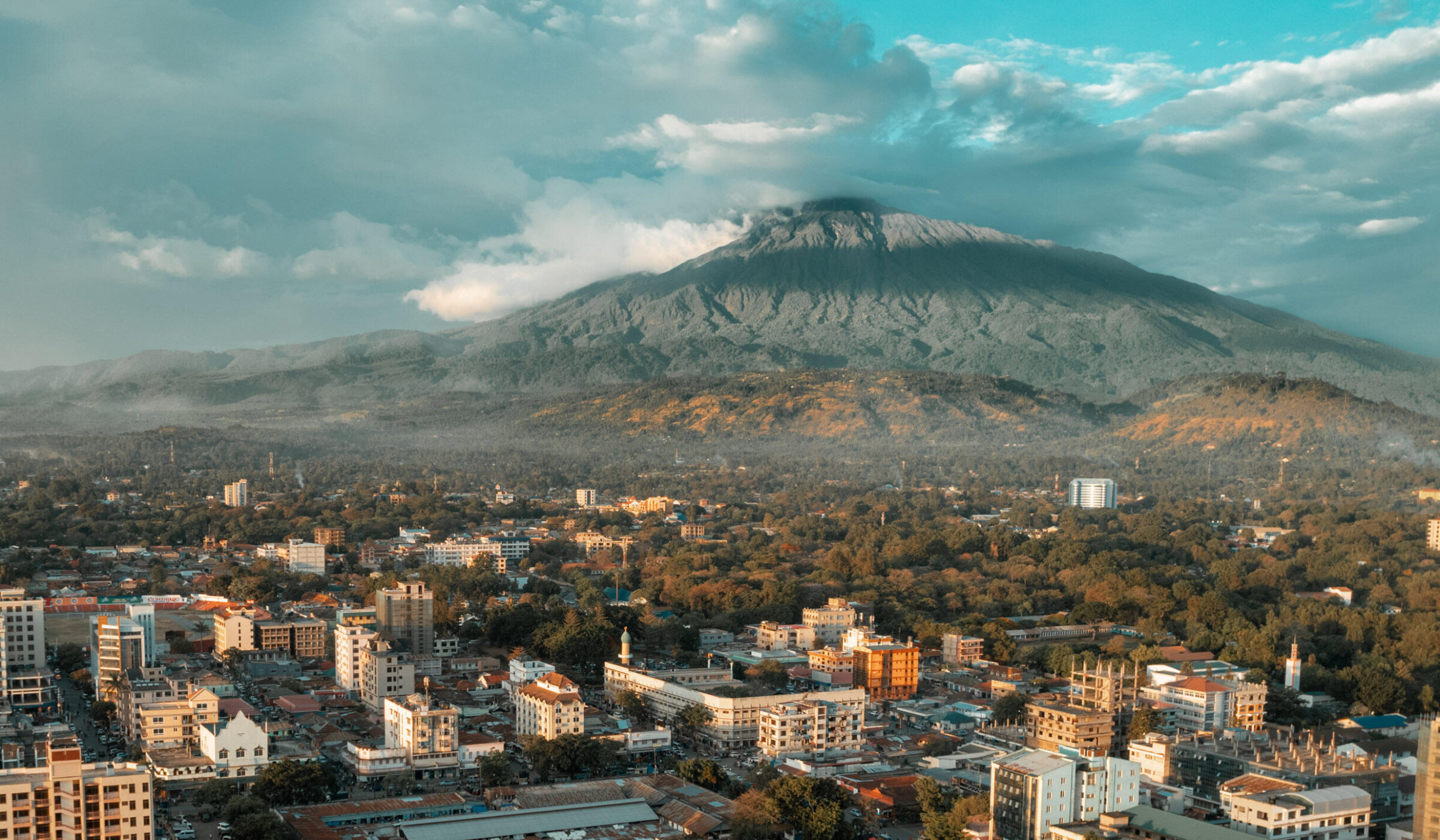
Arusha
The Gateway to Tanzania's Legendary Northern Safari Circuit
Arusha is Tanzania's premier safari gateway, offering easy access to world-famous national parks, Mount Kilimanjaro, rich cultural experiences, luxury lodges and authentic East African hospitality.

Arusha National Park
The most underrated hour from Kilimanjaro Airport.
A compact, gloriously varied park at the foot of Mount Meru — montane forest, crater grasslands and the alkaline Momella Lakes, with walking safaris, canoeing and colobus monkeys just forty minutes from Arusha.
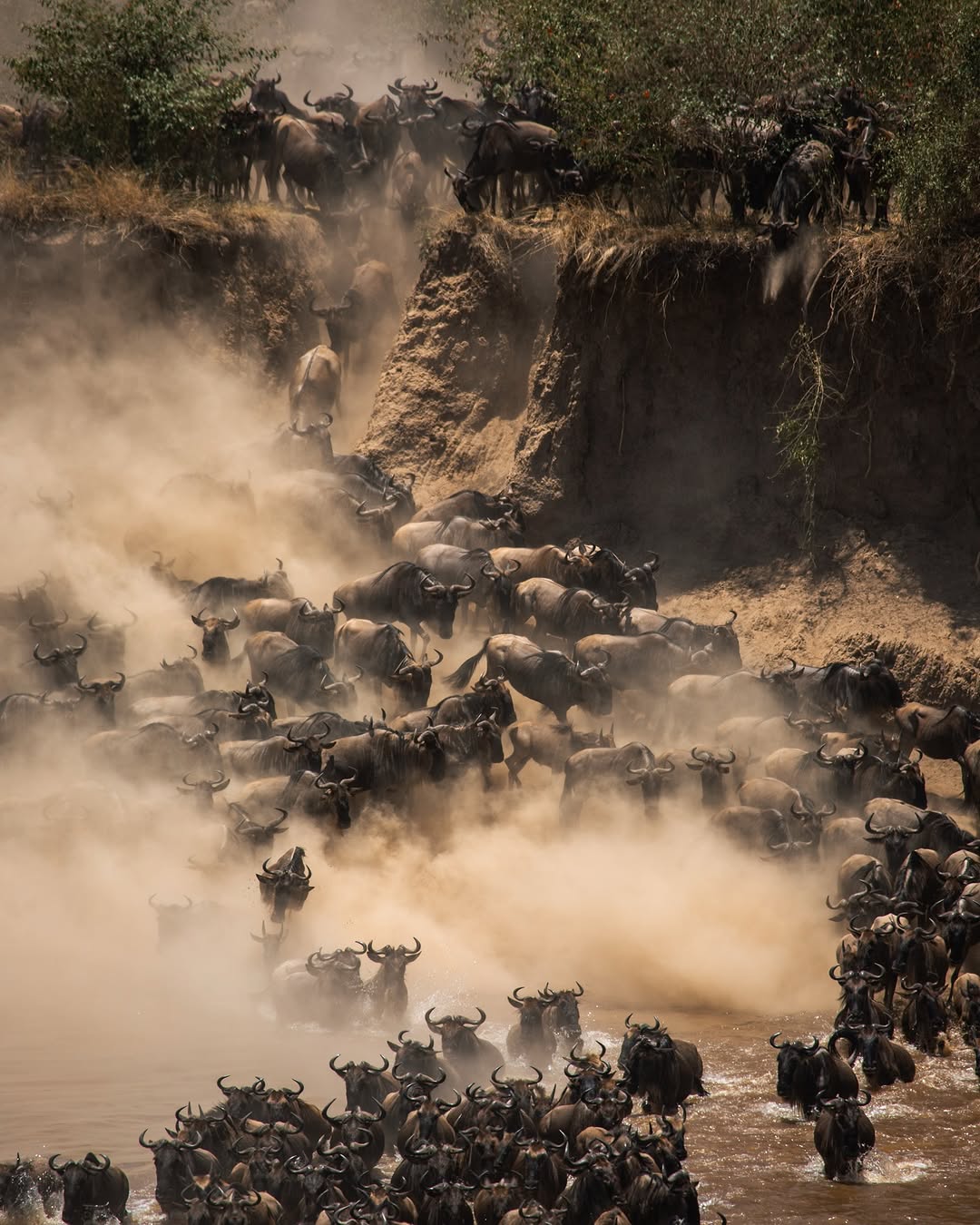
Serengeti National Park
The endless plains.
Fourteen thousand square kilometres of grassland, kopjes and riverine forest carrying the largest land migration on earth — and, outside the migration, the densest population of big cats in Africa.

Ruaha National Park
The wildest big park in East Africa.
One of Africa's largest national parks — a remote southern wilderness of baobabs, sand rivers and rocky escarpments, with exceptional lion densities, huge elephant herds and fly-in camps that see a fraction of the northern circuit's visitors.
Frequently asked.
Why are the Usambaras significant?
They are part of the Eastern Arc, which has carried moist forest for perhaps thirty million years. That isolation produced exceptional endemism in plants, amphibians, reptiles and birds — including the wild African violet.
Is there wildlife to see?
Not in a safari sense. Expect endemic birds, chameleons, frogs, butterflies and colobus in forest patches. Come for walking and biodiversity, not big game.
How do I get there?
By road — two to three hours from Moshi, or around six from Dar es Salaam. Lushoto is the usual western base and Amani the eastern one.
What is the accommodation like?
Simple guesthouses, mission lodges and village homestays. Comfortable and inexpensive, but nothing luxurious.
When is the best time to walk?
June to September and December to February, when trails are driest and viewpoints clearest.
Can I combine it with a safari?
Yes — it works well as a cool, slow few days before or after the northern circuit, or on the way to the coast at Pangani.
Related reading.
Guides that pair well with a journey to this destination.
Ready to experience Usambara Mountains?
Tell us what draws you here and we'll shape a private journey around the places, experiences and pace that matter to you.