
Mount Meru
“Four days on a knife-edge ridge with buffalo below you, and Kilimanjaro filling the sunrise.”
A 4,562 m volcano inside Arusha National Park — a four-day trek through game-rich forest to a dramatic crater rim, and the ideal preparation for Kilimanjaro.
About Mount Meru.
Mount Meru is Tanzania's second-highest mountain at 4,562 metres and, for many climbers, a compelling mountain in its own right. The route starts in Arusha National Park, which means an armed ranger accompanies you through the lower forest — not for show, but because buffalo, elephant and giraffe genuinely use the trail. The first day is game viewing on foot as much as it is trekking.
Above the forest the mountain becomes extraordinary. Meru is a collapsed volcano, and the route follows the rim of its horseshoe crater along a narrow ridge with the ash cone below on one side and a 1,500-metre drop on the other. Summit night starts around midnight and reaches Socialist Peak for sunrise, with Kilimanjaro rising out of the cloud seventy kilometres to the east.
Three or four days is the standard. Huts at Miriakamba and Saddle are simple and comfortable, and success rates are high for anyone reasonably fit. Its most common use is as an acclimatisation climb a week or so before Kilimanjaro, which many climbers find helps their acclimatisation for the bigger mountain — but Meru is well worth climbing on its own terms.
The best months are June to February, with the clearest views typically from December to February.

Mount Meru, in short.
The essentials our specialists check first when shaping a private itinerary.
Good to know.
- Location
- Arusha National Park, northern Tanzania, around 70 km west of Kilimanjaro.
- Summit
- Socialist Peak, 4,562 m — Tanzania's second-highest point.
- Duration
- Three or four days; four is more comfortable and better for acclimatisation.
- Route
- Momella route via Miriakamba and Saddle huts, with a midnight summit start.
- Ranger escort
- An armed ranger is mandatory because of buffalo and elephant in the forest zone.
- Accommodation
- Mountain huts rather than tents — simpler logistics than Kilimanjaro.
- Fitness
- Good general fitness and a head for the exposed crater ridge. No technical skills required.
- Gear
- Warm layers, insulated jacket, waterproofs, headtorch, gloves and broken-in boots.
- Acclimatisation
- Climbing Meru around a week before Kilimanjaro generally helps acclimatisation for Kilimanjaro.
Why visit Mount Meru?
Wildlife on the ascent
Buffalo, elephant, giraffe and colobus on the forest section, with an armed ranger escort.
Crater rim ridge
A dramatic narrow ridge above the ash cone, with steep drops on both sides.
Socialist Peak at sunrise
A midnight start rewarded by Kilimanjaro rising out of the cloud.
Ideal acclimatisation
Widely used before Kilimanjaro to support acclimatisation.
Comfortable huts
Miriakamba and Saddle huts remove the need for tents.
Quiet mountain
A fraction of Kilimanjaro's traffic on the same trail network.
Species you may encounter.
Wildlife commonly associated with the region. Sightings are always wild and never guaranteed.
Cape buffalo
Common in the lower forest and the reason a ranger escort is mandatory.
African elephant
Present in the forest zone, occasionally encountered on day one.
Masai giraffe
Seen in the open glades of Arusha National Park below the treeline.
Black-and-white colobus
Abundant in the forest canopy on the ascent.
Blue monkey
Common along the lower trail.
Klipspringer
On the rocky sections of the crater rim.
Augur buzzard and lammergeier
Raptors regularly seen soaring over the crater.
Experiences in Mount Meru.
The right time for Mount Meru.
Best climbing: June – October, December – February · Clearest views: December – February
Dry and clear; the best Kilimanjaro views from the summit.
Driest month with excellent summit conditions.
Long rains begin; the ridge becomes slippery.
Wettest month; poor visibility and difficult trails.
Still wet with cloud on the summit.
Dry season begins; cold nights but good trails.
Cold, dry and clear; a popular acclimatisation window.
Dry and stable, matching Kilimanjaro's peak season.
Dry, clear and comfortable.
Generally dry with cloud building late.
Short rains; slippery ridge and poor views.
Drying out with increasingly clear summit views.
- Altitude
- Summit 4,562 m (Socialist Peak)
- Average temperature
- -5 to 25°C depending on altitude
- Dry season
- June – October and December – February
- Rainy season
- March – May and November
Mount Meru, in pictures.
Combine Mount Meru with…
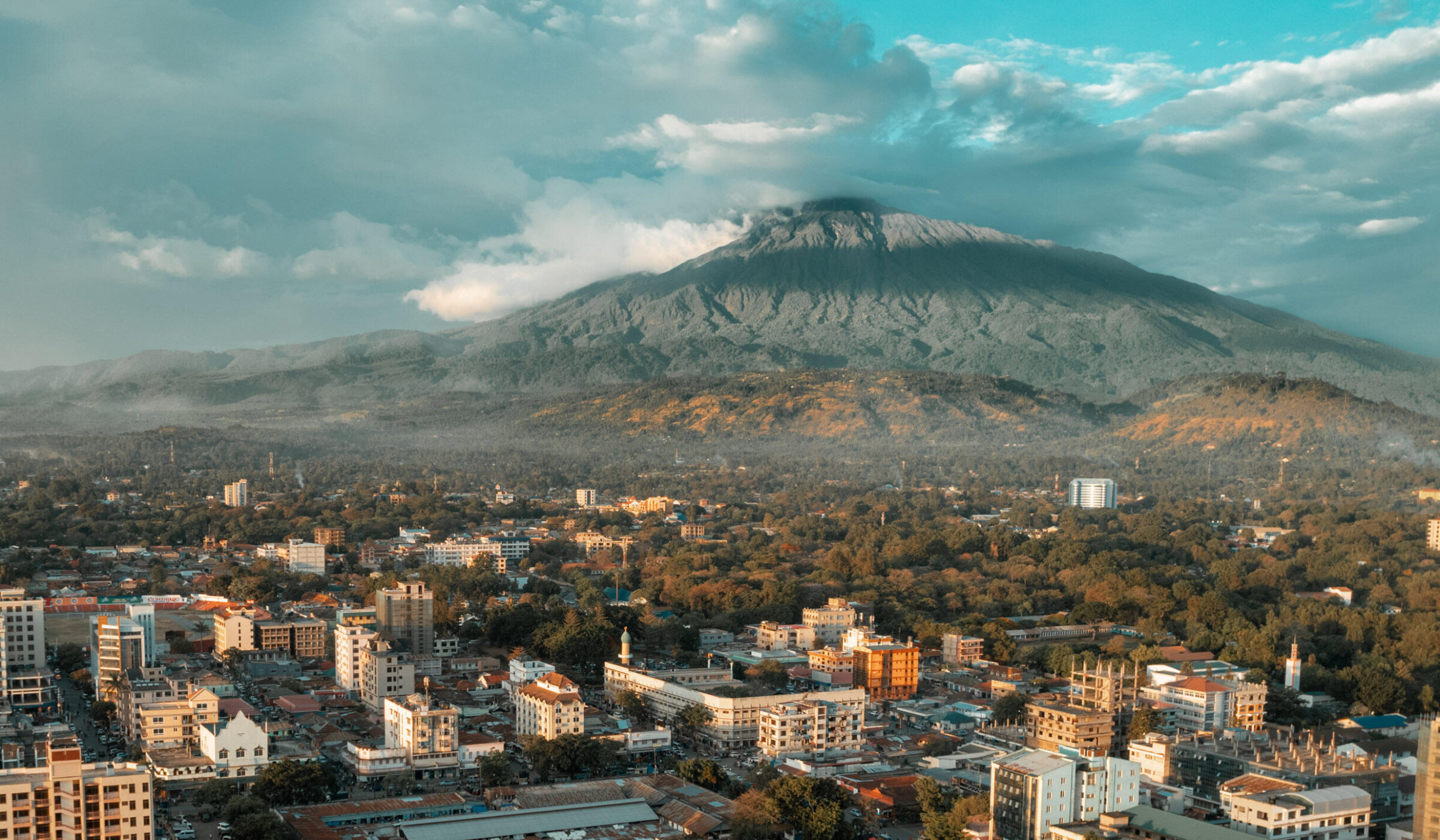
Arusha
The Gateway to Tanzania's Legendary Northern Safari Circuit
Arusha is Tanzania's premier safari gateway, offering easy access to world-famous national parks, Mount Kilimanjaro, rich cultural experiences, luxury lodges and authentic East African hospitality.
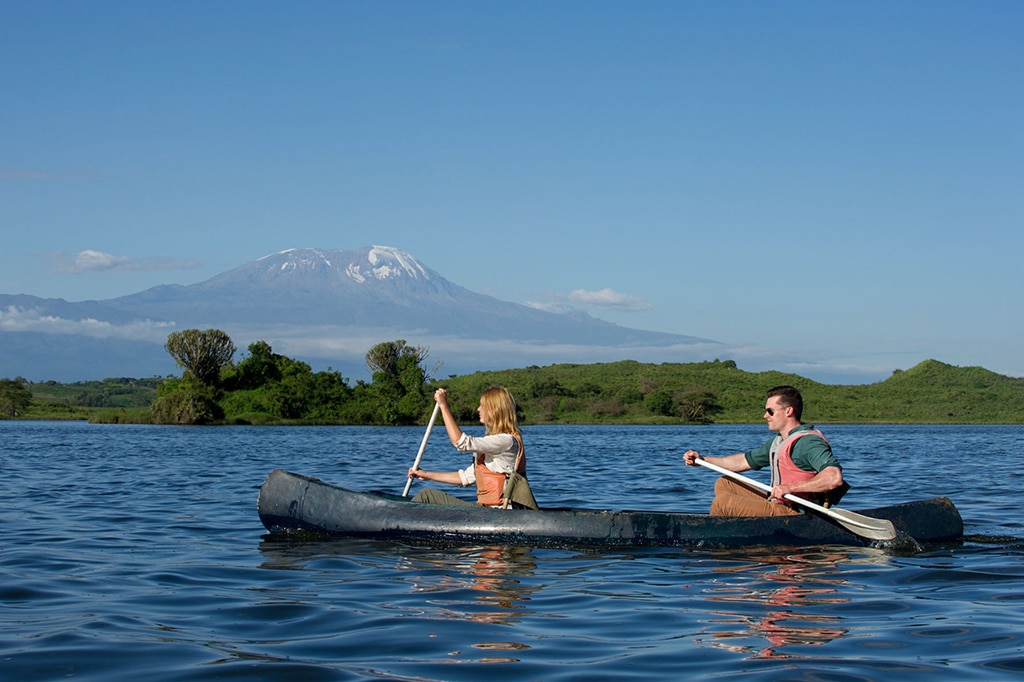
Arusha National Park
The most underrated hour from Kilimanjaro Airport.
A compact, gloriously varied park at the foot of Mount Meru — montane forest, crater grasslands and the alkaline Momella Lakes, with walking safaris, canoeing and colobus monkeys just forty minutes from Arusha.
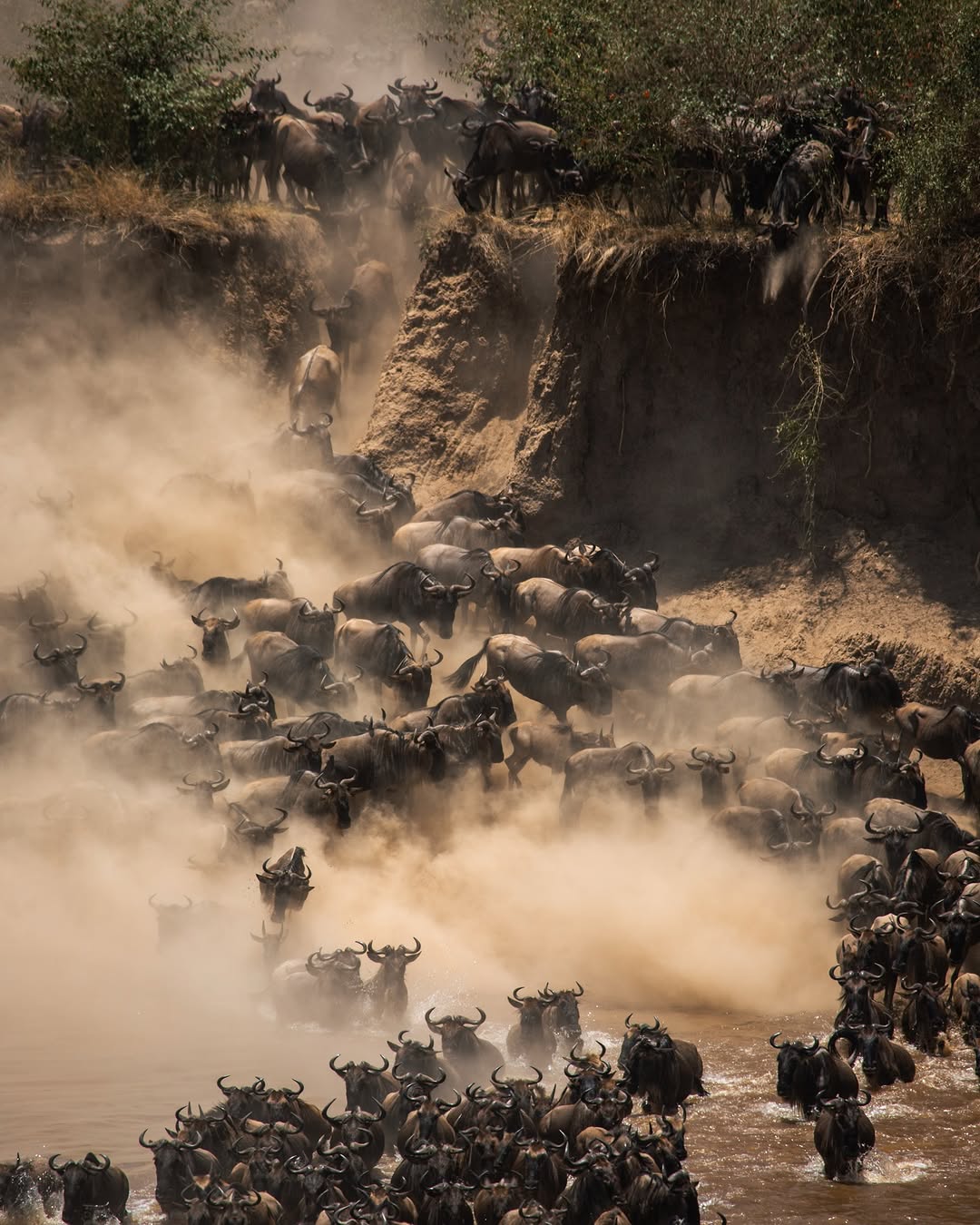
Serengeti National Park
The endless plains.
Fourteen thousand square kilometres of grassland, kopjes and riverine forest carrying the largest land migration on earth — and, outside the migration, the densest population of big cats in Africa.
Ruaha National Park
The wildest big park in East Africa.
One of Africa's largest national parks — a remote southern wilderness of baobabs, sand rivers and rocky escarpments, with exceptional lion densities, huge elephant herds and fly-in camps that see a fraction of the northern circuit's visitors.
Frequently asked.
Is Mount Meru good preparation for Kilimanjaro?
It is a strong preparation option. Climbing Meru around a week before a Kilimanjaro attempt can support acclimatisation, and it is a fine mountain in its own right.
How hard is Mount Meru?
Demanding but non-technical. The summit night is long and cold, and the crater rim is narrow and exposed. Good general fitness is enough.
Do I really see wildlife on the climb?
Yes — the lower route passes through Arusha National Park, and buffalo, elephant, giraffe and colobus are all regularly encountered. An armed ranger accompanies every group.
How many days does it take?
Three or four. Four gives a gentler profile and a better acclimatisation benefit.
Are there tents?
No — the route uses mountain huts at Miriakamba and Saddle, which makes logistics simpler than on Kilimanjaro.
When should I avoid it?
March to May and November, when rain makes the crater ridge slippery and the views disappear.
Related reading.
Guides that pair well with a journey to this destination.
Ready to experience Mount Meru?
Tell us what draws you here and we'll shape a private journey around the places, experiences and pace that matter to you.