
Mountain Climbing
Pole pole.
Kilimanjaro, Mount Meru and Mount Kenya — non-technical high-altitude climbs where success comes down to route choice, acclimatisation days and the strength of your crew.
- Available in
- Tanzania · Kenya
- Best time
- Clear and warm: January – early March · Dry and busy: June – October · Wet, avoid if possible: April – May, November
- Type
- active
The climb is a walk. The altitude is the challenge.
Kilimanjaro requires no ropes, no ice axes and no climbing experience. What it requires is the patience to walk slowly for days at increasing altitude — pole pole, as every guide on the mountain will tell you — and a route long enough for your body to adapt.
This is why we push almost every guest towards the longer options. Longer routes are typically associated with higher summit success because of better acclimatisation: Lemosho over seven or eight days, Machame over seven, Rongai for its drier northern approach, Northern Circuit for the most gradual acclimatisation profile of all. The five-day Marangu climb remains popular and cheap, and it is the one we most often advise against.
Mount Meru, at 4,562 m, is one of the finest warm-ups in Africa — a three or four day climb through Arusha National Park with an armed ranger, giraffe and buffalo on the lower slopes and a knife-edge summit ridge at dawn looking straight at Kilimanjaro. Mount Kenya's Point Lenana offers a comparable trekking summit across the border.
How the crew is treated matters as much as the route. We work with operators who pay fair, documented wages and enforce sensible load limits, provide proper tents, sleeping mats, hot meals and portable oxygen, and carry a pulse oximeter with twice-daily health checks.

Why Mountain Climbing?
Uhuru Peak, 5,895 m
The highest point in Africa and the highest free-standing mountain in the world.
Longer routes, higher success
Seven and eight-day Lemosho, Machame and Northern Circuit itineraries, chosen for acclimatisation.
Mount Meru first
A 4,562 m climb through a wildlife park — excellent acclimatisation before Kilimanjaro.
Fairly treated crews
Fair wages and load limits, proper equipment and hot meals for every crew member.
Health monitoring
Twice-daily pulse oximetry, portable oxygen and a clear descent protocol on every climb.
Five ecological zones
Farmland, rainforest, heather and moorland, alpine desert and arctic summit in a single week.
Where to experience Mountain Climbing.
Tanzania
Explore Tanzania →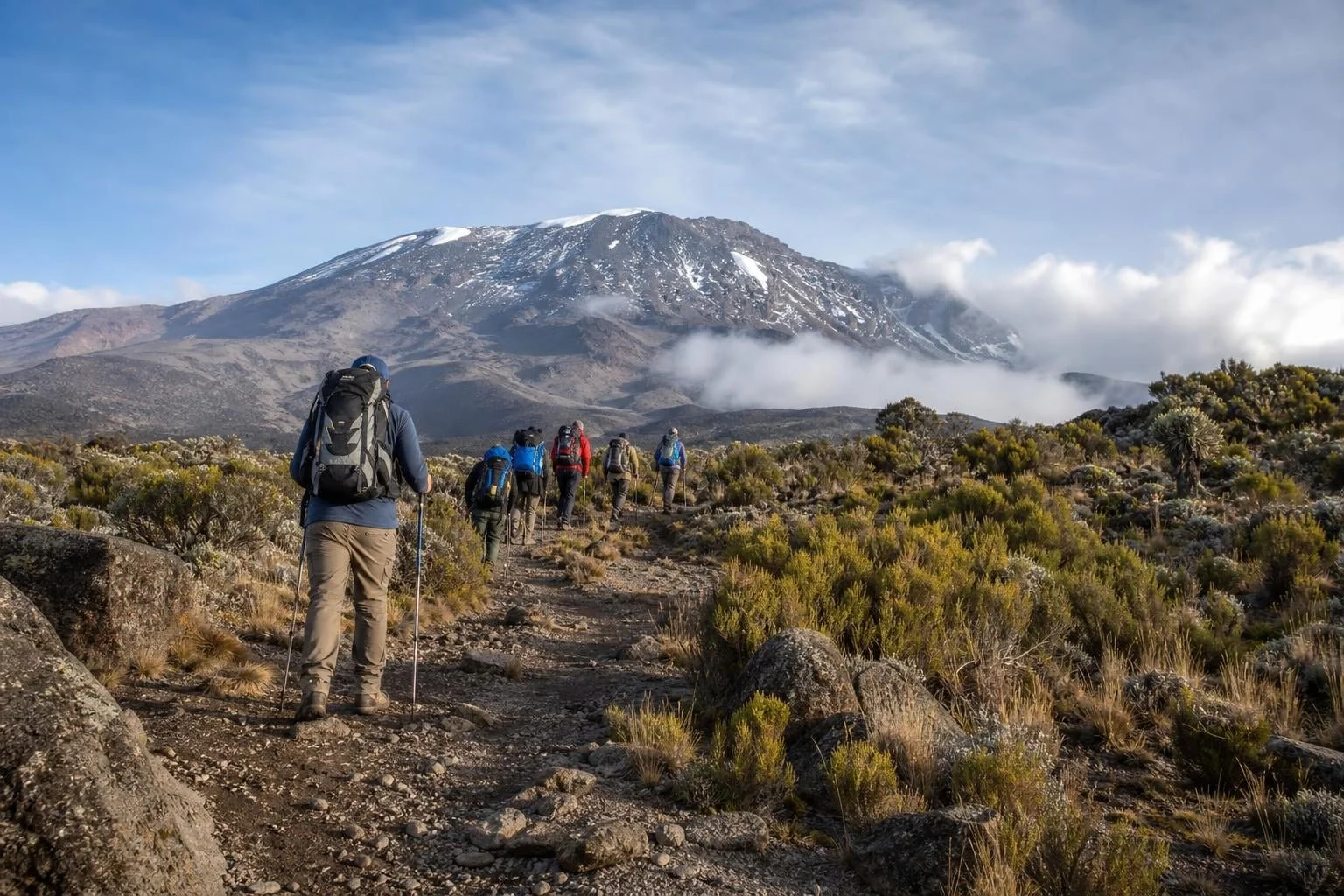
Mount Kilimanjaro
The highest walk in Africa.
Africa's highest peak and the world's tallest freestanding mountain — a non-technical trek through rainforest, moorland, alpine desert and glacial ice to Uhuru Peak at 5,895 metres.

Mount Meru
A strong acclimatisation climb before Kilimanjaro.
A 4,562 m volcano inside Arusha National Park — a four-day trek through game-rich forest to a dramatic crater rim, and the ideal preparation for Kilimanjaro.
Arusha National Park
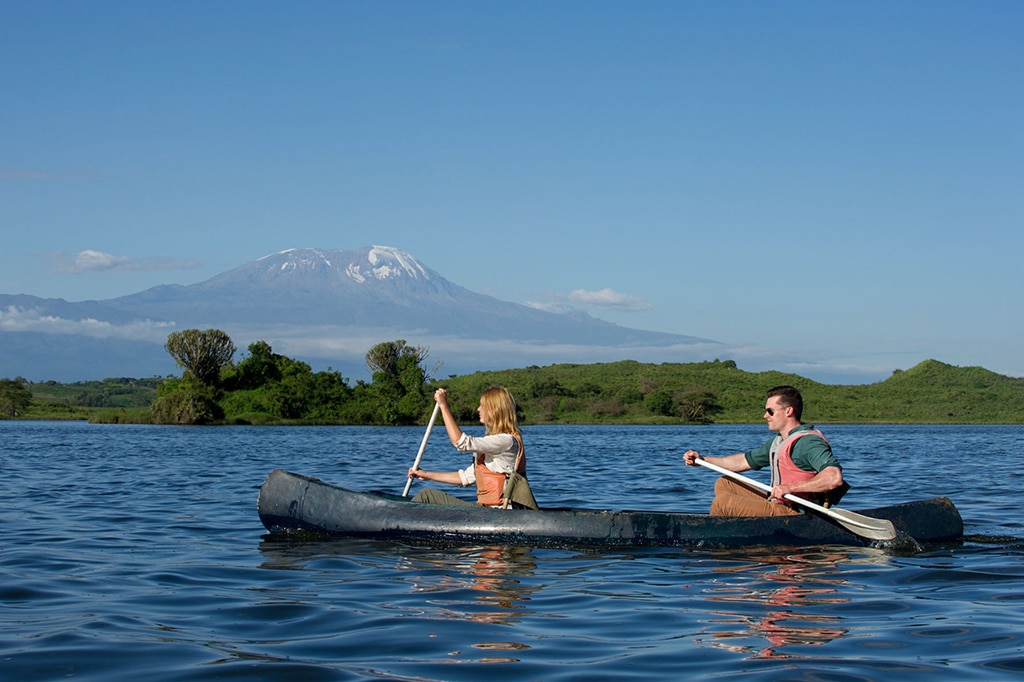
The most underrated hour from Kilimanjaro Airport.
A compact, gloriously varied park at the foot of Mount Meru — montane forest, crater grasslands and the alkaline Momella Lakes, with walking safaris, canoeing and colobus monkeys just forty minutes from Arusha.
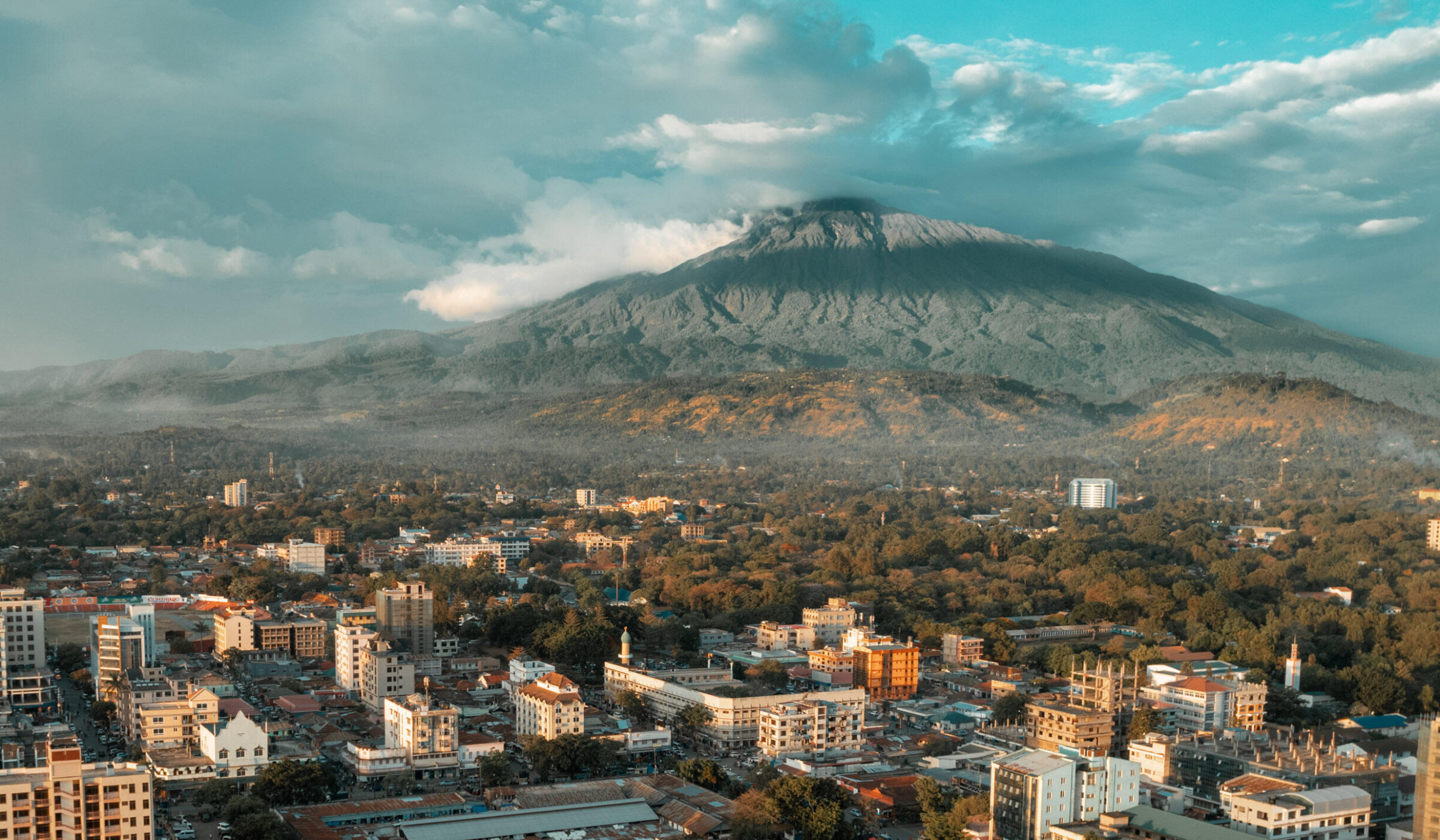
Arusha
The Gateway to Tanzania's Legendary Northern Safari Circuit
Arusha is Tanzania's premier safari gateway, offering easy access to world-famous national parks, Mount Kilimanjaro, rich cultural experiences, luxury lodges and authentic East African hospitality.
Kenya
Explore Kenya →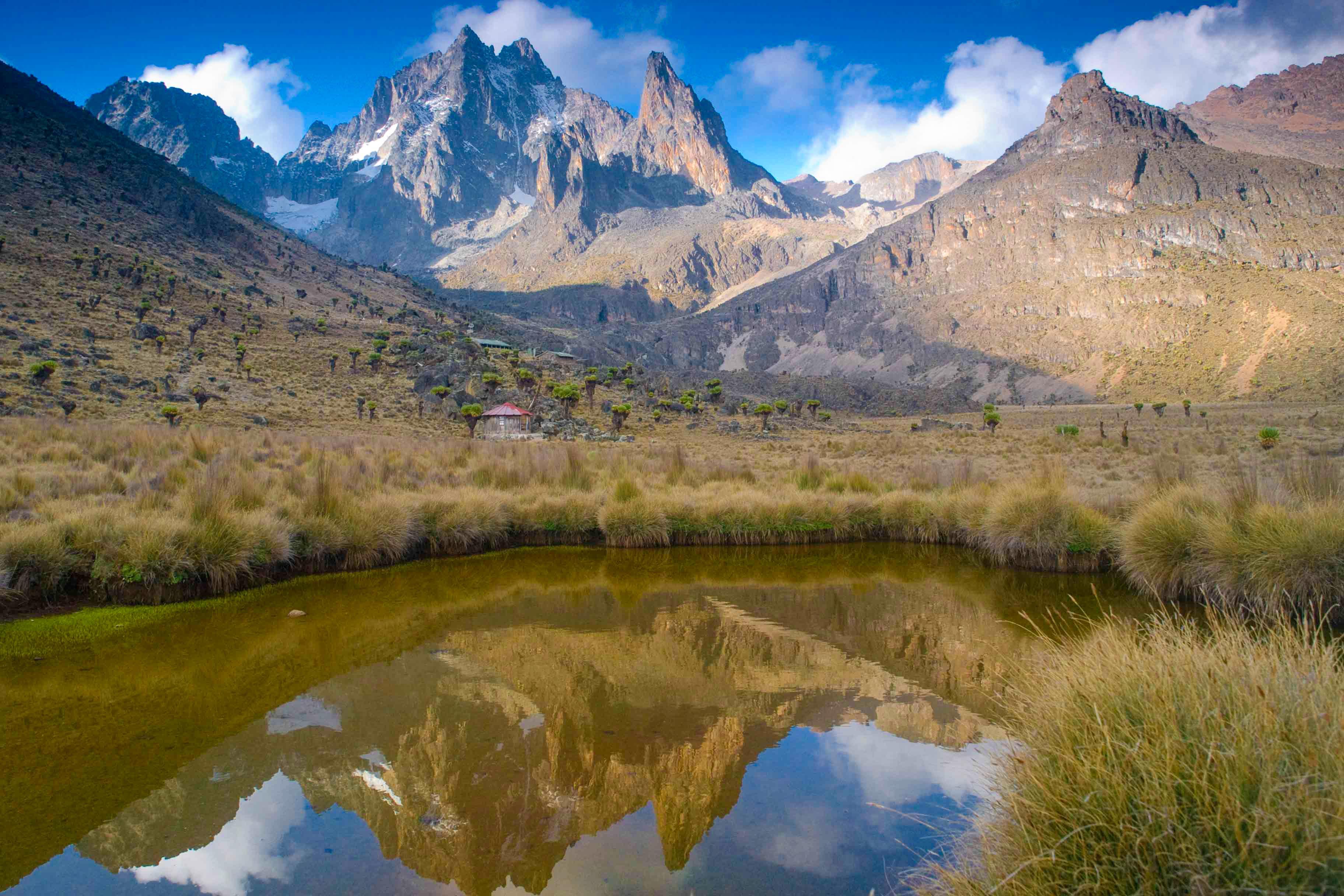
When to experience it.
January to early March is warm, clear and less crowded. June to October is dry, cold at altitude and the busiest window. April, May and November are the wet months, when trails are slick and summit views less reliable.
Warm, clear and quieter than the mid-year peak — an excellent month to climb.
The warmest and often clearest month on the mountain.
Good early, deteriorating as the long rains approach.
Long rains — heavy mud on the forest sections and poor visibility.
Still wet; the Rongai route on the drier north side is the best option.
Dry season begins; cold at altitude and increasingly busy.
Dry and reliable, with the coldest summit nights of the year.
Peak season — dry, busy, book several months ahead.
Dry and slightly quieter than August; superb conditions.
Dry early, with short rains possible late in the month.
Short rains; slippery forest and cloud on the summit.
Improving through the month; festive climbs are popular.
What to expect.
Choosing a route
Lemosho 8 days for strong acclimatisation and superb scenery; Machame 7 for a shorter classic; Rongai for the dry season on the northern side; Northern Circuit 9 for the most gradual acclimatisation profile. Marangu 5 is typically associated with lower summit success and we will tell you so.
A day on the mountain
Woken with tea, a hot breakfast, four to seven hours of walking with a packed lunch, camp set up on arrival, health check, dinner and early sleep. Summit night starts around midnight.
Summit night
Six to eight hours of cold, dark, slow ascent to Stella Point and on to Uhuru, then a long descent the same day. It is the hardest part of the week by a distance.
Altitude
Headaches, poor sleep and appetite loss are normal. Serious symptoms mean immediate descent — no summit is worth negotiating over.
Your crew
Guides, an assistant guide per small group, a cook and porters. Duffel weight is capped at 15 kg per climber and enforced at the gate.
Mountain Climbing in pictures.

Planning this experience.
- Recommended route
- Lemosho over 8 days, or Northern Circuit over 9, for the strongest acclimatisation profile.
- Summit altitude
- Kilimanjaro 5,895 m · Mount Meru 4,562 m · Point Lenana 4,985 m.
- Training
- Three to four months of hill walking, stairs or cardio before departure.
- Duffel limit
- 15 kg per climber, weighed at the park gate.
- Crew welfare
- Fair wages, sensible load limits, proper tents and hot meals for every crew member.
- Best paired with
- Mount Meru beforehand, then a Northern Circuit safari and Zanzibar to recover.
Explore more experiences.
Hiking & Trekking
On foot, at last.
Day hikes and multi-day walks away from the vehicle — crater rims, forest waterfalls, Rift Valley escarpments, the Usambara Mountains and guided walking safaris with an armed ranger.
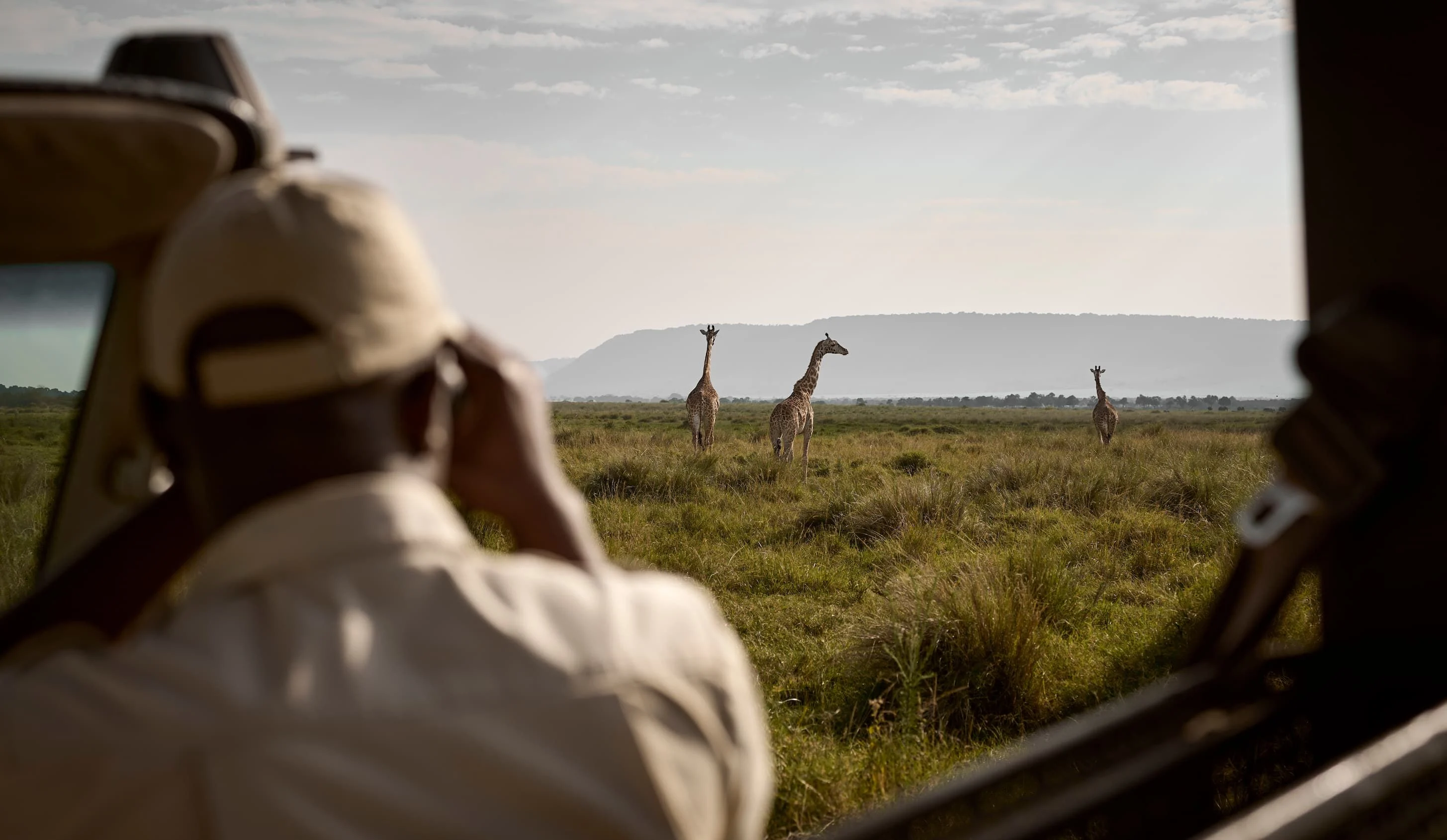
Wildlife Safaris
The reason you came.
Private, guided game viewing across the great ecosystems of East Africa — the Serengeti, Ngorongoro, Tarangire, the Maasai Mara and beyond — with your own vehicle and guide on tailor-made journeys, and shared departures only where specifically stated.
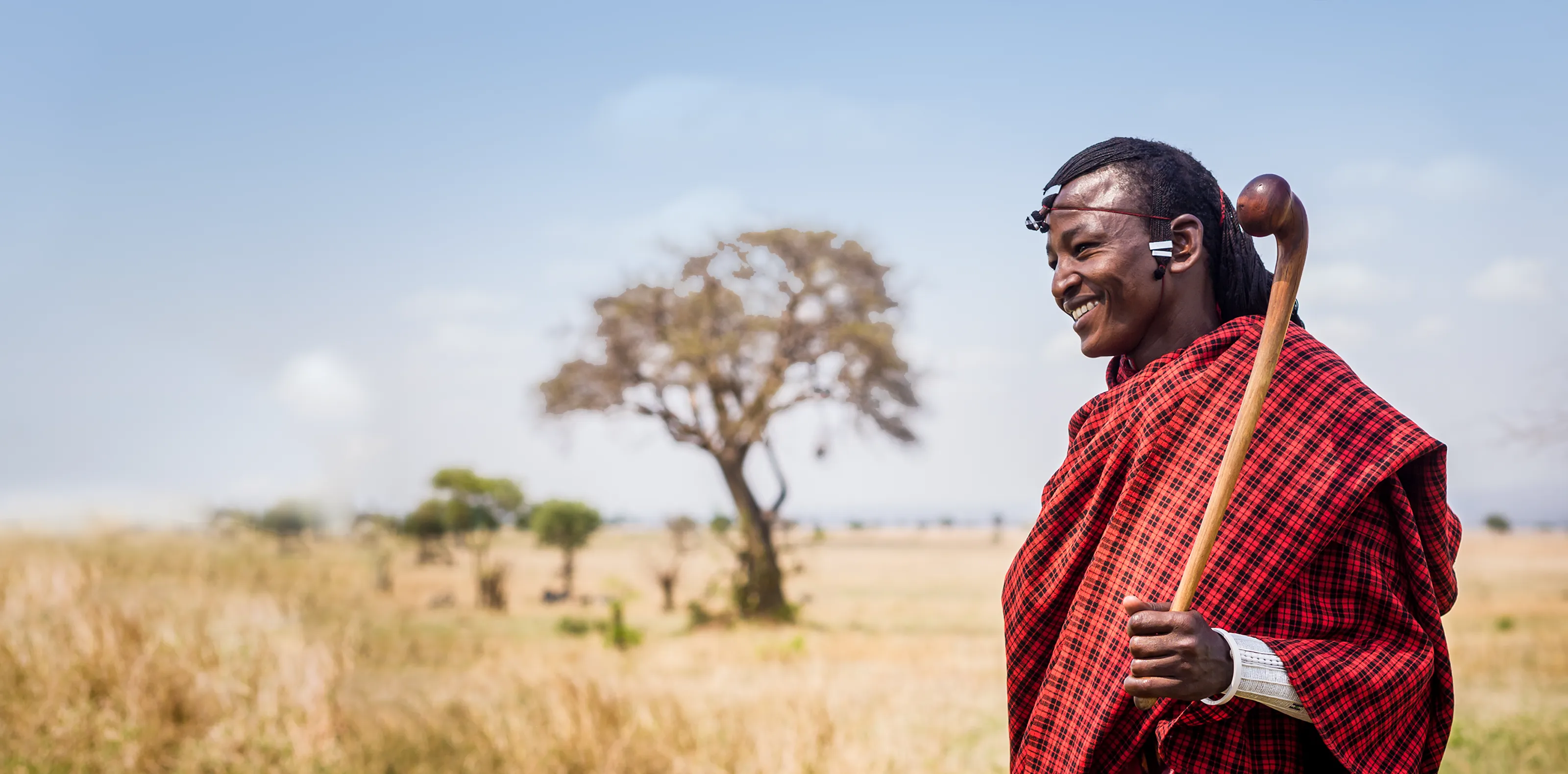
Cultural Experiences
Meet the people, not a performance.
Time with Maasai, Hadzabe, Datoga, Chagga and Swahili communities arranged directly and paid fairly — conversation and craft rather than staged dancing at the gate.
Frequently asked.
Which route gives the best chance of summiting?+
The longer ones. Eight-day Lemosho and nine-day Northern Circuit are typically associated with higher summit success because they give your body more time to acclimatise. Five-day Marangu is typically associated with lower summit success, and we generally advise against it.
Do I need climbing experience?+
No. Kilimanjaro is a walk at altitude, not a technical climb. Fitness, patience and a slow pace matter far more than skill.
How cold does it get?+
Summit night regularly falls to between -10°C and -20°C with wind chill. A proper layering system and a four-season sleeping bag are essential — hire is available if you would rather not buy.
What happens if I get altitude sickness?+
Your guide checks oxygen saturation and pulse twice a day. Mild symptoms are managed with pace, fluids and rest. Serious symptoms mean immediate descent, escorted by an assistant guide, with oxygen available.
Why is your quote higher than some I have seen?+
Park, camping and rescue fees are fixed, so a very low price is almost always paid for by crew wages, food quality or a shorter route. We publish what is included and pay the crew properly.
Can I climb Meru first?+
Yes, and we recommend it. Three or four days on Meru is excellent acclimatisation and a superb climb in its own right.
Build this experience into your journey.
Tell us what draws you to mountain climbing and we'll design a private journey around your dates, pace and interests.