
Murchison Falls National Park
“The entire Victoria Nile squeezes through a gorge you could almost jump across, and then falls forty-three metres.”
Uganda's largest national park, split by the Victoria Nile, with the Murchison gorge, boat safaris to the falls, big game on the northern savannah and Budongo forest to the south.
About Murchison Falls.
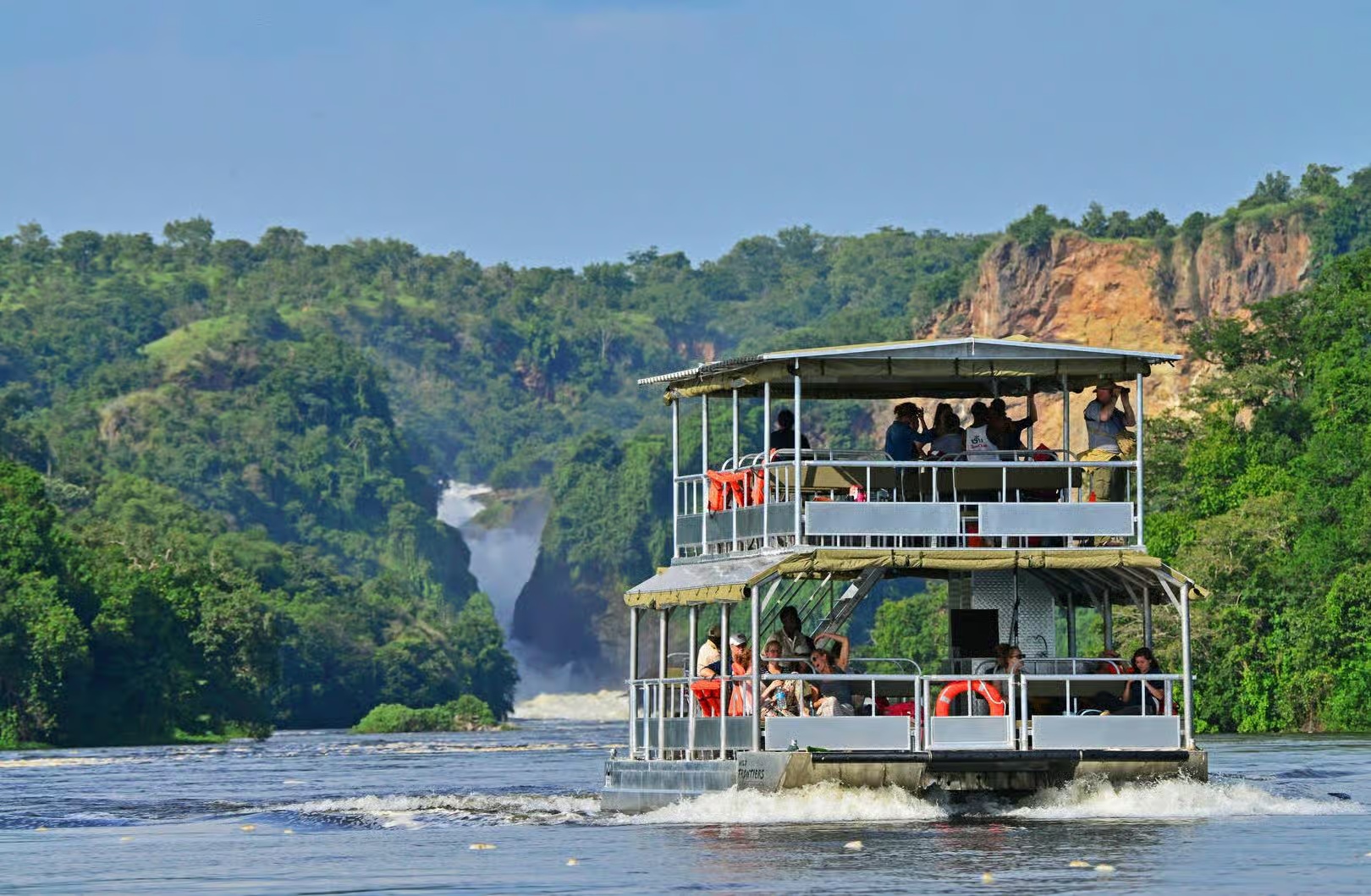
Murchison Falls covers around 3,840 square kilometres either side of the Victoria Nile, and its centrepiece is a piece of hydraulic violence: the entire river compressed into a seven-metre gap in the rock, then dropping 43 metres into the Devil's Cauldron. You can see it from a boat below, from the top of the falls on foot, or ideally both — the launch trip upriver followed by a short climb to the brink is the classic half-day.
North of the river, open borassus palm savannah carries the park's best game: elephant, buffalo, Rothschild's giraffe in strong numbers, Jackson's hartebeest, oribi and Uganda kob, with lion and leopard resident. The Nile itself holds huge crocodile and hippo populations, and the delta area where the river enters Lake Albert is a strong area in Uganda for looking for shoebill.
South of the river, Budongo Forest is a tall mahogany forest with habituated chimpanzees at Kaniyo Pabidi and excellent forest birding. Ziwa Rhino Sanctuary, en route from Kampala, offers tracking white rhino on foot and is a well-established place in Uganda to track them.
Rhino aside, this is a genuine Big Five gap — there are no rhino inside the park itself. We would rather say that plainly than imply a Big Five safari.
Murchison Falls National Park, in short.
The essentials our specialists check first when shaping a private itinerary.
Good to know.
- Location
- North-western Uganda, straddling the Victoria Nile above Lake Albert.
- Park size
- c. 3,840 km² — Uganda's largest national park.
- Getting there
- Fly to Pakuba or Bugungu from Entebbe, or 5 to 6 hours by road via Ziwa Rhino Sanctuary.
- Minimum stay
- Two nights; three to include Budongo chimpanzees or a delta shoebill trip.
- Must do
- The three-hour launch to the base of the falls, combined with the short hike to the top.
- Rhino
- There are no rhino in the park. Ziwa Rhino Sanctuary en route from Kampala is a well-established place in Uganda to track white rhino.
- Combines with
- Ziwa Rhino Sanctuary, Kibale, Queen Elizabeth and Bwindi on a longer Ugandan circuit.
Why visit Murchison Falls National Park?
The falls
The Nile forced through a seven-metre gap and dropping 43 metres — seen from below by boat and above on foot.
Nile launch trip
A three-hour boat safari upstream past hippo, crocodile and elephant to the base of the falls.
Northern savannah game drives
Borassus palm grassland with lion, elephant, buffalo and large antelope herds.
Rothschild's giraffe
One of the most important populations of this endangered subspecies.
Shoebill in the delta
Dedicated boat trips into the Nile delta for one of Africa's most sought-after birds.
Budongo chimpanzees
Habituated chimpanzee tracking in tall mahogany forest at Kaniyo Pabidi.
Top of the falls hike
A short, steep walk to the brink, with spray and noise at close range.
Species you may encounter.
Wildlife commonly associated with the region. Sightings are always wild and never guaranteed.
African elephant
Common on the northern bank and often seen from the boat.
Rothschild's giraffe
An endangered subspecies present in strong and growing numbers.
Lion
Resident prides on the northern savannah, best at dawn.
Leopard
Present along the river woodland; sightings are occasional.
Nile crocodile
Very large individuals concentrated below the falls.
Hippopotamus
Abundant throughout the river and delta.
Uganda kob and Jackson's hartebeest
The dominant antelope of the northern grassland.
Shoebill
Found in the Nile delta papyrus; a dedicated boat trip gives the best chance.
Chimpanzee
Habituated groups in Budongo Forest, south of the river.
The right time for Murchison Falls National Park.
Best game viewing: December – February, June – August · Best birding: November – April
Dry and hot; game concentrated on the river.
Driest and hottest; excellent boat and drive conditions.
First rains green the savannah; birding improves.
Wet; tracks in the north can be difficult.
Still wet with tall grass reducing visibility.
Drying out; good all-round conditions.
Dry season peak with strong game viewing.
Dry and busy; boat trips book ahead.
Rain returning; landscapes freshen.
Wet with excellent birding.
Wettest of the second rains; tall grass.
Drying out; a popular festive destination.
- Altitude
- c. 600 – 1,290 m
- Average temperature
- 18 – 32°C; hot in the savannah
- Dry season
- December – February and June – August
- Rainy season
- March – May and September – November
Murchison Falls National Park on the map.
The park and the places around it — nearby destinations, areas and camps we work with.
Journeys featuring Murchison Falls National Park.
Combine Murchison Falls National Park with…
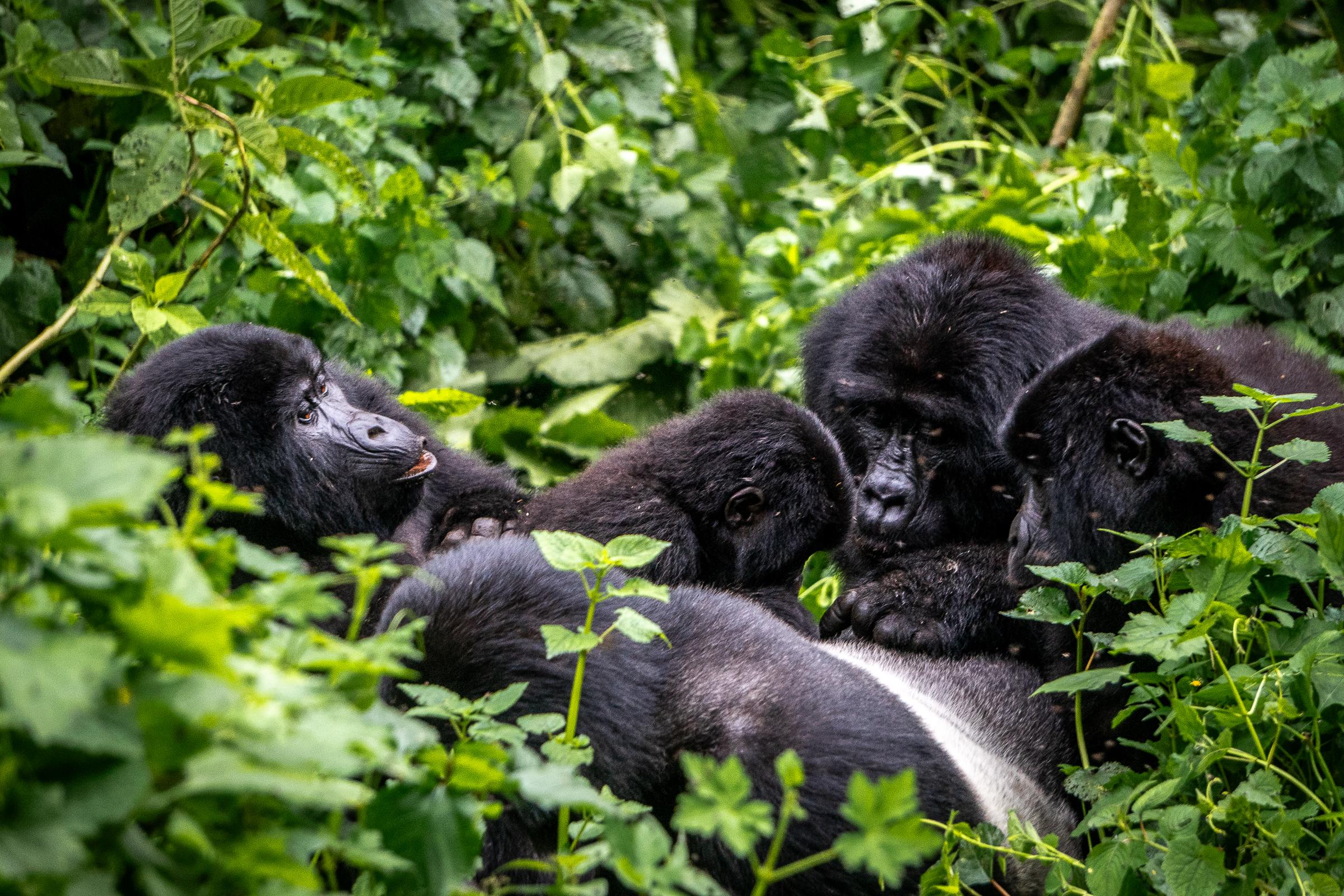
Bwindi Impenetrable National Park
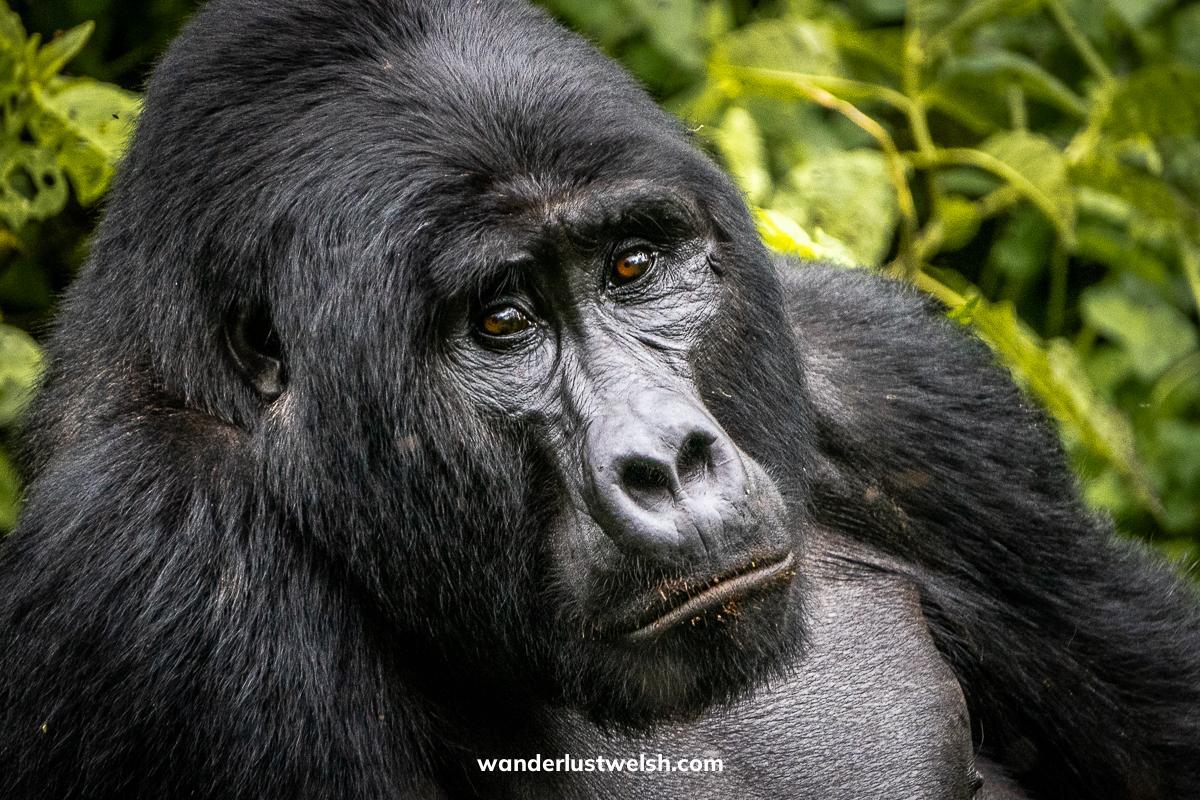
One hour with a mountain gorilla family.
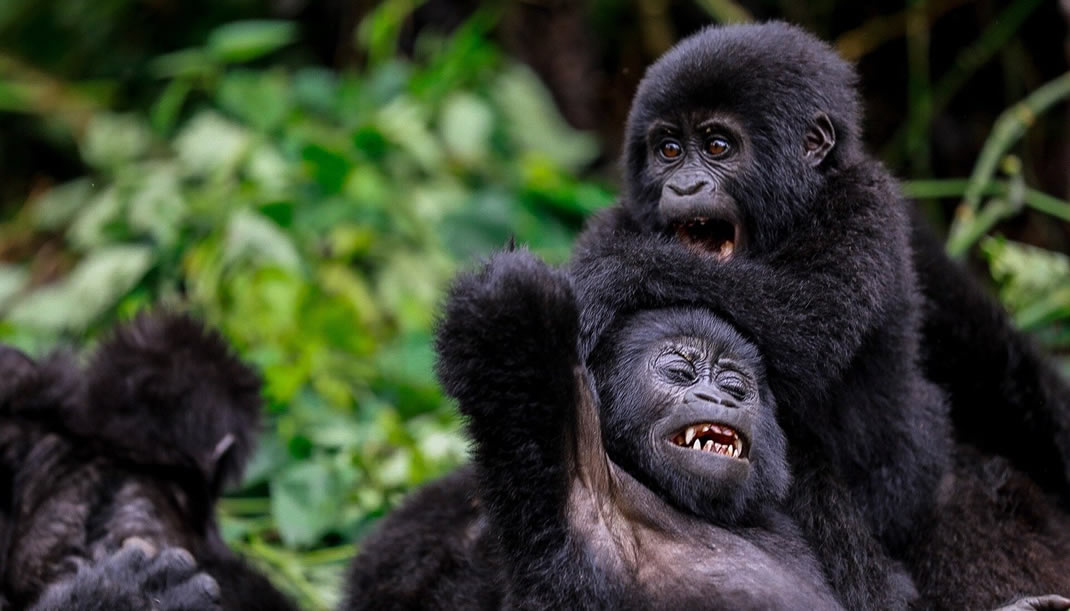
A dense, ancient montane rainforest in south-western Uganda holding roughly half the world's mountain gorillas, across four separate trekking sectors.
Queen Elizabeth National Park
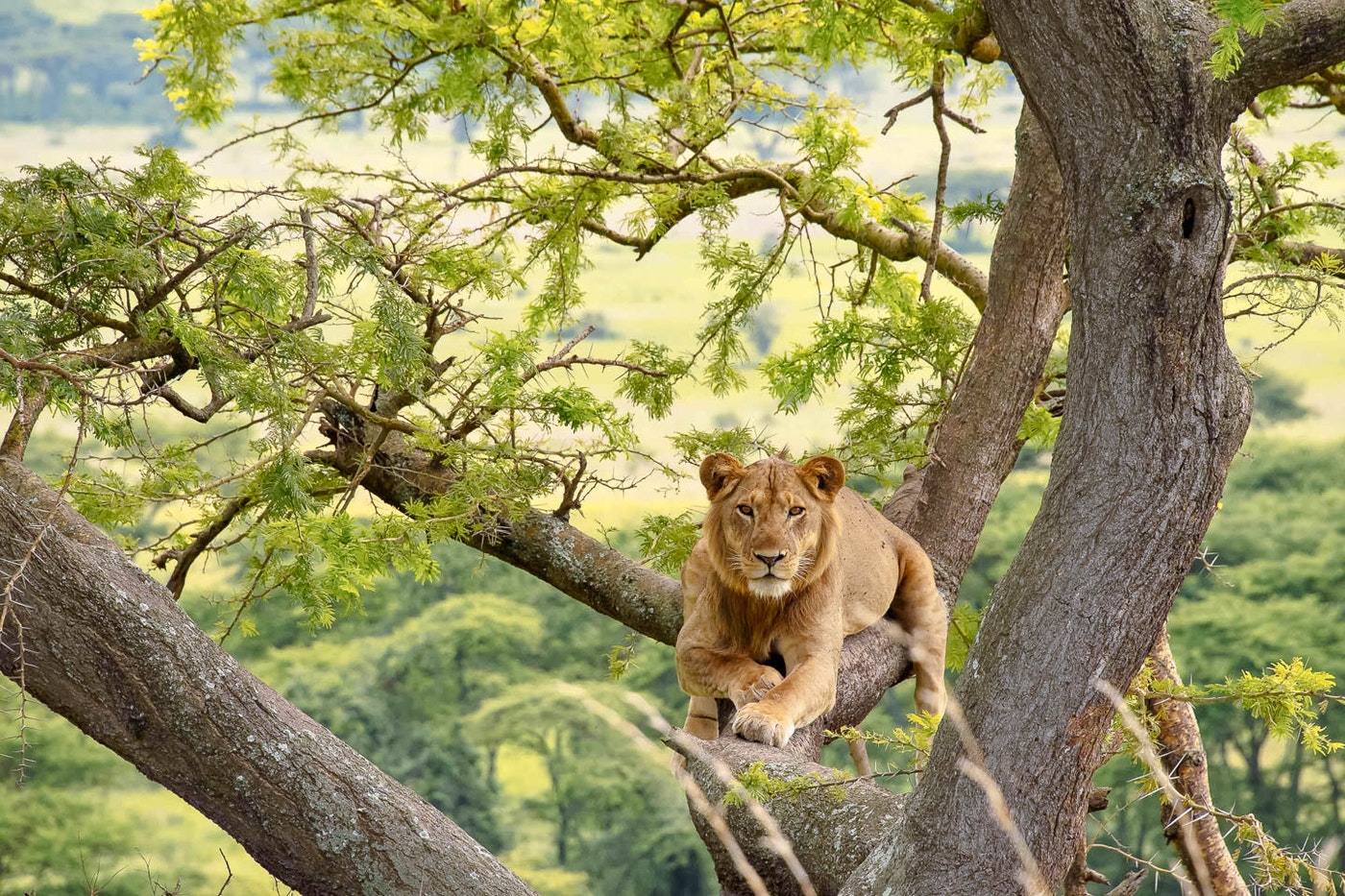
Tree-climbing lions and a channel full of hippo.
Uganda's most popular savannah park — the Kazinga Channel, the Ishasha tree-climbing lions, crater lakes, Kyambura gorge chimpanzees and nearly 600 bird species.
Kibale National Park
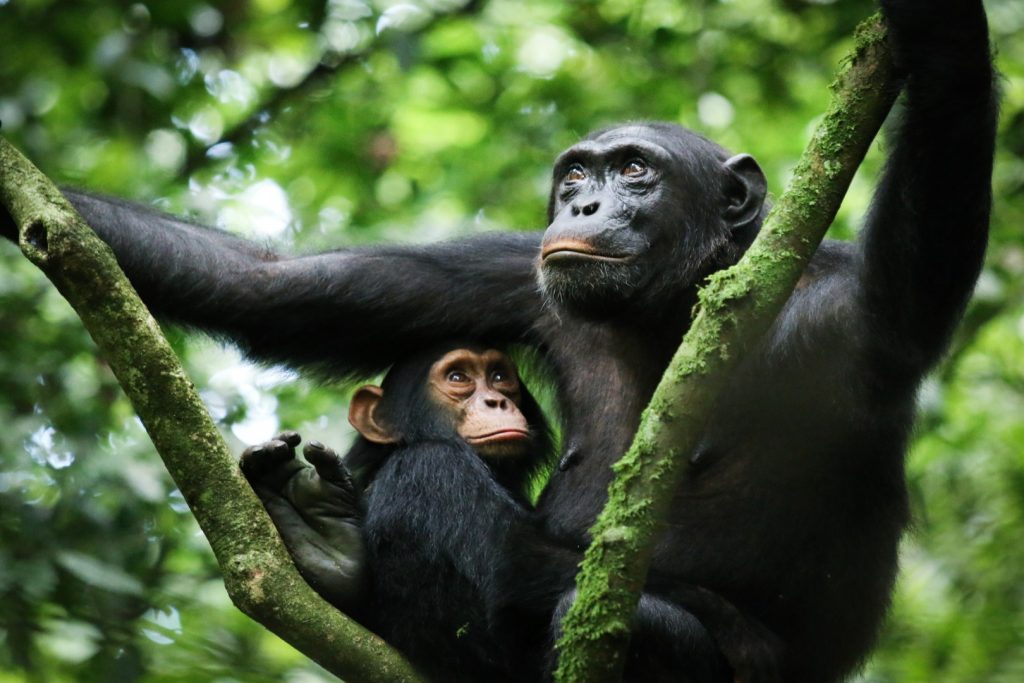
The primate capital of East Africa.
A tall tropical rainforest in western Uganda with the exceptionally high primate diversity and outstanding chimpanzee tracking.
Mgahinga Gorilla National Park
Three volcanoes, one gorilla family.
Uganda's smallest national park, in the Virunga volcanoes — one habituated gorilla family, golden monkey tracking, volcano climbs and Batwa cultural trails.
Planning your visit.
Practical guidance from our on-the-ground team, tailored to this destination.
Health
Lower altitude means higher malaria risk. Travellers should seek current medical advice regarding malaria prevention and vaccination requirements for their route, and use repellent.
Frequently asked.
What is the best way to see Murchison Falls?
Both from below and above: the three-hour launch trip upstream to the base, then the short steep hike to the brink. Doing only one leaves half the experience behind.
Is Murchison good for game viewing?
Yes on the northern bank — elephant, buffalo, lion, Rothschild's giraffe and large antelope herds. There are no rhino in the park, so it is not a Big Five destination.
Can I see shoebill here?
The Nile delta is a recognised area for shoebill searches. A dedicated boat trip can improve the opportunity for a sighting, though wildlife sightings can never be promised.
Can I track chimpanzees at Murchison?
Yes, in Budongo Forest at Kaniyo Pabidi, south of the river. Kibale remains the stronger chimpanzee destination.
How long should I stay?
Two nights covers the falls and the northern game drives; three allows Budongo or a delta trip as well.
Related reading.
Guides that pair well with a journey to this destination.
Ready to experience Murchison Falls National Park?
Tell us what draws you here and we'll shape a private journey around the places, experiences and pace that matter to you.