

Kibale National Park
“Thirteen primate species in one forest, and around fifteen hundred chimpanzees.”
A tall tropical rainforest in western Uganda with the exceptionally high primate diversity and outstanding chimpanzee tracking.
About Kibale.
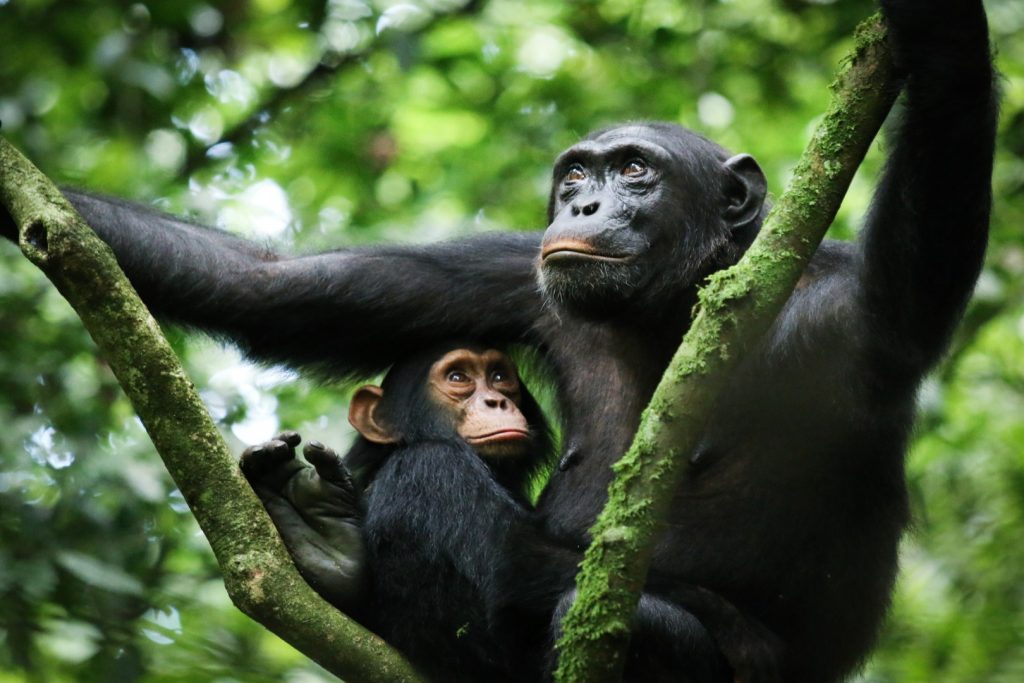
Kibale protects around 795 square kilometres of moist tropical forest, and it is widely regarded as a reliable place in East Africa to track chimpanzees. About fifteen hundred live here, and the Kanyanchu community has been habituated over decades of continuous research — which is why sighting success on a standard trek is high and the animals are relaxed on the ground.
Thirteen primate species share the forest: red colobus, black-and-white colobus, red-tailed monkey, grey-cheeked mangabey, L'Hoest's monkey, olive baboon, bushbaby and potto among them. Standing on the main trail in the morning, it is normal to have three species in view at once and a fourth calling somewhere above.
The chimpanzee habituation experience is the serious option: a full day with researchers, arriving before the chimps leave their night nests and staying until they build new ones. It is more expensive, more demanding and particularly rewarding for travellers interested in extended behavioural observation.
Adjacent Bigodi Wetland Sanctuary is community-run and excellent — a boardwalk swamp walk with sitatunga, papyrus specialists and eight primate species, entirely managed and staffed locally. Kibale pairs naturally with Queen Elizabeth two hours south.
Kibale National Park, in short.
The essentials our specialists check first when shaping a private itinerary.
Good to know.
- Location
- Western Uganda, near Fort Portal and two hours north of Queen Elizabeth National Park.
- Permits
- Chimpanzee tracking permits are limited per session; the full-day habituation permit is separate and costs more.
- Getting there
- Fly to Kasese from Entebbe, then around 2 hours by road; or 5 to 6 hours by road from Kampala.
- Age limit
- Minimum 12 years for chimpanzee tracking.
- Sessions
- Morning and afternoon treks from Kanyanchu; habituation starts before dawn.
- Gear
- Waterproof jacket, long trousers, boots with grip and insect repellent. Rain is possible in any month.
- Combines with
- Queen Elizabeth National Park, Bwindi, and the Ndali-Kasenda crater lakes.
Why visit Kibale National Park?
Chimpanzee tracking
One hour with a habituated community, with consistently high sighting success.
Habituation experience
A full day with researchers from night nest to night nest.
Thirteen primates
The exceptionally high primate diversity, including red colobus and grey-cheeked mangabey.
Bigodi Wetland Sanctuary
A community-run swamp boardwalk with sitatunga and eight primate species.
Night walks
Guided after-dark walks for potto, bushbaby and nightjars.
Crater lakes
The Ndali-Kasenda crater lake field just outside the park, good for walking and cycling.
Species you may encounter.
Wildlife commonly associated with the region. Sightings are always wild and never guaranteed.
Chimpanzee
Around 1,500 in the park, with habituated communities tracked daily from Kanyanchu.
Ugandan red colobus
Locally abundant and easily seen on the main forest trails.
Black-and-white colobus
Common in the canopy throughout the forest.
Grey-cheeked mangabey
A forest specialist, noisy and often high in the canopy.
L'Hoest's monkey
Frequently seen along trail edges and roadsides.
Potto and bushbaby
Nocturnal primates found on guided night walks.
African forest elephant
Present but seldom seen in dense forest.
Green-breasted pitta
A prized bird for visiting birders, best at dawn in the fruiting season.
Experiences in Kibale National Park.
The right time for Kibale National Park.
Driest tracking: June – August, December – February · Green and quiet: March – May, September – November
Drier trails and good tracking conditions.
One of the driest months; comfortable forest walking.
Rains begin; forest lush and quiet.
Wet and muddy underfoot, though tracking continues.
Still wet; fruiting can bring chimps close to the trails.
Dry season; excellent tracking and birding.
Peak conditions and peak demand.
Dry and busy; book permits ahead.
Rain returning; quieter forest.
Wet but excellent for birding and primate variety.
Wettest of the second rains.
Drying out; a strong festive-season choice.
- Altitude
- c. 1,100 – 1,590 m
- Average temperature
- 14 – 27°C; humid year-round
- Dry season
- June – August and December – February
- Rainy season
- March – May and September – November
Kibale National Park on the map.
The park and the places around it — nearby destinations, areas and camps we work with.
Combine Kibale National Park with…
Bwindi Impenetrable National Park
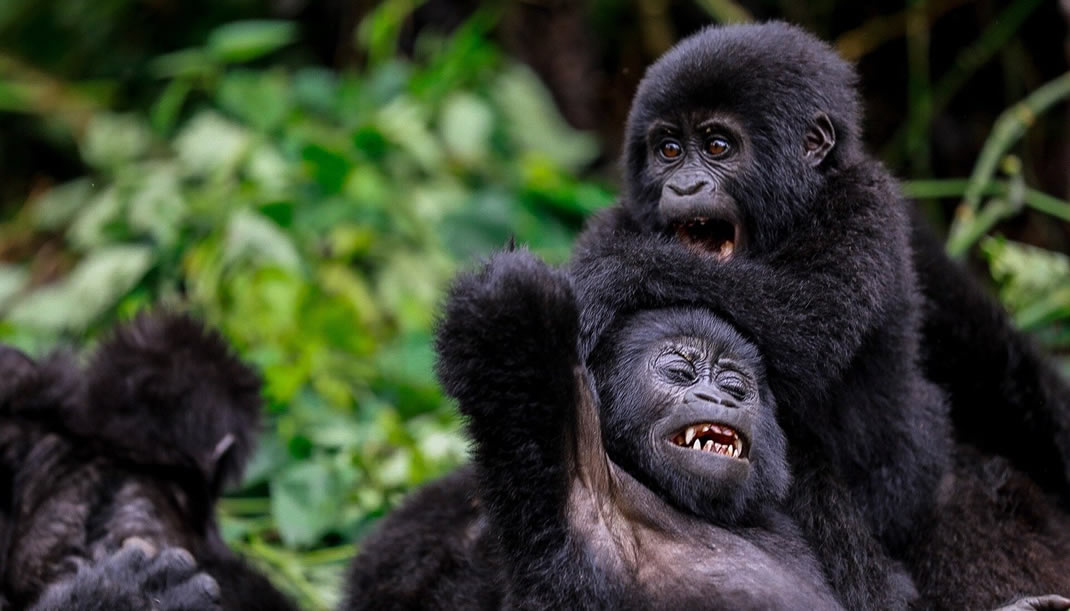
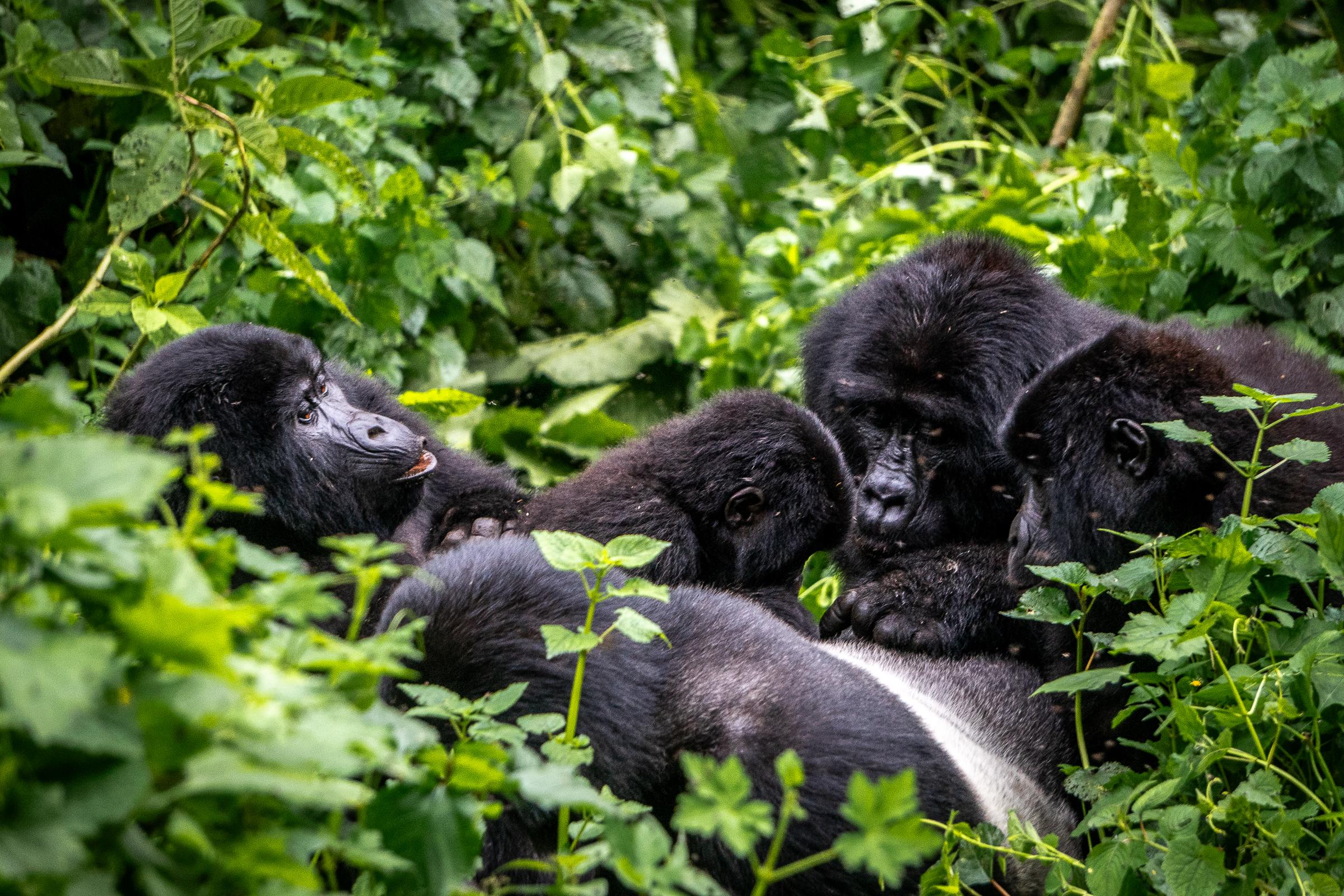
One hour with a mountain gorilla family.
A dense, ancient montane rainforest in south-western Uganda holding roughly half the world's mountain gorillas, across four separate trekking sectors.
Queen Elizabeth National Park
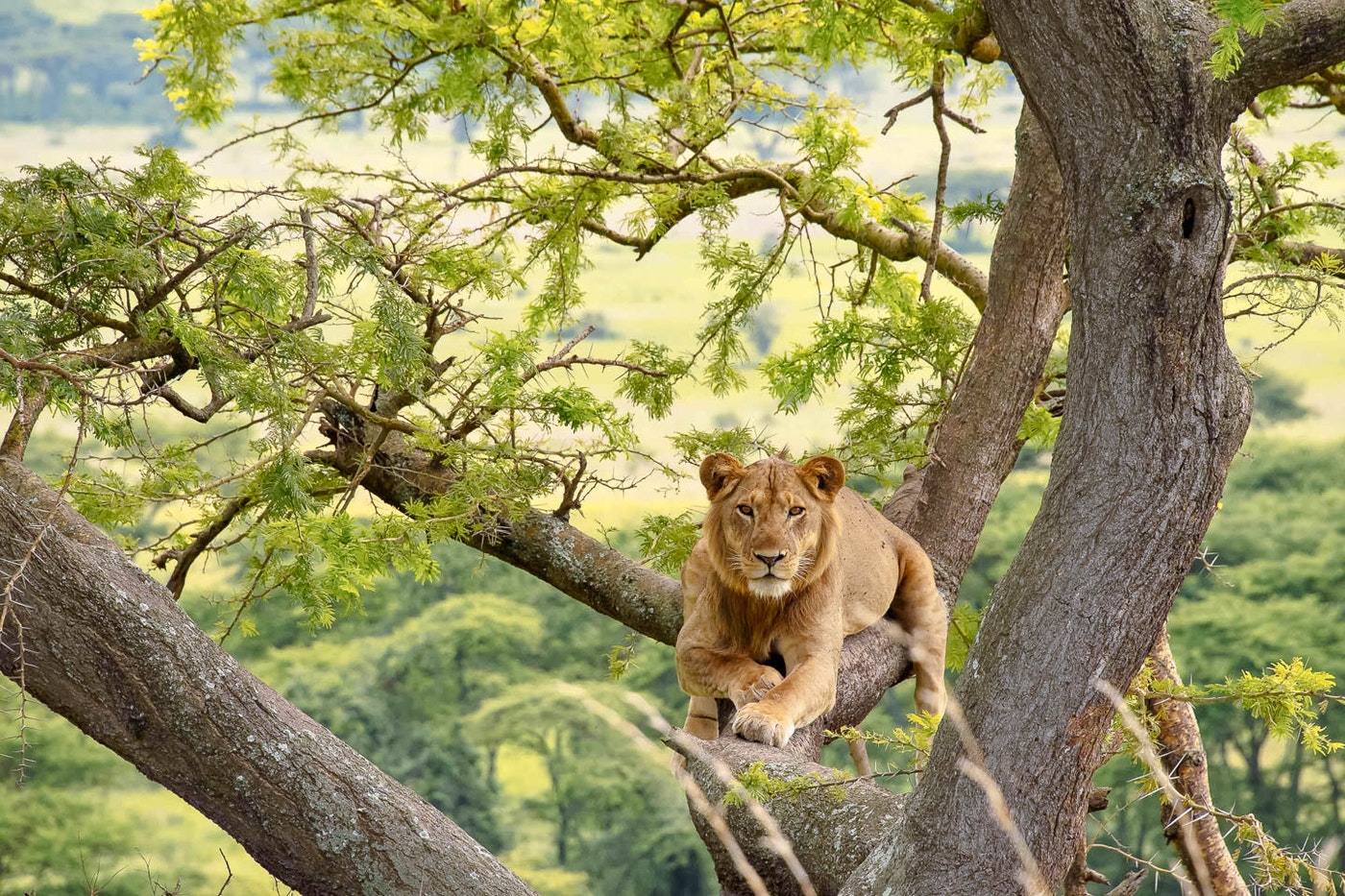
Tree-climbing lions and a channel full of hippo.
Uganda's most popular savannah park — the Kazinga Channel, the Ishasha tree-climbing lions, crater lakes, Kyambura gorge chimpanzees and nearly 600 bird species.
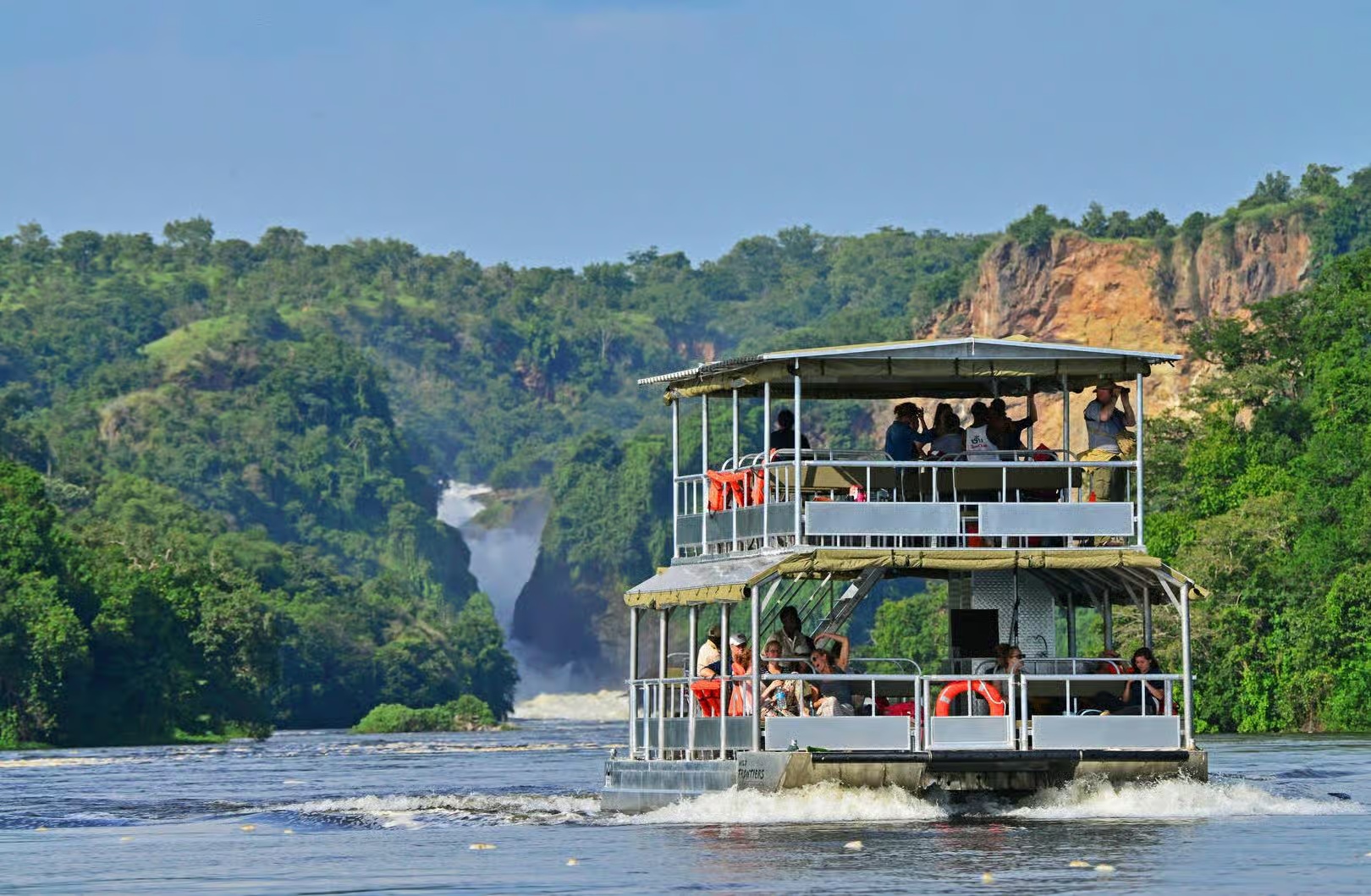
Murchison Falls National Park
The Nile forced through seven metres of rock.
Uganda's largest national park, split by the Victoria Nile, with the Murchison gorge, boat safaris to the falls, big game on the northern savannah and Budongo forest to the south.
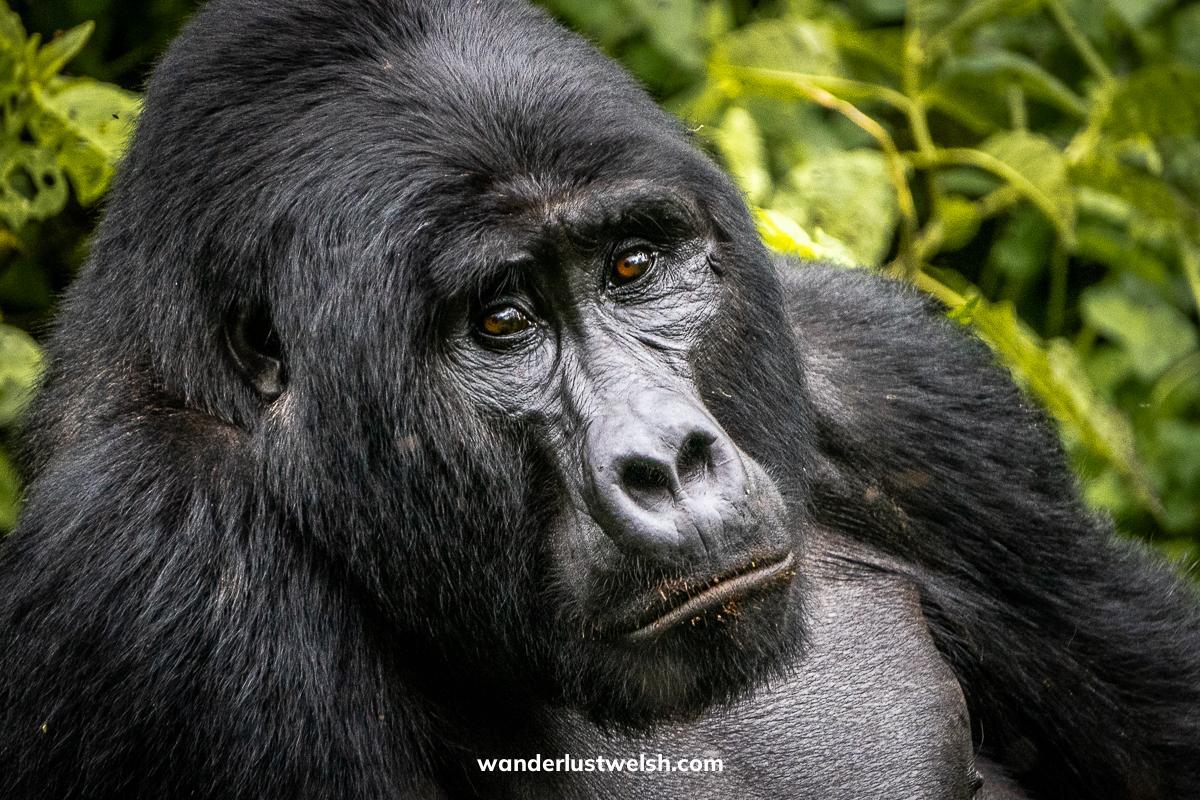
Mgahinga Gorilla National Park
Three volcanoes, one gorilla family.
Uganda's smallest national park, in the Virunga volcanoes — one habituated gorilla family, golden monkey tracking, volcano climbs and Batwa cultural trails.
Planning your visit.
Practical guidance from our on-the-ground team, tailored to this destination.
Health rules
No tracking with a transmissible illness; a minimum distance and mask use are enforced.
Frequently asked.
How likely am I to see chimpanzees in Kibale?
High on a standard trek — the Kanyanchu community has been habituated over decades. Nothing wild can be promised, but Kibale is widely regarded as a reliable chimpanzee-tracking destination in East Africa.
What is the habituation experience?
A full day with researchers, from the chimps leaving their night nests to building new ones. It requires a separate, more expensive permit and considerably more stamina.
Is chimpanzee tracking easier than gorilla trekking?
The terrain is gentler and lower, but chimps move fast and noisily through the canopy, so you may walk quickly for long stretches. Gorillas are steeper work; chimps are faster work.
What is the minimum age?
Twelve years for chimpanzee tracking, lower than the fifteen-year gorilla limit.
Is Bigodi worth doing?
Yes. It is community-run, excellent for primates and swamp birds, and the revenue goes directly into local projects.
Related reading.
Guides that pair well with a journey to this destination.
Ready to experience Kibale National Park?
Tell us what draws you here and we'll shape a private journey around the places, experiences and pace that matter to you.