

Queen Elizabeth National Park
“The Kazinga Channel at dusk holds more hippo per kilometre than anywhere you have been.”
Uganda's most popular savannah park — the Kazinga Channel, the Ishasha tree-climbing lions, crater lakes, Kyambura gorge chimpanzees and nearly 600 bird species.
About Queen Elizabeth.
Queen Elizabeth spans around 1,978 square kilometres between Lakes Edward and George, with the Rwenzori foothills on one side and the Kazinga Channel running through the middle. That channel is the park's defining feature: a 32-kilometre natural waterway carrying large concentrations of hippos, plus buffalo, elephant, crocodile and an extraordinary line of waterbirds along the banks. The afternoon boat cruise is the highlight of most visits to the park.
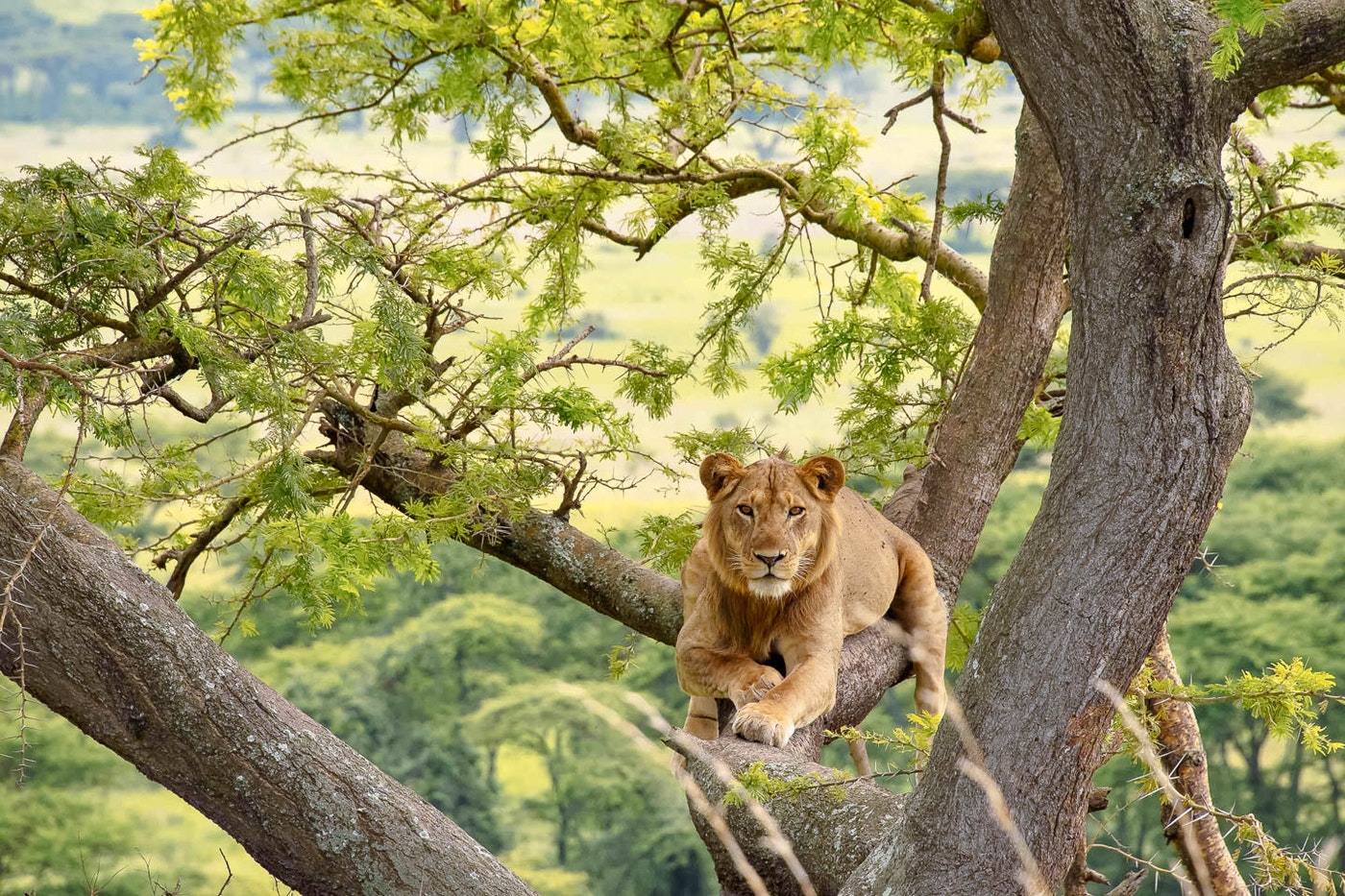
The southern Ishasha sector is the other reason people come. Its fig trees hold lions that habitually climb and rest in the branches — unusual behaviour that has become the sector's signature, though sightings can never be promised. Ishasha also holds Uganda kob in numbers, plus topi and strong elephant.
Around the park: explosion crater lakes on the Katwe road, salt extraction still worked by hand at Katwe, and the Kyambura gorge, a sunken forest where a small habituated chimpanzee community lives. Kyambura sightings are less reliable than Kibale's and we say so. Nearly 600 bird species have been recorded here, making the park exceptionally rich in birdlife.
Queen Elizabeth National Park, in short.
The essentials our specialists check first when shaping a private itinerary.
Good to know.
- Location
- Western Uganda between Lakes Edward and George, on the DRC border.
- Park size
- c. 1,978 km²
- Getting there
- Fly to Kasese or Mweya from Entebbe, or 6 to 7 hours by road from Kampala.
- Minimum stay
- Two nights; three to include Ishasha, which is a 2 to 3 hour drive from Mweya.
- Must do
- The afternoon Kazinga Channel boat cruise — the strongest single activity in the park.
- Ishasha
- The tree-climbing lions are a behaviour, not a certainty. Give the sector a full night rather than a rushed day trip.
- Kyambura
- Chimpanzee tracking here has lower success rates than Kibale. Treat it as a gorge experience with a chance of chimps.
- Combines with
- Kibale to the north, Bwindi to the south — Queen Elizabeth sits naturally between them.
Why visit Queen Elizabeth National Park?
Kazinga Channel cruise
Two hours among vast hippo pods, elephant, buffalo and waterbirds at close range.
Ishasha tree-climbing lions
Lions resting in fig trees in the southern sector — unusual behaviour, though sightings can never be promised.
Explosion crater drive
A high circuit through volcanic craters with views to the Rwenzori.
Kyambura gorge
A sunken forest with a small habituated chimpanzee community and dramatic terrain.
Katwe salt works
Hand-worked salt pans operating on the crater lake for centuries.
Nearly 600 bird species
An exceptionally high recorded bird diversity for a protected area.
Mongoose research
Habituated banded mongoose groups studied continuously at Mweya.
Species you may encounter.
Wildlife commonly associated with the region. Sightings are always wild and never guaranteed.
Hippopotamus
One of Africa's densest populations along the Kazinga Channel.
Lion
Resident throughout, with the tree-climbing behaviour distinctive to Ishasha.
African elephant
Common along the channel and in the northern Kasenyi plains.
Cape buffalo
Abundant, including reddish individuals showing forest buffalo ancestry.
Uganda kob
Large breeding grounds on the Kasenyi plains, the main lion prey.
Leopard
Resident in the Mweya and Kasenyi areas; sightings are occasional.
Chimpanzee
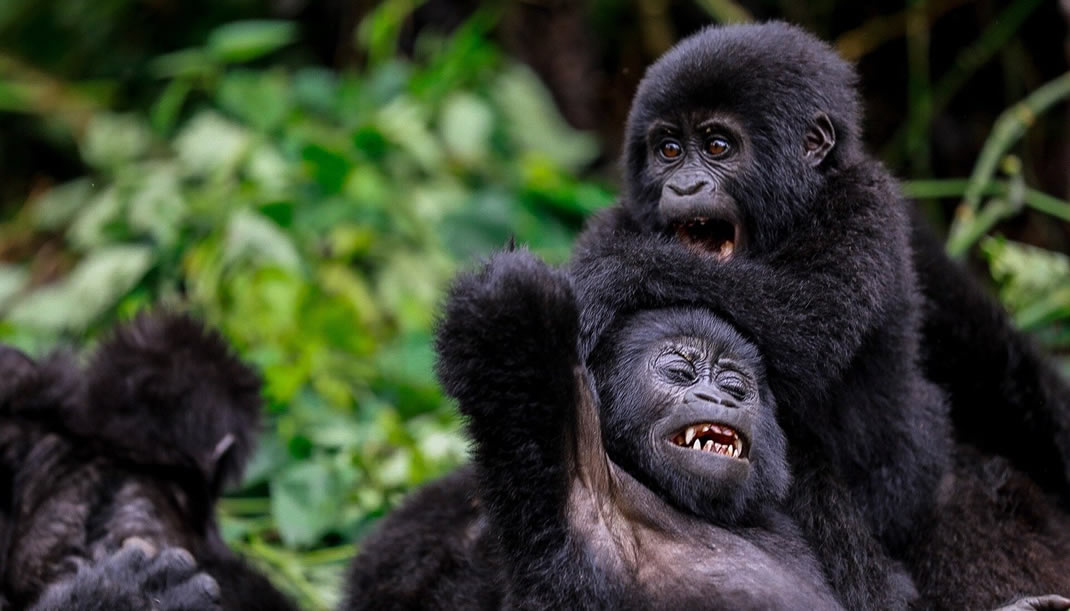
A small habituated community in Kyambura gorge, less reliable than Kibale.
Shoebill
Occasionally recorded on Lake Edward flats and swamp edges.
African skimmer and pelican
Among nearly 600 recorded bird species along the channel.
The right time for Queen Elizabeth National Park.
Best game viewing: December – February, June – August · Best birding: November – April
Dry and warm; excellent channel cruises and game drives.
Driest month with game concentrated on water.
Rains begin; landscapes green and birding strong.
Wet; Ishasha tracks can become difficult.
Still wet with tall grass.
Drying out; comfortable and good value.
Dry season peak; strong all-round viewing.
Dry and busy; book the channel cruise ahead.
Rain returning; fewer vehicles.
Wet with outstanding birding.
Wettest of the second rains.
Drying and popular over the festive period.
- Altitude
- c. 910 – 1,390 m
- Average temperature
- 18 – 31°C; warm and humid
- Dry season
- December – February and June – August
- Rainy season
- March – May and September – November
Queen Elizabeth National Park on the map.
The park and the places around it — nearby destinations, areas and camps we work with.
Journeys featuring Queen Elizabeth National Park.
Combine Queen Elizabeth National Park with…
Bwindi Impenetrable National Park
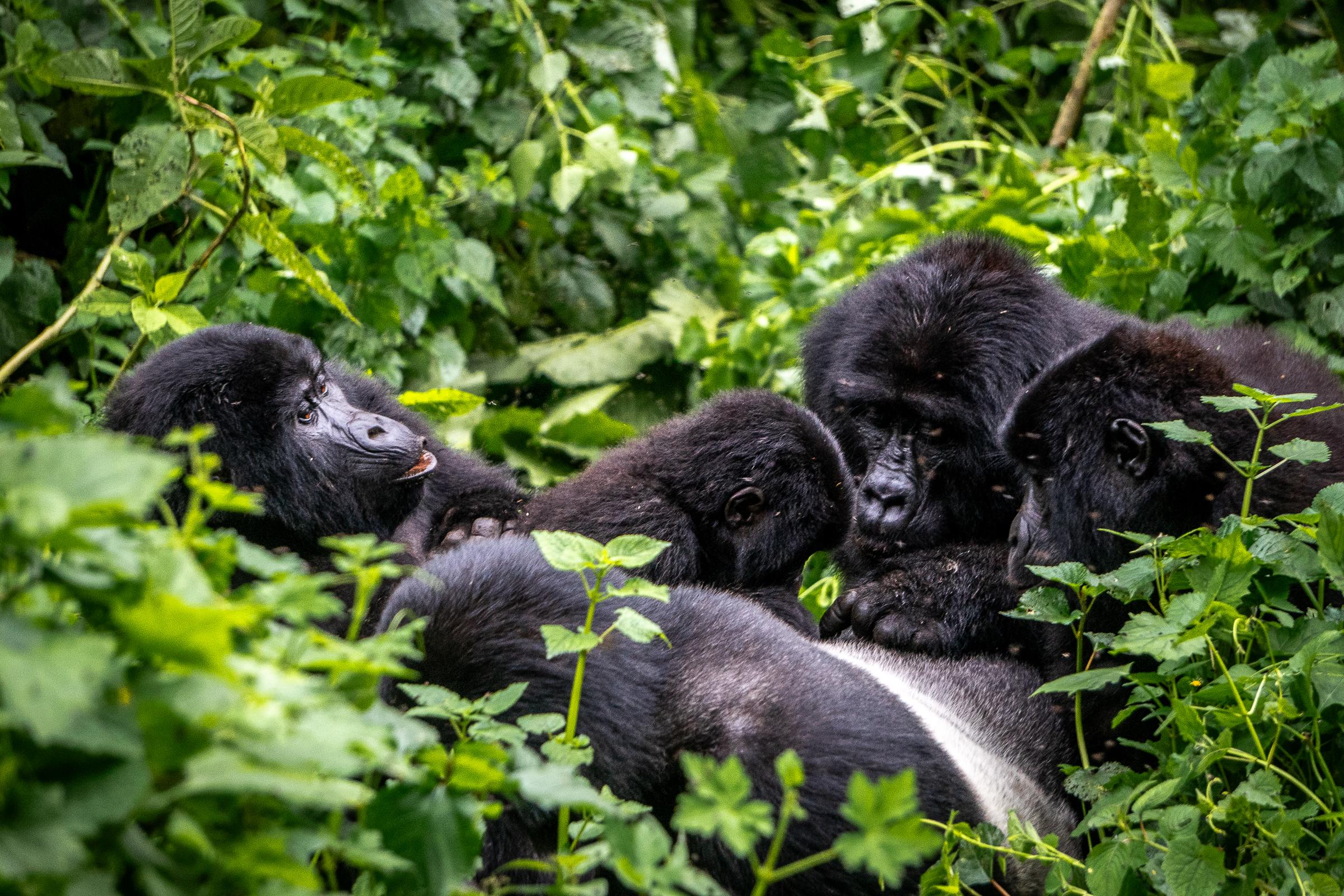
One hour with a mountain gorilla family.
A dense, ancient montane rainforest in south-western Uganda holding roughly half the world's mountain gorillas, across four separate trekking sectors.
Murchison Falls National Park
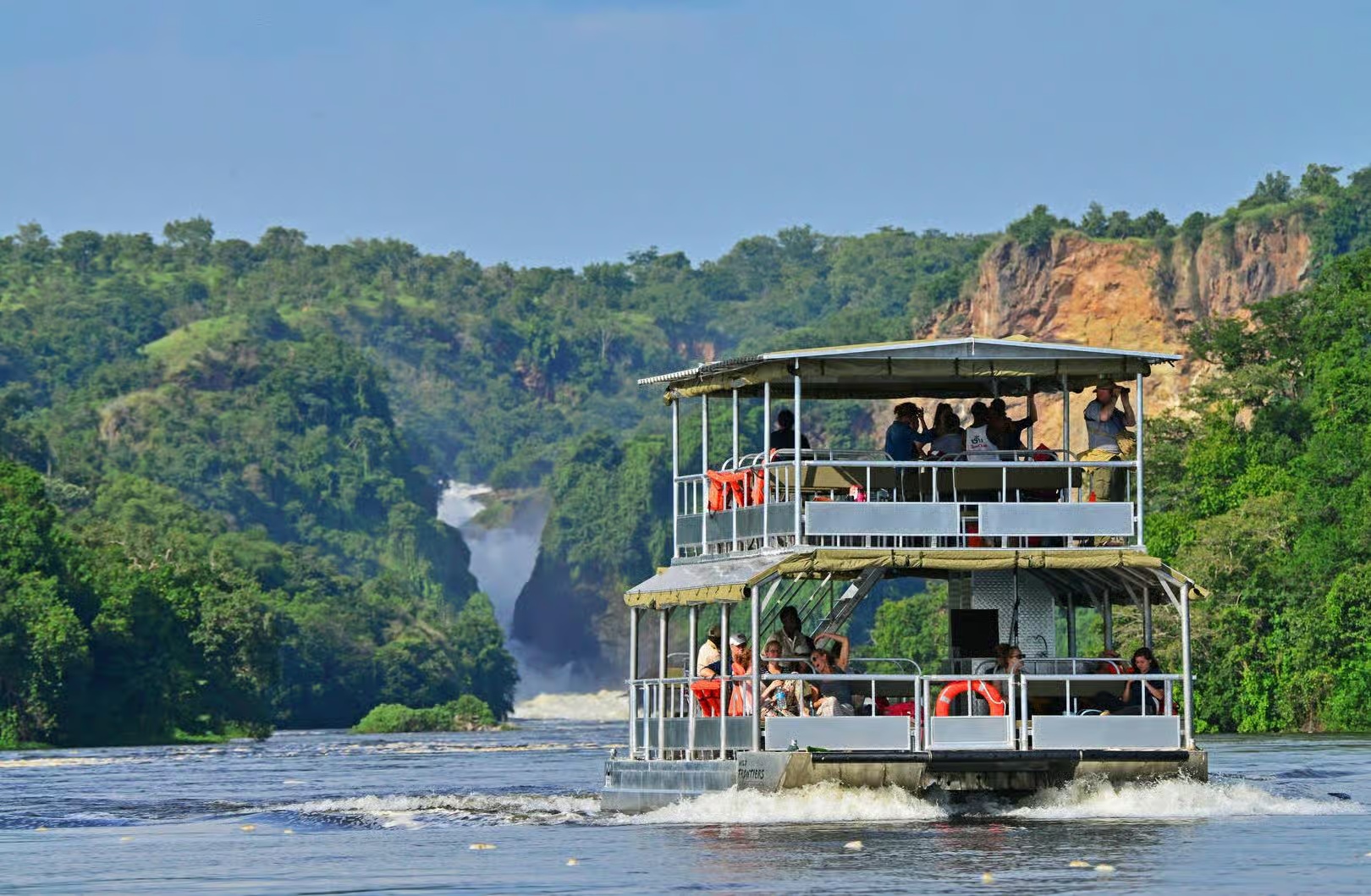
The Nile forced through seven metres of rock.
Uganda's largest national park, split by the Victoria Nile, with the Murchison gorge, boat safaris to the falls, big game on the northern savannah and Budongo forest to the south.
Kibale National Park
The primate capital of East Africa.
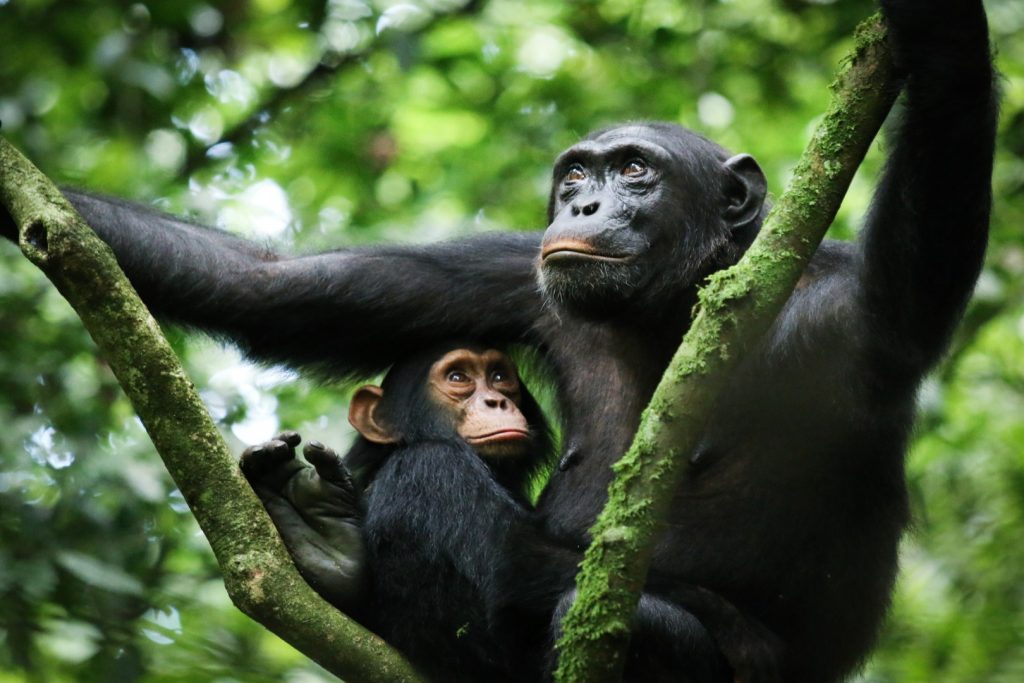
A tall tropical rainforest in western Uganda with the exceptionally high primate diversity and outstanding chimpanzee tracking.
Mgahinga Gorilla National Park
Three volcanoes, one gorilla family.
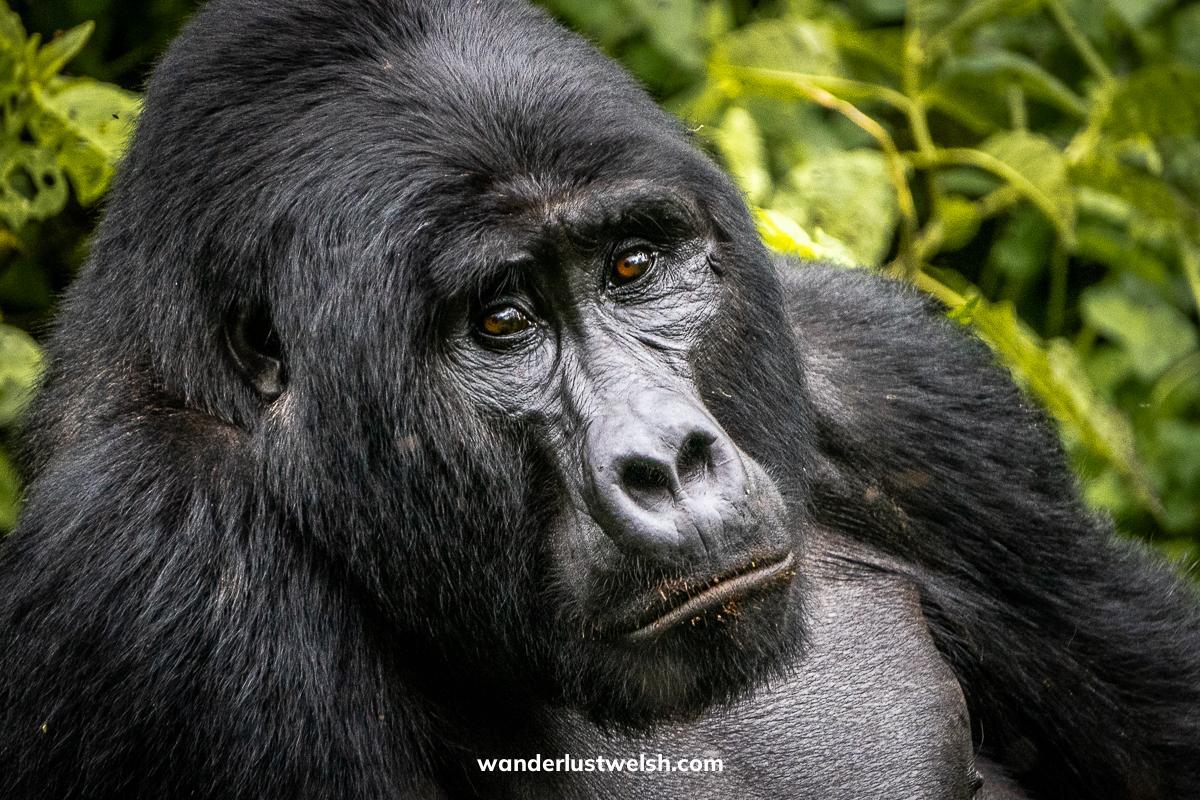
Uganda's smallest national park, in the Virunga volcanoes — one habituated gorilla family, golden monkey tracking, volcano climbs and Batwa cultural trails.
Planning your visit.
Practical guidance from our on-the-ground team, tailored to this destination.
Health
Warm, low-lying and humid. Seek current medical advice regarding malaria prevention for this region.
Frequently asked.
Will I see tree-climbing lions?
Possibly. Lions in the Ishasha sector regularly rest in fig trees, but it is behaviour rather than a guarantee. Staying a night in Ishasha rather than day-tripping gives the best chance.
Is the Kazinga Channel cruise worth it?
It is one of the park's signature activities — two hours among hippos, elephant, buffalo and abundant waterbirds along the channel.
Should I track chimps at Kyambura or Kibale?
Kibale for the chimpanzees themselves. Kyambura is a spectacular sunken gorge with a small community and noticeably lower success rates.
How long do I need?
Two nights for the channel and northern plains, three if you want Ishasha as well.
Is it good for birding?
Exceptional — close to 600 recorded species, an exceptionally high diversity for a protected area.
Related reading.
Guides that pair well with a journey to this destination.
Ready to experience Queen Elizabeth National Park?
Tell us what draws you here and we'll shape a private journey around the places, experiences and pace that matter to you.