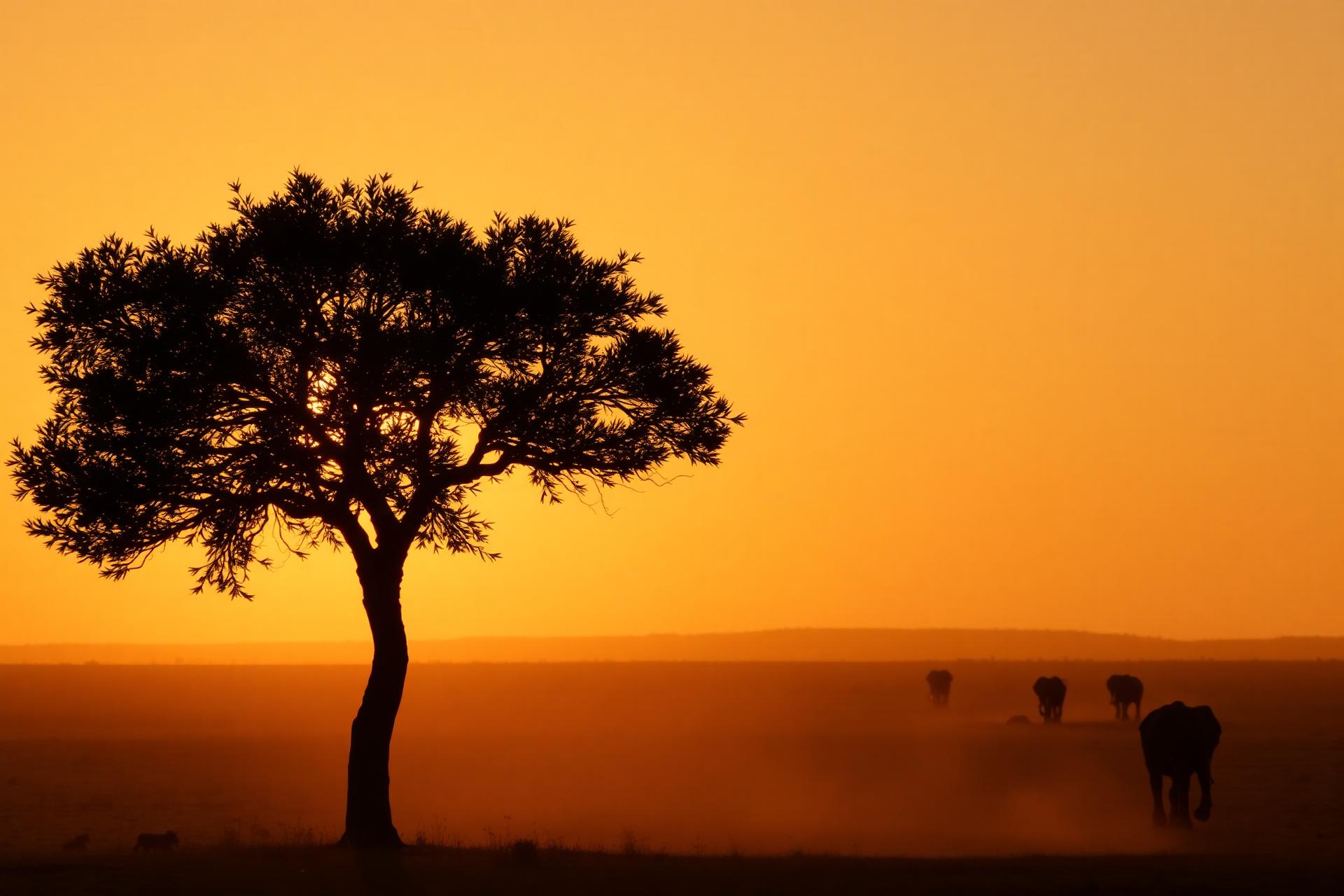
Photography safaris built around light, patience and position.
Private vehicles and slower routes for travellers who want time with a sighting rather than a checklist of parks.
Wildlux photography safaris are designed around the practical things that improve time in the field: private vehicles, flexible departures, longer stays in productive areas and routes matched to the season.
Photography changes the priorities of a safari. The best image may require waiting in one place while other vehicles move on, leaving before sunrise, returning later than usual or spending several days in the same ecosystem.
A private vehicle gives that freedom. We also reduce unnecessary lodge changes so more of the day can be spent watching behaviour and working with changing light.
Time in the field matters more than distance covered.
A photography route should not be judged by how many parks it includes. We concentrate on productive areas and protect full days so there is time to wait for behaviour instead of constantly moving on.
Plan around the season and the subject.
Calving season, dry-season concentrations, river-crossing months and primate forests all create different photographic opportunities. We start with the subject and month, then choose the geography.
Private vehicle, flexible positioning.
Your guide can position the vehicle around your photographic priorities without balancing the interests of unrelated guests. That is especially useful for early light, backlighting and longer observation of a single sighting.
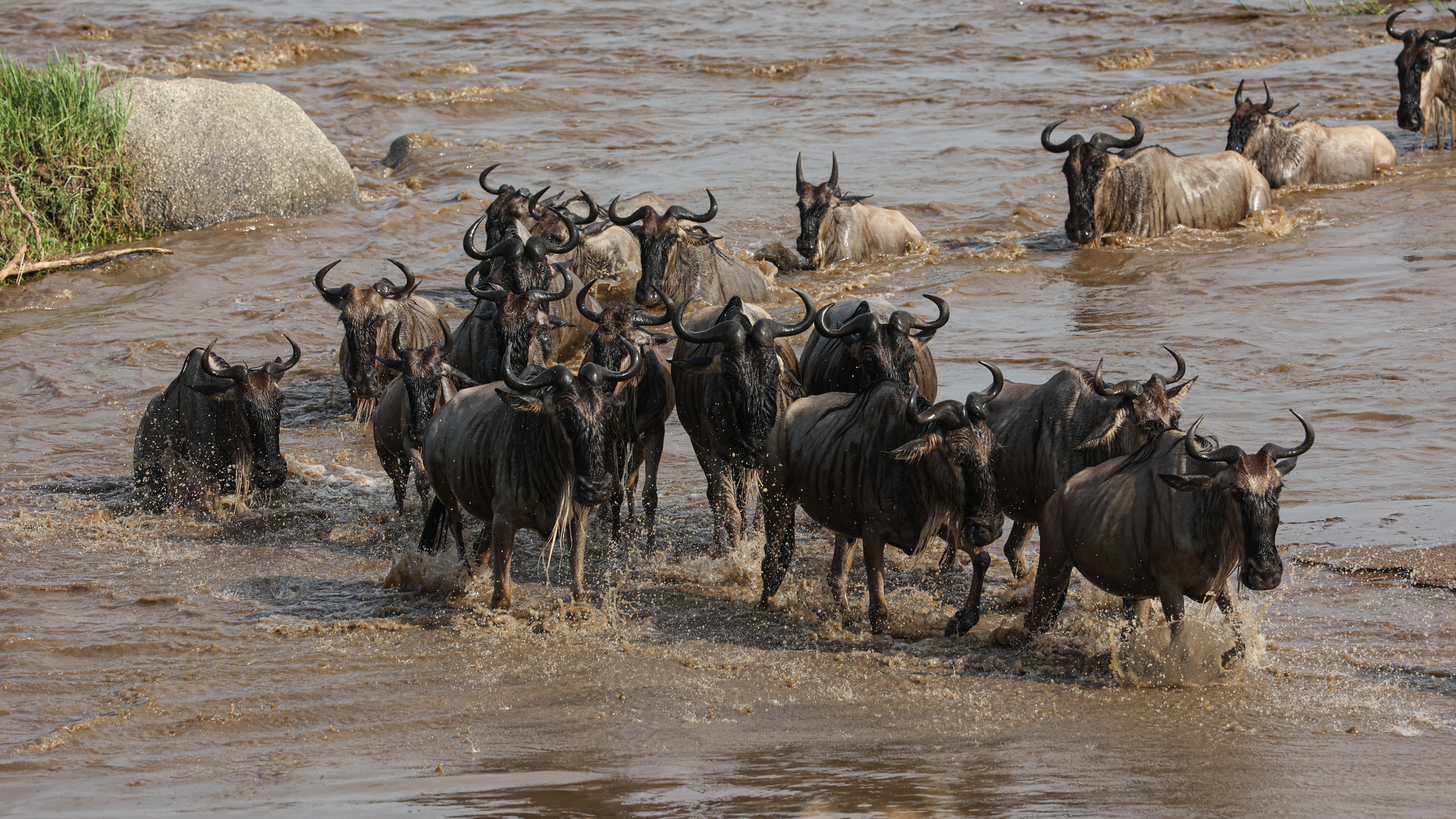
8-Day Luxury Grumeti Migration & Fly-Out Safari
Discover northern Tanzania on a private safari that brings together Tarangire's baobab landscapes, the wildlife-rich Ngorongoro Crater and four nights in the Serengeti.
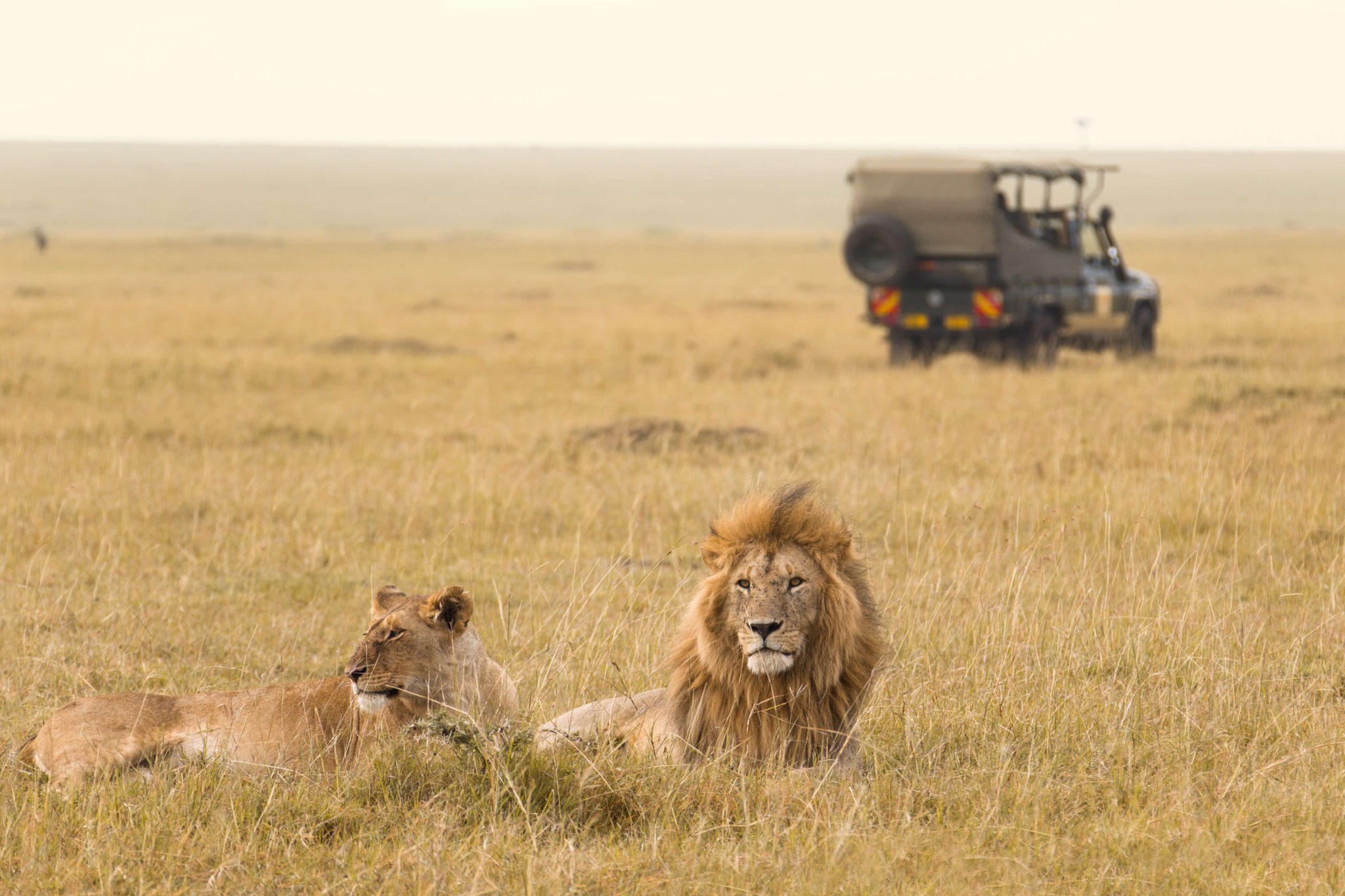
Across the Great Plains
Two countries. One extraordinary ecosystem.
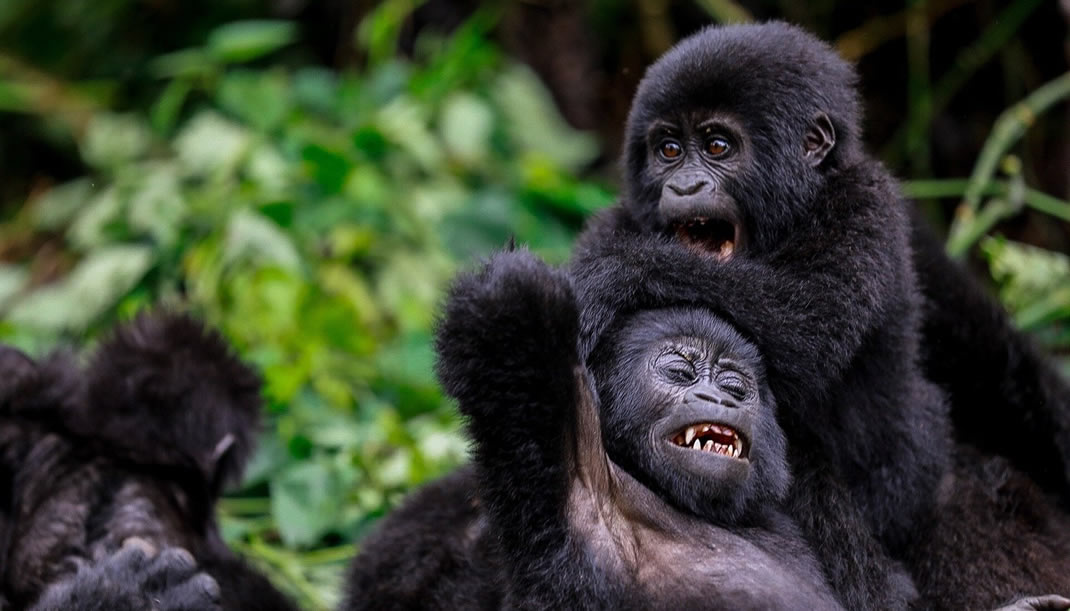
Primates & Plains
From the great savannahs to the forests of the mountain gorillas.
Destinations connected to this collection.
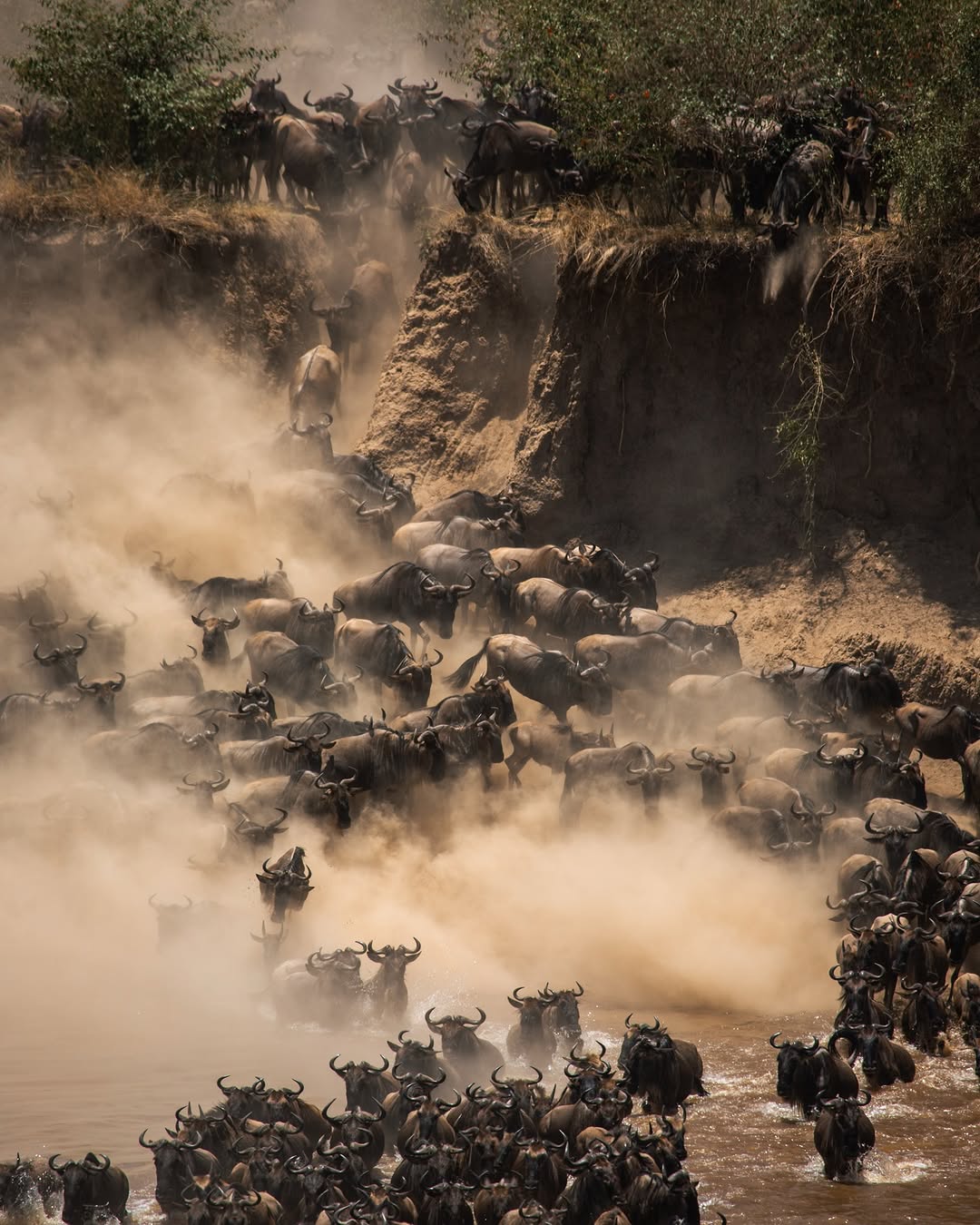
Serengeti National Park
The endless plains.
Fourteen thousand square kilometres of grassland, kopjes and riverine forest carrying the largest land migration on earth — and, outside the migration, the densest population of big cats in Africa.
Maasai Mara National Reserve
Kenya's greatest wildlife theatre.
Rolling grassland on the Kenyan side of the Serengeti ecosystem, holding one of Africa's strongest lion populations and the Mara River crossings from July to October.
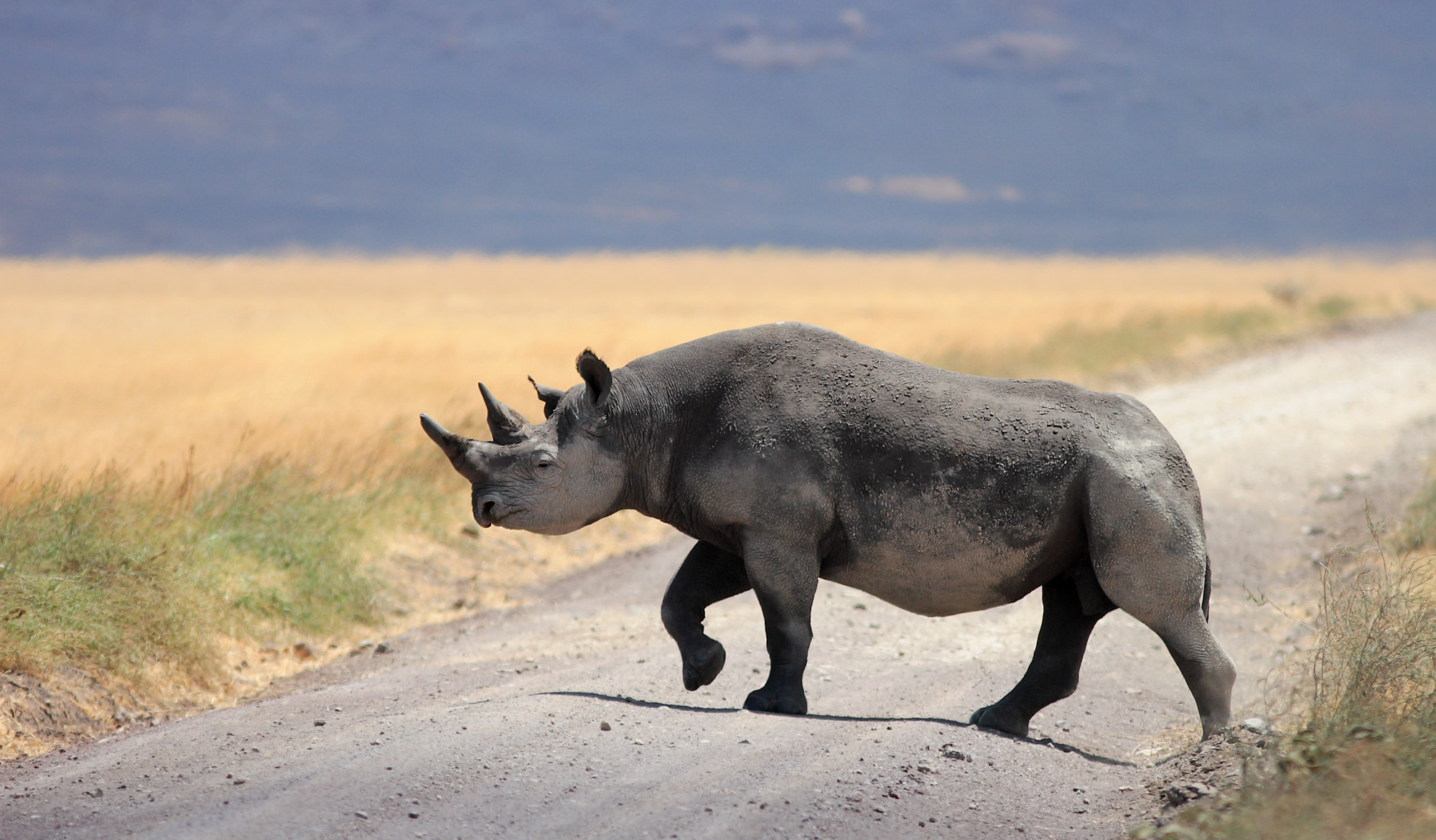
Ngorongoro Conservation Area & Crater
The world's greatest natural wildlife amphitheatre.
A UNESCO World Heritage Site where 260 square kilometres of crater floor hold lion, elephant, buffalo, leopard and one of Africa's last populations of black rhino — all beneath a 600-metre volcanic rim shared with Maasai herders.
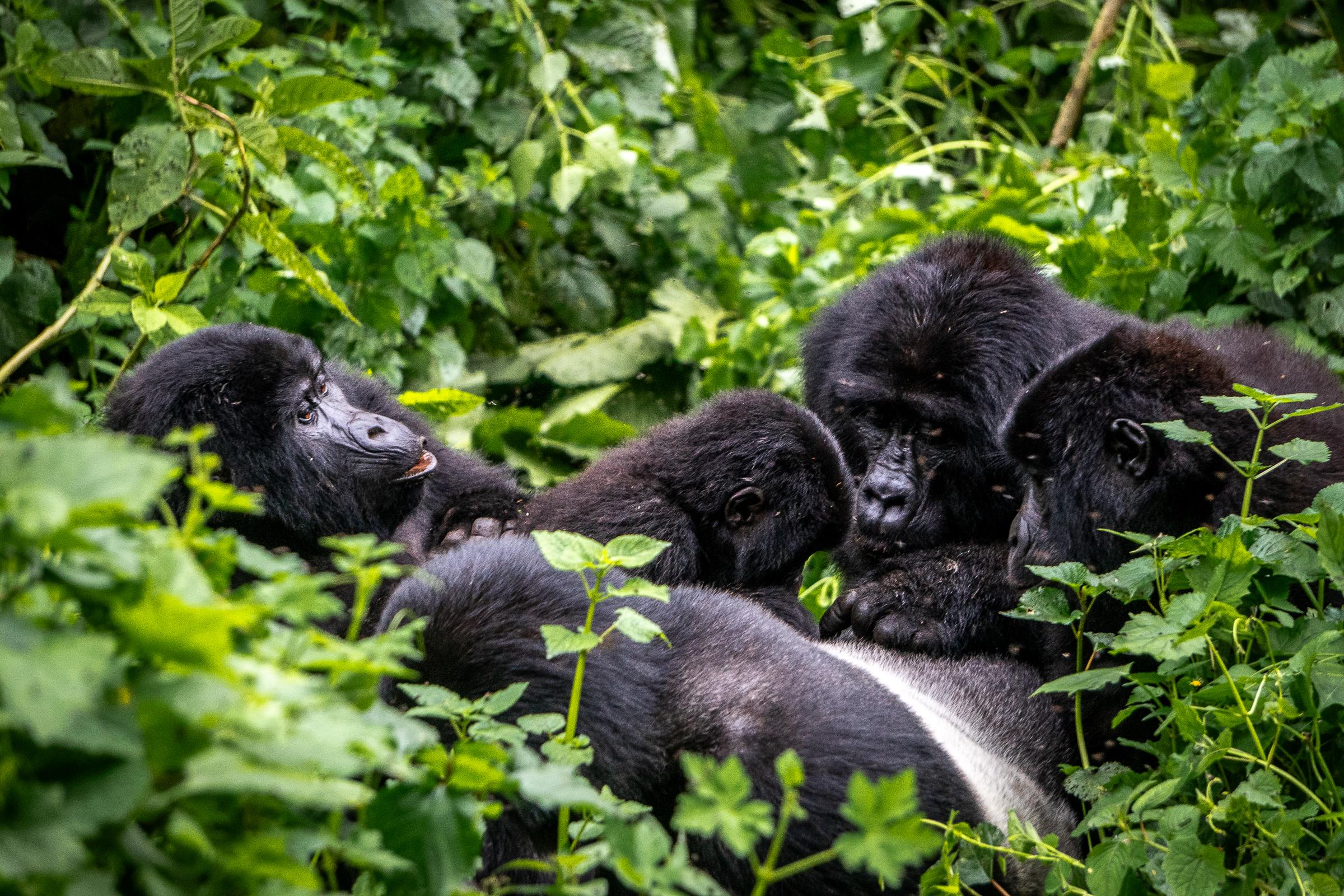
Bwindi Impenetrable National Park
One hour with a mountain gorilla family.
A dense, ancient montane rainforest in south-western Uganda holding roughly half the world's mountain gorillas, across four separate trekking sectors.
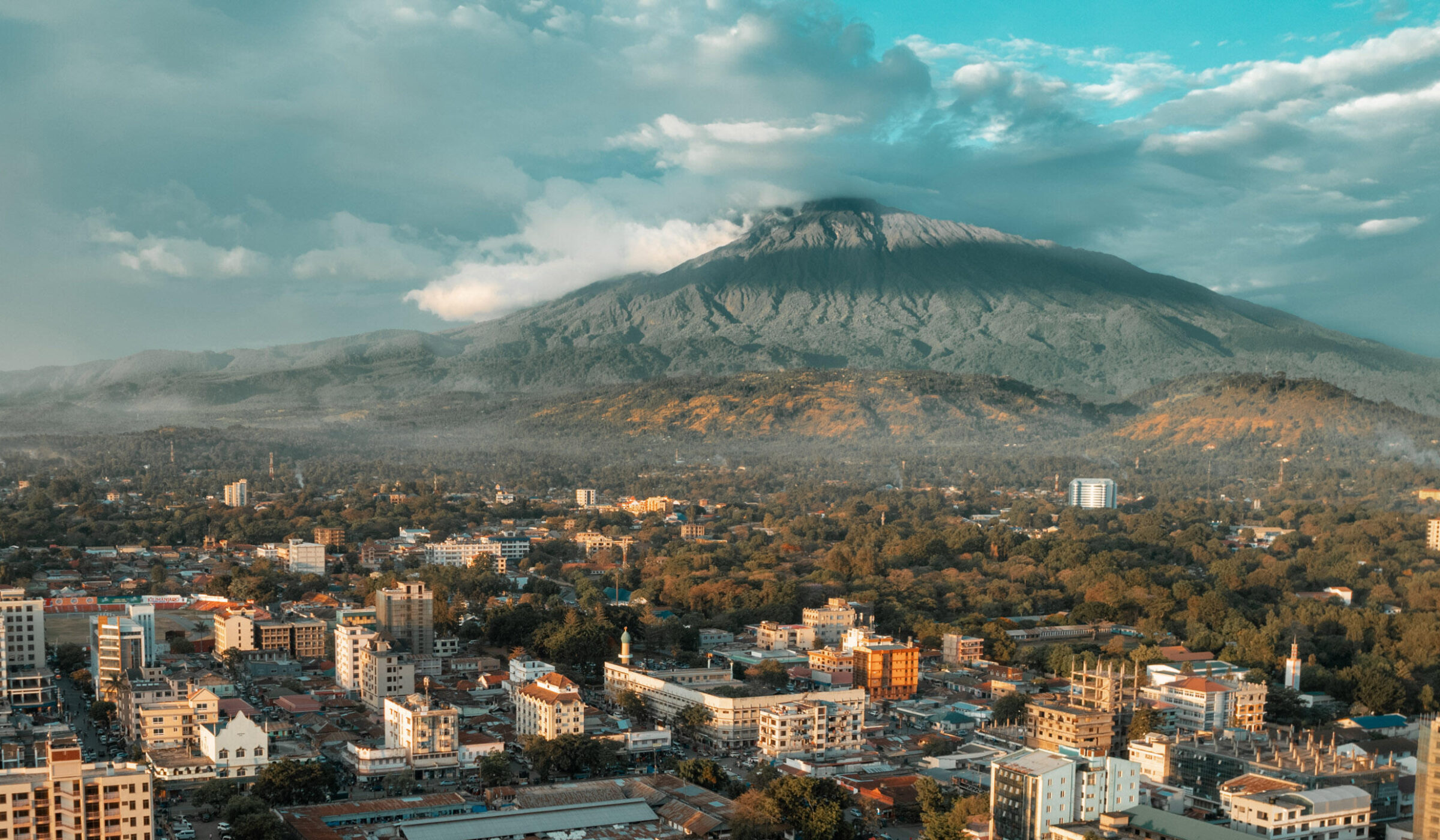
Arusha
The Gateway to Tanzania's Legendary Northern Safari Circuit
Arusha is Tanzania's premier safari gateway, offering easy access to world-famous national parks, Mount Kilimanjaro, rich cultural experiences, luxury lodges and authentic East African hospitality.
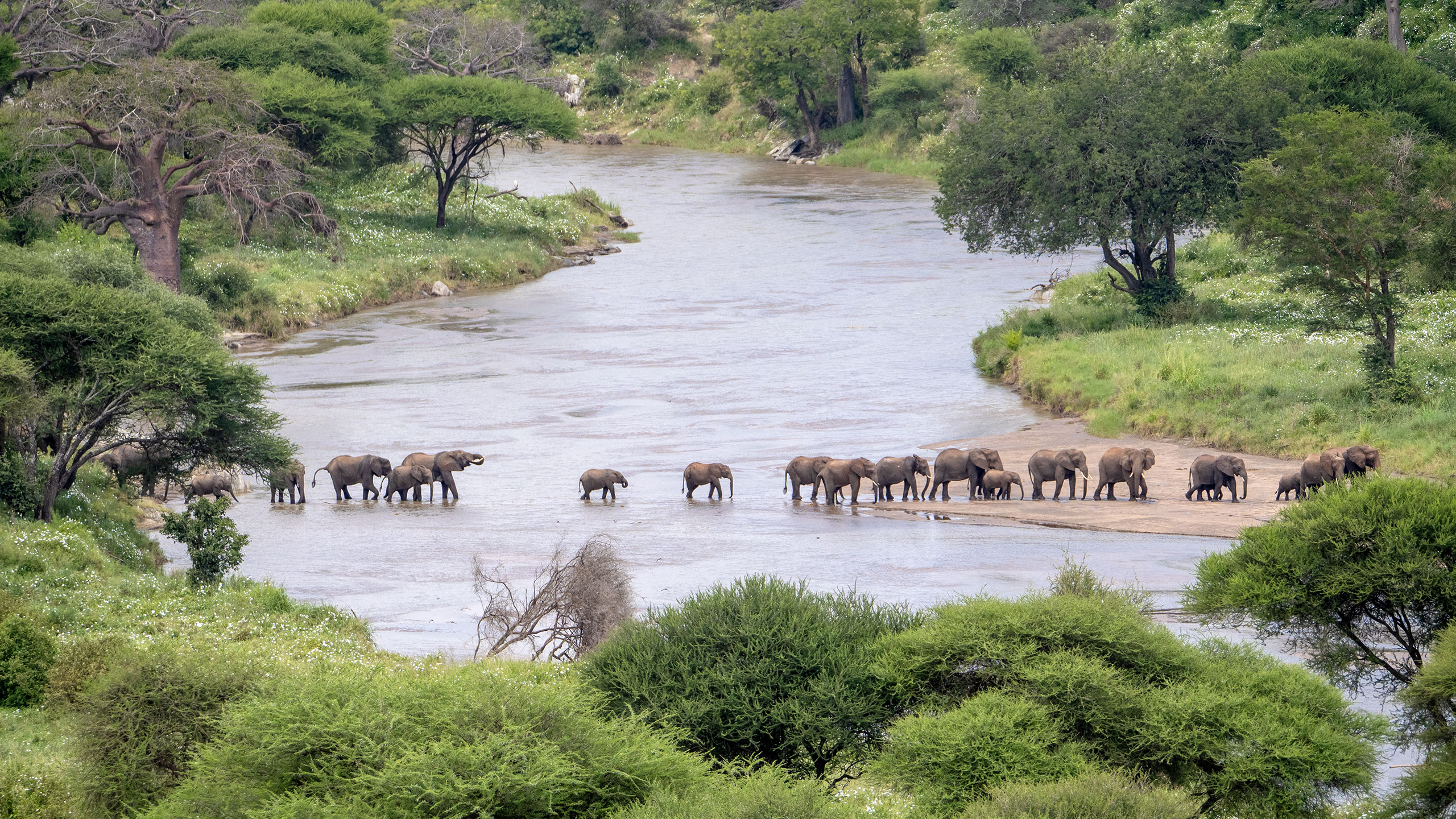
Tarangire National Park
Elephant country, written in baobab.
A baobab-studded valley along the Tarangire River, drawing Tanzania's largest dry-season elephant concentrations between June and October.
Experiences that fit this journey style.
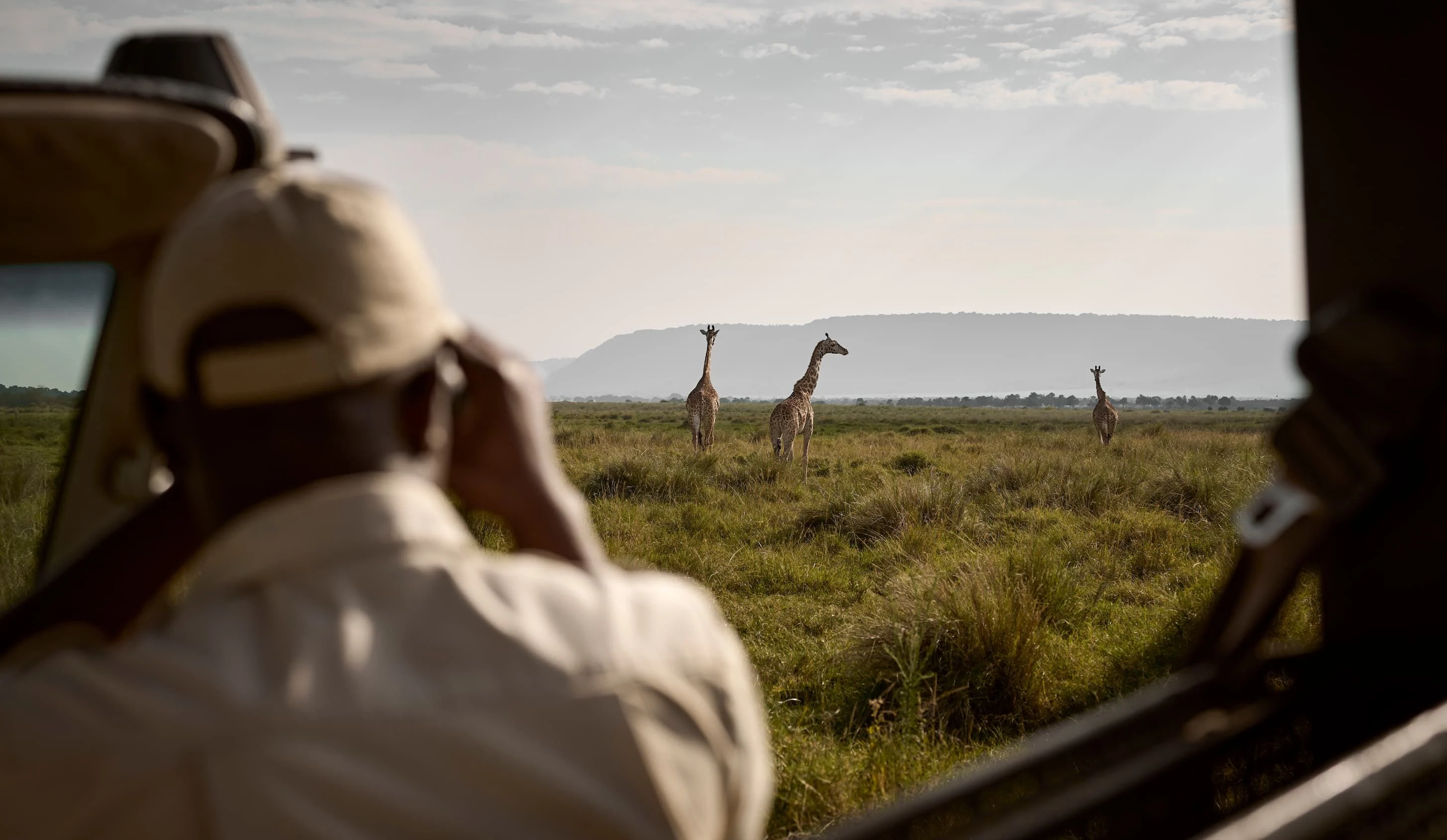
Wildlife Safaris
The reason you came.
Private, guided game viewing across the great ecosystems of East Africa — the Serengeti, Ngorongoro, Tarangire, the Maasai Mara and beyond — with your own vehicle and guide on tailor-made journeys, and shared departures only where specifically stated.
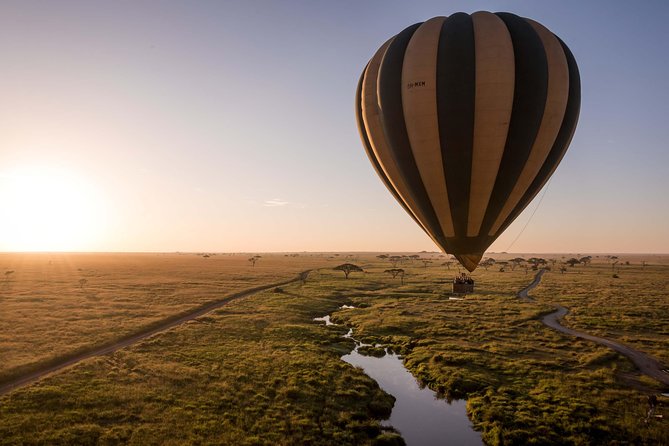
Hot Air Balloon Safaris
One hour, no engine.
A dawn flight over the Serengeti, Tarangire or the Maasai Mara — drifting at treetop height as the plains wake, followed by a bush breakfast where you land.
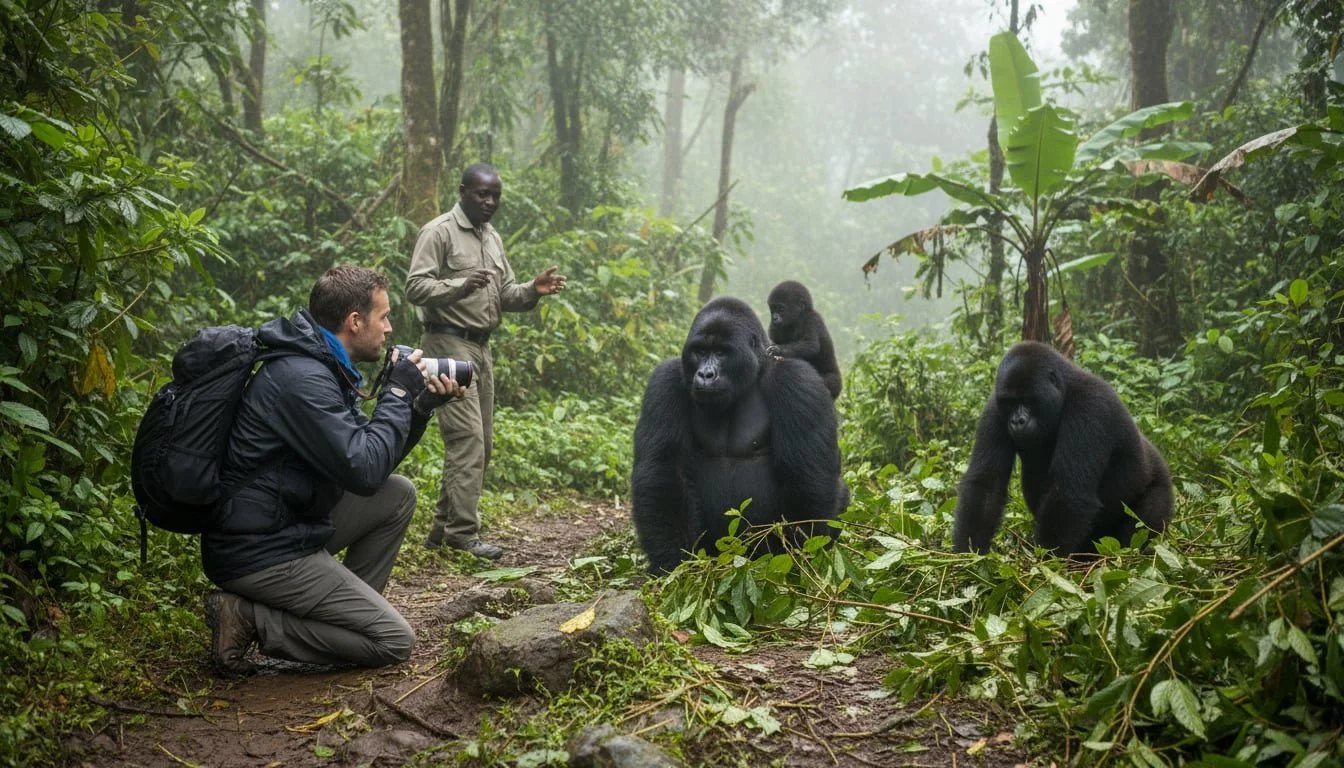
Gorilla Trekking
Into the forest.
A morning trek through misted mountain rainforest to spend one quiet hour with a habituated family of mountain gorillas — one of the rarest wildlife encounters on Earth.
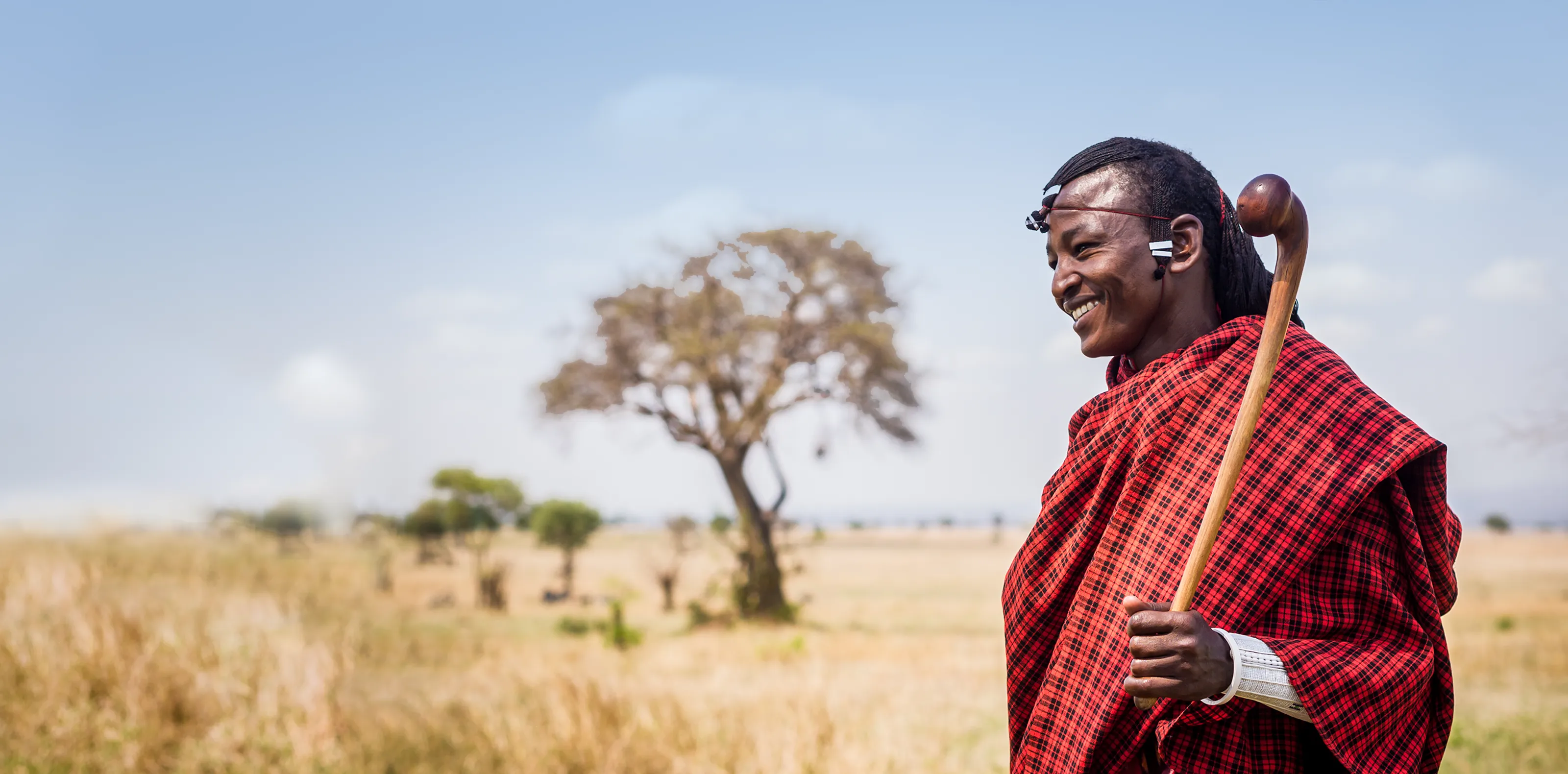
Cultural Experiences
Meet the people, not a performance.
Time with Maasai, Hadzabe, Datoga, Chagga and Swahili communities arranged directly and paid fairly — conversation and craft rather than staged dancing at the gate.
Published stays linked to these journeys.
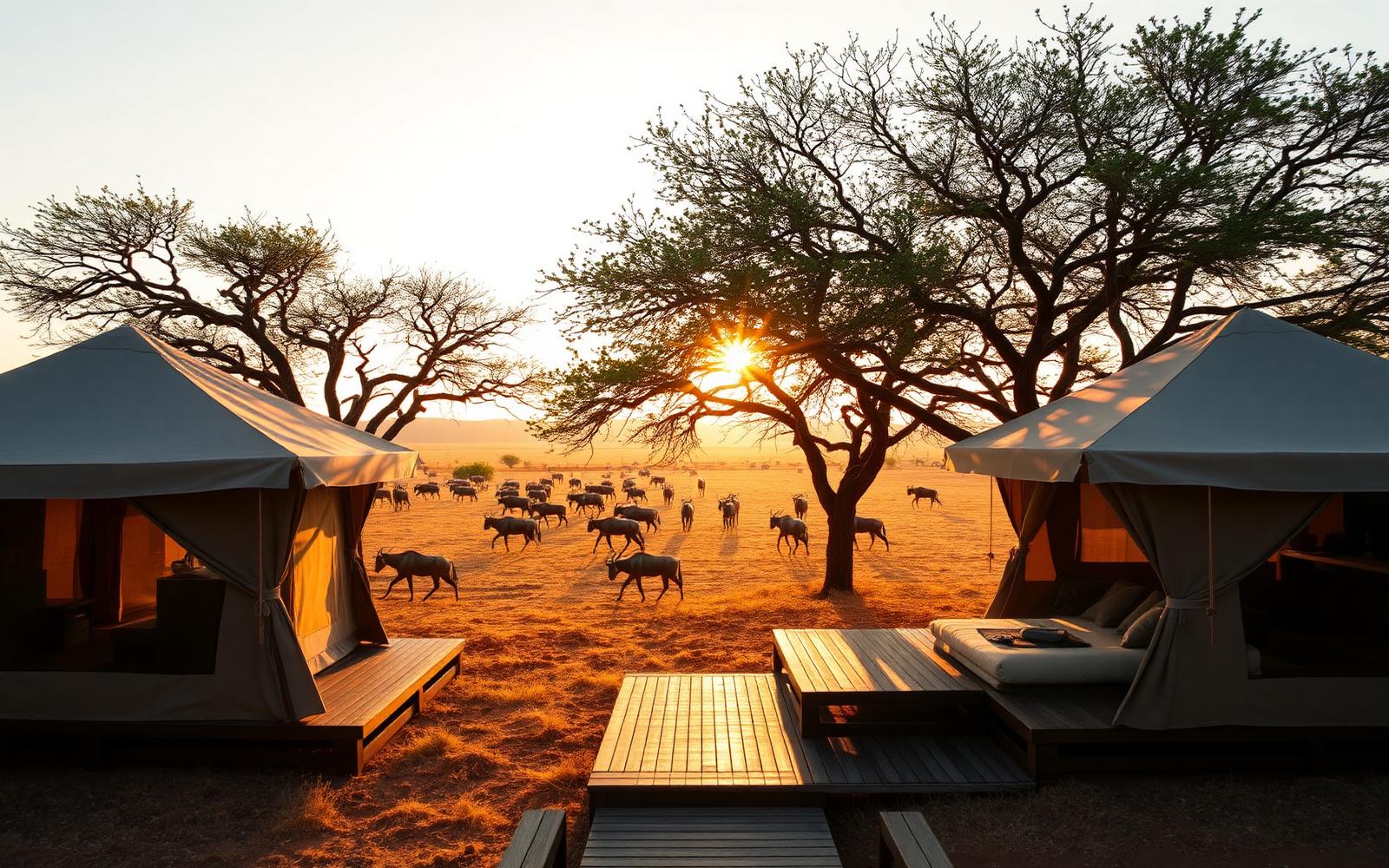
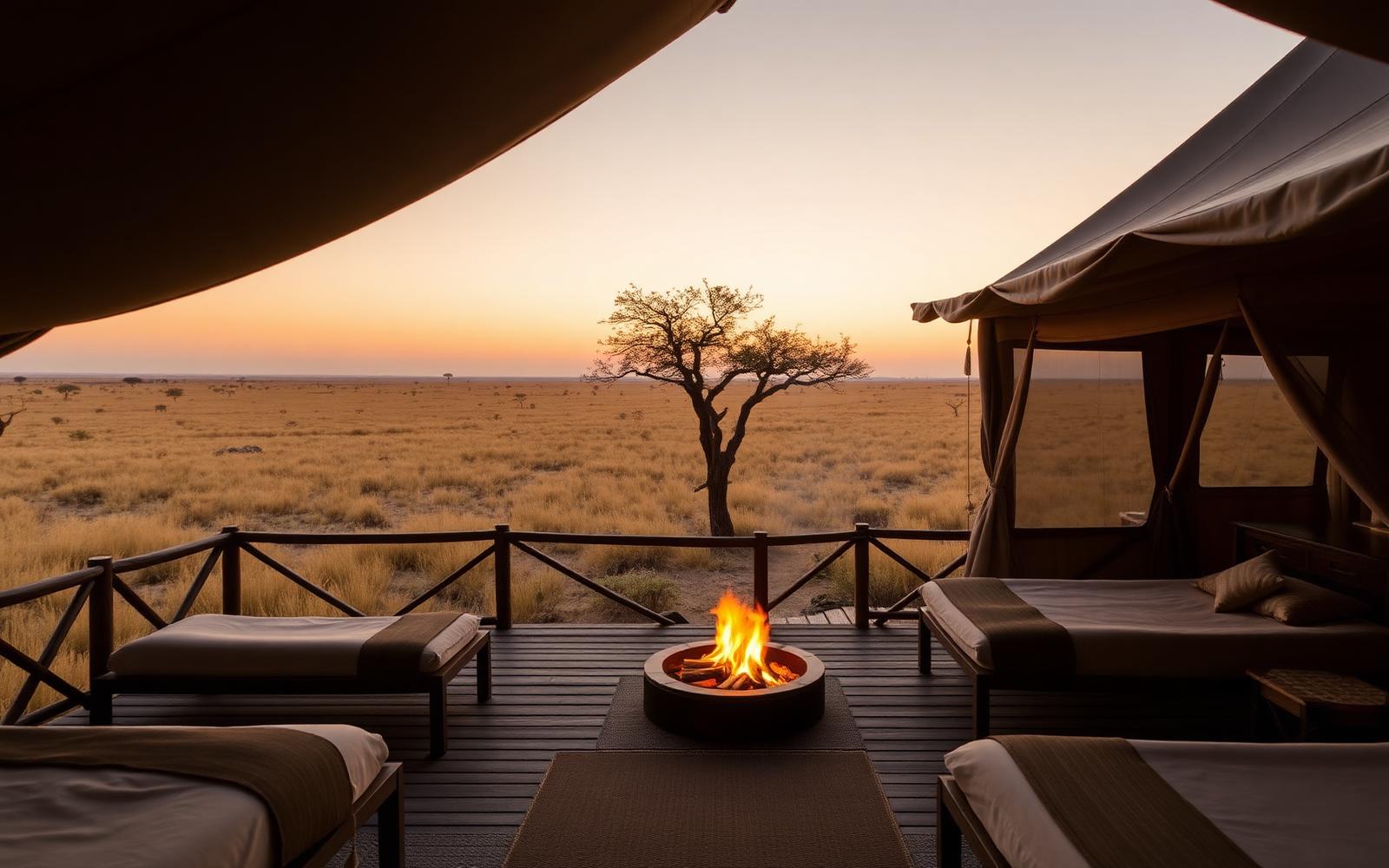
Ndutu Misako Tented Camp
Canvas on the calving grounds — the closest you can sleep to the December-to-March herds.
Land of Nature Tented Camp
Canvas suites in the central Serengeti, within reach of the Seronera valley's resident predators.
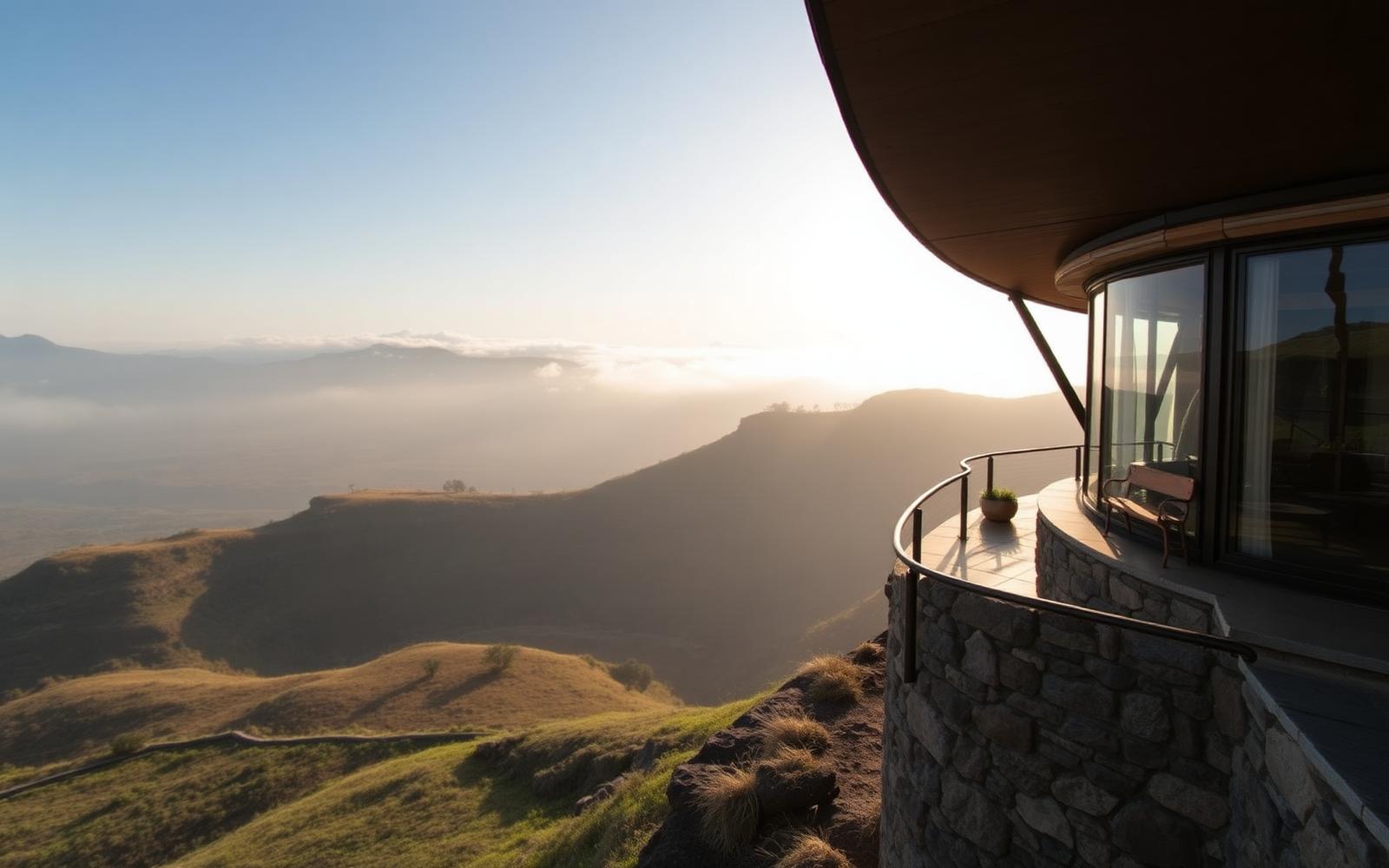
Ngorongoro Rim Lodge
On the crater rim, above the cloud — the shortest possible morning descent.
Travel guides related to this collection.
Safari Photography Seasons: When to Photograph East Africa
A season-by-season guide to photographing East Africa — from Ndutu calving and Mara River months to green-season landscapes, elephants, birds and primates.
Read guide →Photography Tips
Practical guidance for photographing East Africa, whether you travel with a phone or a full camera system.
Read guide →Great Migration Calendar: Month-by-Month Serengeti Guide
A practical month-by-month guide to where the Great Migration is likely to be across the Serengeti–Mara ecosystem, with planning advice for calving, Grumeti and Mara Riv…
Read guide →Frequently asked.
Do I need professional camera equipment?
No. A photography-focused safari is mainly about time, positioning and flexibility. The route can be useful whether you travel with a phone, a compact camera or a professional system.
Are photography safaris private?
Yes. Private vehicles are central to the way we plan photography-focused journeys because they allow the day to follow your subjects and light.
Can we stay longer in one wildlife area?
Yes. In fact, we often recommend longer stays in fewer productive areas for photography rather than a route with frequent lodge changes.
Then let's create it.
Every journey on this page is a starting point. Tell us where you want to go, what you want to experience and how you like to travel — we'll shape the rest around you.